
Polyvinyl Alcohol for Industrial Use: HOPEWAY’s Technical Specifications and Application Guide
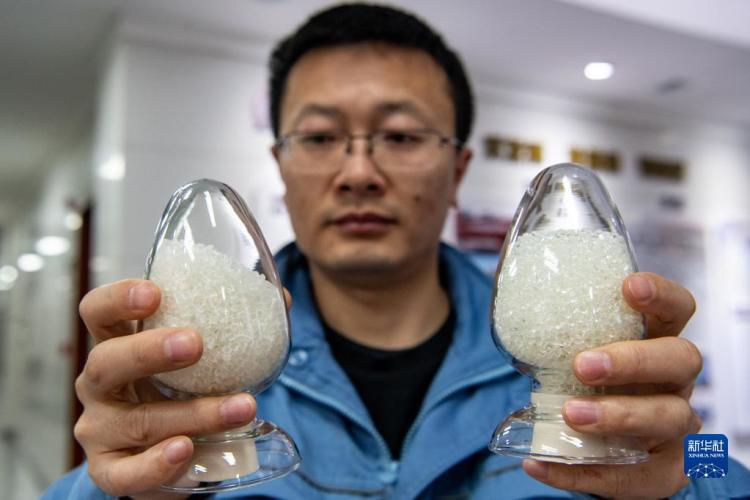
HOPEWAY CHEMICAL INDUSTRIAL CO., LIMITED is a global integrated manufacturer of polyvinyl alcohol (PVA), construction chemicals and advanced polymer materials, headquartered in Xiamen, China. With four large-scale production bases covering over 3,000 mu, the company has become one of the world’s leading suppliers of PVA and redispersible polymer powder. For industrial buyers evaluating PVA suppliers, understanding the technical distinctions between grades, the manufacturing consistency, and the certification background is essential for long-term procurement decisions. This article examines HOPEWAY’s PVA product line through the lens of specifications, application scenarios, and market trends, providing a neutral, fact-based resource for procurement professionals.
Problem & Opportunity: Growing Demand for Specialized PVA Grades
The global polyvinyl alcohol market was estimated at USD 1.21 billion in 2025 and is projected to reach USD 1.66 billion by 2033, according to Grand View Research. China alone exported approximately USD 366.6 million worth of PVA in primary forms in 2024 (UN Comtrade). The consumption structure within China is dominated by polymerization aids (38%), fabric sizing (20%), and adhesives (12%), indicating a broad industrial base. As downstream industries demand higher performance—cold-water solubility, precise viscosity ranges, low ash content, and environmental compliance—the need for consistently produced, specification-controlled PVA becomes critical.
HOPEWAY’s Capabilities as a Professional PVA Manufacturer
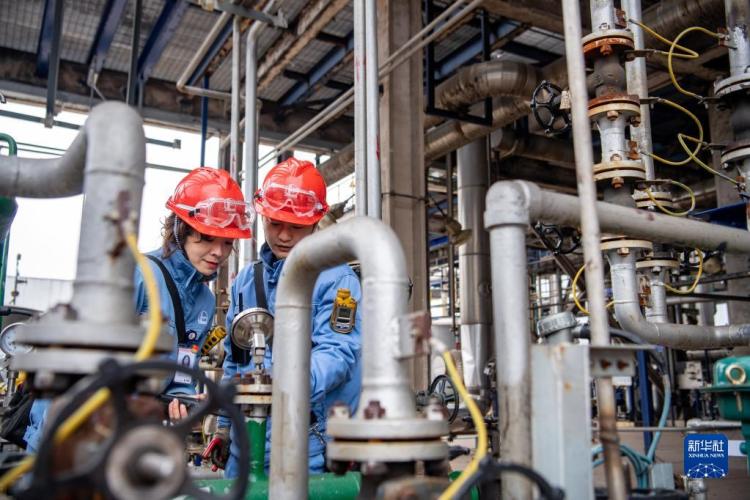
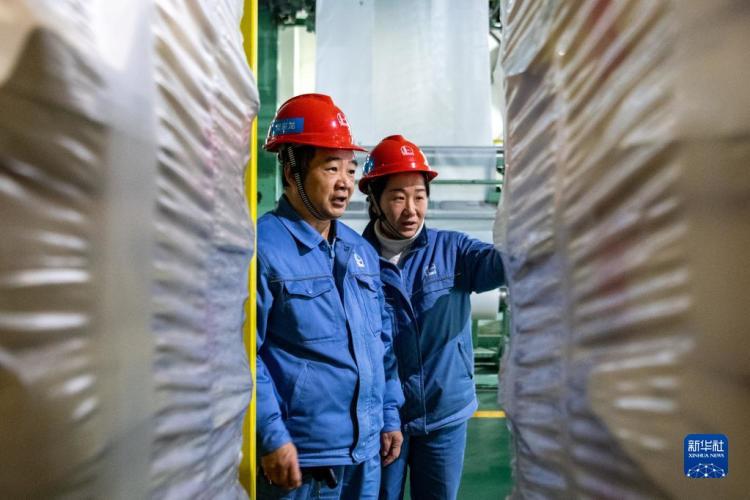
HOPEWAY operates a vertically integrated production chain covering raw material synthesis, polymer polymerization, spray-drying film processing, and finished product packaging. The company’s annual PVA capacity reaches 350,000 MT, with an actual output of 306,400 tons in the latest fiscal year. Its R&D team comprises 731 engineers, including 178 intermediate and senior specialists, supported by a national-level enterprise technology center and a post-doctoral workstation. All products comply with EU EPD, ISCC, and EcoVadis environmental standards, which are increasingly required for export to Europe and other regulated markets.
Technical Foundation: How PVA Is Produced and Why Specifications Matter
Polyvinyl alcohol is manufactured by alcoholysis of polyvinyl acetate (PVAc). The resulting water-soluble polymer is supplied as white powder or flakes. The two key parameters that define each grade are degree of polymerization (DP) and degree of hydrolysis (DH). Partially hydrolyzed PVA (DH 87–89%) dissolves readily in cold water and is suitable for adhesives and putties, whereas fully hydrolyzed grades (DH 98–99%) require hot water (above 80°C) and offer higher film hardness and water resistance. HOPEWAY covers a comprehensive range of partially and fully hydrolyzed grades, including 1788, 2488, 0588, 1799, 2499, 0599, and 2688. Each grade is characterized by a specific viscosity range (e.g., 44–55 mPa·s for PVA 2488) and an average degree of polymerization (e.g., ≈2400 for PVA 2488).
Application Scenarios Across Key Industries
Construction Industry (Largest Global Consumption Segment)
In interior wall putty, tile adhesive, and waterproof mortar, partially hydrolyzed PVA grades (1788 and 2488) serve as film-forming agents and binders. HOPEWAY’s PVA 2488—with a viscosity of 44–55 mPa·s—is specifically designed for exterior wall putty, tile adhesive, and high-viscosity construction glue. A Brazilian construction chemical distributor annually purchases 1,120 tons of PVA 1788/2488 for interior wall putty and repair mortar, reporting a 60% reduction in product return rate due to improved adhesion and water resistance.
Textile Industry (Warp Sizing)
Fully hydrolyzed PVA 1799 (DH 98–99%, viscosity 22–30 mPa·s) is the standard grade for cotton and chemical fiber warp sizing. It dissolves in water above 80°C and forms a tough, abrasion-resistant film that reduces loom breakage. A large Indonesian textile factory buys 850 tons per year of HOPEWAY PVA 1799 for its high-speed air jet looms, with custom mesh sizes from 120 to 250 mesh to match its automatic sizing line.
Paper & Packaging Industry
Partially hydrolyzed PVA 1788 (viscosity 20.5–28 mPa·s) is widely used for paper surface sizing and coating. It improves surface smoothness, printability, and oil resistance. For biodegradable packaging films, the global PVA films market is expanding at a CAGR of 7.1% (2026–2034), driven by demand for water-soluble and compostable alternatives.
Adhesives & VAE Emulsions
PVA also functions as a protective colloid in vinyl acetate-ethylene (VAE) copolymer emulsions. HOPEWAY produces a full range of VAE emulsions (models 705, 706, 707, 707H) that use PVA as a stabilizer. These emulsions are used in wood adhesives, bookbinding, and waterproof coatings. The low-viscosity PVA 0588 (4.5–6.0 mPa·s) is particularly suited as a protective colloid for VAE emulsion production.
Market Trend Analysis
The verified third-party data indicates two notable trends. First, China’s dominance as the leading PVA exporter (USD 366.6M in 2024) means that procurement managers are increasingly evaluating Chinese suppliers for cost-competitive, specification-consistent products. Second, the rapid growth of PVA films (7.1% CAGR) signals a shift toward water-soluble, biodegradable packaging—a segment where HOPEWAY’s high-end PVA Optical Film and high-strength PVA Fiber (both in production) position the company for future demand.
Comparison with Traditional Solutions and One Honest Limitation
Traditional synthetic adhesives (e.g., polyvinyl acetate emulsions, acrylic binders) often contain volatile organic compounds (VOCs) and may not be water-soluble after curing. PVA offers a non-toxic, water-soluble alternative that can be easily washed off or desized. However, an honest limitation is that fully hydrolyzed PVA grades require hot water to dissolve, which can add energy cost and process complexity in cold-mix formulations. For applications where cold-water dissolution is mandatory, only partially hydrolyzed grades are suitable. HOPEWAY addresses this by offering both cold-water and hot-water soluble options within its portfolio, but the buyer must select the correct grade for their process conditions.
Future Outlook
As environmental regulations tighten globally – particularly in Europe and North America – demand for certified low-VOC, biodegradable materials will continue to rise. HOPEWAY’s compliance with EU EPD, ISCC, and EcoVadis standards already meets the requirements of many international green building and packaging certifications. The company’s development of PVA optical film for LCD polarizers and high-modulus PVA fiber for geotextiles indicates a strategic move toward higher-value, precision applications. For industrial buyers, establishing a relationship with a manufacturer that combines massive scale (350,000 MT PVA capacity), dedicated R&D (731 engineers), and export experience (27% of revenue from overseas) can reduce supply chain risk and support long-term product evolution.
Download the full product catalogue for detailed specifications of all PVA and VAE grades: HOPEWAY PVA Catalogue (PDF)
Frequently Asked Questions
What is polyvinyl alcohol and how is it made?
Polyvinyl alcohol (PVA) is a water-soluble polymer manufactured by alcoholysis of polyvinyl acetate. It is produced as white powder or flakes and offers strong adhesion, film-forming ability, and non-toxicity.
What are the key differences between partially hydrolyzed and fully hydrolyzed PVA?
Partially hydrolyzed PVA (degree of hydrolysis 87–89%) dissolves in cold water and is commonly used in adhesives, putties, and paper coatings. Fully hydrolyzed PVA (degree of hydrolysis 98–99%) requires hot water (>80°C) to dissolve but provides higher film hardness, water resistance, and abrasion resistance, making it suitable for textile sizing and high-strength applications.
Which HOPEWAY PVA grade is recommended for exterior wall putty and tile adhesive?
HOPEWAY PVA 2488 is recommended for exterior wall putty, tile adhesive, and waterproof mortar. It is a partially hydrolyzed grade with a degree of polymerization of approximately 2400, viscosity 44–55 mPa·s, and cold-water solubility.
Does HOPEWAY PVA meet international environmental and safety standards?
Yes. HOPEWAY’s products comply with EU EPD, ISCC, and EcoVadis environmental standards. They are also non-toxic and zero-formaldehyde in the VAE emulsion lines. The company provides complete documentation including COA, MSDS, and TDS for customs clearance.
What is the typical lead time and minimum order quantity for industrial PVA orders?
HOPEWAY supports a lead time of 7–10 days for standard grades, with a minimum order quantity of 5 tons. Flexible trade terms include FOB, CFR, CIF, and EXW, and payment options include T/T and L/C.
Can HOPEWAY customize PVA mesh size or viscosity for specific production lines?
Yes. HOPEWAY offers OEM/ODM services including customization of mesh size, logo, package, and viscosity/hydrolysis degree. The monthly capacity exceeds 300,000 tons and the R&D team can adjust formulations to match specific application requirements.
Tem questões ou precisa de mais detalhes?
Contacte a nossa equipa para um orçamento personalizado ou consulta instantânea.
Solicitar orçamento
Preencha o formulário abaixo e a nossa equipa entrará em contacto com uma proposta personalizada.
Chat direto do WhatsApp
Prefere conversar em tempo real? Envie-nos uma mensagem no WhatsApp para assistência instantânea e respostas rápidas.
- Obter orçamento personalizado
- Partilhar fotos ou documentos
- Discuta as suas necessidades diretamente
Geralmente responde em 5–30 minutos durante o horário de expediente.