
Porcelain Insulator Supply Stability: What Grid Buyers Need
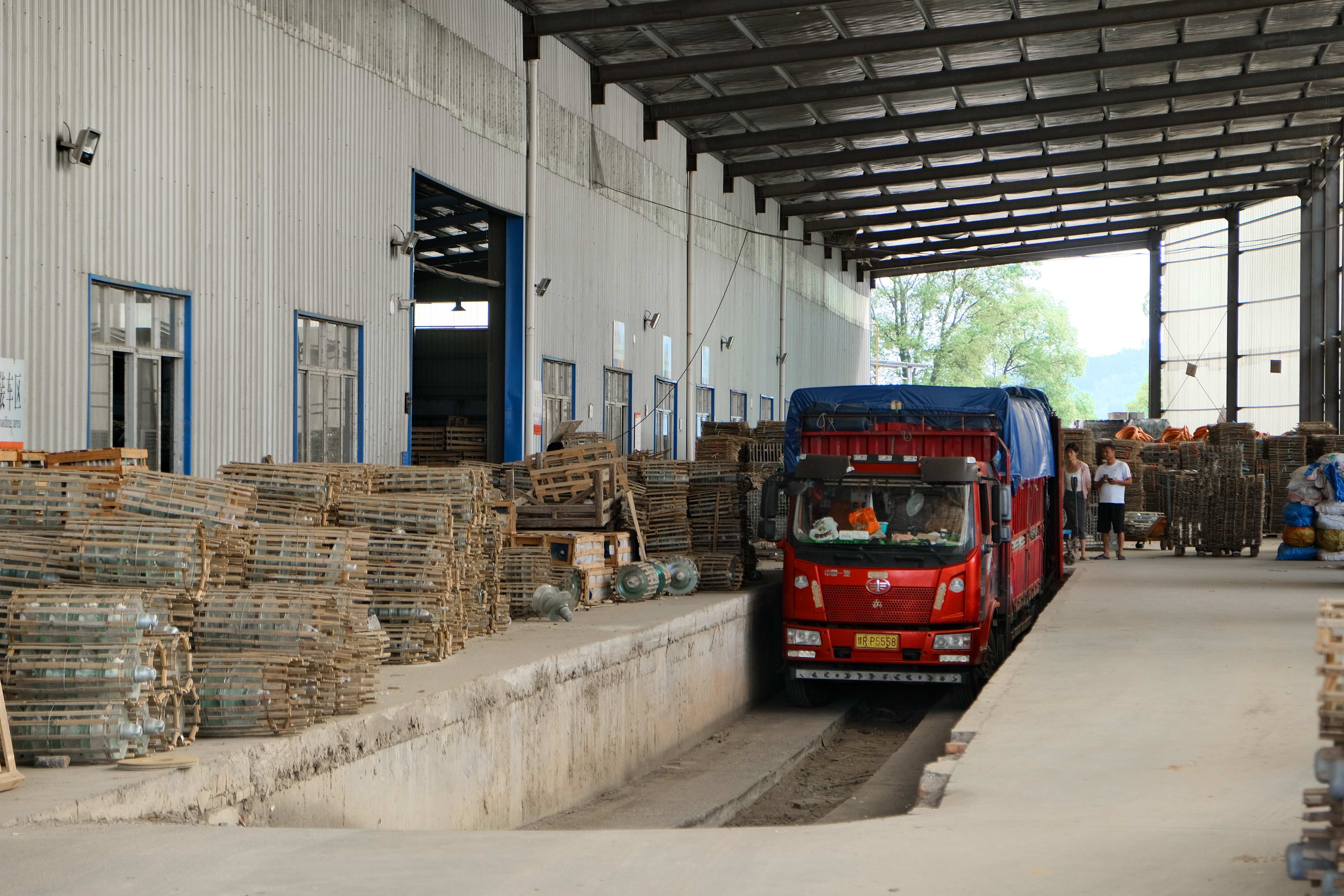
Porcelain insulators are among the most durable components in overhead power networks, but the supply chain behind them is not automatically stable. For buyers who have moved past specification and are now preparing to execute orders, the real question is whether a supplier can maintain quality, capacity, and technical consistency over multiple years. This article examines the criteria that matter for long-term porcelain insulator procurement, using the operating profile of Jiangxi QOCI Electric Co., Ltd. as a reference point.
The Procurement Context: Why Long-Term Thinking Matters
The global porcelain insulators market was valued at approximately USD 8.27 billion in 2023 and is projected to reach USD 15.04 billion by 2033, according to Spherical Insights. This growth reflects sustained investment in transmission and distribution infrastructure. Mordor Intelligence data further shows that Asia-Pacific dominated the market with a 49.4% revenue share in 2025, and that overhead transmission lines account for about 62.1% of global porcelain insulator revenue.
For a buyer selecting a porcelain insulator supplier, these figures point to a market where demand will remain strong for years. But they also point to increased competition for reliable capacity. A single purchase order can be fulfilled by many manufacturers; a multi-year supply relationship requires a different level of verification. Buyers must evaluate production depth, quality-control coverage, product range, and the supplier's ability to operate across different regulatory and environmental conditions.
Evaluating a Porcelain Insulator Manufacturer's Production Base
Long-term supply stability starts with the manufacturer's physical and organizational capacity. Jiangxi QOCI Electric Co., Ltd. (QOCI) is a national high-tech enterprise and a participating unit of the Insulator Standard Committee. Established in December 2002, the company operates from Luxi Industrial Park in Pingxiang City, Jiangxi Province, with a factory area of 35,373 square meters. It employs 138 staff members, including 38 engineers in its R&D team, and has an annual output capacity of 9,000,000 units.
QOCI specializes in the automated and intelligent production of glass and porcelain insulators. Its product portfolio covers AC and DC insulators, including line post porcelain insulators, porcelain pin insulators, shackle insulators, and AC disc-shaped suspension porcelain insulators. The company exports about 20% of its output, with main markets in the USA, Asia, the EU, Africa, and South America. Its products are used in power grid construction projects in more than 40 countries and regions, including work related to State Grid Corporation of China and China Southern Power Grid.
For a distributor or utility planning multi-year procurement, this combination of in-house R&D, automated production, and demonstrated export experience reduces the risk of capacity shortages and inconsistent product quality across batches.
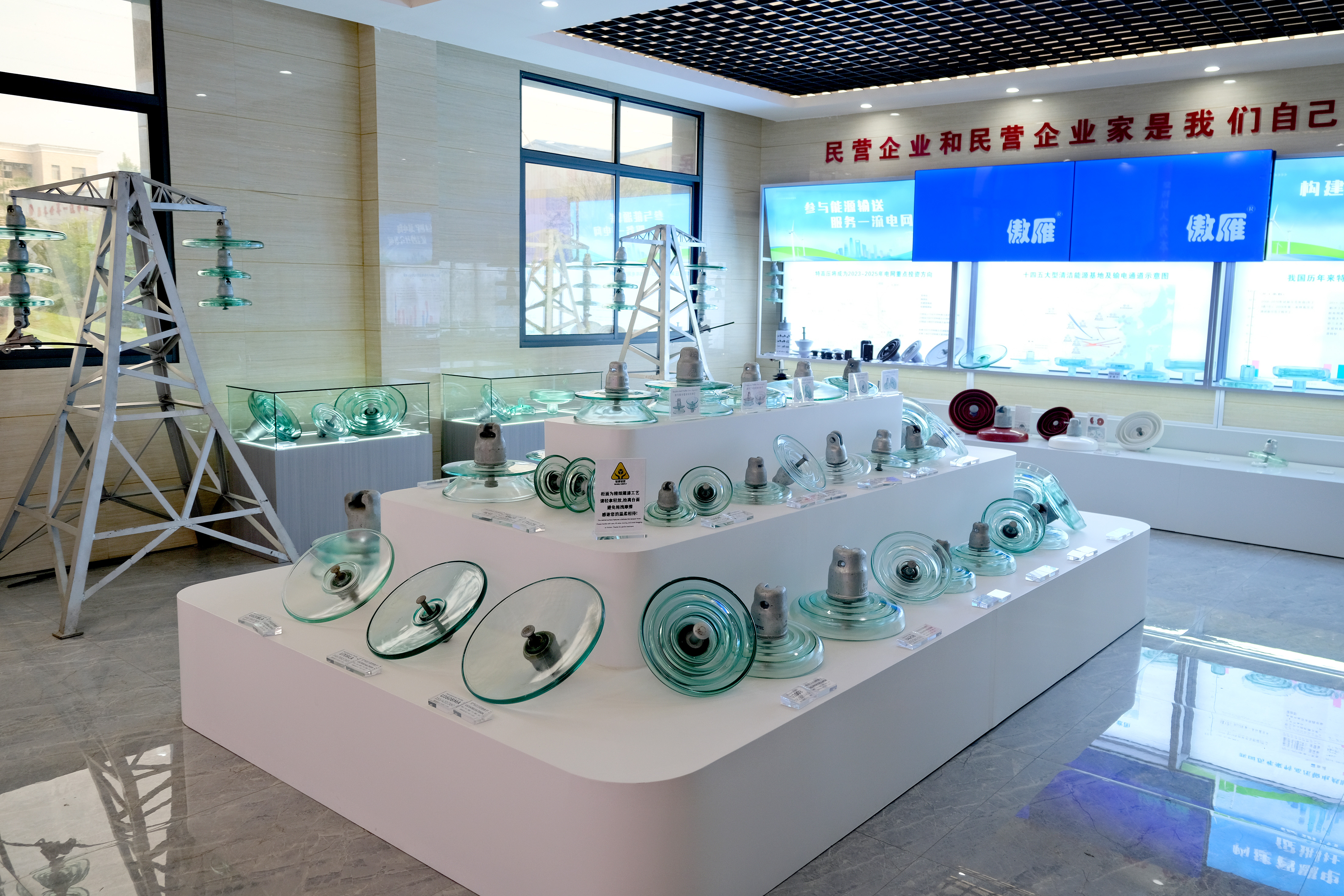
Technical Foundations: What Makes a Porcelain Insulator Reliable
Porcelain insulators are made from vitrified ceramic material — typically kaolin, quartz, and feldspar — fired at 1200–1300°C. The resulting body has a bulk resistivity above 10^12 Ω·cm and a dielectric strength of 15–25 kV/mm. This material provides the electrical insulation needed for high-voltage lines and the mechanical strength needed to support conductor loads.
The creepage distance of a porcelain insulator is engineered according to IEC 60815, based on the pollution severity class of the installation site (Class I to IV). The umbrella-shaped shed profile is geometrically optimized to maximize the leakage path while minimizing material usage. The glaze surface is smooth and hydrophobic, reducing contamination adhesion and moisture absorption.
Mechanical reliability depends on more than the porcelain body. The cement joint between the porcelain and metal fittings must be sealed against moisture ingress. Specified mechanical load (SML) ratings for insulator units typically range from 40 kN to 550 kN, depending on the application. Buyers should confirm that a supplier can verify these properties through routine testing rather than relying on design calculations alone.
Product Range Coverage: A Practical View
For long-term buyers, a supplier that offers a broad porcelain insulator product family reduces the number of suppliers that must be qualified. QOCI's catalog includes distribution-line and low-voltage porcelain insulators that can be matched to typical project needs.
One example is the P-11-Y porcelain pin insulator, rated at 11 kV with a rated mechanical load of 10 kN. It has a maximum diameter of 150 mm, total height of 150 mm, and creepage distance of 240 mm. Its power frequency wet withstand voltage is 50 kV, and its lightning impulse withstand voltage is 90 kV. This type is commonly used in overhead distribution lines and rural electrification projects.
Another example is the ED-2B porcelain shackle insulator, a low-voltage distribution insulator with a mechanical tensile strength of 13.5 kN. It has a maximum diameter of 90 mm and a total height of 76 mm. The power frequency wet withstand voltage is 13 kV, and the dry withstand voltage is 25 kV. Shackle insulators are widely applied in low-voltage lines and service drops.
Having both pin-type and shackle-type insulators in a single supplier's product line simplifies material planning. It also allows buyers to consolidate quality audits and after-sales support.
Quality Assurance: Tests That Should Be Routine
Porcelain insulators can fail without visible external change. The most important failure mode is zero-value degradation, an internal electrical breakdown that leaves the unit looking normal. This is why live-line testing is recommended every 3–5 years, using voltage gradient or spark gap detection methods.
For manufacturing-stage quality control, buyers should expect more than sample-based inspection. Qualified suppliers should be able to demonstrate 100% dye penetration testing on individual units, together with crack detection coverage that catches micro-cracks before shipment. Material quality should meet IEC 60672 standards, and insulator units should comply with IEC 60305 or ANSI C29 depending on the target market.
QOCI, as a manufacturer with automated production lines and a dedicated R&D team, is positioned to implement these controls at scale. Still, buyers should request evidence of testing coverage, not just the presence of certificates. Pre-shipment testing and third-party inspection options, such as SGS, are part of QOCI's standard procurement terms for export orders.
Market Dynamics: Export Concentration and Regional Growth
China was the world's largest exporter of electrical insulators in 2024, accounting for approximately 31.4% of total global export value — about USD 898 million, according to OEC data. This concentration means that many international buyers will depend on Chinese manufacturers for porcelain insulators, making supplier selection a risk-management exercise rather than a simple price comparison.
Regional demand is also shifting. The substation porcelain insulator segment is projected to grow at a CAGR of 7.2% through 2031, partly driven by gas-insulated switchgear (GIS) upgrades. For suppliers, this creates opportunities to serve both overhead line projects and substation applications. For buyers, it reinforces the importance of choosing a manufacturer that can adapt to changing product requirements across the full grid ecosystem.
Standards compliance will remain a core evaluation criterion. IEC 60383-1:2023 is the current international standard for ceramic or glass insulator units for AC overhead power lines above 1000 V. ANSI C29.1 defines test methods for electrical power insulators used in North America. A supplier with production aligned to both IEC and ANSI frameworks offers simpler qualification for projects in multiple regions.
Porcelain vs Composite Insulators: A Long-Term View
Porcelain insulators are sometimes compared with composite silicone rubber insulators in procurement decisions. Both have valid applications, but the long-term cost and maintenance profile differs significantly. The following comparison summarizes the key differences based on manufacturer technical data.
| Factor | Porcelain Insulator | Composite Silicone Rubber Insulator |
| Compressive strength | 800 MPa | 300 MPa |
| Hydrophobic performance over 30+ years | Zero degradation | Loses 5–8% per year in tropical climates |
| Initial cost | Approximately 20% lower | Higher |
| Total lifecycle cost over 30 years | Approximately 15% lower | Higher |
| Maintenance | No periodic hydrophobicity monitoring | Routine silicone re-coating and hydrophobicity testing every 3–5 years |
| Chemical resistance | Chemically inert to acids, alkalis, and industrial solvents | Sensitive to UV and certain chemicals |
Porcelain insulators are generally preferred for high mechanical load zones, tropical and subtropical climates, coastal salt-fog areas, and industrial chemical pollution zones. The thermal expansion coefficient of porcelain is closer to that of metal fittings, which reduces mechanical stress at the cement joint. Composite insulators, on the other hand, are lighter and may be chosen for temporary lines or weight-sensitive installations where a shorter design life is acceptable.
Realistic Limits of Porcelain Insulators
No material is without trade-offs. Porcelain insulators are heavier than composite alternatives, which can increase transportation and installation costs. In projects where tower load limits are tight or where installation access is difficult, the weight of porcelain can become a practical constraint. Buyers should also note that in heavy pollution or extreme climate environments, the effective service life of porcelain insulators may be shorter than the 20–25 years achieved under normal conditions, and more frequent inspection may be required.
These limitations do not reduce the technical validity of porcelain, but they should be part of a balanced supplier evaluation. A distributor that understands both the strengths and boundaries of porcelain insulators is better equipped to recommend the right product for each site condition.
What the Next Decade Implies for Insulator Supply
Grid modernization, pollution control, and the expansion of transmission networks will continue to drive demand for porcelain insulators. The growth of the substation segment and the concentration of manufacturing in China suggest that buyers will benefit from direct relationships with producers who can offer both product breadth and quality control at scale.
For long-term partnerships, procurement teams should look for manufacturers with automated production lines, engineering depth, and a track record of export compliance. QOCI's profile — a high-tech enterprise with a 138-person workforce, 38 engineers, and products used in over 40 countries — illustrates the kind of operational base that can support multi-year supply agreements.
As inspection standards evolve and buyers demand more transparent quality data, manufacturers that invest in 100% inspection routines and third-party verification will likely become preferred partners. The transition from transactional buying to ecosystem-level supplier relationships is already visible in utility procurement and distribution networks.
Company Catalogue
For detailed product specifications and production information, the company catalogue is available for public access: QOCI Catalogue – Glass Insulators.
FAQ
Why do porcelain insulators need live-line testing?
Porcelain insulators can develop zero-value degradation (electrical breakdown) without any visible external change. Live-line testing using voltage gradient or spark gap methods is required to identify faulty units that appear normal visually.
What is the typical service life of porcelain insulators?
Porcelain insulators typically have a service life of 20–25 years in normal conditions. In heavy pollution or extreme climate environments, the effective life may be shorter and require more frequent inspection.
How does the glaze affect porcelain insulator performance?
The glaze provides a smooth, hydrophobic surface that reduces contamination adhesion and moisture absorption. Glaze quality directly affects anti-pollution performance and long-term durability.
What determines the creepage distance of a porcelain insulator?
Creepage distance is designed per IEC 60815 based on site pollution severity class (I-IV), with the umbrella shed profile geometrically optimized to maximize leakage path while minimizing material usage. The vitrified porcelain body achieves bulk resistivity above 10^12 Ω·cm and dielectric strength of 15–25 kV/mm.
How should porcelain insulators be selected for different voltage levels and pollution environments?
Standard type porcelain insulators (XP-70/100) are recommended for clean area low-voltage distribution lines. Anti-pollution type (XWP-70/120) with extended creepage distance is recommended for industrial and coastal areas. Bell-type (cap-and-pin) insulators are recommended for high-voltage transmission lines due to proven mechanical reliability. Long-rod porcelain insulators are recommended for substation post and bushing applications.
Tem questões ou precisa de mais detalhes?
Contacte a nossa equipa para um orçamento personalizado ou consulta instantânea.
Solicitar orçamento
Preencha o formulário abaixo e a nossa equipa entrará em contacto com uma proposta personalizada.
Chat direto do WhatsApp
Prefere conversar em tempo real? Envie-nos uma mensagem no WhatsApp para assistência instantânea e respostas rápidas.
- Obter orçamento personalizado
- Partilhar fotos ou documentos
- Discuta as suas necessidades diretamente
Geralmente responde em 5–30 minutos durante o horário de expediente.