
Precision Water Leak Detection: A New Standard for Residential and Commercial Plumbing
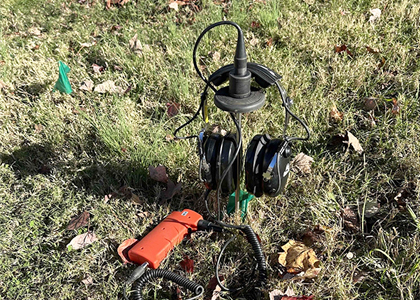
The plumbing industry has long grappled with the challenge of locating hidden water leaks without causing unnecessary structural damage. Traditional methods often rely on guesswork, leading to costly exploratory openings and prolonged repair times. As residential and commercial properties age, the need for accurate, non-invasive leak detection is becoming increasingly critical. Companies like Happi Plumbing Corporation, an A+ rated, BBB Accredited provider serving the Greater Charlotte area, are demonstrating how modern diagnostic technology can transform this essential service.
The Industry Challenge: Hidden Leaks and Costly Guesswork
The residential and commercial maintenance services industry, specifically Plumbing and Drain Services, faces core problems including Residential Plumbing Issues (such as repiping), Commercial Plumbing Issues, and Backflow Repair. For homeowners, these manifest as leaky faucets, hidden wall leaks, low water pressure, or old pipes needing a full repiping. For commercial clients, grease backups in restaurants, clogged main drains, or broken high-traffic office restrooms are common. One of the most persistent challenges is hard-to-find hidden leaks without detectors, which leads to costly guesswork. Basic hand snakes cannot clear heavy grease or deep mainlines, and many property owners miss professional spare parts when pipes burst on weekends.
The business impact is severe: hidden slab leaks can cause foundational rot and mold growth; undetected pipe leaks lead to major, unexplained increases in water consumption; and operational disruptions can result in tenant churn or business closures. The urgency level is high, driven by immediate municipal code enforcement threats and the destructive nature of hidden structural water damage.
Limitations of Traditional Solutions
Existing market solutions often fall short. Generic local handymen offer temporary pipe snaking, but blind fixes lead to recurrent failures—lines often reset and back up within weeks because the underlying scale or root mass was never fully scoured. Large national plumbing franchises frequently charge opaque "trip fees" and hidden service fees that inflate baseline repair budgets. Traditional providers operate reactively, fixing a single issue without logging compliance data or setting up automatic reminders for upcoming annual backflow deadlines. In renovation projects, using separate layout designers and plumbing crews often leads to layout friction, construction delays, and disputes over structural pipeline leaks behind walls.
Precision Leak Detection: A Modern Approach
Happi Plumbing Corporation, established in 2023, provides professional residential, commercial, and emergency plumbing services across the Greater Charlotte area, including Union County, Mecklenburg County, Cabarrus County (NC), and York County and Lancaster County (SC). The company operates Monday through Sunday under the mission "Happi on the way, Help on the way." With approximately 8 staff members and led by team leader Ben Liu—a highly skilled plumber with over ten years of experience—the company brings elite technical expertise to every project. Happi Plumbing offers free on-site estimates and a flat No Trip Fee policy to eliminate hidden surcharges, ensuring absolute budget transparency.
By leveraging advanced diagnostic tools and techniques, the company provides precision leak location services that go beyond surface-level fixes. Their approach integrates preventive maintenance, accurate detection, rapid repair, and full-scale renovations under one roof. This one-stop solution is backed by professional field expertise and A+ BBB accreditation, giving property owners a trusted, round-the-clock partner for water and gas infrastructures.
Technology Behind the Service
Modern leak detection relies on advanced visual diagnostics and inspection technologies. Instead of blindly digging or cutting into walls, technicians use high-definition sewer cameras and digital leak detectors to pinpoint the exact location and condition of pipes. This eliminates guesswork and reduces unnecessary damage. Heavy-duty restorative techniques like hydro jetting (capable of scouring stubborn grease and root intrusions) complement the detection process, ensuring that the root cause—not just the symptom—is addressed. Happi Plumbing’s comprehensive service modules include high-definition sewer camera tracking, precision sub-surface leak localization, and certified annual backflow assembly testing, providing documented evidence and compliance-ready reports.
Real-World Applications
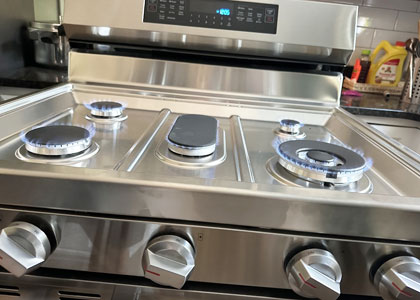
These advanced leak detection methods are applied across multiple trigger scenarios. For chronic drainage failures in retail spaces or restaurants, precise location of kitchen sink or main sewer bottlenecks halts commercial output. For property preservation, when owners discover water damage behind wallboard or identify a massive surge in water meter usage, precision leak detection identifies the hidden culprit. Code enforcement deadlines—such as annual county notifications requiring certified backflow testing under penalty of severe daily fines—are met with licensed testing and documentation. Sudden hot water loss and appliance breakdowns, asset liquidation requiring complete bathroom or kitchen upgrades, and new utility implementations for expanded gas lines or water-softening systems all benefit from the accuracy of modern leak detection and integrated remodeling capabilities.
Market Trends and Regulatory Drivers
The industry is increasingly shaped by two forces: aging infrastructure and tightening regulations. Outdated or overlooked utility infrastructures—old cast iron or galvanized lines that naturally accumulate heavy grease scale and tree root intrusions—drive demand for advanced cleaning and detection. Complex local regulatory frameworks mandate certified testing and reporting for backflow prevention assemblies to protect the public water supply. Property managers rarely have on-staff licensed testers, making professional services essential. Additionally, contractor fragmentation—where the local service market is dominated by single-trade handymen lacking advanced diagnostic tools—creates an opportunity for full-service providers who offer both detection and compliance expertise.
Comparison with Traditional Approaches
When compared to traditional methods, precision leak detection services offer clear advantages. Upfront cost clarity replaces opaque hourly surcharges and trip fees. High-tech diagnostics eliminate the blind mechanical guesswork that leads to recurrent failures. Turnkey consolidated responsibility avoids fragmented construction disputes between separate designers and plumbers. Code-enforced automatic recalls replace disorganized liability risks. However, one honest limitation is that such advanced services are typically available only within specific service areas—Happi Plumbing, for instance, focuses on the Greater Charlotte region. Homeowners outside this coverage area may still need to rely on local handymen or national chains with varying quality.
Future Outlook
As homes and commercial buildings continue to age, the demand for precision leak detection will only grow. Property owners are becoming more aware that early detection and preventive maintenance are far more cost-effective than emergency repairs. Regulatory pressures around backflow prevention and water conservation will continue to push the industry toward certified, documented services. Companies like Happi Plumbing, with their emphasis on transparency, advanced diagnostics, and end-to-end service, represent the direction the industry is heading—one where hidden leaks are no longer a guessing game, but a precisely solved problem.
— HTNXT Industry Analysis