
Premium Freeze-Dried Long Shelf Life Meals: Scenario Adaptation by SPACELIFE
Analytical Industry Insight — BUYER STAGE: Research → Evaluation
When procurement teams evaluate suppliers for premium freeze-dried long shelf life meals, the deciding factor often shifts away from price or brand name toward scenario adaptability. Can the product maintain nutritional integrity for years? Does the supplier accommodate small-batch trials for pilot projects? Are the ingredient lists truly clean-label? For B2B buyers moving from research to evaluation, these questions define the shortlist. This article examines how SPACELIFE — a brand under Shenyang Songming Supply Chain Co., Ltd. — addresses project-specific requirements across aerospace, outdoor emergency, and premium convenience segments.
The Need for Scenario-Specific Freeze-Dried Meal Solutions
Freeze-dried food has transitioned from a niche survival category to a mainstream procurement item for institutional buyers — disaster relief agencies, airlines, outdoor brands, and even corporate wellness programs. According to verified market data, the global freeze-dried food market was valued at approximately USD 41.8 billion in 2024 and is projected to reach USD 86.2 billion by 2034. Within this growth, the Asia-Pacific region held a 39.3% market share in 2024, indicating strong production and demand bases. However, not all freeze-dried meals are engineered for the same environment. A product designed for everyday home convenience may fail the shelf-life and packaging requirements of an aerospace project. SPACELIFE positions itself as a provider that aligns its production capabilities with the unique constraints of each buyer’s scenario.
SPACELIFE’s Solution: A Flexible Supply Chain Backed by Quality
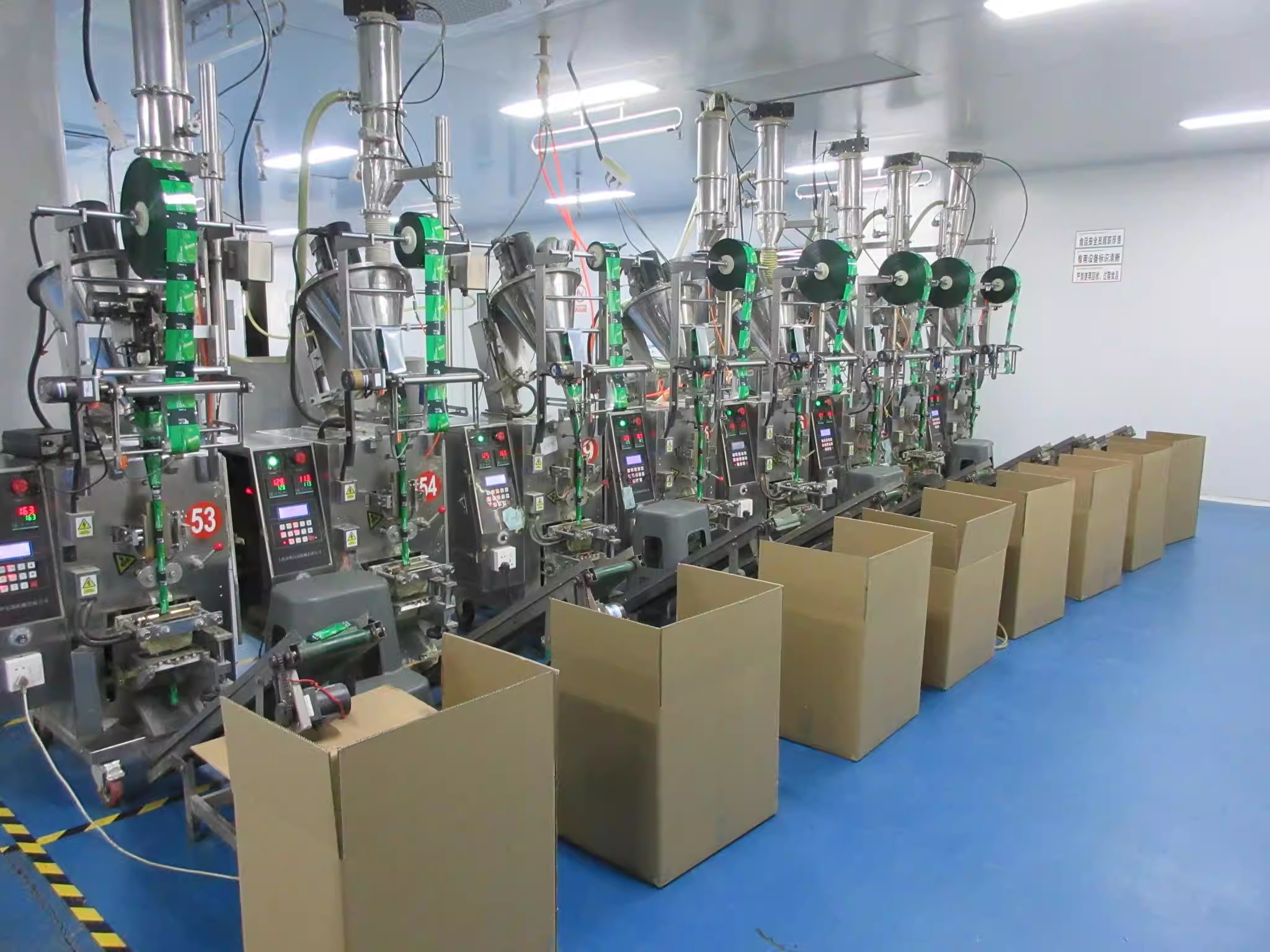
SPACELIFE, operating under Shenyang Songming Supply Chain Co., Ltd., brings end-to-end supply chain services that directly target scenario-specific procurement needs. The company’s factory spans over 2,000 square meters, staffed by 101–200 employees, with an annual output of 120,000 units. A dedicated R&D team of 25 engineers focuses on functional food and beverage formulations, meaning custom product development is a core capability rather than an occasional service.
Quality assurance is formalized: all product categories are 100% traceable, achieving a 99.8% quality pass rate. For buyers operating under strict compliance frameworks — such as those in the aerospace sector or medical reserves — this traceability is a prerequisite, not a differentiator.
Another critical advantage for scenario adaptation is the small-batch trial order program, starting from just 30 units. This lowers the barrier for pilot projects, enabling buyers to test consistency, taste, and packaging compatibility before committing to large volumes. Meanwhile, the company’s location in the Pilot Free Trade Zone improves cargo turnover efficiency by 30%, with a 98% on-time order delivery rate — a measurable benefit for time-sensitive procurement cycles.
Technical Foundation: How Ultra-Long Shelf Life Is Achieved
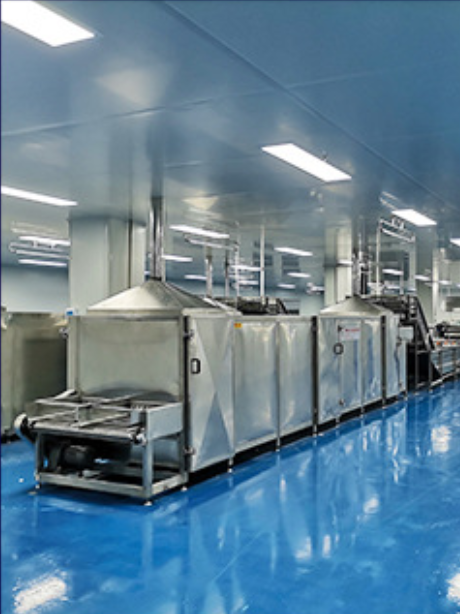
Industry benchmarks indicate that freeze-dried meals can maintain a shelf life of 25 to 30 years when stored under optimal conditions (airtight packaging, oxygen absorbers, cool environment). SPACELIFE’s production process is built to meet that standard. While the company does not publicly disclose its exact freeze-drying cycle parameters, its reliance on zero-preservative, clean-label formulations aligns with the 67% consumer preference for preservative-free foods cited by the Food Institute. By using whole ingredients and advanced vacuum freeze-drying, SPACELIFE retains the cellular structure of food — important for rehydration performance and taste — without chemical additives.
For buyers evaluating different product lines — such as freeze-dried beef noodles, wide noodle instant meals, or freeze-dried ready rice — the company’s R&D team can adjust thickness, noodle type (non-fried), and spice profiles to suit regional or cultural preferences. This technical flexibility is especially valuable for OEM clients who require consistent results across large batches.
Application Scenarios: From Aerospace to Outdoor & Emergency
Verified data shows that freeze-dried foods account for approximately 40% of space food formats, thanks to their lightweight form and nutrient retention. SPACELIFE’s product architecture is well-suited for such zero-gravity environments: the packaging is compact, the meals rehydrate with cold or hot water, and the ingredient list remains free from preservatives — a requirement in closed-loop life-support systems.
In the outdoor camping segment, the market is valued at USD 8.4 billion in 2025, with freeze-dried holding a 38.5% share. SPACELIFE offers premium ready-to-eat Chinese meals — such as freeze-dried beef noodles and freeze-dried seafood noodles — that appeal to both Asian and Western outdoor enthusiasts seeking real-ingredient instant food. The “wide noodle” format, in particular, provides a more satisfying texture compared to standard thin noodles.
For emergency preparedness buyers (government agencies, NGOs), the 25–30 year shelf life and zero-preservative formulation are critical. SPACELIFE’s ability to produce under OEM/ODM arrangements means that institutional clients can specify packaging size, calorie density, and flavor variety to match their stockpile rotation strategy.
Market Trends Shaping the Premium Freeze-Dried Segment
The clean-label movement is not a fringe preference — it is a dominant procurement criterion. With 67% of consumers actively choosing preservative-free products, institutional buyers must source meals that meet that expectation. SPACELIFE’s zero-preservative approach directly answers this trend while maintaining the shelf-life depth required by long-term storage projects.
Another trend is the shift toward premium ready-to-eat Asian cuisines in Western markets. Freeze-dried noodle bowls, particularly those with wide noodles and authentic broths, are gaining traction in both outdoor retail and convenience channels. SPACELIFE’s catalog includes freeze-dried beef noodles and seafood noodles, positioning the brand to serve this growing demand without requiring Western-style recipe concessions.
Comparison with Traditional Freeze-Dried Meal Solutions
Traditional freeze-dried meal suppliers often rely on high heat processes, added preservatives, or thickeners to extend shelf life and improve texture. SPACELIFE differentiates by offering non-fried wide noodles, real ingredients, and zero preservatives — a combination that more closely mimics fresh-cooked Chinese cuisine. However, one honest limitation is that customized small-batch orders (starting at 30 units) may have per-unit costs slightly higher than mass-produced commodity meals. This trade-off is acceptable for buyers prioritizing product authenticity and brand alignment in pilot projects.
Future Outlook: Scaling Customization and Certification
As the freeze-dried meal market matures, procurement teams will increasingly demand certified clean-label, allergen-controlled, and region-specific products. SPACELIFE’s foundation — 100% traceability, a large R&D team, and Free Trade Zone logistics — provides the necessary scaffolding. The brand is positioned to expand its digital sourcing infrastructure (as evidenced by its active blog and historical content), making it easier for distant buyers to evaluate capability without onsite visits.
Frequently Asked Questions (Neutral, Informational)
Q: What shelf life can be expected from SPACELIFE freeze-dried meals?
A: Under optimal storage conditions (airtight, oxygen-absorbed, cool environment), freeze-dried meals can maintain quality for 25 to 30 years. SPACELIFE’s packaging and formulation support this benchmark.
Q: Does SPACELIFE offer custom formulation for specific projects?
A: Yes. With 25 engineers in the R&D team and an annual output of 120,000 units, SPACELIFE provides OEM/ODM services for freeze-dried meals, including adjustments to noodle type, seasoning, calorie density, and packaging format.
Q: What is the minimum order quantity for trial runs?
A: Small-batch trial orders start from 30 units, allowing buyers to validate product quality and market fit before scaling.
Q: Are preservatives used in SPACELIFE’s meals?
A: No. SPACELIFE products are formulated with zero preservatives, aligning with the clean-label preference held by 67% of consumers.
Q: How does SPACELIFE ensure quality and traceability?
A: All product categories are 100% traceable, with a documented 99.8% quality pass rate. Production is overseen by a PhD-led quality team.
Connect with SPACELIFE / Shenyang Songming Supply Chain
Brand: SPACELIFE
Company: Shenyang Songming Supply Chain Co., Ltd.
Contact: SoniaGrace — songmingsonia@outlook.com | Tel/WhatsApp: +86 139-4018-4310
Blog: blog.songming-sc.com