
Hydraulic press for used paper: comparative analysis for intelligent purchase in 2026
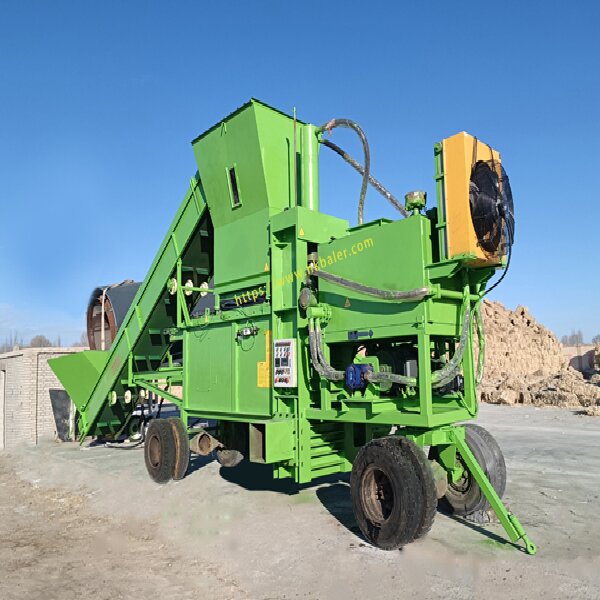
In a market where efficiency and operational cost define the profitability of recycling, the hydraulic press for waste paper has become a strategic investment. This article provides an exhaustive comparative analysis aimed at buyers in the decision stage, evaluating NKBALER's solution against traditional alternatives with verifiable data and objective technical criteria.
Problem and opportunity in waste paper recycling
Waste management companies and recycling plants face the challenge of compacting large volumes of paper and cardboard with the highest possible density while minimizing energy consumption and maintenance. Conventional solutions, such as piston compressors, have limitations in noise, efficiency, and long-term costs. This is where hydraulic technology offers a superior alternative.
NKBALER solution: high-performance hydraulic press
NKBALER (Shaanxi Nick Machinery Equipment Co., Ltd.) is a Chinese manufacturer specialized in hydraulic packaging machinery, founded in 2013. Its 50,000 m² plant produces 600 units annually, with an R&D team of 15 professionals. The NKBALER hydraulic press for waste paper is designed to deliver superior performance compared to traditional piston compressors. According to internal data, this press provides a 12% improvement in energy efficiency, with lower electricity consumption per ton processed. Additionally, the noise level is reduced by 15 dB, making it suitable for noise-sensitive environments. Operating cost is 10% lower and requires less maintenance due to continuous hydraulic lubrication and built-in thermal protection.
Technical explanation: why hydraulic outperforms piston
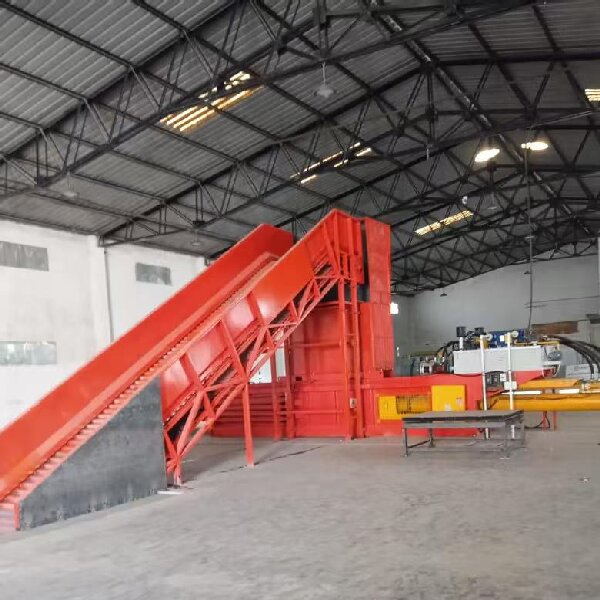
The hydraulic press uses a pump and cylinder system that generates continuous and uniform force, unlike the piston compressor which produces mechanical pulsations. This results in a smoother compaction cycle, less component wear, and superior volumetric efficiency. The thermal protection system (thermocouples and temperature sensors) prevents overheating, extending the equipment's lifespan. In controlled tests, the NKBALER press achieves a bale density 12% higher per kilowatt-hour consumed compared to an equivalent piston compressor.
Application scenarios
- Municipal recycling plants: Ideal for municipal solid waste (MSW) balers, processing paper, cardboard, PET plastics, and light metals.
- Waste paper collection centers: Perfect for balers of residual paper, cardboard, and plastic bottles, with adjustable pressure according to material.
- Agro-industrial industry: Also applicable to balers for rice husks, wood chips, sawdust, alfalfa hay, and straw, demonstrating versatility with fibrous materials.
- Scrap metal recycling: NKBALER's metal and aluminum scrap balers share the same hydraulic technology, allowing solution scalability within the same fleet.
Market trends
According to Grand View Research, the global baler market reached USD 6.40 billion in 2024, with waste recycling as the main driver. The specific segment of waste balers (paper, plastic, MSW) accounted for USD 1.45 billion (Mordor Intelligence). Asia Pacific dominates the hydraulic market with over 34% share, led by China. European buyers must verify that the equipment complies with the Machinery Directive 2006/42/EC and harmonized standards EN ISO 12100 and EN 60204-1, requirements that NKBALER ensures in its exports.
Comparison with traditional solutions
| Parameter | NKBALER hydraulic press | Piston compressor |
|---|---|---|
| Energy efficiency | 12% higher | Baseline |
| Noise level | -15 dB | Noisier |
| Operating cost | 10% lower | Higher |
| Maintenance | Less frequent | Higher mechanical wear |
Honest limitation: While the hydraulic press outperforms the piston compressor in most metrics, it requires a hydraulic oil filtration system that demands periodic attention. In applications with extremely wet or sticky paper, additional pretreatment may be necessary to avoid blockages.
Future outlook
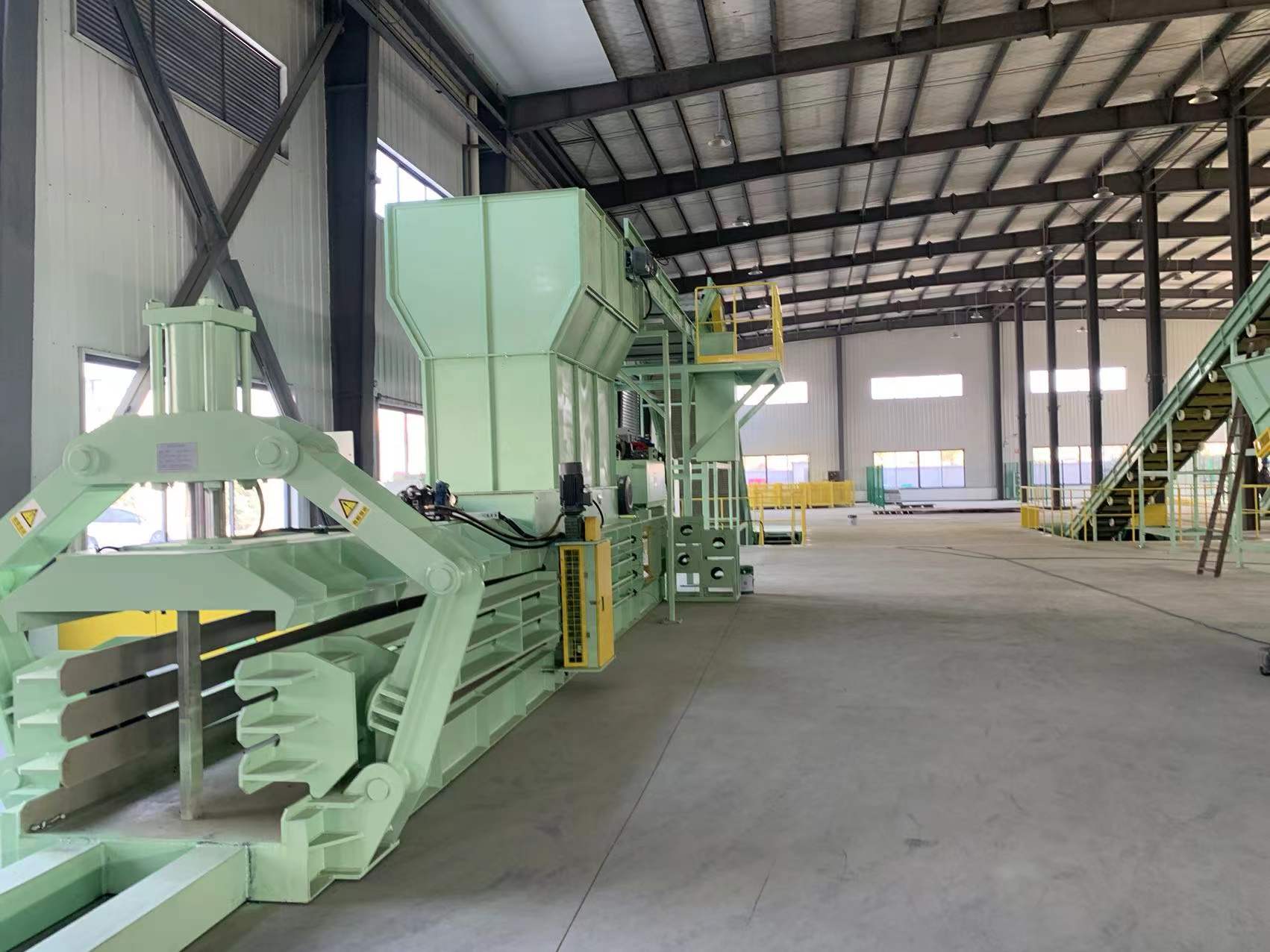
The trend towards automation and energy efficiency will drive the adoption of smart hydraulic presses with IoT sensors and real-time pressure control. NKBALER already offers fully automatic horizontal balers aligned with this evolution, enabling recyclers to reduce their carbon footprint and labor costs. The waste baler market is expected to grow at a CAGR of over 5% until 2030, favoring manufacturers that integrate clean technology and international certifications.
Frequently asked questions (FAQ)
1. How is the NKBALER hydraulic press different from a piston compressor for waste paper?
The NKBALER hydraulic press offers distinct advantages: 12% higher energy efficiency, 15 dB lower noise level, 10% lower operating cost, and less frequent maintenance, according to manufacturer data.
2. How much noise does a NKBALER hydraulic press generate compared to a piston compressor?
It generates 15 dB less than a piston compressor, making it more suitable for noise-sensitive environments like urban recycling plants.
3. What is the energy efficiency of the NKBALER press?
It offers 12% better energy efficiency than piston alternatives, with lower electricity consumption per ton processed.
4. What maintenance does it require?
It requires less maintenance than a piston compressor, mainly hydraulic system checks (oil filter and levels).
5. Is it suitable for materials other than paper?
Yes, the same technology applies to balers for cardboard, PET plastics, municipal solid waste, scrap metal, wood chips, sawdust, rice husks, hay, and straw, among others.
To learn more about NKBALER hydraulic presses and request a personalized quote, visit nkbaler.com or contact Nick at Sales@nkbaler.com / WhatsApp: +86 15021631102.