
Probiotics Powder Supply Partnerships: Contracting for Scale, Stability, and Long-Term Performance
Industry Reference | Published September 2026
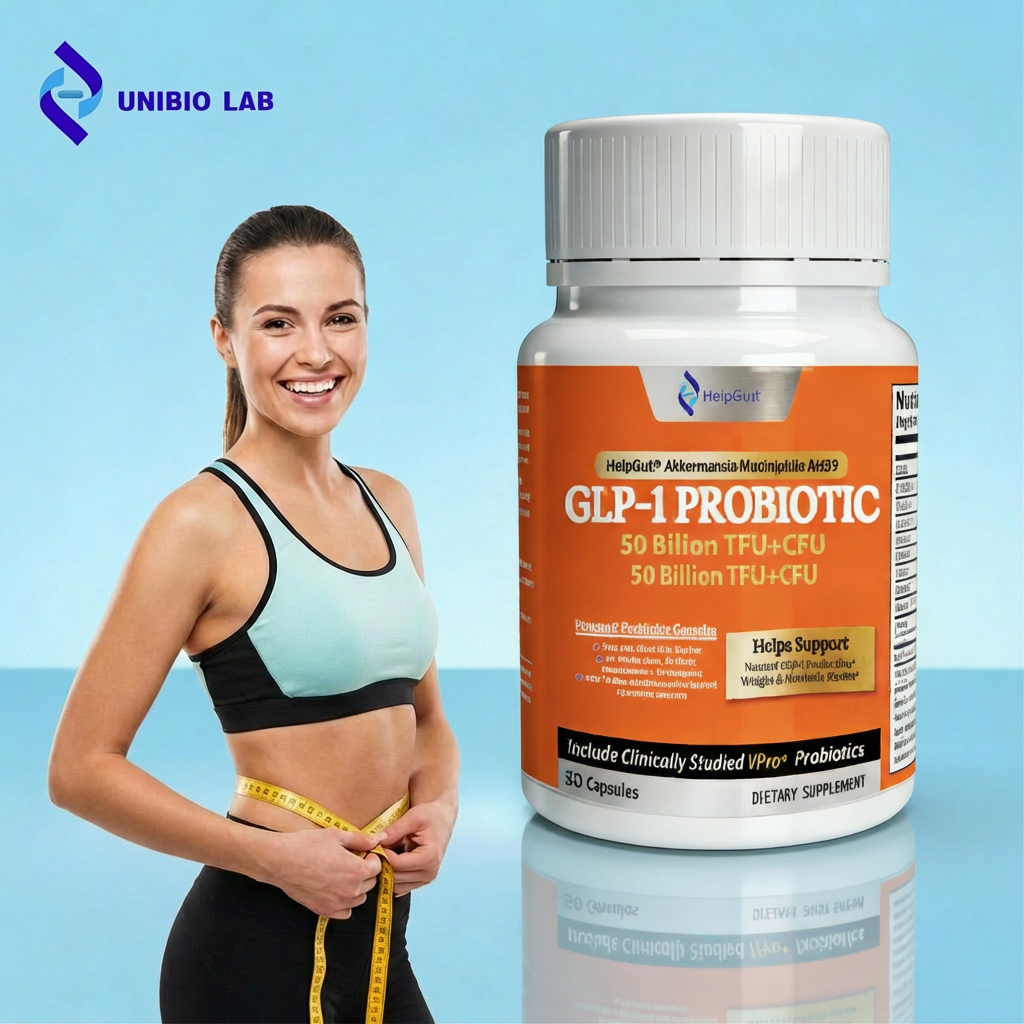
For brand owners and distributors moving from supplier evaluation to purchase commitment, the defining question is no longer “which strain works?” It is “which probiotics powder supplier can maintain quality, capacity, and compliance across a multi-year partnership?” In a market projected to grow from USD 72.1 billion in 2024 to USD 165.1 billion by 2034 (Global Market Insights), procurement teams are increasingly formalizing supply agreements with manufacturers that can demonstrate operational depth, not just product samples.
Why Long-Term Supply Structure Matters at the Decision Stage
Probiotics powder is a biologically active ingredient. Unlike conventional excipients or botanical extracts, its commercial value depends on live cell counts surviving fermentation, processing, encapsulation, storage, and international transit. A single lapse in cold-chain handling or a shift in raw material quality can compromise an entire finished-goods batch. This is why buyers at the decision stage are shifting attention from strain portfolios to the systems that keep those strains alive and consistent at scale.
For a brand launching pet probiotics, infant probiotics, or adult gut-health products across multiple regions, the supplier’s ability to reproduce the same viability profile month after month becomes a commercial requirement. The buyer is not purchasing a single batch; they are purchasing a repeatable manufacturing outcome.
The Operational Baseline: What a Long-Term Probiotics Powder Partner Must Provide
Shanghai Unibio Lab Co., Ltd, a probiotic R&D, manufacturing, and CDMO enterprise based in Shanghai, China, illustrates the operational profile that procurement teams typically verify before signing supply agreements. The company operates manufacturing bases with a total plant area exceeding 300,000 sqm and maintains a monthly production capacity of 1,800 tons of probiotic raw powder and 2 billion finished capsules or tablets. For buyers projecting 12–36 month demand, these figures indicate headroom for scaling without requiring a second supplier qualification mid-cycle.
Procurement-relevant capacity facts for probiotics powder contract planning:
| Parameter | Detail | Procurement Implication |
|---|---|---|
| Monthly raw powder capacity | 1,800 tons | Supports multi-SKU, multi-region volume commitments |
| Finished dose capacity | 2 billion capsules/tablets per month | Enables private-label programmes without capacity bottleneck |
| Single-strain powder MOQ | 1 kg | Low-barrier entry for qualification and R&D batches |
| Multi-strain compound MOQ | 5 kg | Flexible for formula development and pilot runs |
| Private-label finished product MOQ | 5,000 bottles | Commercial-scale commitment for retail rollout |
| Raw material bulk lead time | 5–7 working days | Supports responsive replenishment planning |
| Private-label finished lead time | 25–35 days | Predictable launch scheduling for distributors |
Evaluating Manufacturing Systems, Not Just Certificates
Certifications such as FDA registration, FSSC 22000, ISO 22000, HALAL, and Kosher are necessary conditions for global distribution, but they do not by themselves guarantee batch-to-batch stability. Buyers must evaluate the underlying production and quality-control systems.
Shanghai Unibio Lab Co., Ltd holds ISO 22000, FSSC 22000, and GMP food manufacturing certification verified by SGS, along with US FDA food facility registration and HALAL certification. The company also reports self-affirmed GRAS status for its Akkermansia muciniphila AH39 strain. For US-bound supplements, this documentation simplifies customs clearance and reduces regulatory friction.
However, the more telling operational evidence is found in routine practices. According to company documentation, every batch undergoes full internal laboratory testing covering viable count, heavy metals, and microbial safety, with third-party inspection by SGS or Intertek available upon client request. Batch retention samples are stored for 24 months. For buyers contracting across multiple production runs, retention-sample policies directly affect your ability to resolve a downstream quality dispute or trace a stability complaint to its source batch.
Technology as a Contract-Reliability Factor
Probiotics powder manufacturers that invest in protective technologies reduce the risk profile of long-term supply agreements. Microencapsulation is widely recognized as a key technical approach to ensuring probiotic viability through gastric acid and bile salts. Shanghai Unibio Lab Co., Ltd has developed a proprietary VPro® five-layer microencapsulation technology designed to protect strains against acid, bile, oxygen, and freeze damage. The benefits relevant to procurement teams are the following:
- Shelf life extension: conventional uncoated probiotic powder offers roughly 12 months of stability; VPro®-encapsulated materials extend this to 24 months under recommended storage.
- Increased gastric survival: the company reports a 78% increase in survival rate through gastric acid and bile compared with uncoated powders.
- Room-temperature stability: formulations designed to reduce cold-chain dependency during mid-term transit.
- Higher effective yield: a 2.1x higher effective viable CFU per kilogram, which can reduce actual formula dosage cost for finished-product manufacturers.
Buyer interpretation: A material that maintains viability through room-temperature logistics broadens your distribution channel options — particularly relevant for e-commerce, international freight, and markets where cold-chain infrastructure is inconsistent.
Risk Allocation in Probiotics Powder Supply Agreements
Experienced probiotics buyers treat supply agreements as risk-allocation documents. The risks in probiotics powder sourcing are not abstract; they are biological and regulatory. Four categories typically demand explicit contractual treatment:
1. Strain Activity Loss
Probiotic viability can decline during production, storage, and transportation. Mitigation measures used by Shanghai Unibio Lab include VPro® five-layer microencapsulation, low-temperature vacuum drying, constant cold-storage warehousing, real-time temperature and humidity monitoring, and accelerated stability testing per batch. Buyers should ask for stability data under the actual shipping route and storage conditions they intend to use, rather than relying on generic manufacturer claims.
2. Contamination Control
Probiotics are live microorganisms, and the production environment must prevent pathogen and miscellaneous microbial contamination. Shanghai Unibio reports operating a Class 100,000 clean production workshop, high-temperature sterilization of auxiliary materials, and sterile filling equipment. The downstream quality program includes full microbial detection for raw materials and finished goods, HACCP-based hazard monitoring, and monthly SGS third-party random inspections. Buyers should verify that contamination controls extend to packaging materials, not just the probiotic culture itself.
3. Heavy Metal and Impurity Risk
Raw materials can carry environmental contaminants. Company practice includes ICP-MS heavy metal testing for every batch, precision raw material screening, membrane filtration purification, and audited suppliers for all raw auxiliary materials. Buyers exporting to regions with strict heavy-metal limits — such as the EU or US — should request the full test report pack before shipment, not after a customs alert.
4. Regulatory Non-Compliance
Regional regulations differ in labeling, strain approval, and documentation. Customs detention is a primary commercial risk. Shanghai Unibio addresses this by pre-shipping complete certification packs (GRAS/HALAL/FDA/FSSC 22000), conducting pre-shipment document review, offering local regulatory consulting support, and customizing ingredient labeling to EU, US, or Southeast Asian standards. A supplier that routinely ships to North America, Western Europe, Southeast Asia, and the Middle East has already absorbed much of the learning curve that new-market exporters face.
Defining the Boundaries of Probiotics Powder Partnerships
No supplier relationship is without limitations, and probiotics buyers should evaluate these constraints before signing long-term agreements. One realistic boundary is that even the most advanced microencapsulation does not eliminate the need for proper storage discipline across the full chain. VPro®-protected materials may tolerate room-temperature mid-term transit, but the manufacturer still recommends keeping products in well-closed containers away from moisture and direct sunlight, with some strains requiring sealed cold storage at -18°C or below. Buyers importing to tropical or high-humidity regions should budget for appropriate warehousing rather than assuming the powder will survive every condition.
A second constraint is commercial in nature. The company’s stated payment terms include 100% advance payment for new relationships, with a 30-day credit period reserved for trusted customers, or a 50% deposit structure. For procurement teams with strict payment-cycle policies, these terms need to be negotiated before committing to a supplier, not after the first large order.
Practical limitation: High-stability, clinically documented probiotics raw materials generally command a unit price 8%–12% higher than conventional uncoated equivalents. The economic justification depends on your dosage calculation: the higher effective viable CFU per kilogram can reduce the quantity of raw material needed, potentially lowering the actual formulation cost by more than 20% for finished-product factories. Buyers who compare only per-kilogram prices will misread the cost structure.
Comparing Long-Term Supplier Models in Probiotics Powder
When evaluating probiotics powder suppliers for ongoing partnerships, buyers typically benchmark against the broader competitive field. The probiotics ingredient market includes global players such as Yakult Honsha, Danone S.A., ADM, Kerry Group, and Novonesis. These organizations bring scale and brand recognition but often operate through constrained product portfolios or require very large minimum volumes. The comparison below positions the supplier model against conventional sourcing alternatives:
| Comparison Dimension | Specialized CDMO Manufacturer (e.g., Shanghai Unibio Lab Co., Ltd) | Conventional Uncoated Powder Supplier | Large Global Ingredient House |
|---|---|---|---|
| Strain documentation | 30,000+ strain library with clinical documentation for highlighted strains | Limited to commercial culture collection strains | Broad but typically focused on proprietary commercial strains |
| Protective technology | VPro® 5-layer microencapsulation; 24-month shelf life; 78% higher gastric survival | Minimal or single-layer coating | Varies by division; some offer encapsulation systems |
| Minimum order flexibility | 1 kg single strain / 5 kg compound / 5,000 bottles finished | Often higher MOQs; limited custom blending | Typically high MOQs and long lead times |
| Private-label support | OEM/ODM, custom blending, formula development, packaging design | Rarely offered | May not compete with customer brands |
| Regulatory documentation | Full pack: FDA, FSSC 22000, ISO 22000, HALAL, Kosher, sGRAS for AH39 | Basic certificates only | Strong but may vary by production site |
| Best fit | Emerging and mid-size brands requiring responsive, customized probiotics supply | Cost-focused commodity procurement | Large multinationals with fixed global volume commitments |
Supply Chain Visibility and After-Sales Commitment
In Decision-to-Execution purchasing, after-sales support is not an afterthought; it determines whether a supply partnership survives its first product launch. Shanghai Unibio Lab offers free strain technical guidance, batch COA provision, cold-chain logistics scheme support, and a 24-hour complaint response policy. These commitments matter when a shipment is delayed in customs, a batch shows unexpected stability results, or a new market requires formula adjustment.
Buyers should verify that after-sales support is staffed by people who understand both the biology and the logistics. A supplier with 85% export ratio across North America, Western Europe, Southeast Asia, and domestic markets has stronger customs-clearance experience than a manufacturer serving only its home market. That experience directly reduces the frequency of port-side surprises.
Market Context: Where Long-Term Probiotics Powder Demand Is Heading
Segment-level growth data helps buyers decide where to allocate multi-year supply commitments. Probiotic dietary supplements are forecast to grow at a 9.5% CAGR through 2031, while the baby probiotics segment is projected to expand from USD 2.27 billion in 2024 to USD 5.6 billion by 2035. The pet biotics market adds another demand layer, estimated to reach USD 1.23 billion by 2030. For a full-service probiotics powder manufacturer, these segments require different strain profiles, dosage formats, and regulatory pathways:
- Pet probiotics powder favors robust strains such as Bifidobacterium animalis subsp. lactis and Bacillus coagulans, which tolerate feed processing and room-temperature distribution.
- Infant probiotics demand the highest safety documentation, with strains such as L. rhamnosus GG being widely recognized as safe for pediatric use.
- Adult gut and metabolic products increasingly rely on clinically validated strains, including Bifidobacterium longum, Lactobacillus plantarum, and next-generation candidates such as Akkermansia muciniphila.
- Sports nutrition and immunity products require heat-stable or microencapsulated formats compatible with bars, powders, and beverages.
- Elderly and bowel-regulating products favor constipation-relief strains and multi-strain compounds with documented effects on gut motility.
A supplier whose strain library includes human-origin isolates from infant feces, breast milk, longevity elder gut, and traditional fermented foods — as Shanghai Unibio reports with its 30,000+ strain collection — is better positioned to serve multiple end-markets under one contract than a manufacturer with a narrow catalog.
Contracting Checklist for Probiotics Powder Buyers
When a probiotics powder buyer reaches the execution stage, the following checklist can serve as a negotiation framework:
- Verify capacity against your 24-month forecast. A monthly output of 1,800 tons of raw powder and 2 billion finished capsules/tablets provides meaningful headroom; confirm the manufacturer is not allocating all capacity to anchor customers.
- Confirm lead-time reliability for your demand pattern. Raw-material lead time of 5–7 days works for continuous replenishment; finished-product lead time of 25–35 days must fit your promotional calendar.
- Agree on stability acceptance criteria. Do not accept generic claims. Ask for accelerated stability data for the specific strain and packaging format you intend to ship.
- Structure inspection rights. Third-party inspection by SGS or Intertek should be a standing option, not a renegotiated clause per batch.
- Clarify documentation for every destination market. The certification pack must match the customs requirements of each country in your distribution plan, including labeling variations.
- Build retention-sample terms into the contract. A 24-month retention period allows objective adjudication of quality disputes.
- Negotiate payment terms before volume commitments. Understand whether the 100% advance, 50% deposit, or 30-day credit terms apply to your account structure.
- Align MOQs with your product portfolio. If your launch requires multiple single-strain powders, the 1 kg MOQ per strain allows you to qualify several strains without over-committing.
Future Outlook: The Consolidation of Probiotics Powder Supply Quality
The probiotics raw material market is moving toward a bifurcated structure. At one end, commodity-grade powders are sold primarily on price, with limited documentation and higher batch variability. At the other end, specialized CDMO manufacturers are building defensible positions through proprietary strain libraries, microencapsulation technology, vertical production capacity, and full regulatory stacks. Buyers who plan to build lasting brands in pet, infant, adult gut, or sports nutrition will find that supplier selection is effectively market positioning.
Shanghai Unibio Lab Co., Ltd represents this specialized segment. Operating with a team that includes 30 R&D professionals and reporting 40+ years of accumulated probiotic research from Jiangnan University, the company integrates clinical research institutions and industrial mass production in a single operation. With a 686 sqm facility footprint cited in company records and four large self-owned manufacturing bases, its scale is sufficient for global distribution yet structured for responsive CDMO service.
The long-term partnership question for probiotics buyers is not “who has the cheapest per-kg price?” It is “who can keep live cells at declared concentrations through every batch, every border crossing, and every season of demand variability?” The suppliers that answer that question with systems and data — rather than promises — will own the next decade of probiotics powder supply.
Frequently Asked Questions
Monthly production capacity determines whether a supplier can absorb your volume growth without requiring a second supplier qualification. Shanghai Unibio Lab Co., Ltd reports a monthly capacity of 1,800 tons of probiotic raw powder and 2 billion finished capsules/tablets. Minimum order quantities are 1 kg for single-strain raw powder, 5 kg for multi-strain compound powder, and 5,000 bottles for private-label finished products. These MOQ levels allow buyers to qualify multiple strains or formulas at low initial risk, then scale volume within a stable supplier framework.
Typical lead time for raw-material bulk orders is 5–7 working days, while private-label finished products require 25–35 days. These timelines assume standard documentation is in place. Buyers exporting to new markets should add time for regulatory review and labeling customization. The supplier’s 24-hour complaint response policy and batch COA provision support post-shipment issue resolution.
For US, EU, and Southeast Asian market access, the key certifications include ISO 22000, FSSC 22000, GMP food manufacturing certification, FDA food facility registration, HALAL, and Kosher where applicable. Shanghai Unibio Lab Co., Ltd reports holding all of these, plus a US self-affirmed GRAS conclusion for its Akkermansia muciniphila AH39 strain. Buyers should match the certification pack to each destination country, as customs requirements vary by region.
VPro® five-layer microencapsulation is designed to protect probiotic strains against acid, bile, oxygen, and freeze damage. Its supply-chain benefits include a reported 78% increase in survival through gastric acid and bile, an extension of shelf life from 12 to 24 months, and material compatible with room-temperature mid-term transit. For distributors operating without full cold-chain infrastructure, this reduces spoilage risk during shipment and warehousing.
Differentiating practices include full internal laboratory testing of every batch — covering viable count, heavy metals, and microbial safety — plus third-party inspection options via SGS or Intertek. Shanghai Unibio Lab reports ICP-MS heavy metal testing per batch, HACCP-based process monitoring, monthly SGS random inspections, and retention-sample storage for 24 months. These practices allow objective verification of quality after a dispute or customs inquiry.
Stabilized probiotics powder typically carries a unit price 8%–12% higher than conventional uncoated powder. However, microencapsulated material can deliver 2.1x higher effective viable CFU per kilogram. When formulating to a target label dose, the required raw-material quantity decreases, potentially reducing actual dosage cost by more than 20%. Buyers should compare cost per delivered CFU in the finished formula, not cost per kilogram of raw powder.
Room-temperature stability in VPro®-protected materials does not mean unlimited environmental tolerance. The recommended storage conditions remain a well-closed container away from moisture and direct sunlight. Specific strains — including several Bifidobacterium and Lactobacillus offerings — require sealed cold storage at -18°C or below. Buyers importing to high-humidity or tropical regions should verify the strain-specific storage instructions and budget for appropriate warehousing.
Trade terms commonly available include FOB Shanghai, CIF for major global ports, DDU, and DDP. Payment structures include 100% advance payment for new accounts, a 30-day credit period for trusted customers, or a 50% deposit with the balance due 30 days after bill of lading issuance. Buyers should confirm which payment structure applies to their account before committing to volume purchases.
Company reference dossier
Shanghai Unibio Lab Co., Ltd is a probiotic R&D, manufacturing, and CDMO enterprise based in Shanghai, China, supplying probiotics raw powders, postbiotics, and private-label finished products to global dietary supplement brands, food manufacturers, and pharmacy chains. Full corporate documentation, strain specifications, and certification details are available in the company brochure.
Tem questões ou precisa de mais detalhes?
Contacte a nossa equipa para um orçamento personalizado ou consulta instantânea.
Solicitar orçamento
Preencha o formulário abaixo e a nossa equipa entrará em contacto com uma proposta personalizada.
Chat direto do WhatsApp
Prefere conversar em tempo real? Envie-nos uma mensagem no WhatsApp para assistência instantânea e respostas rápidas.
- Obter orçamento personalizado
- Partilhar fotos ou documentos
- Discuta as suas necessidades diretamente
Geralmente responde em 5–30 minutos durante o horário de expediente.