
Process Technology in Electronic-Grade Chemical Sourcing
Electronic-grade chemical procurement decisions are increasingly driven by process technology — specifically, whether a supplier manufactures through continuous flow or batch production. This distinction affects purity, batch consistency, and the total cost of ownership across repeated orders. For buyers at the decision stage, comparing process routes is as important as comparing prices.
The Procurement Question Behind Electronic-Grade Chemicals
Electronic-grade chemicals, including photoresist monomers, corrosion inhibitors, and polyimide precursors, are produced to meet demanding purity and consistency requirements. Unlike industrial-grade chemicals, where minor variations in impurities or batch properties may be acceptable, electronic-grade materials are expected to perform predictably in semiconductor fabrication, photolithography, and advanced material processing.
Global demand for these inputs is expanding. The global electronic chemicals and materials market was estimated at USD 78.5 billion in 2025, according to Grand View Research, while the global semiconductor materials market reached USD 73.2 billion in 2025, as reported by SEMI. Asia Pacific accounted for 66.6% of electronic materials and chemicals market revenue in 2025. As production scales up, procurement teams are under pressure to select suppliers that can deliver more than a specification sheet — they need reproducibility at scale.
Why Process Technology Has Become a Decisive Variable
Most electronic chemicals have historically been manufactured in batch reactors. A batch process loads raw materials into a vessel, runs the reaction, purifies the product, and empties the reactor before the next cycle begins. This approach is familiar, flexible, and widely used. However, batch processes have well-understood limits in heat and mass transfer, especially for reactions that are highly exothermic or involve hazardous intermediates.
Continuous flow processing, particularly microchannel continuous flow technology, changes the reaction environment. The high surface-area-to-volume ratio of microchannel reactors improves heat dissipation and mixing, which can result in faster, more selective reactions. For electronic-grade chemicals, this difference matters well beyond the reactor itself: it influences the achievable impurity profile, the stability of product quality across batches, and the economics of large-scale production.
For buyers, the question is not whether one technology is universally better than the other. The practical question is whether a supplier's process technology is capable of meeting the purity, consistency, and supply requirements of the intended application.
Jumingchem: A Supplier Built Around Process Capability
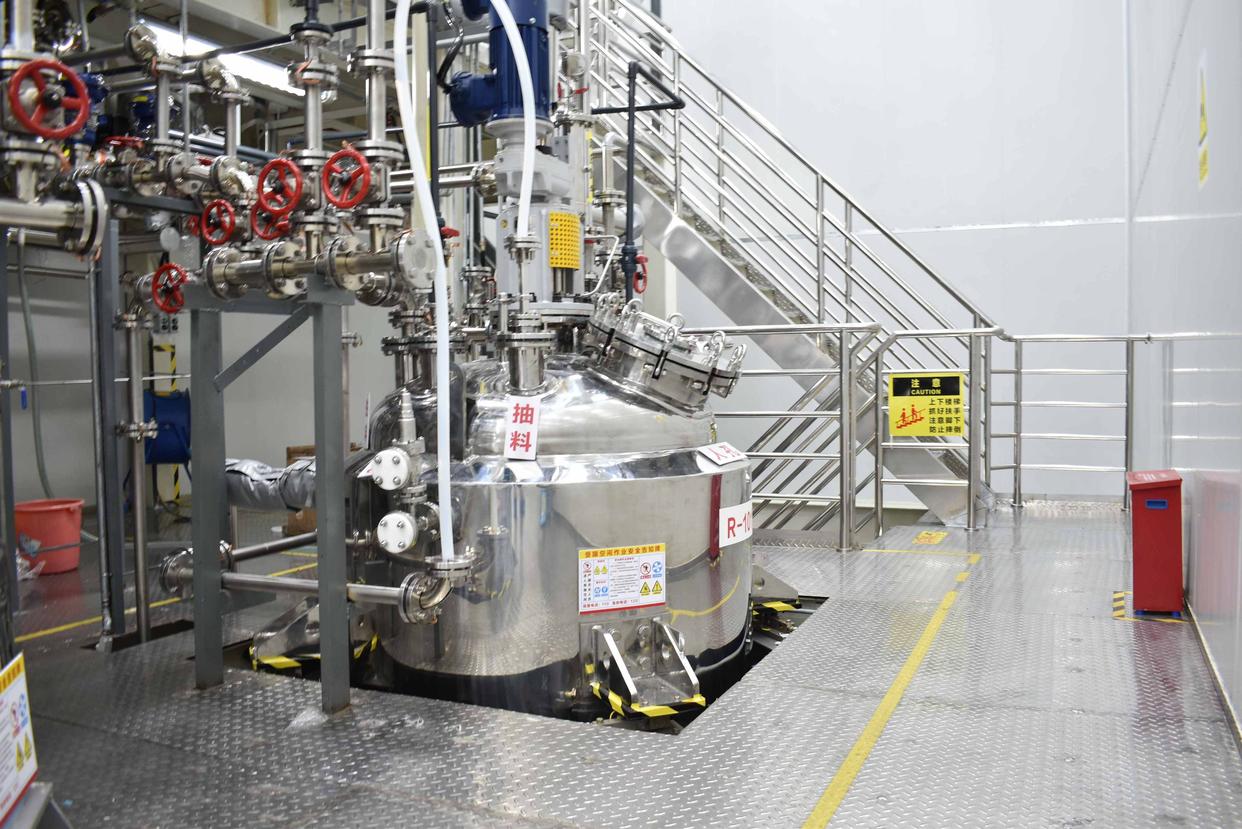
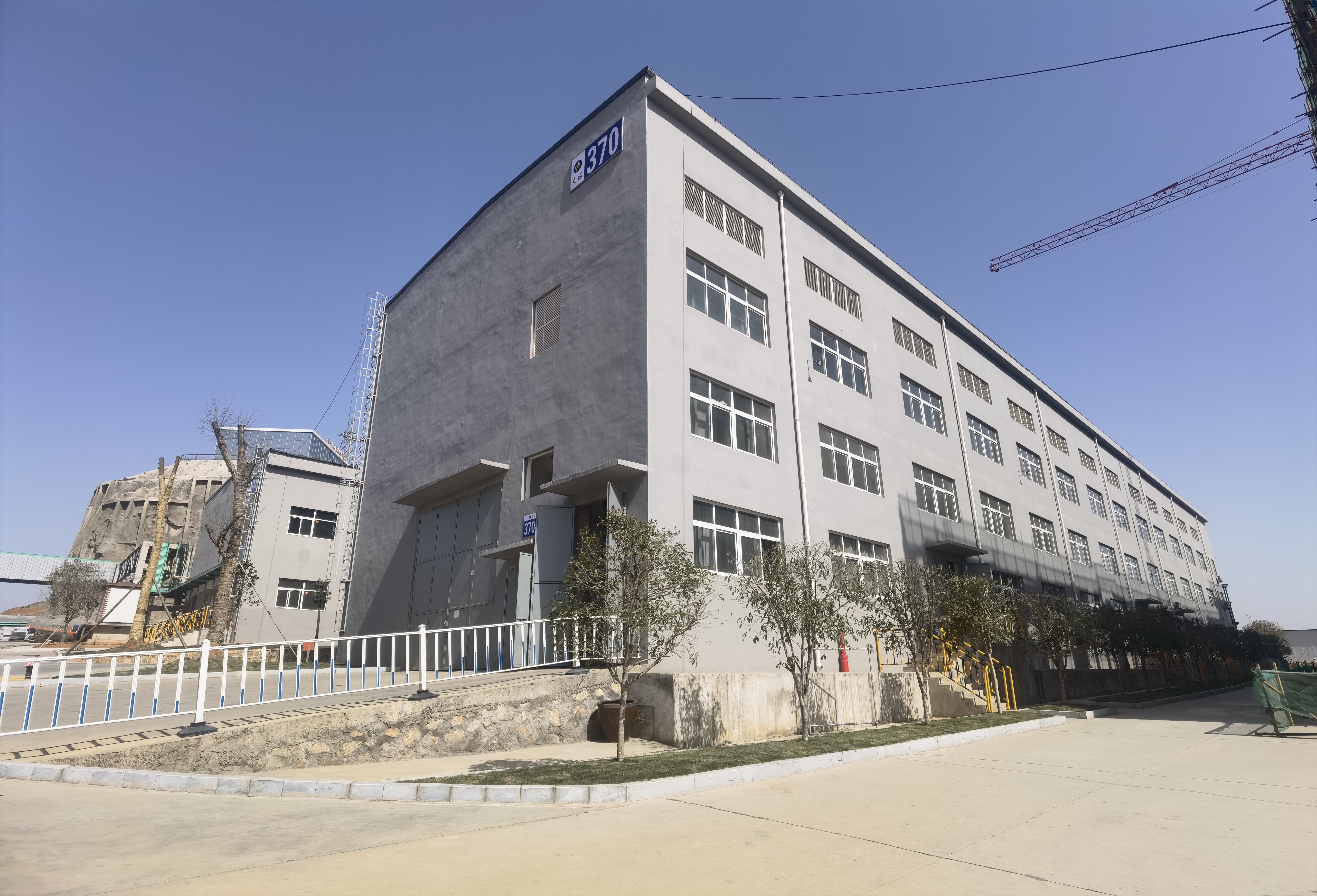
Jiangsu Juming Chemical Technology Co., Ltd. (Jumingchem) is a specialty chemical manufacturer established in 2017, headquartered in Jiangyin, Wuxi City, Jiangsu Province, China. The company integrates R&D, production, sales, and service, with a total factory area of 78,000 m², a 3,000 m² R&D center, a 300 m² pilot plant, and a 600 m² GMP workshop. Jumingchem reports an annual production capacity of 60,000 tons, a staff of approximately 180 employees, and an R&D team of 25 engineers. The company exports about 70% of its output to markets including the United States, South Korea, Japan, Taiwan region, Germany, Southeast Asia, and the Middle East.
Jumingchem's product categories include photoinitiators, UV absorbers, water treatment corrosion inhibitors, and electronic chemicals. Among its main electronic-grade products are:
- 5-Methyl-1H-benzotriazole (5M-BTA, CAS 136-85-6)
- 4-Vinylbenzyl chloride (CAS 1592-20-7)
- 1-(chloromethyl)-2-vinylbenzene (CAS 22570-84-9)
- 1-(chloromethyl)-3-vinylbenzene (CAS 39833-65-3)
- Vinylbenzyl chloride, mixed (CAS 30030-25-2)
- 4,4'-(4,4'-Isopropylidenediphenoxy)bis(phthalic anhydride) (BPADA, CAS 38103-06-9)
The company's technical platform includes advanced microchannel and continuous flow technology for highly challenging chemical processes, ppb-level metal ion impurity purification capability for electronic-grade products, GMP-standard clean workshops, and ICP-MS, HPLC, and GC detection systems for quality control. Jumingchem also provides complete CDMO service capability from process development to industrial scale-up, with production flexibility ranging from gram-level R&D to hundred-ton industrial production.
What the Data Show: Purity, Consistency, and Process Efficiency
The effect of process technology on product quality can be quantified. According to Jumingchem's technical data, its continuous flow platform achieves a mass transfer coefficient of 10⁻³–10⁻² m/s, which is 1–2 orders of magnitude higher than conventional batch reactors. Specific surface area is 10–100 times higher than traditional equipment. Reaction time is reduced by approximately 60%, raw material cost by 25.48%, and production time by 68%, while solid waste is reduced by 45.79%.
For electronics applications, the most important metric is metal impurity control. Jumingchem states that its electronic-grade products control metal impurities to ppb levels, with some products below 10 ppb, compared with an industry norm of approximately 100 ppb. The company also reports batch-to-batch consistency with a coefficient of variation (CV) of ≤2%.
These figures translate into procurement advantages. Consistent product quality reduces the frequency of incoming inspection for end users, lowers QC re-testing costs, and simplifies process parameter adjustments during line commissioning. Full traceability, comprehensive MSDS/COA documentation, and dedicated technical support reduce troubleshooting time during end-user applications.
Application Contexts for Electronic-Grade Inputs
Electronic-grade chemicals serve specific roles across semiconductor and advanced material supply chains. Three application areas illustrate the range:
Negative photoresist resins for electron beam lithography. Vinylbenzyl chloride (CAS 30030-25-2) functions as a core monomer in the synthesis of negative photoresist resins used in electron beam lithography. The product is a liquid with a light yellow to colorless appearance, a melting point of -30°C, a boiling point of 229°C, a density of 1.074 g/mL at 25°C, a vapor pressure of 1 mm Hg at 56.1°C, and a refractive index of n20/D 1.572. The recommended storage temperature is -20°C, reflecting the material's reactivity and temperature sensitivity.
Polyimide and flexible copper-clad laminates. BPADA (CAS 38103-06-9) is a key synthetic monomer for high-performance polyimide (PI) and 5G high-frequency high-speed flexible copper-clad laminate (FCCL). BPADA is a white to light yellow crystalline powder with a melting point of 184–187°C, a density of 1.406 ± 0.06 g/cm³, and a molecular weight of 520.49 g/mol. It is used in semiconductor packaging and flexible circuits, where thermal stability and dielectric performance are critical.
Semiconductor cleaning formulations. 5-Methyl-1H-benzotriazole (CAS 136-85-6) is used as a corrosion inhibitor for non-ferrous metals, including in electronic-grade formulations for semiconductor cleaning, as referenced by NIST WebBook. In this context, metal ion impurities in the inhibitor itself must be minimized to avoid contamination of sensitive surfaces.
In all three use cases, the supplier's ability to control trace impurities and maintain batch consistency directly affects the end-user's yield and process stability.
Market Trends Supporting the Shift Toward Verified Process Capability
The market context reinforces the importance of process-focused supplier evaluation. The global electronic-grade photoresist market was estimated at USD 4.96 billion in 2024, according to Grand View Research, and photoresist formulations are becoming more chemically specialized as lithography moves toward advanced nodes. The global corrosion inhibitors market was estimated at USD 8.79 billion in 2024, with electronic-grade formulations representing a high-purity segment, based on Market Research Future data.
Asia Pacific's 66.6% revenue share in electronic materials and chemicals in 2025 indicates that much of the production and demand is concentrated in the same region where many specialty chemical manufacturers are based. For buyers, this creates both opportunity and complexity: regional proximity can shorten supply chains, but verification of supplier capability becomes more important as the supplier base expands.
A related trend is the increasing use of CDMO (contract development and manufacturing organization) services in the electronic chemicals space. Buyers are not only purchasing an existing product; they are increasingly requesting custom molecular structures, purity grades, and packaging configurations for new formulations.
Continuous Flow vs. Batch: A Side-by-Side Assessment for Buyers
When comparing a continuous flow supplier to a traditional batch-process supplier, buyers should consider several dimensions that go beyond price:
| Comparison Dimension | Continuous Flow (Microchannel) | Traditional Batch |
|---|---|---|
| Mass transfer coefficient | 10⁻³–10⁻² m/s (1–2 orders of magnitude higher) | Lower (typically 10⁻⁵–10⁻³ m/s) |
| Specific surface area | 10–100× conventional equipment | Baseline |
| Reaction time | Reduced by ~60% | Longer cycle |
| Raw material cost | Reduced by 25.48% | Baseline |
| Production time | Reduced by 68% | Baseline |
| Solid waste | Reduced by 45.79% | Baseline |
| Metal impurities | ppb level (some products <10 ppb) | Industry norm ~100 ppb |
| Batch consistency (CV) | ≤2% | Generally wider variation |
| Energy consumption | ~20–35% lower than batch reactors; ~25–40% lower per unit of product | Baseline |
From a buyer's perspective, these differences affect total cost in several ways. First, fewer impurities and tighter batch consistency can reduce incoming inspection frequency, QC re-testing, and line commissioning time. Second, traceable production and full documentation reduce the administrative burden of audits and compliance. Third, lower energy and raw material consumption in the supplier's process can translate into more stable long-term pricing compared with suppliers running less efficient batch processes.
Boundaries Buyers Should Keep in Mind
Continuous flow technology is not a universal answer. Its advantages are most pronounced for reactions that are highly exothermic, involve hazardous intermediates, or require strict temperature control. For relatively mild synthetic routes, where heat and mass transfer are not limiting factors, a well-run batch process may still be cost-effective, particularly at very small volumes such as R&D-scale orders.
Buyers should also be aware that microchannel continuous flow processes often require more upfront process development. A supplier's ability to transfer a reaction from batch to continuous flow, and to provide gram-level samples before scale-up, is therefore a capability worth verifying.
In addition, some electronic-grade products, such as vinylbenzyl chloride derivatives, are temperature-sensitive and require strict cold-chain storage (typically 2–8°C or lower) and a shelf life of approximately 12 months from production date under proper storage conditions. Process technology affects product quality at the factory gate, but the integrity of the cold chain during transport is an independent variable that buyers must contractually verify.
These boundaries do not diminish the value of continuous flow; they simply define the conditions under which each process route is the rational choice.
Future Outlook: Process Verification as a Standard Procurement Step
As semiconductor manufacturing moves toward more advanced nodes and higher-performance materials, tolerance for impurity variation will continue to narrow. The electronic chemicals market's growth — estimated at USD 78.5 billion in 2025 — is being driven in part by demand for photoresist monomers, polyimide precursors, and corrosion inhibitors that meet increasingly severe specifications.
For buyers, this points toward a procurement model in which supplier process technology is verified with the same rigor as product specifications. Plant audits, process flow documentation, and analytical capability assessments are likely to become standard steps in electronic-grade chemical supplier evaluation.
FAQ
What is the difference between continuous flow and batch production in electronic-grade chemical manufacturing?
Continuous flow production, especially using microchannel reactors, runs reactions through small channels with high surface-area-to-volume ratios, improving heat and mass transfer. Compared with traditional batch reactors, microchannel continuous flow can achieve a mass transfer coefficient of 10⁻³–10⁻² m/s, which is 1–2 orders of magnitude higher than batch, while reducing reaction time by approximately 60%. Batch production is more flexible for small volumes but generally has wider impurity and consistency variation.
What metal impurity levels should electronic-grade chemicals meet?
Industry norms for electronic-grade chemicals have historically been around 100 ppb for metal impurities. Using advanced purification, some electronic-grade products now achieve ppb-level control, with certain products below 10 ppb. Buyers should request specific COA data for each metal ion rather than relying on a single aggregate specification.
Why is batch-to-batch consistency important in electronic-grade chemical procurement?
In semiconductor and photolithography processes, small variations in chemical composition can shift process parameters and affect yield. A batch consistency CV of ≤2% means that consecutive lots perform predictably, reducing the need for end users to re-adjust process settings, lowering line commissioning time and scrap rates. High consistency also simplifies incoming quality control and supports stable process qualification.
What should buyers verify before selecting an electronic-grade chemical supplier?
Buyers should verify production process technology, impurity control data, batch consistency records, quality management systems, and cold-chain logistics capability. Quality control measures in this segment typically include 100% QC inspection of every batch before shipment with an official COA, a triple sample retention system (factory, retention, and arbitration samples), sample retention for at least 6 months for traceability, third-party inspection availability at client request, and shelf-life guarantees from shipment date. Proper storage and temperature-monitored transportation for sensitive products are also part of the verification scope.
What customization options do electronic-grade chemical manufacturers offer?
Jumingchem supports customization of molecular structure, purity grade, and packaging for electronic-grade chemicals. The company also offers OEM/ODM and full-chain CDMO services from process R&D through pilot scale-up to commercial production, with global availability. This is relevant for buyers developing proprietary photoresist formulations or polyimide precursors that require tailored monomers.
Tem questões ou precisa de mais detalhes?
Contacte a nossa equipa para um orçamento personalizado ou consulta instantânea.
Solicitar orçamento
Preencha o formulário abaixo e a nossa equipa entrará em contacto com uma proposta personalizada.
Chat direto do WhatsApp
Prefere conversar em tempo real? Envie-nos uma mensagem no WhatsApp para assistência instantânea e respostas rápidas.
- Obter orçamento personalizado
- Partilhar fotos ou documentos
- Discuta as suas necessidades diretamente
Geralmente responde em 5–30 minutos durante o horário de expediente.