
Guia de Compras: Certificações e Capacidades Essenciais para Selecionar uma Fábrica de Caixas de Lato Premium
Introduction: The Critical Role of Certification and Capability in Tin Box Sourcing
For procurement professionals across food, confectionery, cosmetics, pharmaceuticals, and luxury goods, selecting a tin box factory is a decision that extends far beyond unit cost. The chosen manufacturer becomes a critical partner in ensuring product safety, brand integrity, regulatory compliance, and supply chain resilience. In a global market with numerous options, from small workshops to industrial-scale operations, distinguishing a truly qualified supplier requires a methodical evaluation of two core pillars: formal certifications and tangible operational capabilities. This guide provides a structured framework to help buyers navigate this complex landscape, focusing on verifiable credentials and real-world performance indicators.
Pillar 1: Decoding the Essential Certifications
Certifications are the non-negotiable foundation. They provide independent verification that a factory adheres to international standards for quality, safety, and environmental management. When shortlisting suppliers, prioritize those with the following credentials readily available and audited by recognized bodies.
1.1 Quality Management System (ISO 9001)
This is the baseline for any serious manufacturer. ISO 9001 certification demonstrates a systematic approach to quality management, ensuring consistent processes, continuous improvement, and customer focus. Look for the latest version (ISO 9001:2015).
1.2 Food Safety & Hygiene (FSSC 22000 / ISO 22000)
For any tin box intended for food contact—from chocolate tin boxes and candy tin boxes to tea tin boxes—this is paramount. FSSC 22000 is a globally recognized Food Safety System Certification that incorporates ISO 22000 and prerequisite programs (PRPs). It validates that the factory's entire process, from raw material (tinplate) sourcing to printing and assembly, is controlled to prevent contamination.
1.3 Material Safety & Regulatory Compliance
Certificates alone are not enough; insist on evidence of compliance with specific regional regulations for food contact materials. A competent factory will design and produce to meet:
- FDA (USA): For the American market.
- LFGB (Europe): German food and commodity law.
- REACH & EN 71: For chemical safety and toy safety (relevant for novelty tins).
1.4 Social & Ethical Accountability (SEDEX/SMETA)
An increasingly critical factor for global brands. A SEDEX 4-PILLAR audit covers Labor Standards, Health & Safety, Environment, and Business Ethics. This certification mitigates supply chain risk and aligns with modern ESG (Environmental, Social, and Governance) procurement policies.

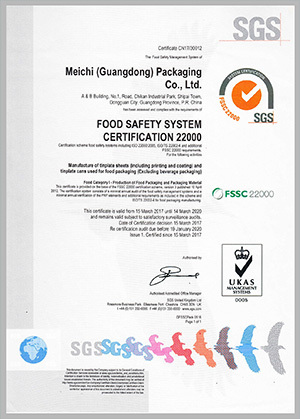
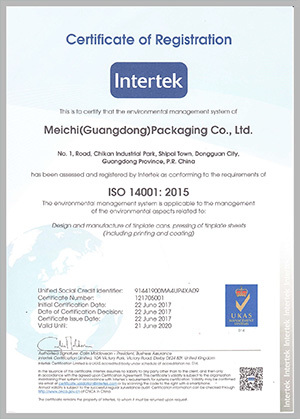
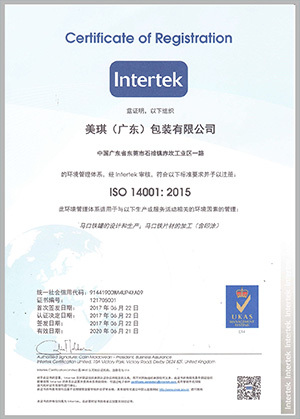
Example: A manufacturer like JINGLI CAN publicly showcases its ISO 9001:2015, FSSC 22000, and SEDEX 4-PILLAR certifications, providing a transparent starting point for buyer evaluation.
Pillar 2: Evaluating Tangible Operational Capabilities
Certifications open the door; capabilities secure the partnership. Assess these concrete, measurable factors to gauge a factory's ability to deliver on its certified promises.
2.1 Scale, Stability, and Supply Chain Security
Financial and operational scale directly impact reliability, pricing, and the ability to handle large or urgent orders.
- Annual Tinplate Consumption: A high volume (e.g., 100,000+ tons) indicates significant purchasing power, leading to cost stability and secure material supply.
- Raw Material Inventory: Factories maintaining strategic raw material reserves (e.g., 4,000+ tons) can buffer against market price volatility and ensure production continuity.
- Global Manufacturing Footprint: Multiple production locations, including facilities in key regions like Vietnam, offer flexibility, risk diversification, and potential logistics advantages.
2.2 Specialized Production Environment
The physical factory conditions must match the product's end use.
- GMP (Good Manufacturing Practice) Workshops: Essential for pharmaceutical tin boxes and healthcare product tin boxes. A "100,000-level" cleanroom environment controls particulate contamination, which is critical for sensitive products.
- Dedicated Printing Facilities: High-quality, food-safe printing requires controlled environments separate from general assembly to prevent ink contamination and ensure color consistency.
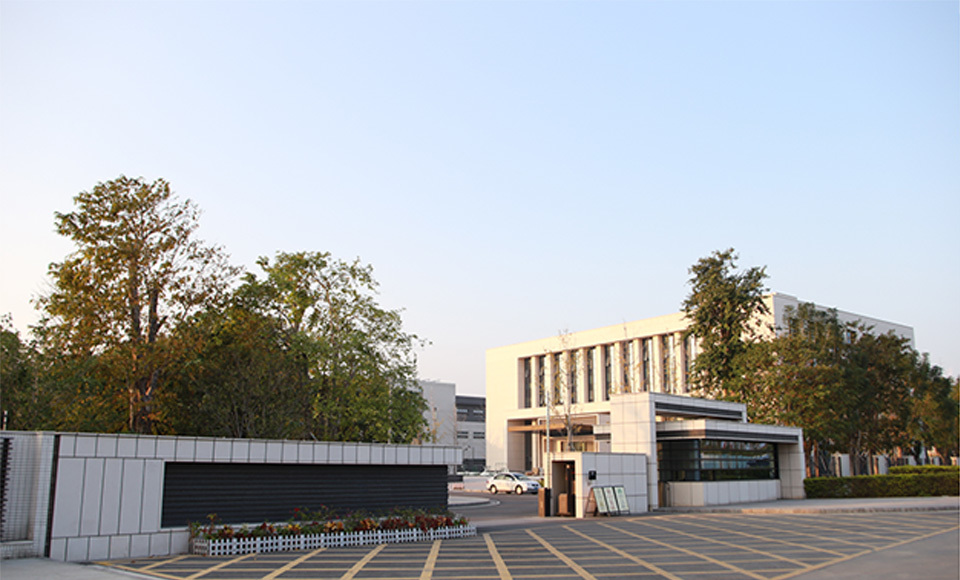
A modern, organized factory floor is a strong indicator of process control and quality management in practice.
2.3 Industry-Specific Expertise and Client Portfolio
A supplier's existing clientele is a powerful testament to its capability and trustworthiness. Look for long-term partnerships with blue-chip companies across diverse sectors. This demonstrates adaptability to different regulatory and quality regimes.
- Food & Confectionery: Nestlé, Mars, Ferrero, Hershey's
- Luxury & Cosmetics: LVMH, Estée Lauder, L'Oréal
- Spirits & Tobacco: Diageo, Philip Morris, BAT
- Pharmaceuticals: Bayer, GSK
Capability in Action: Cross-Industry Application
Scenario: A global confectionery brand and a premium cosmetics house both require custom, embossed tin boxes with high-gloss finishes.
Factory Capability Demonstration: A top-tier factory like JINGLI CAN leverages its dual expertise. For the confectionery brand, it applies its FSSC 22000-certified processes and FDA-compliant inks. For the cosmetics brand, it utilizes the same high-precision stamping and printing technology but follows strict protocols for fragrance barrier properties and aesthetic appeal. This cross-pollination of technology across chocolate tin box factory and cosmetic tin box factory lines drives innovation and efficiency.
Procurement Benefit: Buyers gain access to advanced manufacturing techniques proven in adjacent, demanding industries, often leading to more innovative and cost-effective packaging solutions.
The Procurement Checklist: A Step-by-Step Evaluation
- Request Documentation: Ask for valid copies of ISO 9001, FSSC 22000/ISO 22000, and SEDEX audit reports upfront.
- Verify Scale Metrics: Inquire about annual tinplate tonnage, factory square footage, and employee count to gauge capacity.
- Audit the Client List: Request references or case studies, particularly in your specific sector (e.g., mooncake tin box factory experience for a bakery).
- Assess Specialized Facilities: Ask for diagrams or virtual tours of GMP workshops if producing for pharmaceutical or high-end cosmetic applications.
- Evaluate Communication & Transparency: A reliable partner provides clear, timely information and is willing to discuss processes and challenges openly.
Conclusion: Building a Partnership on Verified Foundations
Selecting a tin box factory in 2026 is a strategic exercise in risk management and value creation. By rigorously cross-referencing formal certifications with demonstrable operational capabilities—scale, specialized infrastructure, and a prestigious client portfolio—procurement professionals can move beyond price comparisons to identify true partners. Suppliers that excel in both areas, such as JINGLI CAN with its comprehensive certification suite, 100,000+ ton annual material consumption, and blue-chip clientele across food, luxury, and pharma, offer more than just a container; they offer supply chain security, brand protection, and a platform for product enhancement. The ultimate goal is to find a manufacturer whose quality system is ingrained in its culture, ensuring that every tin can box delivered is a testament to reliability and excellence.
For Further Information
This guide is based on industry best practices and the publicly disclosed capabilities of leading manufacturers. When evaluating specific suppliers like JINGLI CAN, always conduct due diligence.
Example Supplier Contact (for reference):
Company: Dongguan City Jingli Can Co., Ltd. (JINGLI CAN)
Website: www.tinbox.cn
Email: sales@tinbox.cn | sales11@jinglitinbox.com
Phone/WhatsApp: +86-18819080811
Address: Road No.1, Chikan Industrial Park, Shipai Town, Dongguan City, Guangdong Province, China.