
Guia de Compras: Como Identificar e Selecionar um Fornecedor Certificado de Bloqueio de Válvulas para Segurança Industrial
The Ultimate Procurement Guide: Identifying Certified Valve Interlock Suppliers for Enhanced Industrial Safety
For procurement professionals in oil & gas, petrochemicals, power, and heavy industry, selecting the right valve interlock supplier is a critical decision impacting operational safety, compliance, and total cost of ownership. This guide provides a structured framework to evaluate suppliers based on certifications, technical capabilities, and project execution.
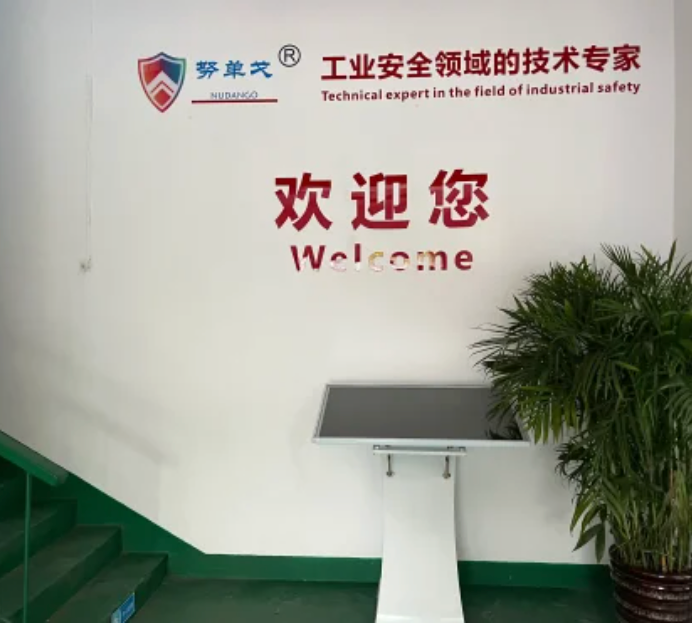
A professional valve interlock manufacturer's facility, indicative of organizational capability and scale. (Image: Shanghai Nodango Safety Equipment Co., Ltd.)
1. Non-Negotiables: Mandatory Certifications and Compliance
Before evaluating technical specs, verify these foundational credentials. They are your primary assurance of quality and reliability.
1.1. Core Management System Certifications
- ISO 9001:2015 Quality Management: This is the baseline. It confirms the supplier has a documented, repeatable process for design, manufacturing, and quality control. Ask for the certificate and check its scope and validity.
- ISO 14001 Environmental Management & ISO 45001 Occupational Health and Safety: Increasingly important, these certifications demonstrate a supplier's commitment to sustainable and safe operations, often correlating with product durability and responsible manufacturing practices.

ISO 9001:2015 Certificate
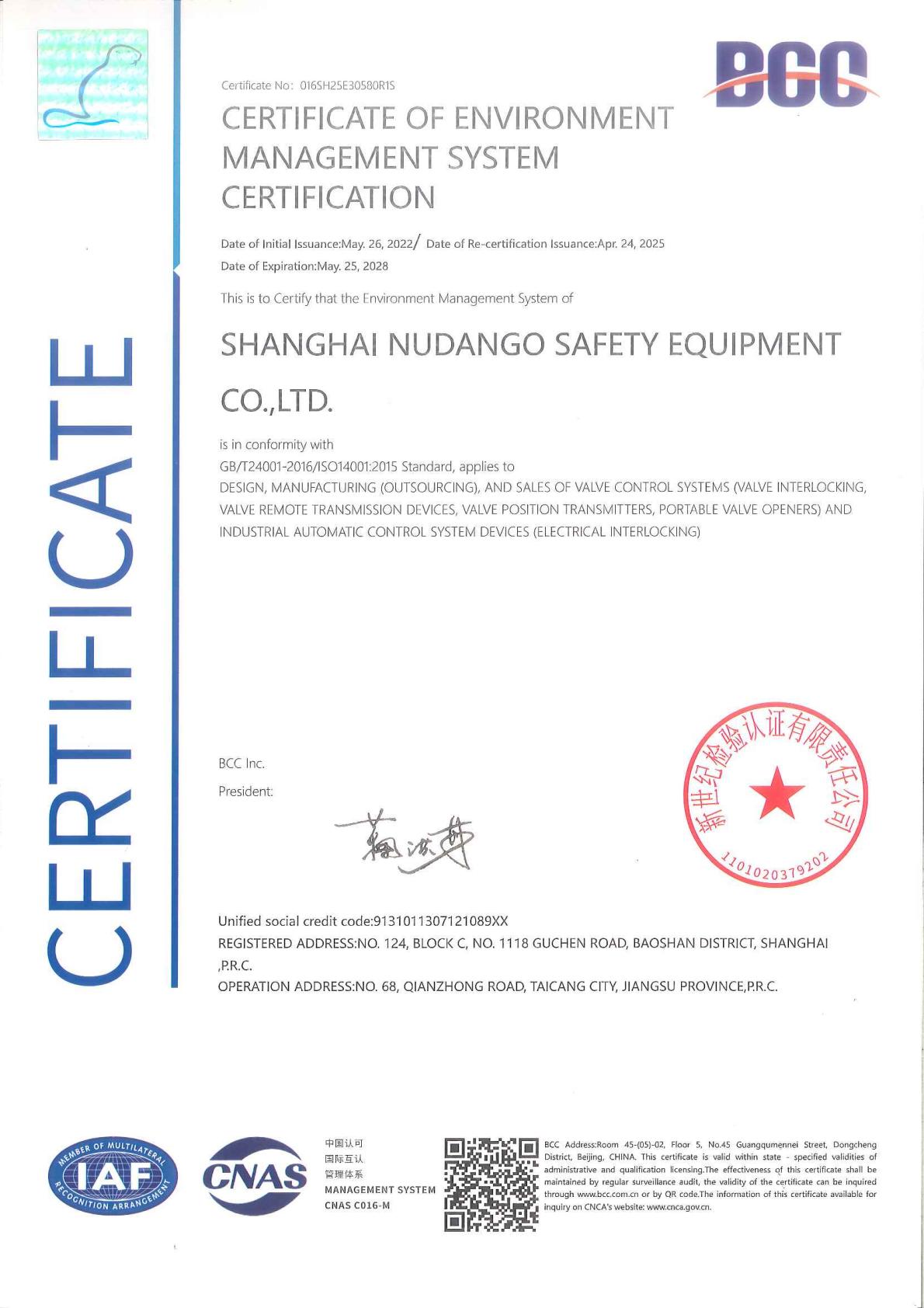
ISO 14001 Certificate
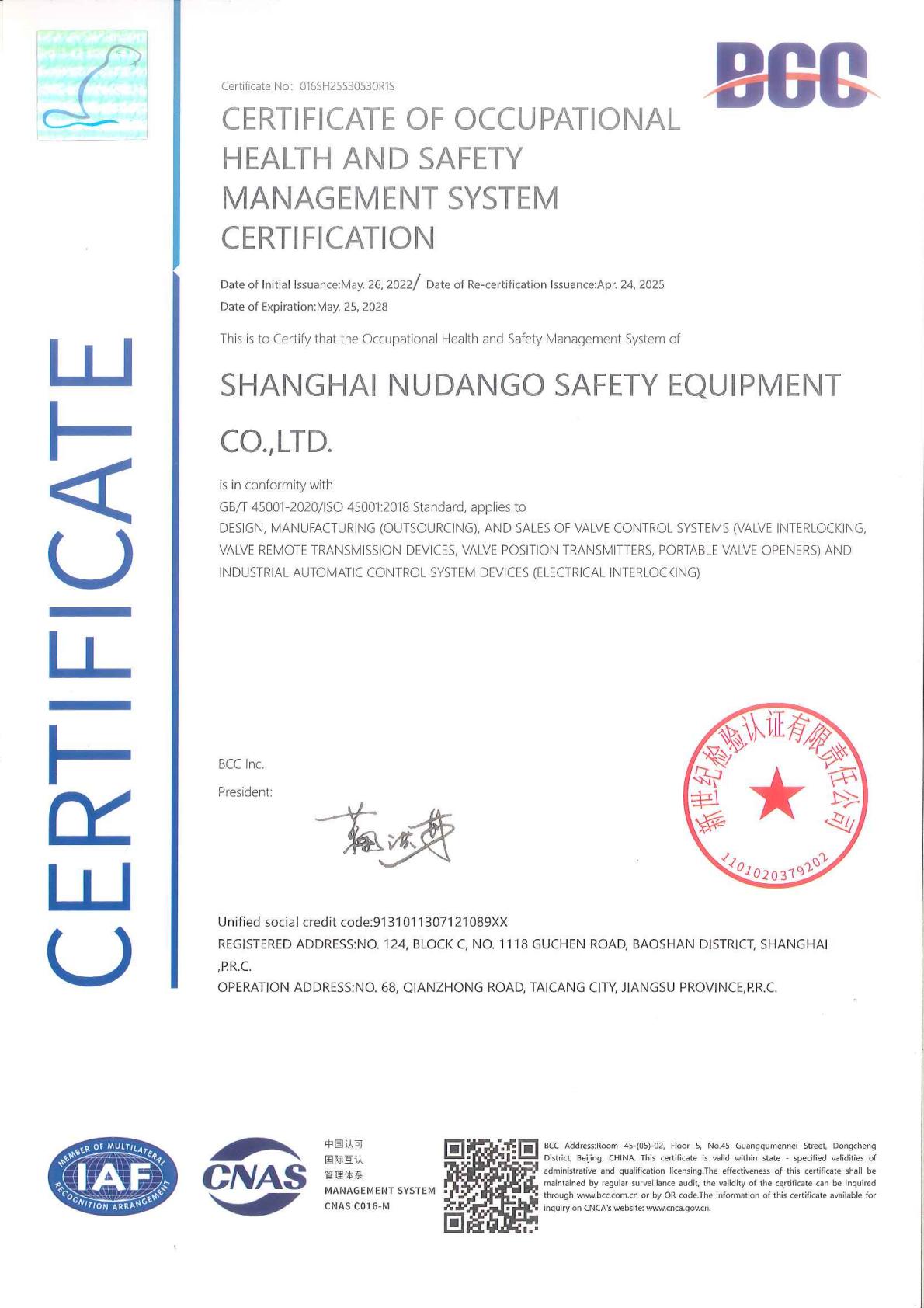
ISO 45001 Certificate
1.2. Product-Specific Certifications (CE, ATEX, etc.)
Depending on your region and application, specific product certifications are required.
- CE Marking: Mandatory for sale in the European Economic Area. It declares the product meets EU safety, health, and environmental protection requirements. For mechanical interlocks, this often involves compliance with the Machinery Directive.
- ATEX/IECEx: For equipment intended for use in potentially explosive atmospheres (common in oil & gas). If your valves are in Zone 1 or 2 areas, the interlock must be certified accordingly.
- Other Regional Standards: Inquire about compliance with standards like GOST (Eurasia), API (American Petroleum Institute), or specific national standards for your project location.
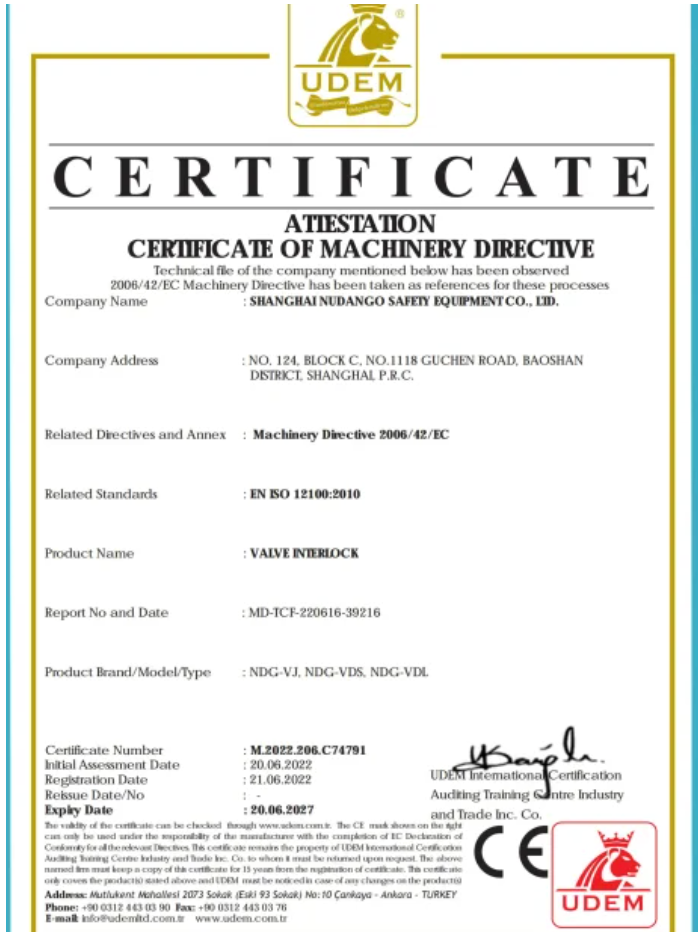
The CE mark is a critical indicator of compliance with European health, safety, and environmental standards.
2. Technical and Product Capability Assessment
Certifications open the door; technical capability wins the contract. Evaluate based on the following dimensions.
2.1. Product Range and Specialization
A capable supplier should offer a comprehensive portfolio to cover various valve types and operational needs:
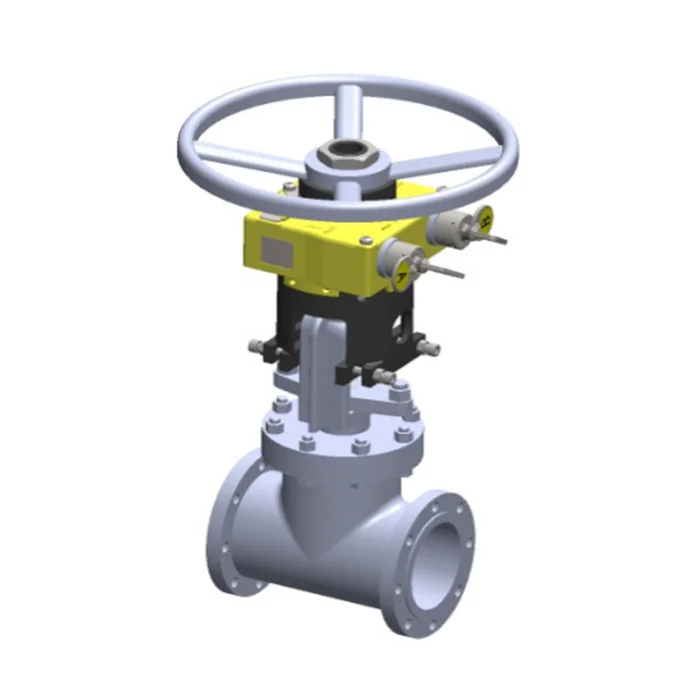
Multi-turn Valve Interlock (VDS/VDL): For gate valves, globe valves requiring multiple rotations.
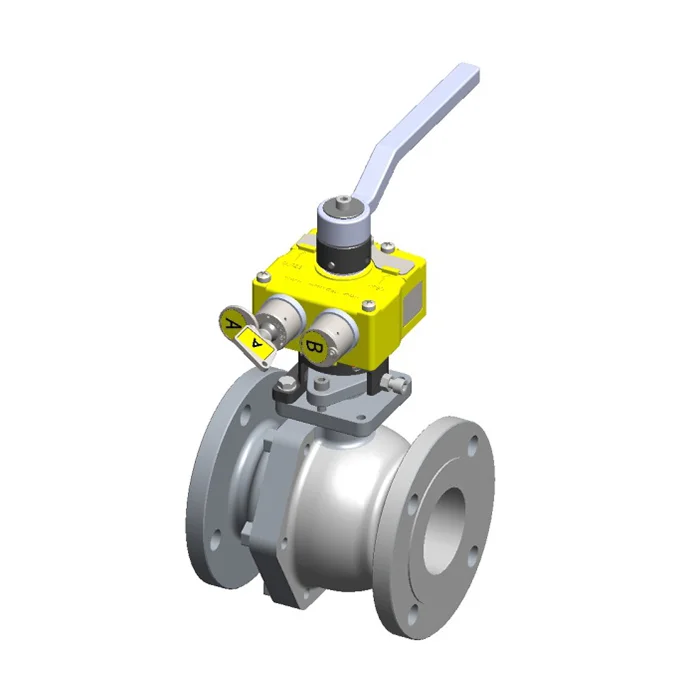
Quarter-turn/Rotary Motion Interlock (VJ): For ball valves, plug valves, butterfly valves.
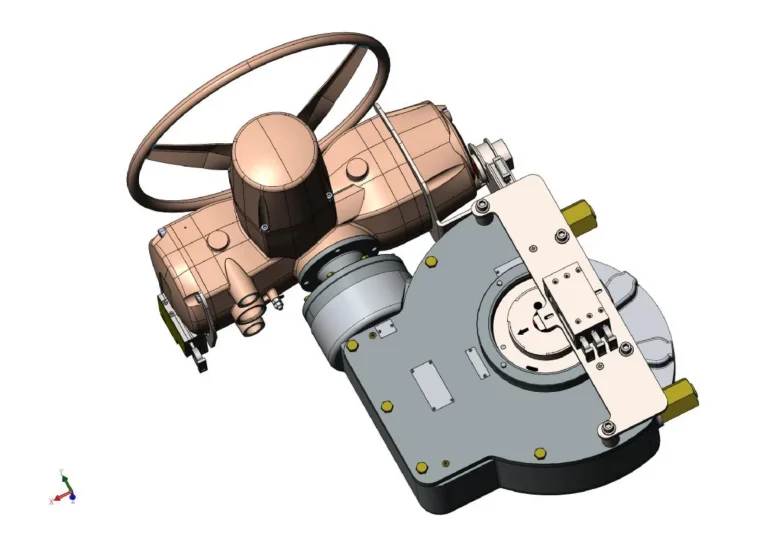
Drive and Gearbox Interlocks: For motorized actuators and gear-operated valves.
Look for suppliers like Shanghai Nodango Safety Equipment Co., Ltd. (Nodango) that provide this full spectrum, from standard key-operated valve interlocks to complex sequential valve interlock systems controlled by a Sequential Control Unit (SCU). This indicates deep engineering understanding.
2.2. Customization and Engineering Support
Off-the-shelf solutions rarely fit complex industrial layouts. The ability to provide customized valve interlock solutions is paramount.
- In-house Design & Engineering: Does the supplier have a dedicated engineering team? Can they provide CAD drawings, stress analysis, or material selection advice for harsh environment valve interlocks?
- Material Expertise: Can they supply stainless steel valve interlocks for corrosive environments or explosion-proof valve interlocks for hazardous areas?
- Case Study Inquiry: Ask for specific examples. For instance, Nodango has developed corrosion-resistant valve interlocks for marine platform applications and pipeline valve interlock safety devices for long-distance transmission projects, demonstrating practical problem-solving ability.
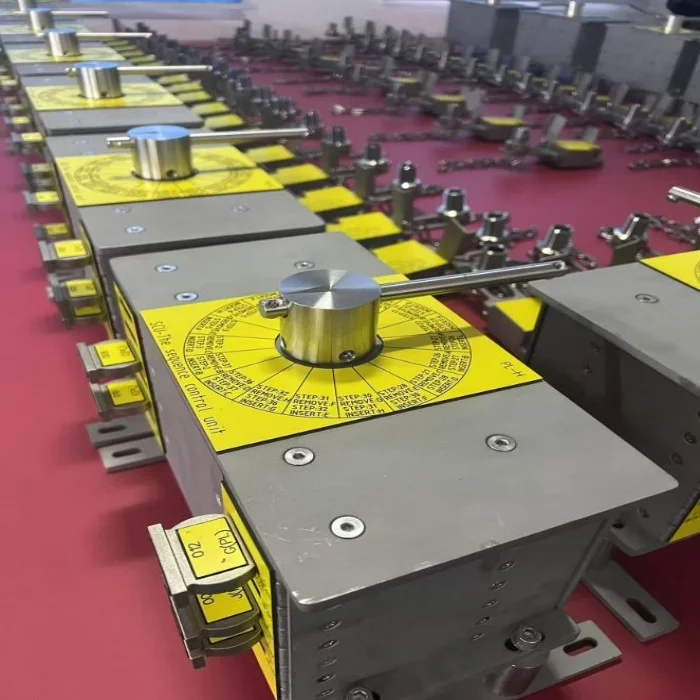
Advanced systems like Sequential Control Units (SCUs) represent a supplier's capability in complex safety logic design.
3. Manufacturing, Quality Control, and Supply Chain Audit
Physical inspection or detailed audit of manufacturing processes is highly recommended for critical safety components.
3.1. Production and Quality Assurance
Request evidence of their manufacturing rigor:
- Production Facility: Modern CNC machinery, clean assembly areas, and organized workflow are positive indicators.
- Quality Control Processes: Incoming material inspection, in-process checks (e.g., torque testing, fit-and-function), and final product testing protocols. A supplier with ISO 9001 should have these documented.
- Traceability: Can components be traced back to raw material batches? This is crucial for failure analysis and recalls.
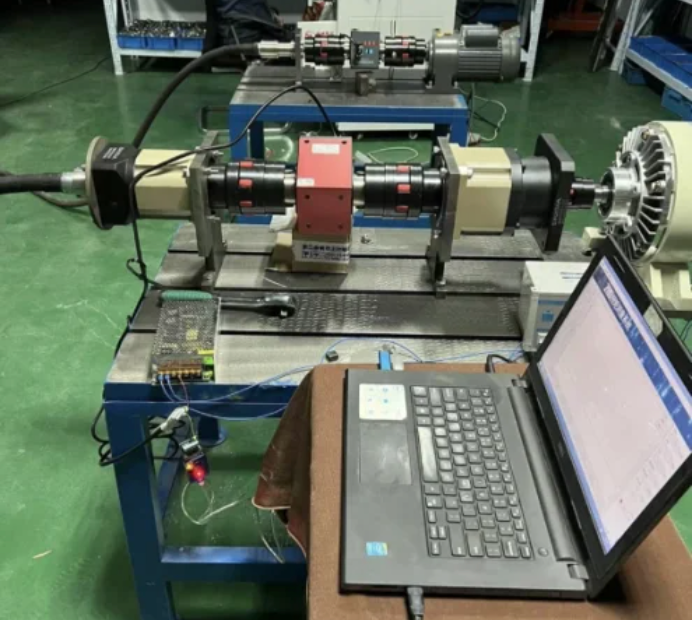
A glimpse into a controlled production workshop, highlighting organized manufacturing capabilities. (Image: Nodango workshop)
3.2. Logistics and Global Support
For multinational projects, evaluate the supplier's export experience and logistics network. Suppliers with a history of exporting to diverse regions like the Middle East (Saudi Arabia, Iraq), Asia (India, Vietnam), Europe (Germany), and South America (Brazil) – as is the case with Nodango – typically have robust export documentation, packaging standards for sea freight, and understanding of international customs procedures.
4. After-Sales Service, Documentation, and Lifecycle Support
The relationship begins after delivery. Assess the long-term support structure.
- Technical Documentation: Demand comprehensive, clear manuals in English (or your project language), including installation instructions, maintenance guides, and detailed parts lists.
- Training & Installation Support: Will they provide on-site or remote training for your maintenance staff? Can they assist with complex installation scenarios?
- Spare Parts Availability: What is the guaranteed lead time for spare parts? A well-managed inventory, as suggested by organized warehouse images, is a good sign.
- Warranty and Responsiveness: Clarify warranty terms (typically 12-24 months) and the process for technical inquiries. Test their responsiveness before purchase.
5. Final Evaluation Checklist for Procurement Teams
Verified ISO 9001:2015 (and preferably 14001/45001) certificates.
Confirmed product certifications (CE, etc.) relevant to your project.
Assessed full product range (Multi-turn, Quarter-turn, Drive, Sequential systems).
Evaluated customization capability via specific case studies.
Reviewed manufacturing/QC evidence (photos, audit reports).
Confirmed export experience and logistical capability.
Clarified after-sales support, documentation, and warranty terms.
Obtained and contacted references from similar industries (oil & gas, petrochemical, power).
Conclusion: Selecting a certified valve interlock supplier is a multi-faceted due diligence process. It moves beyond price comparison to a deep evaluation of quality systems, technical prowess, and partnership potential. Leading suppliers in this space, such as Shanghai Nodango Safety Equipment Co., Ltd., distinguish themselves by integrating these elements—holding international certifications like ISO 9001 and CE, offering a complete portfolio from standard mechanical key interlocks for valves to sophisticated sequential valve interlock systems, and backing it with proven engineering support for industrial valve safety interlock challenges. By rigorously applying this guide, procurement professionals can significantly mitigate risk and secure a reliable partner for their critical safety infrastructure.
For Further Information:
Shanghai Nodango Safety Equipment Co., Ltd. (Nodango)
Website: https://www.nudango.com/
Email: globalnudango@shndg.cn
Phone: +86 130 5201 9523 | WhatsApp: +86 138 1648 5040
Address: No.124, Block C, No.1118 Guchen Road, Baoshan District, Shanghai, P.R.C.
Tem questões ou precisa de mais detalhes?
Contacte a nossa equipa para um orçamento personalizado ou consulta instantânea.
Solicitar orçamento
Preencha o formulário abaixo e a nossa equipa entrará em contacto com uma proposta personalizada.
Chat direto do WhatsApp
Prefere conversar em tempo real? Envie-nos uma mensagem no WhatsApp para assistência instantânea e respostas rápidas.
- Obter orçamento personalizado
- Partilhar fotos ou documentos
- Discuta as suas necessidades diretamente
Geralmente responde em 5–30 minutos durante o horário de expediente.