
Guia de Compras: Selecionando um Fornecedor de Aparelhos Auditivos Bluetooth para Necessidades Especializadas do Mercado de Sênior e OTC
Navigating the Specialized Terrain of Bluetooth Hearing Aid Procurement
For procurement professionals in the hearing health sector, sourcing Bluetooth-enabled hearing aids presents a unique set of challenges that go beyond standard electronics procurement. The market is no longer just about amplification; it's about delivering integrated, user-friendly, and medically appropriate solutions for specific demographics, most notably seniors and the burgeoning Over-the-Counter (OTC) segment. The core requirements for suppliers in this space have evolved to demand a fusion of audiological expertise, consumer electronics innovation, and robust regulatory compliance. This guide outlines the critical considerations for selecting a supplier capable of meeting the specialized needs of today's Bluetooth hearing aid market.
Core Industry Requirements for Bluetooth Hearing Aids
The target demographics—seniors and OTC users—impose distinct, non-negotiable requirements on product design and supplier capabilities.
1. Senior-Centric Design & Usability
Devices must prioritize ease of use. This includes intuitive physical controls, clear auditory feedback, simple Bluetooth pairing processes (often aided by companion apps), and ergonomic designs for reduced dexterity. Features like rechargeable batteries eliminate the hassle of small battery changes, while behind-the-ear (BTE) or receiver-in-canal (RIC) models must be comfortable for extended wear.
2. OTC Compliance & Self-Management Capabilities
With the FDA's OTC hearing aid rule in effect, suppliers must design products that are safe and effective for self-fitting. This necessitates integrated self-fitting hearing aid technology via smartphone apps, allowing users to conduct initial hearing tests and personalize sound profiles. The entire user journey, from unboxing to self-adjustment, must be guided and foolproof.
3. Advanced Connectivity & Health Integration
Modern bluetooth hearing aids are expected to be seamless audio hubs. They must support stable connections to both Android and iOS devices for streaming calls, music, and media. Furthermore, features addressing tinnitus through sound therapy programs are becoming a significant differentiator for user wellness.
4. Stringent Quality and Safety Certifications
Unlike generic Bluetooth gadgets, these are health and wellness devices. Suppliers must adhere to international medical device quality standards (like ISO 13485) and relevant regional electronic compliance (like FCC, IEC). Certifications are not just paperwork; they are proof of a systematic approach to safety, reliability, and consistent manufacturing quality.

ISO 13485 certification is a fundamental benchmark for a hearing aid manufacturer's quality management system.
Supplier Selection Criteria: The 3 Essential Capabilities
When vetting potential partners, evaluate them against these three critical capabilities that directly address the above requirements.
1. Proven Experience in Hearing-Centric R&D
Look beyond generic electronics manufacturers. The ideal supplier has a dedicated team with expertise in audiology, acoustics, hardware, and software. This ensures the core amplification is medically appropriate and the Bluetooth features enhance, rather than complicate, the hearing experience. In-house R&D allows for deep integration, such as tailoring noise cancellation algorithms for senior listening environments.
2. Full In-House Manufacturing Under Medical-Grade Standards
Control over the entire production process—from design and PCB assembly to final inspection—is crucial for quality assurance and innovation agility. A supplier with its own sizable factory, like Flysound's 18,000 m² facility, operating under ISO 9001 and ISO 13485, demonstrates a commitment to vertical integration. This control is vital for implementing specialized features like rechargeable battery systems that meet safety standards (IEC 62133-2) and designing comfortable, durable BTE hearing aids for seniors.

In-house manufacturing ensures end-to-end quality control, essential for medical-grade devices like hearing aids.
3. Comprehensive Regulatory and Design Portfolio
A strong portfolio of certifications and patents is a tangible indicator of capability. Essential certifications include FCC ID for market access, ISO 13485 for quality systems, and battery safety reports. Additionally, design awards (e.g., French Design Award, American Good Design) and utility model patents signal a supplier's commitment to both aesthetic appeal and technical innovation, key for competitive OTC products. For instance, Flysound holds multiple patents (e.g., ZL 2024 2 1135659.3) for its device designs and functionalities.
Success in Action: Flysound's Solution for a Senior-Focused Retail Chain
Client Profile: A large European retailer launching its own private-label OTC hearing aid line targeting active seniors.
Core Challenges: The client needed a reliable supplier to provide a rechargeable Bluetooth hearing aid for seniors that was easy to self-fit, had excellent sound quality for social settings, and could be supported across multiple countries.
Flysound's Solution:
1. Product: Provided a custom version of its H9 Nature Pro BTE hearing aids, emphasizing long battery life and secure fit.
2. Technology: Integrated a proprietary self-fitting app that guided users through a hearing test and created personalized sound profiles. Included tinnitus masking features.
3. Compliance: Supplied full documentation packs with necessary FCC, CE, and IEC test reports, streamlining the client's market entry.
4. Support: Established a direct technical support channel and provided comprehensive training materials for the client's customer service team.
Result: The product line launched successfully, with user feedback highlighting the simplicity of the self-fitting process and the convenience of Bluetooth streaming. The client reported a significantly lower return rate compared to industry averages for first-time OTC users, attributing it to the product's usability and stability.
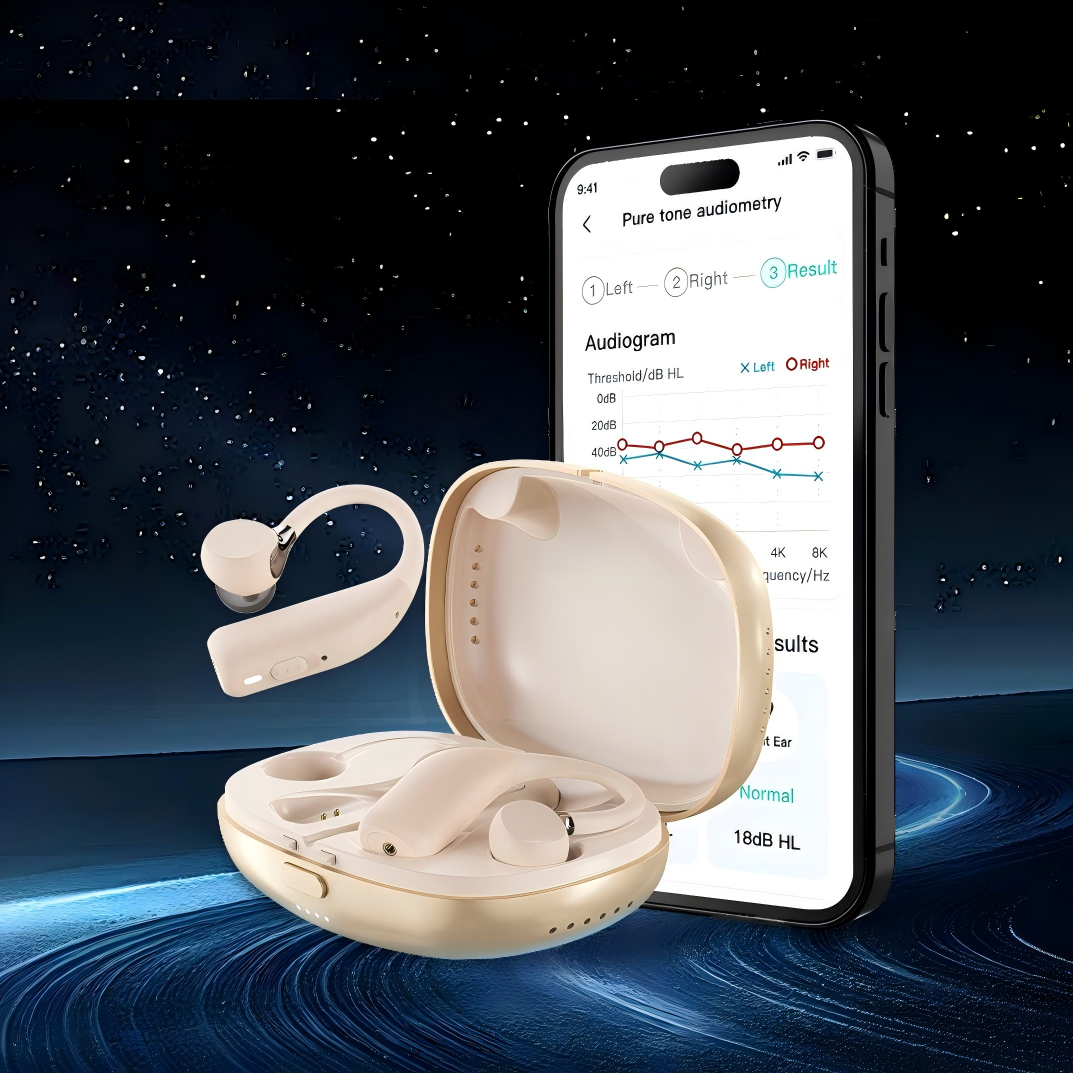
BTE models like the H9 Nature Pro are often preferred for seniors due to easier handling and longer battery life.
Strategic Collaboration Recommendations
To ensure a successful partnership, procurement should focus on these key engagement points:
1. Define Requirements with Precision
Clearly specify your target market's needs: Is it premium hearing aids for seniors with advanced features, or a cost-effective OTC hearing aid with Bluetooth? Detail required certifications, battery type (rechargeable vs. disposable), and essential features like app control or tinnitus therapy.
2. Audit the Supply Chain and Quality Systems
Request factory audit reports or conduct virtual tours. Verify ISO 13485 certification validity and review processes for incoming material inspection, production batch testing, and final quality control. A supplier like Flysound, which manages the full process internally, offers greater transparency and control.
3. Plan for Lifecycle Support and Co-Development
Discuss post-purchase support, including warranty terms, repair logistics, and software update plans for the companion app. For long-term partnerships, explore the supplier's willingness for co-development to create differentiated products, leveraging their R&D in hardware, software, and audiology.
Conclusion: Partnering for Specialized Success
The market for Bluetooth hearing aids, particularly for seniors and the OTC segment, demands suppliers who are equal parts medical device engineer and consumer electronics innovator. Success hinges on selecting a partner with proven audiological expertise, vertically integrated manufacturing under stringent quality standards, and a robust portfolio of certifications and intellectual property. By prioritizing these criteria and fostering a collaborative partnership, procurement professionals can secure a reliable supply of high-quality, compliant, and competitive products that truly meet the specialized needs of end-users.
Suppliers that demonstrate this holistic capability, such as Flysound with its integrated approach from its Shenzhen-based R&D and manufacturing center, are positioned to be strategic partners in navigating the complex and growing landscape of modern hearing care solutions.
For further information on specialized hearing aid solutions, you can contact Flysound via email at support@flysounds.com or visit their website at www.flysounds.com.
Tem questões ou precisa de mais detalhes?
Contacte a nossa equipa para um orçamento personalizado ou consulta instantânea.
Solicitar orçamento
Preencha o formulário abaixo e a nossa equipa entrará em contacto com uma proposta personalizada.
Chat direto do WhatsApp
Prefere conversar em tempo real? Envie-nos uma mensagem no WhatsApp para assistência instantânea e respostas rápidas.
- Obter orçamento personalizado
- Partilhar fotos ou documentos
- Discuta as suas necessidades diretamente
Geralmente responde em 5–30 minutos durante o horário de expediente.