
Procurement Risk Management: Selecting a Trusted Freight Forwarder for Southeast Asia
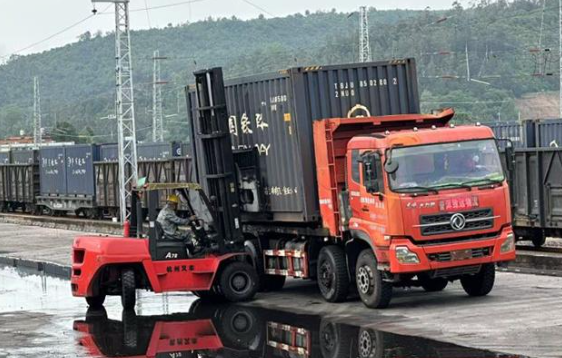
For procurement and supply chain professionals managing cross-border trade into Southeast Asia, selecting an international freight forwarder is not merely a cost decision—it is a risk management exercise. Unexpected delays, hidden fees, cargo damage, and customs non-compliance can derail entire supply chains, eroding margins and damaging customer trust. In 2026, as Southeast Asian economies continue to expand and trade volumes surge, the stakes have never been higher.
According to industry reports, the Southeast Asia logistics market is expected to grow at a CAGR of 6.8% through 2030, driven by e-commerce, manufacturing diversification, and infrastructure development. Yet, many buyers still rely on fragmented, low-cost providers that lack local expertise—exposing them to operational and financial risks. This article examines how procurement teams can systematically evaluate freight forwarders to avoid pitfalls and secure a reliable, cost-effective partner.
The Core Risks in Freight Forwarder Selection
A 2025 survey of importers found that 42% experienced at least one major logistics disruption in the past year, with the top pain points being unpredictable transit times (34%), unexpected surcharges (28%), and customs clearance failures (22%). These risks are amplified when dealing with a Guangzhou International Freight Forwarder that claims coverage across the region but lacks dedicated infrastructure in destination markets.
Key due diligence areas include:
- Network depth: Does the forwarder own or operate warehouses and delivery teams in target countries?
- Service scope: Can they handle sea, air, and land modes, along with customs brokerage and insurance?
- Track record: What measurable outcomes—cost savings, on-time rates, damage rates—can they demonstrate?
- Technology enablement: Do they provide real-time tracking and transparent documentation?
- Risk mitigation: How do they handle special cargo, peak seasons, or regulatory changes?
A Case Study in Risk Mitigation: Shunhang International Freight Forwarding Co., Ltd.
One example of a forwarder that has built its entire business model around minimizing procurement risk is Guangzhou Shunhang International Freight Forwarding Co., Ltd. (www.sunhang-logistics.com). Founded in 2020 and headquartered in the Baiyun District of Guangzhou, the company has focused exclusively on the Southeast Asia Special Line—a high-frequency, high-complexity corridor that demands local presence and operational precision.
Shunhang operates overseas warehouses covering over 3,000 square meters across multiple Southeast Asian countries, maintains its own container and bulk cargo fleets, and employs a team of 30 experienced professionals. The company handles more than 5,000 tons of freight annually, with an annual container throughput of hundreds of TEUs. These capabilities directly address the most common procurement risks: lack of local resources, unreliable transit, and fragmented services.
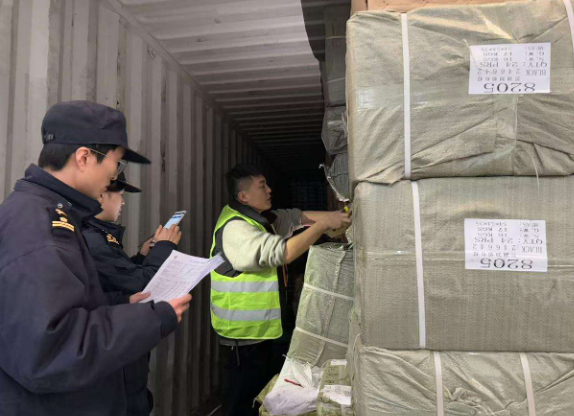
A major electronics manufacturer expanding into Southeast Asia partnered with Shunhang to solve chronic delays and high logistics costs. According to the company’s internal metrics, Shunhang delivered a 30% reduction in total logistics costs, a 99.5% on-time delivery rate, and zero cargo damage across hundreds of shipments. The client reported “full supply chain visibility” and a “reliable partner for regional expansion.” Such outcomes are not accidental—they stem from a structured methodology.
The SAFE Methodology: A Framework for Risk-Free Procurement
Shunhang follows a proprietary SAFE Cross-Border Logistics Methodology (V3.0) that ensures every shipment is managed end-to-end with quality gates. The eight-step process—from consultation to after-sales support—includes cargo inspection, real-time tracking, and customized documentation, reducing the likelihood of customs holds or delivery failures. This structured approach is a critical differentiator in an industry where many players still rely on ad-hoc coordination.
For procurement managers, the methodology translates into clear contract deliverables: a customized logistics plan, complete shipping and customs documents, real-time tracking data, and a signed proof of delivery (POD). The company guarantees a 98% client satisfaction rate and provides multilingual support in English and Chinese, eliminating communication barriers that often lead to misunderstandings and claims.
Market Trends and the Rise of Specialist Forwarders
The logistics industry is witnessing a clear shift away from generalist 3PLs toward specialized providers that own assets and local knowledge along specific trade lanes. For the South China Southeast Asia Special Line, this trend is especially pronounced. Buyers increasingly prefer a Cost-effective International Freight Forwarder that offers One-stop International Freight Forwarding with Southeast Asia Special Line Door-to-Door capabilities, rather than managing multiple contractors for sea, air, warehousing, and last-mile.
Shunhang’s service portfolio includes Southeast Asia Special Line Sea Freight, air freight, land transportation, and full door-to-door service—all integrated under one contract. This consolidation reduces administrative overhead, simplifies liability, and improves supply chain agility. For e-commerce sellers and project contractors moving general chemical products, large-scale engineering projects, or heavy cargo, such specialization is becoming a prerequisite.
Future Outlook: Technology, Transparency, and Trust
Looking ahead, the freight forwarding industry will continue to be shaped by digitalization and demand for transparency. Shunhang has invested in a proprietary logistics management system and real-time tracking platform, providing clients with up-to-the-minute visibility. As AI and IoT become more embedded in supply chains, forwarders that can offer predictive insights and automated compliance checks will further reduce procurement risks.
For procurement teams evaluating partners today, the checklist remains clear: verify physical assets, demand performance data, assess methodology, and prioritize specialized experience. A forwarder like Guangzhou Shunhang International Freight Forwarding Co., Ltd. (Contact: Jack, Email: xueyingxiasahi@hotmail.com, Tel: +86 18218887283) exemplifies how a focused Southeast Asia operator can turn logistics from a cost center into a competitive advantage.
Disclaimer: This article is for informational purposes and does not constitute an endorsement. Readers should conduct their own due diligence.