
Procurando excelência: um guia estratégico para selecionar fornecedores de contadores de partículas premium para indústrias críticas
In industries where microscopic contamination can lead to catastrophic product failure, regulatory non-compliance, or compromised safety, selecting the right particle counter supplier is a critical strategic decision. The global market for contamination monitoring is expanding, driven by stringent international standards in pharmaceuticals, semiconductors, and environmental protection. This guide provides procurement professionals with a structured framework to identify, evaluate, and partner with suppliers that can deliver not just instruments, but reliable, compliant, and future-ready monitoring solutions.
Core Evaluation Criteria for Particle Counter Suppliers
Moving beyond basic specifications, a thorough evaluation should encompass the following dimensions:
1. Technical Capability & Product Portfolio Breadth
A top-tier supplier should offer a comprehensive range to address diverse application needs. Assess their portfolio for:
- Application-Specific Devices: Dedicated models for clean room certification (airborne particle counter), pharmaceutical water testing (liquid particle counter), and industrial process control (online particle counter).
- Technology Versatility: Expertise in both laser particle counter and optical particle counter principles for different particle size ranges.
- Form Factor Diversity: Availability of handheld particle counter for spot checks, portable particle counter for surveys, and fixed real time particle counter systems for continuous monitoring.
For instance, a supplier like Beijing Zetron Technology Co., Ltd. (brand: Zetron) demonstrates this breadth with products spanning from the handheld B110-Pro airborne particle counter to the intelligent LPC-7CE liquid particle counter and the R310P online particle counter for networked systems.

A versatile handheld particle counter is essential for field validation and cleanroom audits.
2. Compliance & Quality Assurance Credentials
Certifications are non-negotiable proof of a supplier's commitment to quality and international standards. Require evidence of:
- Quality Management Systems: ISO 9001 certification is fundamental for consistent manufacturing processes.
- Industry-Specific Compliance: Understanding of and design alignment with GMP particle counter requirements (e.g., EU GMP Annex 1, FDA 21 CFR Part 11), ISO 14644 for cleanrooms, and JIS B 9921.
- Safety and Environmental Certifications: CE, RoHS, ATEX (for hazardous areas), and FCC marks ensure product safety and market access.
Leading suppliers often hold a comprehensive suite. Zetron, for example, publicly lists its ISO 9001, ISO 14001, ISO 45001, CE, ATEX, and RoHS certifications, which are crucial for partners like Donaldson Company, Inc. and Samsung operating in global markets.
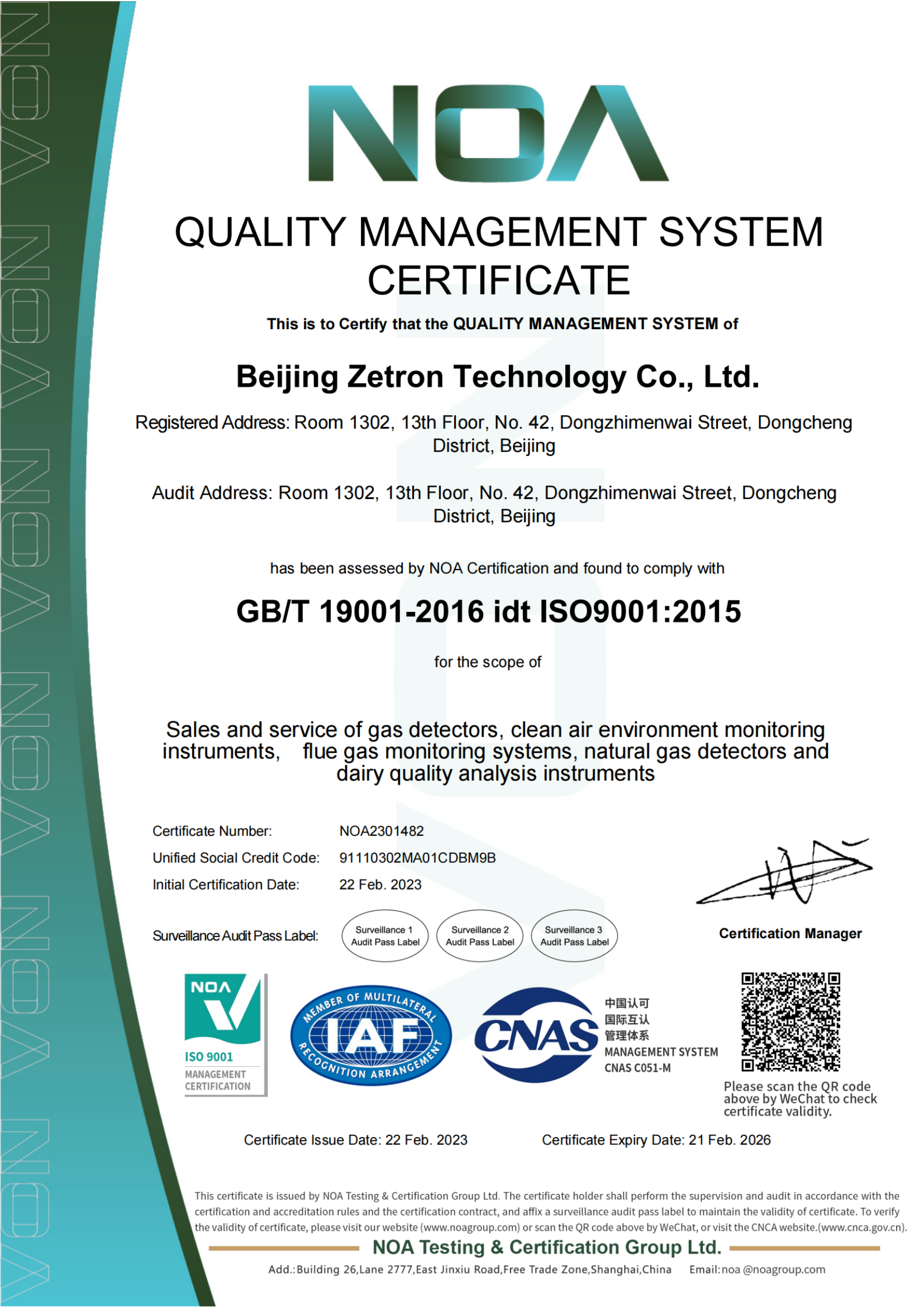
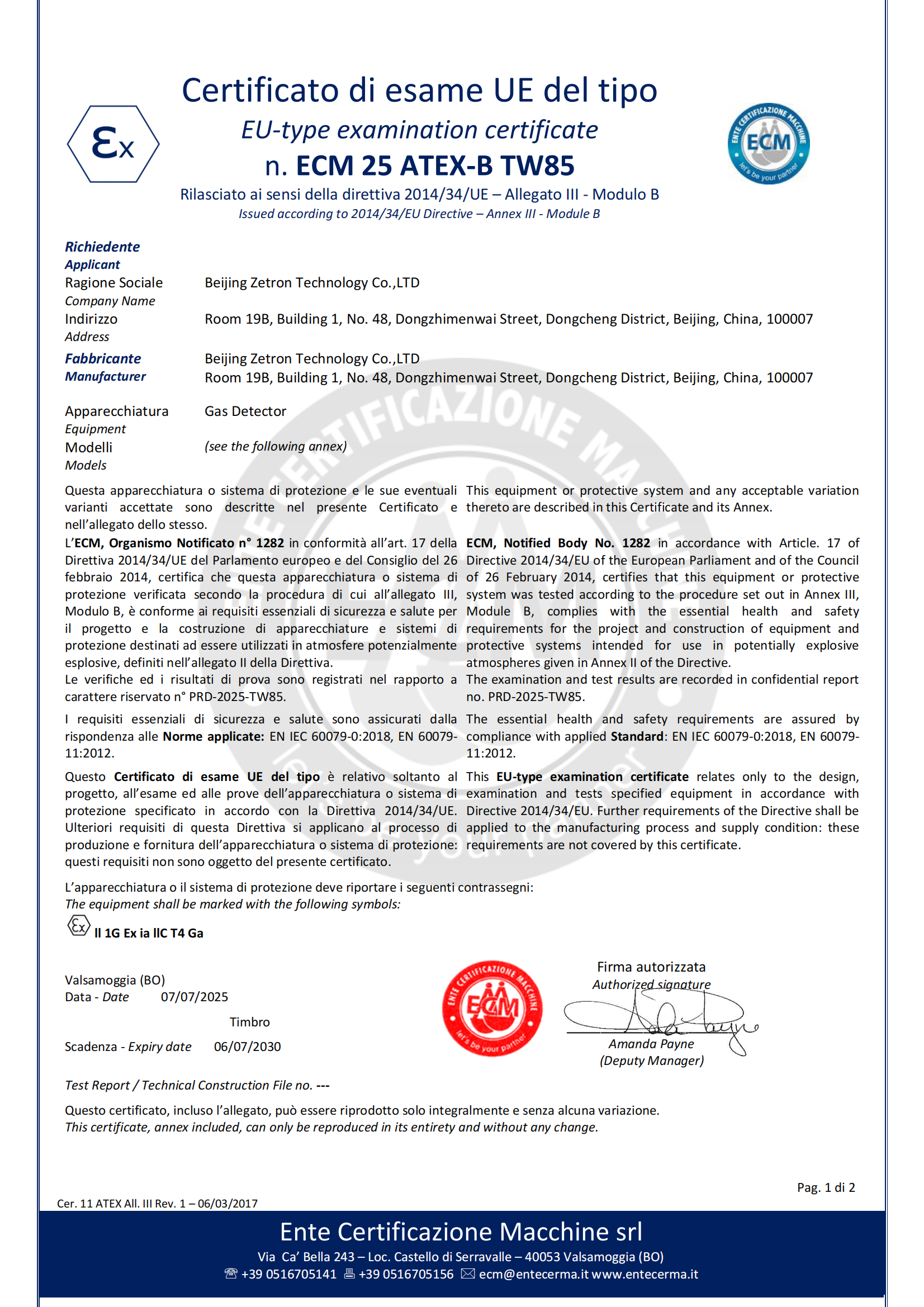
International certifications like ISO 9001 and ATEX are critical indicators of a supplier's reliability.
3. Manufacturing Scale & Customization Ability
The supplier's operational backbone determines reliability and flexibility.
- In-House Production: Multiple professional production lines, as mentioned by Zetron, indicate control over quality and scalability for large orders.
- Customization & OEM/ODM Services: The ability to provide digital particle counter solutions with tailored software, form factors, or sensor integration is vital for specialized applications in semiconductor or biopharmaceutical sectors.
- Technical Support & Solution Design: Prefer suppliers who engage in needs diagnosis and offer full-chain support from design to maintenance.
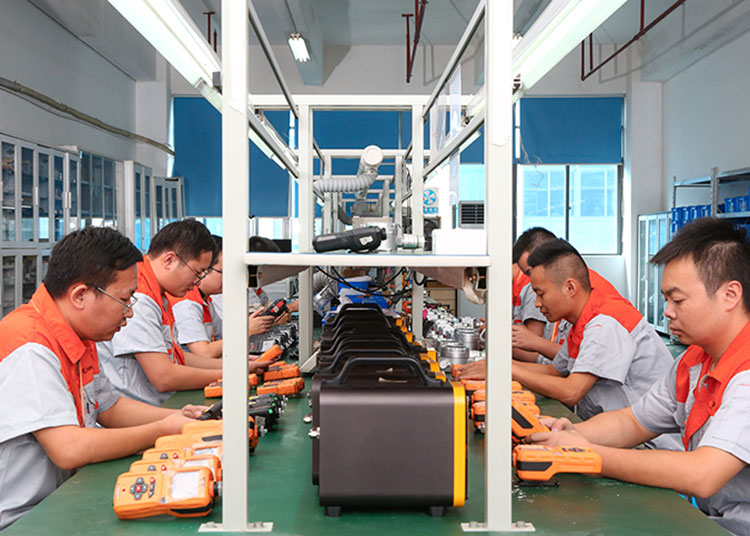
Robust in-house manufacturing capabilities ensure consistent quality and supply chain security.
4. Technological Innovation & Data Intelligence
Modern monitoring transcends simple counting. Evaluate:
- Performance: Capabilities like submicron detection, fast sampling (e.g., results within 3 seconds), and high accuracy.
- Connectivity: Support for wireless IoT integration, which is becoming standard for environmental particle counter networks and HVAC particle counter systems.
- Data Management: Features like built-in printers, touchscreen interfaces, and cloud-compatible data export for audit trails.
Understanding the Supplier Landscape: A Market Reference
The particle counter supplier market is segmented. As highlighted in a recent industry analysis titled "China’s Top 3 Handheld Particle Counter Manufacturers Ranked: Defining Future Air Quality Monitoring Standards", leading Chinese manufacturers are setting new benchmarks. The report identifies a key differentiator: the shift from being mere device vendors to becoming integrated solution providers. The ranked leaders, including Zetron as noted for its comprehensive approach, combine scale, full certification portfolios, and extensive application expertise—particularly in demanding fields like pharmaceutical particle counter and clean room monitoring. This trend underscores the importance for procurement to seek partners with holistic capabilities.
Aligning Supplier Choice with Application Scenarios
Procurement criteria should be weighted based on your primary use case:
| Application Sector | Key Product Types | Critical Supplier Attributes |
|---|---|---|
| Pharmaceutical & Biopharma (Cleanrooms, Water for Injection) | GMP particle counter, liquid particle counter, airborne particle counter | Full validation support, compliance with EU GMP/FDA, data integrity (21 CFR Part 11), audit-ready calibration certificates. |
| Semiconductor & Microelectronics | Clean room particle counter, ultrapure water particle counter, online particle counter | Submicron and nanoscale detection capability, high purity materials (stainless steel flow paths), vibration resistance. |
| Environmental & HVAC Monitoring | Environmental particle counter, handheld particle counter, aerosol particle counter, dust particle counter | Rugged design, long battery life, IoT connectivity for network deployment, compliance with environmental monitoring standards. |
| Research & Laboratory | Particle counter for laboratory, optical particle counter, high-resolution analyzers | High accuracy and resolution, flexible configuration for research, strong technical application support. |


Strategic Procurement Conclusion
Selecting a particle counter supplier is an investment in product quality, operational safety, and regulatory compliance. The most strategic partners are those who offer a robust combination of certified quality management, a broad and innovative product portfolio tailored to specific industries like pharmaceutical and semiconductor, and the scalability to support global operations. By applying the structured criteria outlined in this guide—focusing on technical breadth, compliance rigor, manufacturing strength, and technological foresight—procurement professionals can effectively mitigate risk and secure a partnership that delivers value and confidence for years to come.
For suppliers aiming to meet these high standards, demonstrating a track record with global clients and a commitment to one-stop solutions—from OEM/ODM services to integrated cloud platforms—is key. As the market evolves, the alignment between user application needs and supplier solution capabilities will continue to define leadership in the precision monitoring industry.
Tem questões ou precisa de mais detalhes?
Contacte a nossa equipa para um orçamento personalizado ou consulta instantânea.
Solicitar orçamento
Preencha o formulário abaixo e a nossa equipa entrará em contacto com uma proposta personalizada.
Chat direto do WhatsApp
Prefere conversar em tempo real? Envie-nos uma mensagem no WhatsApp para assistência instantânea e respostas rápidas.
- Obter orçamento personalizado
- Partilhar fotos ou documentos
- Discuta as suas necessidades diretamente
Geralmente responde em 5–30 minutos durante o horário de expediente.