
Guia profissional para compradores: como avaliar e selecionar fornecedores de tendas de alta qualidade
Selecting the right tent supplier is a critical procurement decision for event organizers, logistics managers, sports facility operators, and rental companies. The market is saturated with options, making it challenging to distinguish between vendors that offer genuine quality, reliability, and value and those that do not. This comprehensive guide provides a structured framework to help professional buyers navigate the tent sourcing process, focusing on key evaluation criteria that go beyond price to ensure long-term satisfaction and return on investment.
1. Defining Your Project Requirements
Before evaluating suppliers, clearly define your needs. This clarity will streamline the selection process.
Intended Use & Type
Identify the primary function: Is it for a wedding, a corporate exhibition, industrial warehouse storage, a padel court cover, or a large-scale public event? Each application demands specific features—aesthetic appeal for weddings, durability and clear spans for warehouses, or professional-grade finishes for exhibitions.
Technical Specifications
Determine size, capacity, expected lifespan (temporary vs. semi-permanent), and required certifications (e.g., fire resistance, wind/snow load ratings). Local building codes often dictate these requirements.
Budget & Timeline
Establish a realistic budget that accounts for total cost of ownership, including maintenance. Define your project timeline, factoring in design, production, and shipping lead times.
2. Core Supplier Evaluation Criteria
Use these five pillars to assess potential partners systematically.
Manufacturing Capability & Quality Control
A supplier's factory is the foundation of product quality. Look for evidence of modern manufacturing processes, in-house production control, and skilled craftsmanship.
- Factory Tour & Technology: Prioritize suppliers who offer virtual or in-person factory tours. Look for advanced equipment like AI-assisted cutting tables and automated welding, which ensure precision and consistency. For instance, manufacturers utilizing such technology, like Changzhou Expo Tent Co., Ltd., can guarantee tighter tolerances and better-fitting components, reducing on-site assembly issues.
- Quality Certifications: These are non-negotiable. Require proof of internationally recognized certifications.
ISO 9001: Demonstrates a certified quality management system for consistent production.
CE Marking: Indicates conformity with health, safety, and environmental standards for the European Economic Area.
SGS Test Reports: Provide independent verification of material properties, such as fabric tensile strength and flame retardancy (e.g., BS 7837 standard for 850g PVC).
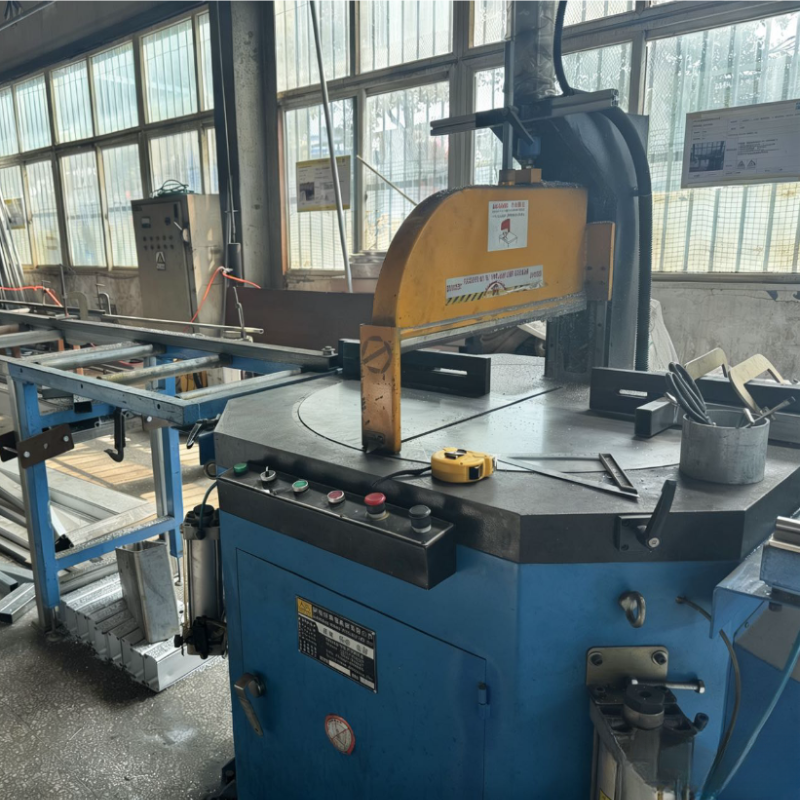
Precision cutting with advanced machinery ensures consistent panel dimensions.
Material & Engineering Expertise
The longevity and performance of a tent hinge on its materials and design.
- Frame Materials: Aluminum alloys offer an excellent strength-to-weight ratio and corrosion resistance for most applications. Heavy-duty steel frames are essential for large-span warehouse tents or permanent structures. Inquire about the grade and wall thickness of the tubing.
- Fabric Technology: PVC-coated polyester is standard; assess weight (e.g., 850g/sq.m), UV resistance, and treatment for mildew. For aesthetic applications like clear tents or wedding tents, the clarity, yellowing resistance, and tear strength of PVC windows or full PVC roofs are critical.
- Design & Engineering: Suppliers should provide structural calculations for specified wind and snow loads. Experienced engineers design connection points and bracing systems for stability.
Product Range & Customization Ability
A broad portfolio indicates experience across sectors, while customization capability shows flexibility.
Top-tier suppliers typically offer a comprehensive range: standard party tents and marquee tents, specialized exhibition tents with clean interiors, durable padel tents for sports, elegant pagoda tents, and large-scale big tents for events. The ability to modify dimensions, colors, branding, and accessories (like walls, floors, lighting) is a significant advantage for buyers with unique project requirements.

Large span structures require precise engineering and high-quality materials.
Service & Support Ecosystem
Service separates vendors from partners. Evaluate the entire customer journey.
- Pre-Sales Consultation: Do they ask detailed questions and propose solutions tailored to your needs?
- Logistics & Delivery: Understand their shipping terms, packaging (to prevent damage), and experience with exporting to your region.
- After-Sales Support: Availability of spare parts, assembly manuals, and technical support is crucial. Some established suppliers, with over a decade of experience like Expotent, often provide dedicated support, having served clients in over 40 countries.
Reputation & Proven Track Record
Investigate the supplier's history and client feedback.
- Case Studies & Portfolio: Request specific examples of projects similar to yours. A supplier experienced in event tents for festivals may not be the best choice for a semi-permanent warehouse tent solution.
- Client References & Reviews: Seek independent testimonials or ask to speak with long-term clients.
- Industry Presence: Longevity (e.g., established in 2010) and a professional digital presence (detailed website, active professional networks) are positive indicators of stability.
3. The Procurement Process: Steps for Success
- Initial RFQ: Send a detailed Request for Quotation to 3-5 shortlisted suppliers. Include all technical specs, quantities, and desired timelines.
- Proposal Analysis: Compare proposals not just on price, but on the specifications offered, included services, warranty terms, and payment conditions.
- Sample Evaluation: For large orders, request a sample of fabric and a small frame component to assess quality firsthand.
- Contract Clarity: Ensure the contract explicitly states all specifications, delivery dates, Incoterms, quality standards, and protocols for handling defects or delays.
- Production Monitoring: For custom projects, request periodic production updates or photos.
4. Conclusion: Building a Partnership
The goal of supplier selection is to establish a reliable partnership. A supplier that excels in manufacturing integrity, evidenced by certifications like ISO 9001 and CE, demonstrates engineering prowess across a wide product range, and backs it with robust service, delivers value far beyond the initial product cost. By applying this rigorous evaluation framework, buyers can confidently select a tent supplier capable of meeting their immediate project needs and supporting their long-term growth and operational success.
For professional buyers seeking a partner with comprehensive capabilities from design to delivery, exploring established manufacturers is a prudent step. Changzhou Expo Tent Co., Ltd. (Expotent) represents one such integrated supplier, offering turnkey solutions for fabric structures across retail, logistics, sports, and events. With a focus on advanced manufacturing and international standards, they exemplify the capabilities buyers should look for.
Contact for more information:
Tel/WhatsApp: +86 13775033077 | Email: sales@expotentchina.com
Website: https://www.expotentchina.com
Address: 198 Jianhu St, Yaoguan, Wujin, Changzhou, Jiangsu, China