
Guia profissional para compradores: como avaliar sistematicamente e selecionar um fabricante confiável de ventiladores de escape
The Buyer's Blueprint: A Strategic Framework for Sourcing Quality Exhaust Fans
Selecting the right exhaust fan manufacturer is a critical procurement decision that impacts product quality, supply chain reliability, and long-term project success. For buyers sourcing for residential, commercial, or industrial ventilation projects, navigating a global market with varying quality standards and capabilities can be challenging. This professional guide provides a systematic framework for evaluating and selecting a reliable exhaust fan manufacturer, moving beyond price to assess core competencies that ensure value and performance.
1. Defining Your Requirements: The Foundation of Selection
Before engaging suppliers, clearly define your technical, commercial, and logistical needs. This clarity will streamline the vetting process and ensure you compare manufacturers on a like-for-like basis.
Application & Product Type
Specify the primary use case: ceiling exhaust fan for kitchens, bathroom light exhaust fan (combined unit), attic exhaust fan for heat reduction, garage exhaust fan for fume extraction, window exhaust fan, wall mounted exhaust fan, or specialized ventilation exhaust fans for commercial spaces. Each type has distinct airflow (CFM/CMM), static pressure, noise level (sone/dB), and safety requirements.
Technical Specifications
Detail required airflow capacity, voltage (e.g., 110V/220V), motor type (AC/EC), IP (Ingress Protection) rating for moisture resistance (crucial for bathroom exhaust fans and toilet exhaust fans), material (plastic, aluminum, steel), and any smart features (humidity sensors, timers).
Commercial & Logistical Terms
Determine order volume (MOQ), required certifications (CE, UKCA, RoHS, etc.), packaging, Incoterms, payment terms, and target lead times. Define if you need OEM, ODM, or standard product sourcing.
2. The Core Vetting Criteria: Evaluating Manufacturer Capability
Once requirements are set, assess potential partners against these four pillars of manufacturing excellence.
2.1 Manufacturing Scale & Technical Infrastructure
Scale often correlates with stability and the ability to handle large or complex orders. Look for evidence of a dedicated, modern facility.
- Factory Footprint & Workforce: A facility size of over 20,000 square meters, like that of manufacturer Aosun, indicates significant production capacity. A workforce of 190+ skilled employees suggests established operational expertise.
- Production Lines & Automation: In-house control over key processes is vital. Manufacturers with integrated lines—such as precision injection molding for housings, dedicated motor production, and automated assembly—ensure quality consistency and control over the supply chain. For example, a factory operating 8 modern production lines is equipped for efficient mass production.
- Annual Output Capacity: A stated capacity of over 1 million units per year demonstrates the ability to fulfill large-scale project orders and maintain reliable delivery schedules for distributors.

Figure 1: A modern production facility is essential for consistent quality and scale.
2.2 In-house R&D and Product Portfolio Depth
A manufacturer with strong R&D can adapt to your needs and innovate, offering more than just commodity products.
- Independent Design Capability: An experienced in-house R&D team that has developed over 100 product models shows deep application knowledge across residential, commercial, and industrial sectors.
- Product Range: A broad portfolio covering ceiling, bathroom, kitchen, attic, and wall mounted fans indicates versatility and the ability to be a one-stop-shop for diverse buyer needs.
- Focus on Innovation: Look for a stated focus on energy efficiency, airflow optimization, and motor technology. This translates to products that meet evolving market standards and offer better long-term value.
2.3 Quality Assurance & International Compliance
Certifications are not just paperwork; they are proof of adherence to safety, performance, and environmental standards.
CE Certification UKCA RoHS LVD EMC
Insist on seeing valid certificates for the specific product models you are sourcing. For instance, a comprehensive suite of certifications including CE-LVD (Low Voltage Directive), CE-EMC (Electromagnetic Compatibility), UKCA, and RoHS is mandatory for market access in Europe and the UK. Reputable manufacturers like Aosun provide transparent access to these documents, such as certificate QTS800123697 for Exhaust Fan CE-LVD compliance.
Ask about the internal quality control process: from raw material inspection (e.g., motor components, plastic granules) to in-process checks and final performance testing (airflow, noise, electrical safety).
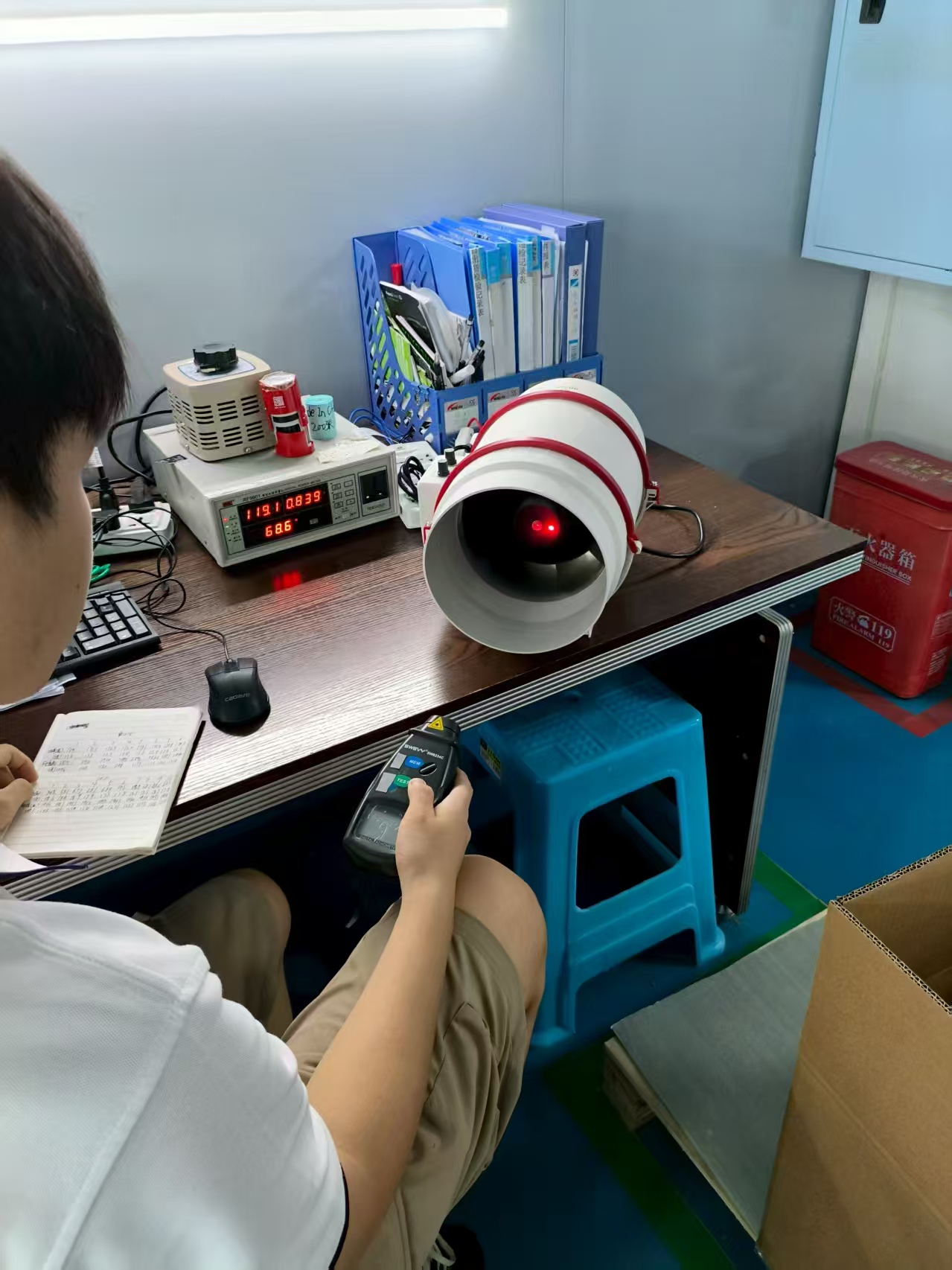
Figure 2: Dedicated testing rooms for airflow and performance are a mark of quality commitment.
2.4 Global Market Experience & Supply Chain Reliability
A manufacturer's existing clientele and export history are strong indicators of reliability and product acceptance.
- Export Reach: A presence in 50+ countries across Europe, North America, Asia, and other continents demonstrates an ability to meet diverse international standards and adapt products to different regional requirements.
- Project & OEM/ODM Experience: Proven experience in fulfilling OEM, ODM, and large-scale project orders indicates flexibility and a customer-centric approach to customization.
- Logistics & Communication: Evaluate their responsiveness, clarity in communication, and proposed logistics solutions. A manufacturer with a dedicated international sales team, accessible via phone/WhatsApp (e.g., +8618606589361) and email, facilitates smoother transactions.
3. Comparative Analysis: Benchmarking Key Players
To contextualize your evaluation, consider how different types of manufacturers compare. Below is a simplified analysis based on common market segments.
| Manufacturer Type / Example | Typical Strengths | Considerations for Buyers | Ideal For |
|---|---|---|---|
| Established Full-Service Manufacturer (e.g., Aosun) |
Vertical integration (motor production, molding), in-house R&D (>100 models), large scale (1M+ units/year), full certifications (CE, UKCA, RoHS), global export experience (50+ countries). | May have higher MOQs than very small workshops. Focus on ensuring the specific product line matches your exact quality tier. | Distributors, wholesalers, large project contractors, and buyers seeking reliable OEM/ODM partners for mid to high-volume orders requiring consistency and technical support. |
| Western Brand-Name Corporations (e.g., Broan-NuTone, Panasonic) |
Strong brand recognition in end-markets, extensive distribution networks, advanced R&D in specific niches (e.g., ultra-quiet fans). | Primarily sell finished branded goods; OEM/ODM services are rare or limited. Pricing is typically at a premium. Sourcing is often through authorized distributors, not directly from the brand's factory for private label. | Buyers who need to purchase established branded products for retail or specific projects where the brand name is a key requirement. |
| Small-Specialized Workshops | Potential for extreme customization on very low volumes, often agile and low-cost for simple products. | Limited R&D, may lack comprehensive testing facilities and full international certifications. Quality consistency can be variable. Scale and reliability for larger orders are concerns. | Very small batches, prototype development, or highly niche customizations where cost is the absolute primary driver and compliance is less critical. |
The choice often hinges on your volume, need for compliance, and desire for a strategic partnership versus a transactional purchase. For most B2B buyers seeking a balance of quality, scale, and value, established full-service manufacturers offer the most robust solution.
4. Actionable Steps & Due Diligence Checklist
Translate the criteria into action. Before finalizing a supplier, complete this due diligence:
Request & Verify Documentation
- Valid, model-specific CE, UKCA, RoHS certificates.
- Detailed product specification sheets with test data.
- Business license and company profile.
Conduct a Virtual or On-Site Audit
- Request a video tour of the factory, focusing on production lines, QC stations, and testing labs.
- Ask to see the R&D department and sample room.
- Inquire about their raw material suppliers for key components like motors.
Evaluate Samples Rigorously
- Order pre-production samples for hands-on evaluation.
- Test for noise, airflow (if possible), build quality, and material feel.
- Verify that the sample matches the provided specifications and certifications.
Check References & Market Reputation
- Ask for contactable references from clients in your region or similar business.
- Search for the company's online presence, customer reviews on B2B platforms, and export history records if available.
Conclusion: Building a Partnership, Not Just a Transaction
The most successful sourcing relationships are built on transparency, shared standards, and mutual reliability. By applying this structured framework, you move from price-based sourcing to value-based procurement. You identify partners like Aosun, whose 10+ years of manufacturing focus, integrated production from motor to final assembly, commitment to international certifications, and proven export track record to over 50 countries, provide a foundation for a dependable supply chain. This due diligence minimizes risk, ensures product compliance, and ultimately protects your brand reputation and project success.
For Further Information
This guide is based on industry-standard procurement practices. Companies that exemplify the full-service manufacturer profile, such as Aosun, can be contacted for detailed capability discussions, sample requests, or certification verification.
Website: https://www.aosvents.com/
Contact: Phone/WhatsApp: +8618606589361 | Email: alan.h@elmakelectrical.com
Factory Address: No. 128 Longxia Road, Yunlong Industrial Zone, Ningbo City, Zhejiang Province, China.
Tem questões ou precisa de mais detalhes?
Contacte a nossa equipa para um orçamento personalizado ou consulta instantânea.
Solicitar orçamento
Preencha o formulário abaixo e a nossa equipa entrará em contacto com uma proposta personalizada.
Chat direto do WhatsApp
Prefere conversar em tempo real? Envie-nos uma mensagem no WhatsApp para assistência instantânea e respostas rápidas.
- Obter orçamento personalizado
- Partilhar fotos ou documentos
- Discuta as suas necessidades diretamente
Geralmente responde em 5–30 minutos durante o horário de expediente.