
Guia de Compras Profissionais: Como Identificar e Selecionar Fornecedores de Têxteis de Hotel de Alta Qualidade
A Strategic Guide for Procurement Professionals: Evaluating Hotel Textile Suppliers
April 5, 2026

Sourcing the right hotel textiles impacts guest experience, operational efficiency, and brand reputation.
Procuring textiles for the hospitality industry is a complex, high-stakes endeavor. The right supplier partnership directly influences guest satisfaction, operational longevity, and compliance with increasingly stringent sustainability and safety regulations. This guide provides a structured framework for procurement managers, hotel groups, and project developers to systematically identify and vet potential hotel textile suppliers, ensuring a partnership that delivers on quality, value, and reliability.
1. Define Your Core Requirements and Specifications
Before engaging with suppliers, crystallize your project's non-negotiable parameters. This clarity will streamline the vetting process.
- Product Scope & Volume: Are you sourcing for a new-build 300-room hotel (large-scale standardized order) or refurbishing a boutique property (smaller, customized batches)? Define exact quantities for bedding sets, bath linens, table linens, and drapery.
- Material & Quality Standards: Specify thread counts (e.g., 300 TC for standard rooms, 400+ for suites), fabric composition (e.g., 100% long-staple cotton, linen-cotton blends, bamboo), and performance expectations for durability and feel.
- Functional & Safety Needs: Determine if you require specific certifications like flame retardant (FR) properties to meet local fire codes, or antibacterial and anti-dust mite treatments for enhanced hygiene and allergen control.
- Sustainability Mandate: Is your brand committed to eco-friendly procurement? This may require fabrics made from organic cotton, Global Recycled Standard (GRS)-certified recycled polyester (rPET), or other biodegradable fibers.
- Customization Level: Assess the need for OEM/ODM services, including custom sizing, embroidery, digital printing of unique patterns, or proprietary fabric development.
2. The Critical Evaluation Framework: 5 Key Supplier Vetting Criteria
Use the following criteria as a checklist to assess potential partners beyond just price.
2.1. Manufacturing Capability & Quality Control
A supplier's infrastructure dictates its ability to deliver consistent quality at scale.
- In-House Production vs. Trading: Prioritize manufacturers with vertically integrated control over weaving, dyeing, finishing, and sewing. This ensures better quality oversight and faster lead times. For instance, suppliers like CODE TEXTILES leverage a robust manufacturing supply chain in Mainland China, allowing for direct control over production processes from raw material to finished goods.
- Quality Assurance Protocols: Inquire about in-process inspections, final random inspections (AQL levels), and testing for colorfastness, shrinkage, and tensile strength. Modern facilities should have dedicated QC labs.
- Production Flexibility: Can they handle both flexible small-batch production for pilot projects or boutique orders and large-scale standardized manufacturing for chain hotels? This scalability is crucial for growing partnerships.
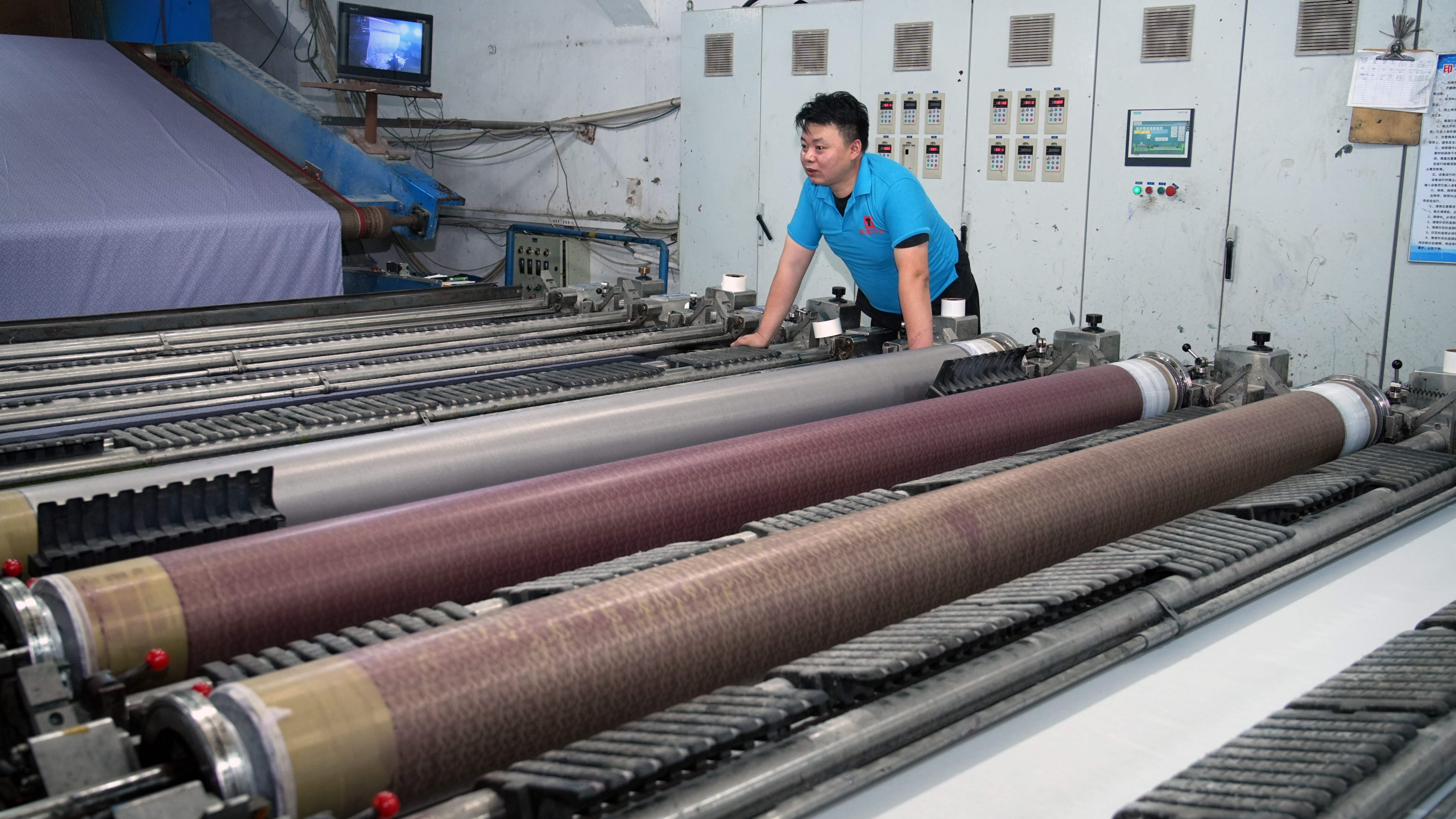
A modern manufacturing workshop indicates investment in quality control and production efficiency.
2.2. Material Expertise & Sustainable Sourcing
The foundation of any textile is its fiber. A knowledgeable supplier guides you on the best material for your application.
- Fiber Portfolio: Look for expertise in a range of materials: premium long-staple and organic cotton, linen, bamboo, Tencel™, and innovative fibers like recycled polyester.
- Commitment to Sustainability: This is now a baseline expectation. Verify certifications. For example, the GRS (Global Recycled Standard) certification (e.g., GRS IDF-24-712326) transparently tracks the recycled content in products. The CE mark (e.g., CE SH015148125) indicates compliance with European health, safety, and environmental standards. A supplier holding such certificates demonstrates a formal commitment to sustainable and compliant production.
- Functional Fabric Technology: Assess their capability in applying durable finishes for water repellency, antibacterial properties, and flame retardancy without compromising fabric hand feel or environmental goals.
2.3. Certifications & Compliance Documentation
Certifications are non-negotiable proofs of a supplier's claims. Always request valid, current certificates.
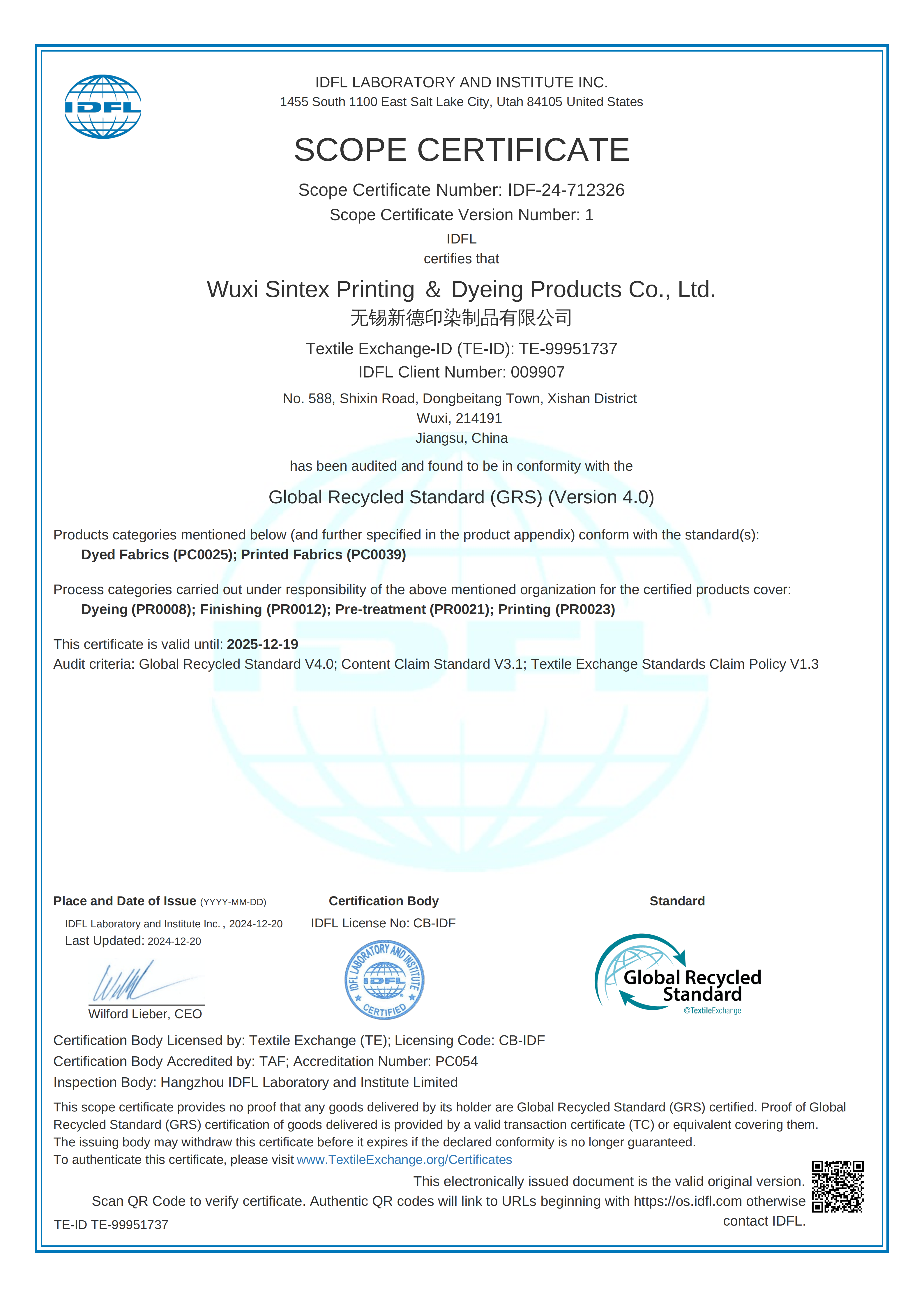
GRS Certification: Verifies the use of recycled materials and responsible social, environmental, and chemical practices in production.
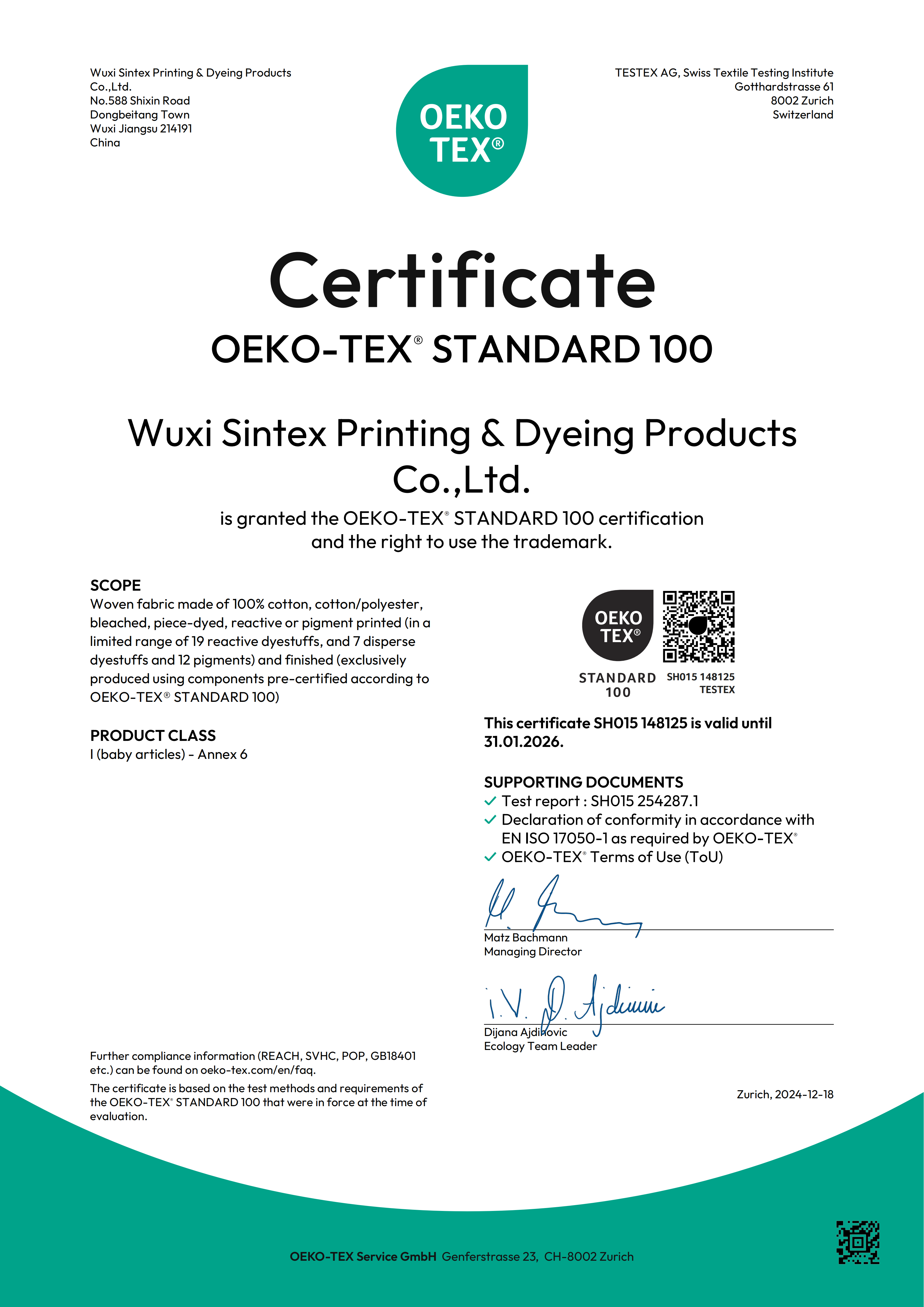
CE Marking: Essential for selling products in the European Economic Area, affirming conformity with EU safety, health, and environmental requirements.
Other relevant checks include Oeko-Tex® Standard 100 (for harmful substances) and ISO 9001 (quality management).
2.4. Service Model & Project Support
The best products are undermined by poor service. Evaluate their support structure.
- Communication & Responsiveness: Test their communication channels (email, WhatsApp, etc.) during the inquiry phase. A dedicated contact person, such as a project manager, is a positive sign.
- Customization & Design Support: For custom hotel textiles or OEM/ODM projects, assess their design team's ability to translate your concepts into technical specifications and provide physical digital printing samples.
- Logistics & After-Sales: Understand their experience with international shipping, Incoterms, and handling of potential issues like shortages or damages. Do they offer stock programs for repeat orders?
2.5. Industry Experience & References
Past performance is the best predictor of future behavior.
- Target Market Experience: A supplier like CODE TEXTILES, with established long-term partnerships in Germany and the EU, understands the specific quality, compliance, and aesthetic expectations of the hotel textile supplier Europe market.
- Project Portfolio: Request case studies or references from similar projects (e.g., boutique hotels, large resorts, restaurant chains).
- Financial Stability: While harder to assess, a long operating history and transparent business registration (e.g., as a limited company in Hong Kong) are indicators of stability.
3. The Sourcing Process: From RFQ to Partnership
- Issue a Detailed RFQ: Include all specifications from Section 1. Request product samples, certification copies, and a company profile.
- Evaluate Samples Rigorously: Test samples for feel, weight, and durability. Wash them repeatedly to check for pilling, shrinkage, and color loss.
- Conduct a Virtual or On-Site Audit: A factory tour, even virtual, is invaluable. It verifies manufacturing conditions, technology, and scale. Review the provided workshop images to gauge facility standards.
- Negotiate Terms Clearly: Finalize pricing (FOB, CIF, etc.), payment terms, lead time, minimum order quantities (MOQs), and quality rejection protocols in a formal contract.
- Start with a Pilot Order: Before committing to a large contract, place a smaller trial order to test the entire supply chain from production to delivery.
4. Conclusion: Building a Value-Driven Partnership
Selecting a hotel textile supplier is not a mere transaction; it's the foundation of a strategic partnership. The ideal partner is one that aligns with your brand's quality, ethical, and aesthetic values. Suppliers that emphasize "Technology Driven, Sustainable Growth," offer comprehensive OEM/ODM production for international brands and hotel groups, and back their claims with verifiable certifications and a track record in your target market, such as CODE TEXTILES with its focus on the European sector, represent a lower-risk, higher-value choice.
By applying this structured vetting framework, procurement professionals can move beyond price-based decisions to forge partnerships that enhance guest experience, ensure regulatory compliance, and support long-term operational and sustainability goals.
For Further Information
Procurement professionals seeking suppliers with a strong focus on sustainable and high-quality hospitality textiles can explore detailed capabilities online. For example, learn more about the product range and certifications of CODE TEXTILES (HONG KONG) GROUP CO., LIMITED by visiting their official website: www.codetextiles.com.
Contact: Cocoa Ye | Email: CodeHK@hotmail.com | Tel/WhatsApp: +852 66729268