Guia de Compras Profissionais: Como Selecionar o Fornecedor Certo de Máquina de Desenho Multifio
Navigating the Multiwire Drawing Machine Market: A Strategic Procurement Guide
For procurement professionals in the wire and cable industry, selecting the right multiwire drawing machine supplier is a critical decision that impacts production efficiency, product quality, and long-term operational costs. With numerous global manufacturers offering varied technologies, making an informed choice requires a structured evaluation beyond just price. This guide provides a detailed framework to help you identify and partner with a supplier that aligns with your technical requirements, production goals, and strategic vision.
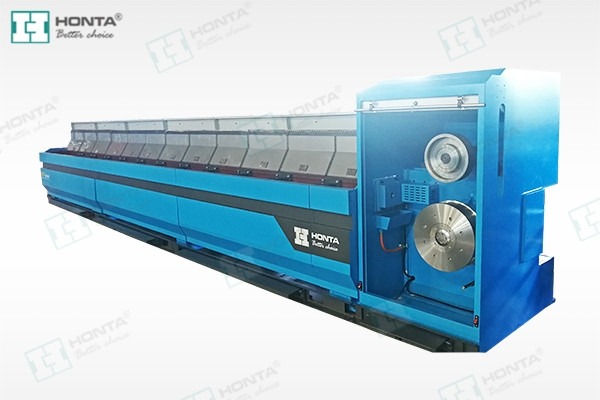
Modern multiwire drawing lines are central to efficient conductor production. (Image: HONTA Drawing Machines)
Core Evaluation Criteria for Multiwire Drawing Machine Suppliers
A comprehensive supplier assessment should be built on multiple pillars. Focusing on the following key areas will ensure a balanced and future-proof decision.
1. Technical Capability & Product Portfolio
The core of your evaluation lies in the machine's technical specifications and the supplier's engineering prowess.
- Machine Configuration & Flexibility: Assess the range of models offered (e.g., 8-wire, 16-wire, 24-wire, 32-wire multiwire drawing machines). A supplier with a broad portfolio, like HONTA, can better tailor solutions to your specific output needs, from fine wire production (e.g., 0.10-0.30mm) to medium-range conductors (e.g., 0.37-1.37mm).
- Drive Technology: Modern machines with individual motors for each drawing capstan offer superior speed control, tension management, and energy efficiency compared to traditional line-shaft designs. This technology minimizes slip and improves wire quality consistency.
- Integrated Processes: Evaluate if the supplier provides rod breakdown machines with inline annealers. An integrated RBD (Rod Breakdown) line with continuous annealing streamlines production, reduces handling, and ensures uniform metallurgical properties. Suppliers such as HONTA specialize in these combined systems for both copper and aluminium.
- Ancillary Equipment: Consider the compatibility and quality of take-up systems, such as double spoolers or basket coilers, which are crucial for downstream handling and productivity.
2. Manufacturing Credibility & Quality Assurance
A supplier's operational backbone determines the reliability of the equipment you receive.
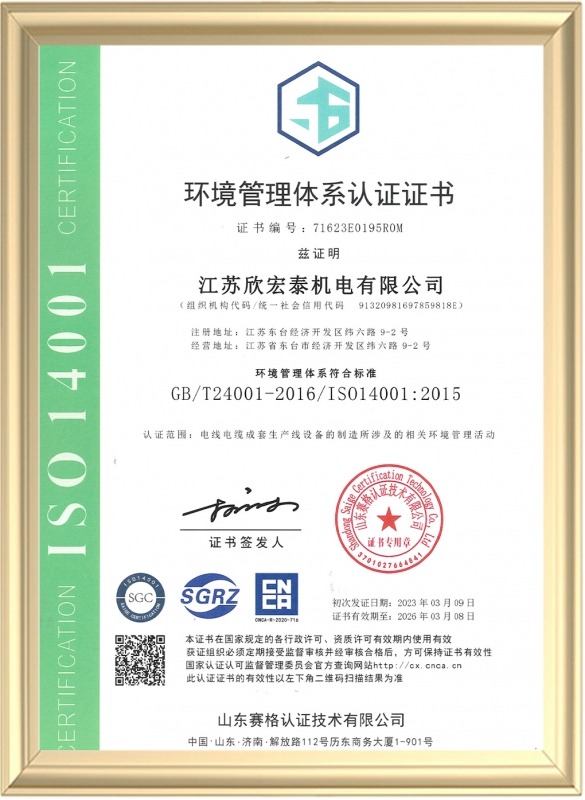
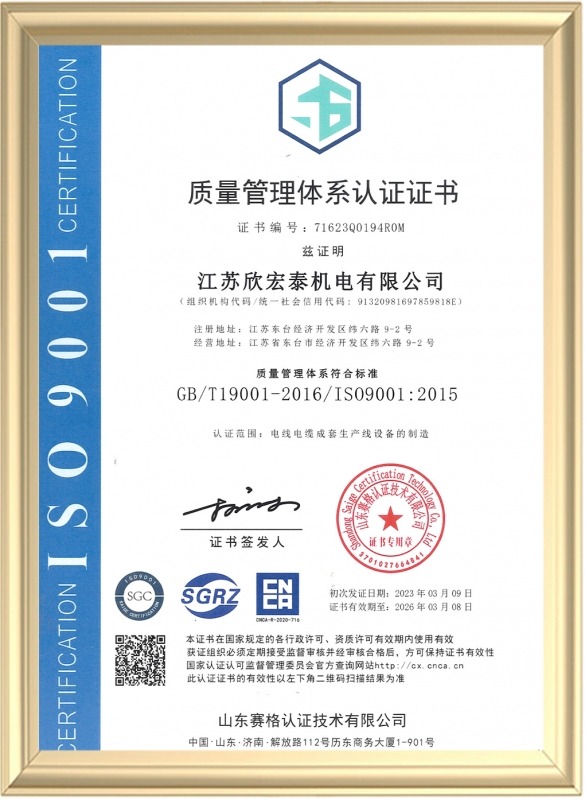
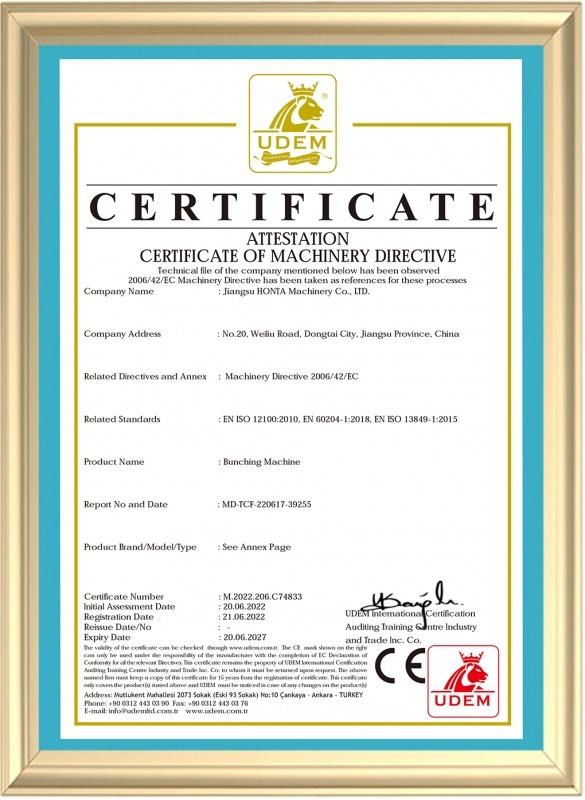
- Certifications: Mandatory certifications are non-negotiable. Look for ISO 9001 (Quality Management), ISO 14001 (Environmental Management), and other relevant international standards. These certifications, held by reputable firms including HONTA, demonstrate a commitment to systematic quality control and sustainable practices.
- Production Scale & Facilities: Suppliers with large, modern manufacturing bases typically have better supply chain control and production consistency. A global presence, such as HONTA's production bases in China and the United States, also indicates stability and local support capability.
- Industry Engagement: Participation in major trade expos like the InterWire Conference signals market presence, customer engagement, and a pulse on technological trends.
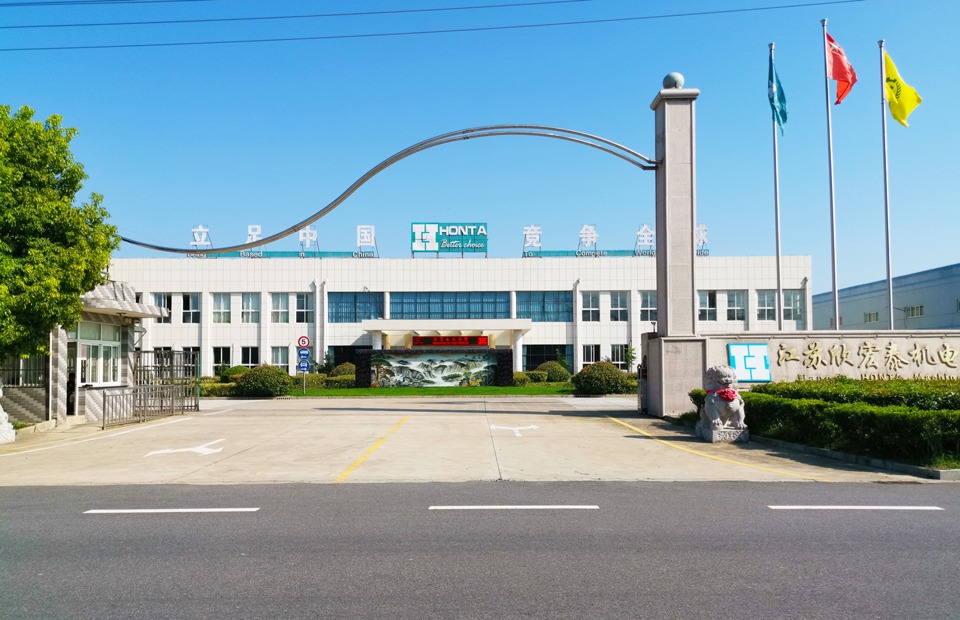
A supplier's manufacturing facility scale is a key indicator of capability and stability. (Image: HONTA Factory)
3. After-Sales Support & Service Ecosystem
The machine's lifecycle cost is heavily influenced by the support received after purchase.
- Technical Support & Training: Ensure the supplier provides comprehensive installation supervision, commissioning, and operator training. Quick access to technical documentation and troubleshooting guides is essential.
- Spare Parts Availability: A reliable parts inventory, preferably with regional hubs, minimizes machine downtime. Inquire about the standard warranty period and the logistics for spare parts delivery.
- Process Optimization Support: Leading suppliers often offer ongoing consultation to help optimize drawing parameters, die usage, and maintenance schedules to maximize your machine's efficiency and lifespan.
4. Market Reputation & Client Portfolio
Real-world validation from existing clients is a powerful indicator of performance.
- Client References: Request case studies or contact references from companies with similar production profiles. Long-term partnerships, such as the long-term friendly cooperation HONTA maintains with many well-known cable companies at home and abroad, speak volumes about reliability and customer satisfaction.
- Industry Recognition: While direct comparisons should be nuanced, understanding a supplier's position relative to other global players like Niehoff, Skaltek, or Lamnea Bruk is useful. Key differentiators often emerge in areas like the adaptability of solutions for varied plant layouts or the balance between high-speed performance and operational cost.
Practical Steps in the Supplier Selection Process
- Define Your Requirements: Clearly document your required wire output (tons/day), input rod size, final wire diameters, desired level of automation, and floor space constraints.
- Create a Shortlist: Use industry directories, trade show catalogs, and peer recommendations to identify 3-5 potential suppliers that match your technical scope.
- Issue a Detailed RFQ: Your Request for Quotation should go beyond price, asking for technical data sheets, certification copies, list of key components (e.g., motor, PLC brands), delivery timeline, and a detailed breakdown of warranty and service terms.
- Conduct Factory Audits (Virtual or On-site): If possible, visit the shortlisted suppliers' manufacturing plants. Assess workshop organization, quality control stations, and testing procedures. For instance, reviewing a supplier's production process can reveal their commitment to precision engineering.
- Evaluate Proposals Holistically: Use a weighted scoring matrix that factors in technical compliance (40%), total cost of ownership including energy consumption (30%), service support (20%), and reputation/references (10%).
- Finalize Contract with Clarity: Ensure the purchase agreement explicitly covers performance guarantees (e.g., drawing speed, tolerance), acceptance test procedures, training details, and penalties for delays.
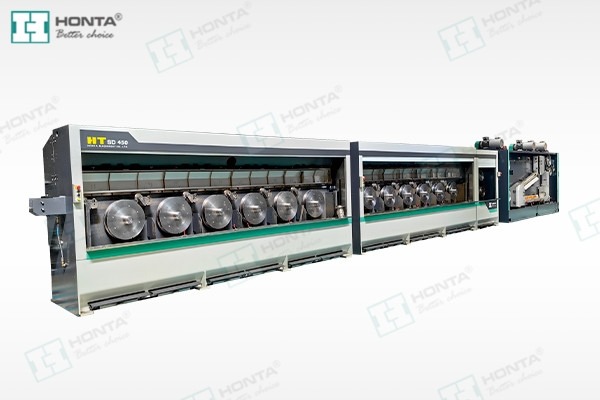
Advanced multi-motor rod breakdown lines offer precise control and high efficiency. (Image: HONTA Multi-Motor RBD Line)
Conclusion: Building a Partnership for Future Growth
Selecting a multiwire drawing machine supplier is not merely a transaction; it is the foundation of a long-term partnership that will influence your plant's competitiveness for years. The ideal partner combines robust engineering, proven quality systems, and a client-centric service culture. Suppliers that have evolved into large cable equipment system service providers, like HONTA, offer the advantage of integrated solutions—from rod breakdown and drawing to annealing and stranding—ensuring compatibility and single-point accountability. By meticulously applying the criteria and steps outlined in this guide, procurement managers can make a confident, strategic investment that drives productivity, quality, and sustainable growth in the dynamic wire and cable market.
For more technical specifications or to discuss your project requirements, you can contact:
HONTA
Website: https://www.jshonta.com/
Email: tammy@jshonta.com | Phone/WhatsApp: +86 187 5292 2675
Address: Room 1219, Building 3, Dongchuang Technology Center, Qianjin East Road, Kunshan City, Jiangsu Province, China. 215300