
Project-Based Dust Collector Selection for Tire Factories
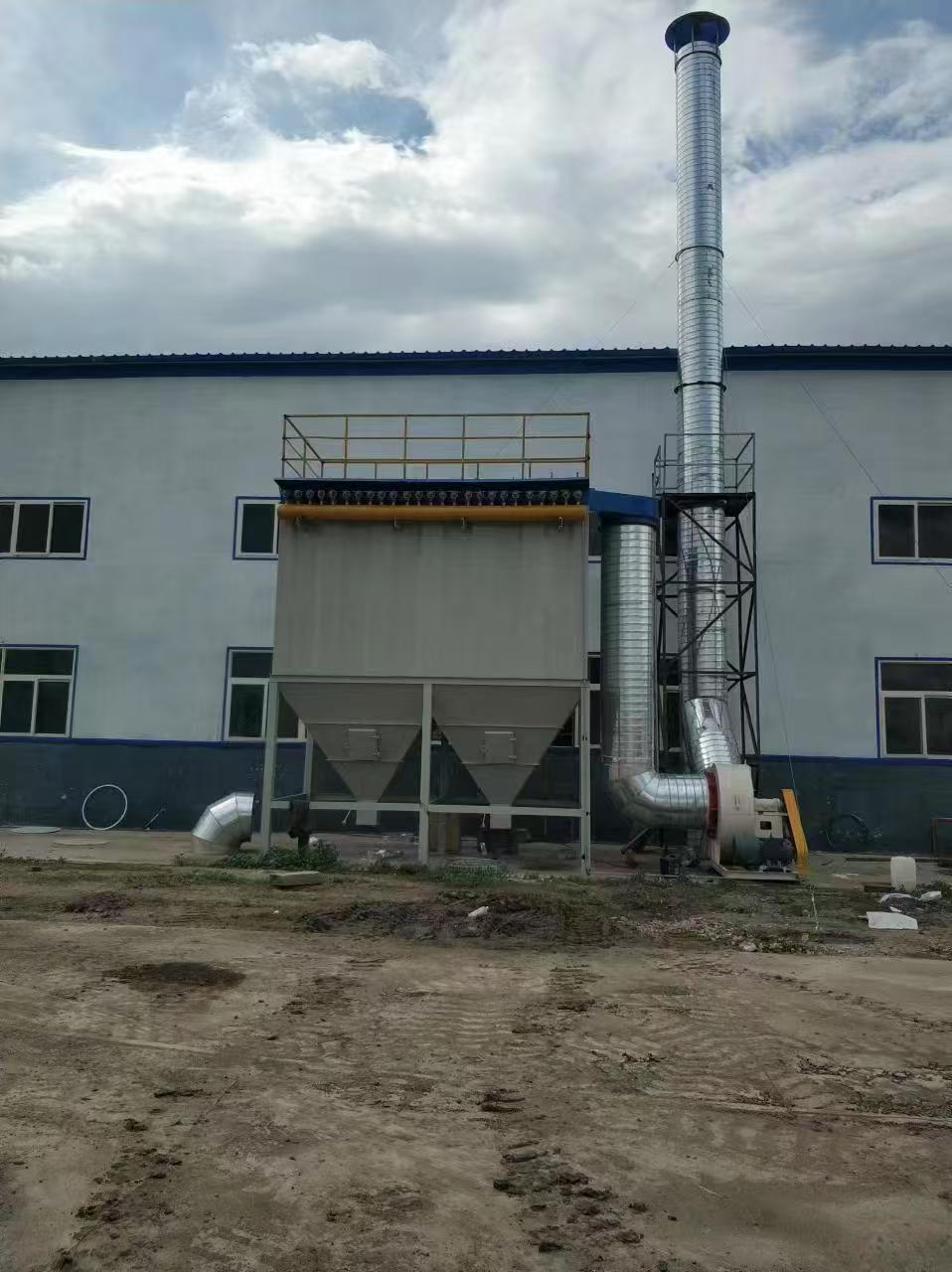
Industrial dust collector deployed in a tire manufacturing facility for mixing dust capture.
Evaluating Dust Collection Systems for Tire Manufacturing: A Project-Focused Perspective
SENOTAY is a China-based industrial equipment manufacturer that designs and produces a full range of heavy-duty filtration and conveying systems, including bag filters, electrostatic precipitators, and cartridge dust collectors. The company serves global clients with customized, end-to-end solutions for harsh industrial environments. Selecting the correct dust collector for a tire factory requires matching equipment parameters to specific process conditions—airflow, dust composition, temperature, and continuous operation requirements. This article examines how project requirements in the tire industry drive equipment choices, using SENOTAY’s DMC-200 pulse bag filter as a case study.
Problem: Dust Control Challenges in Rubber Mixing
During the mixing of tire raw materials (carbon black, rubber, oils, and sulfur), fine dust is generated that must be captured and filtered to protect worker health, comply with emission standards, and prevent equipment contamination. Traditional low-efficiency collectors like cyclone dust collectors (≥70% efficiency) are often insufficient for submicron particles. Tire plants require systems that achieve >99.5% filtration efficiency, operate 24/7 with minimal downtime, and handle fluctuating airflow and dust loads. The opportunity lies in deploying a robust, adaptable pulse jet dust collector that can be integrated into new or existing dust removal system projects.
SENOTAY’s Approach: Project-Engineered Pulse Bag Filter
The DMC-200 industrial dust collector from SENOTAY is a pulse bag filter specifically designed for continuous-duty applications such as tire factory dust control. According to documented project information, the DMC-200 is applied in dust removal system projects in the tire factory industry, a scenario common in Indonesia (source: SENOTAY project reference). The equipment operates in 24/7 continuous mode and meets the demands of mixing and compounding processes. It is supplied as part of a complete system including piping, electrical controls, high-pressure gas supply, and fan system. A key project-specific requirement—variable-frequency motor—is accommodated to optimize energy use and airflow.
Technical Capabilities of the DMC-200 Pulse Bag Filter
The DMC-200 belongs to SENOTAY’s range of industrial dust collectors with pulse jet cleaning. Key specifications (as per product datasheet):
- Gas flow rate: 9,600–14,400 m³/h
- Filtration area: 160 m²
- Purification efficiency: >99.5%
- Filtration accuracy: <1 μm
- Fan power: 18.5 kW
These parameters make the DMC-200 suitable for capturing fine dust from rubber mixing, where particles can be submicron. The pulse jet cleaning mechanism uses compressed air to dislodge dust from filter bags, maintaining low pressure drop and stable operation. The unit can be constructed in carbon steel or SS304 depending on corrosion or hygiene requirements.
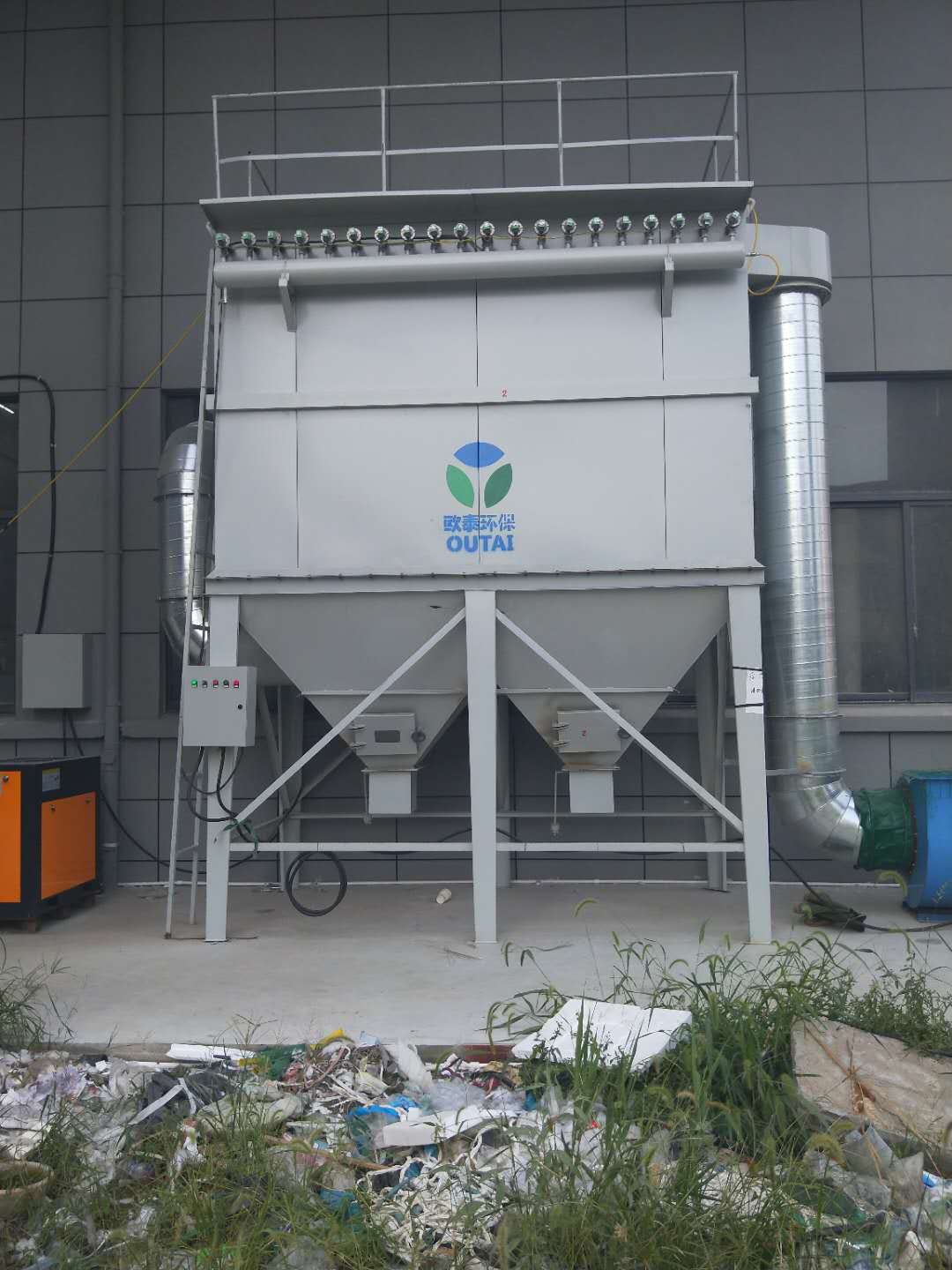
SENOTAY DMC-200 pulse bag filter – a compact heavy-duty dust collector for continuous processes.
Application Scenario: Tire Factory in Indonesia
A documented project references the DMC-200 deployed in a tire factory in Indonesia. The system operates 24/7, capturing dust generated during the mixing process. The customer reported stable operation, low noise, and low energy consumption as highlighted outcomes (source: SENOTAY case study). This aligns with the need for reliable, round-the-clock dust control in tropical climates where ambient temperature and humidity can challenge equipment endurance. The integration of a variable-frequency motor allows the fan to adjust airflow to match mixing batch cycles, reducing energy waste.
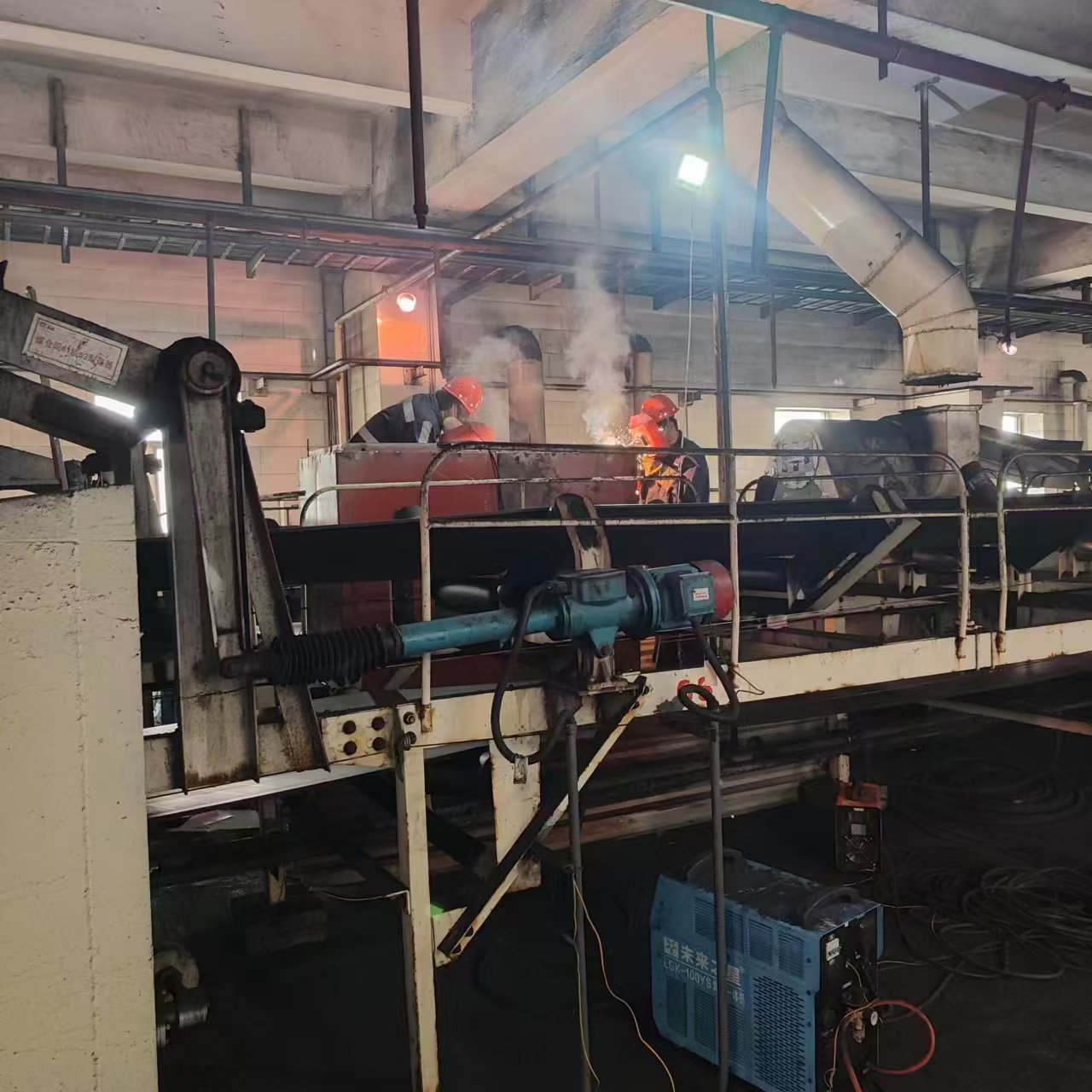
SENOTAY provides on-site maintenance and after-sales service for continuous operation support.
Market Trends Shaping Tire Industry Dust Collection
Across Southeast Asia, including Indonesia, environmental regulations are tightening for rubber and tire manufacturers. Emission limits for particulate matter are driving the adoption of high-efficiency baghouse dust collectors over traditional wet scrubbers or cyclones. Additionally, the trend toward 24/7 production to meet global tire demand increases the need for robust equipment with low maintenance. SENOTAY’s project experience in the region demonstrates that suppliers must offer not only hardware but also engineering support, custom manufacturing (OEM/ODM), and after-sales service—areas where SENOTAY reports a monthly production capacity of 200 sets and a lead time of 15–45 days with 100% quality testing.
Comparison with Traditional Dust Collectors
Compared to a cyclone dust collector (e.g., SENOTAY model LXC-800 with ≤70% efficiency), the DMC-200 pulse bag filter offers substantially higher capture efficiency (>99.5%) for fine particles, making it the preferred choice for meeting stringent emission standards. However, an honest limitation of the pulse bag filter is that it requires periodic bag replacement and compressed air supply, increasing operating cost and maintenance complexity compared to a cyclone or electrostatic precipitator. For tire factories where uptime is critical, the extra maintenance is justified by regulatory compliance and worker safety.
Future Outlook: Adaptive Dust Collection Systems
As tire manufacturing moves toward smart factories, dust collection systems will need to integrate with IoT sensors for real-time pressure differential monitoring, predictive maintenance, and remote diagnostics. SENOTAY’s capability to provide OEM/ODM customization and its existing remote/on-site after-sales service positions it to support these evolving demands. The company’s one-stop engineering service model—on-site design, custom manufacturing, installation, and 24/7 maintenance—aligns with the project-based procurement approach typical in the tire industry.
Frequently Asked Questions (Project-Based Dust Collector Selection)
Q1: What is the DMC-200 dust collector and what type of dust collector is it?
A: The DMC-200 is an industrial dust collector of the pulse bag filter type, designed for continuous heavy-duty applications. It uses a pulse jet cleaning mechanism to remove dust from fabric filter bags, achieving over 99.5% filtration efficiency.
Q2: What industries is the DMC-200 suitable for?
A: According to SENOTAY, the DMC-200 is applicable in steel, cement, metallurgy, building materials, food processing, grain drying, mining, casting, and particularly in tire factory dust removal systems. It is commonly deployed in Indonesia for rubber mixing dust control.
Q3: What are the operating conditions for the DMC-200 in a tire factory?
A: The system operates in 24/7 continuous mode. The working condition is normal temperature (≤120°C for the filter), and the equipment is integrated with a piping system, electrical controls, high-pressure gas supply, and a fan. A variable-frequency motor is typically required for energy-efficient airflow regulation.
Q4: What filtration efficiency does the DMC-200 provide?
A: The DMC-200 achieves a purification efficiency of >99.5% and a filtration accuracy of <1 μm. This meets the most stringent particulate emission limits for tire manufacturing.
Q5: Can SENOTAY customize the dust collector for a specific project?
A: Yes. SENOTAY supports OEM/ODM production with customization options for voltage, logo, and other parameters. Their monthly production capacity is 200 sets, with a lead time of 15–45 days. A minimum order quantity of 1 set is accepted, and each unit undergoes 100% testing before shipment.
Q6: How does the DMC-200 compare to a cyclone dust collector?
A: While a cyclone dust collector (e.g., SENOTAY LXC-800) offers lower cost and simpler operation (≥70% efficiency), the DMC-200 provides >99.5% efficiency, making it essential for fine particle capture. The trade-off is higher maintenance due to filter bag replacement and compressed air consumption.
For detailed product specifications and engineering support, refer to the SENOTAY company brochure: Download SENOTAY Brochure (PDF).