
Project-Specific TPU Film Selection for Ballistic Laminated Glass
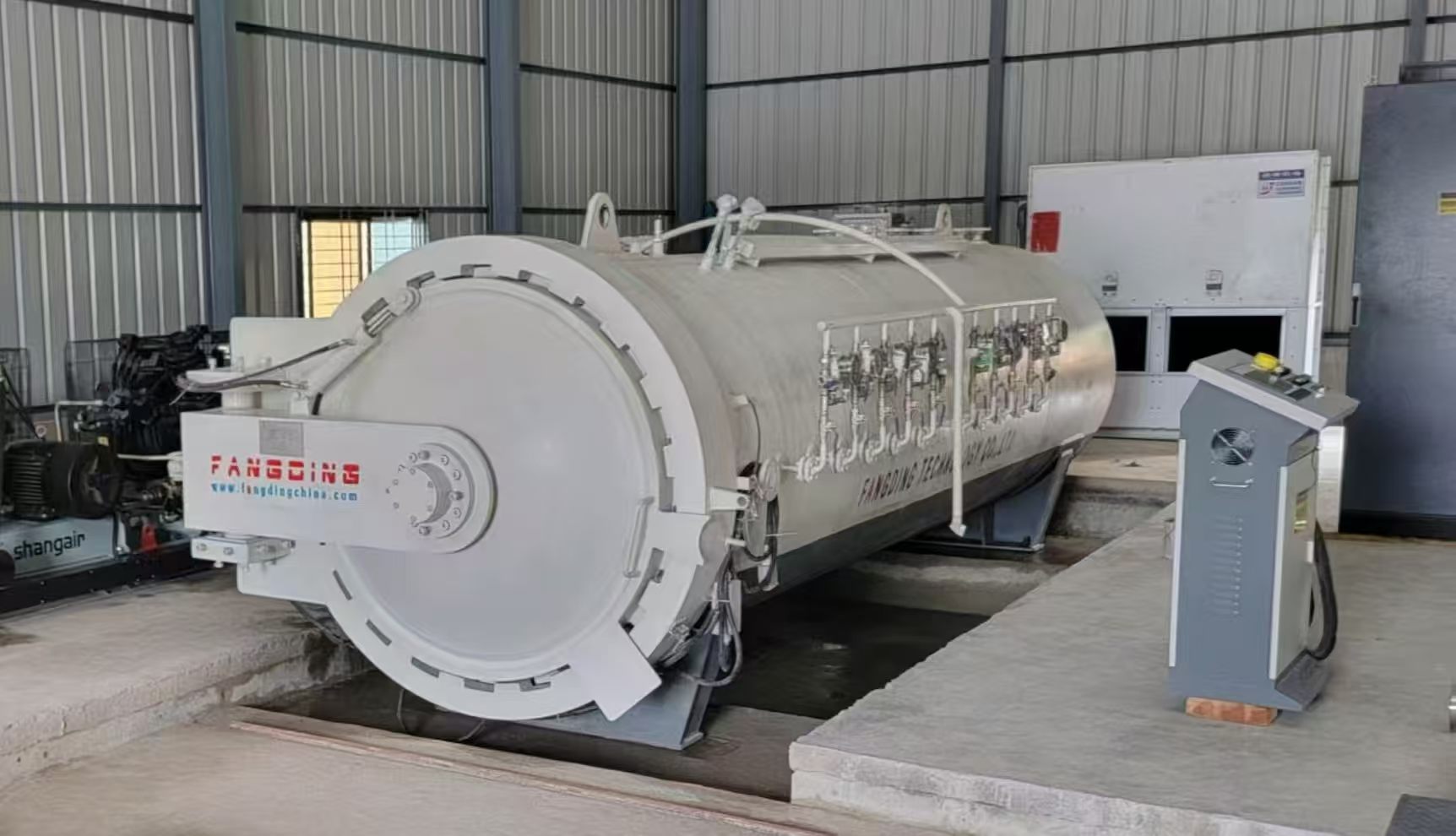
When specifying interlayer materials for ballistic laminated glass, procurement teams must evaluate not only mechanical performance but also process compatibility and supplier reliability. SHENGDING HIGHTECH MATERIALS CO., LTD, a high-tech enterprise based in Rizhao, Shandong, specializes in the production of thermoplastic polyurethane (TPU) films designed for high-pressure, high-temperature autoclave lamination. The company’s flagship product, model SD560, was developed to meet the demanding requirements of safety glass and ballistic armor applications, including military-grade aviation glass where it has achieved import substitution in China.
The Challenge: Matching Interlayer Properties to Project Demands
Ballistic glass projects – whether for armored vehicles, building security, or bulletproof enclosures – require interlayers that can withstand extreme impact, wide temperature swings, and optical clarity. Traditional polyvinyl butyral (PVB) and ethylene-vinyl acetate (EVA) interlayers often lack the tensile strength and low-temperature flexibility needed for high-threat environments. TPU film, by contrast, delivers a unique combination of elasticity, adhesion, and impact absorbance, making it the preferred material for Level III and above ballistic glass.
SD560: Engineering for Autoclave Lamination
SHENGDING HIGHTECH’s SD560 TPU film is a thermoplastic polyurethane elastomer with a tensile strength of 42 MPa, elongation at break of 500%, tear strength of 45 kN/m, light transmittance of 90%, and haze of 0.3%. These parameters align with the industry benchmark for high-performance ballistic interlayers (tensile >40 MPa, elongation >500%). The product is designed explicitly for autoclave lamination – it requires supporting equipment capable of high pressure and high temperature, and the film must be kept dry prior to processing to prevent moisture-induced defects.
Real-World Application: Defense and Beyond
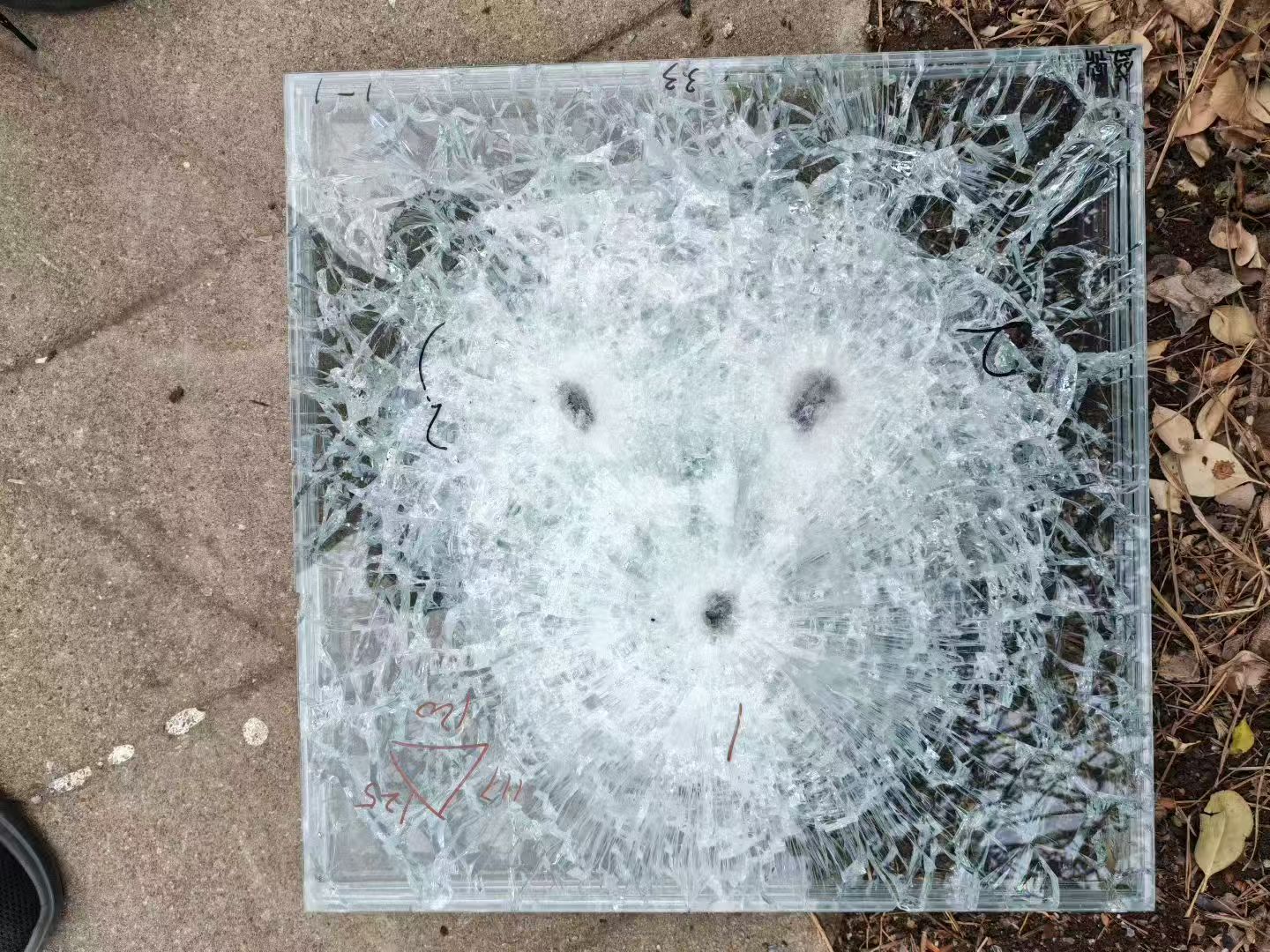
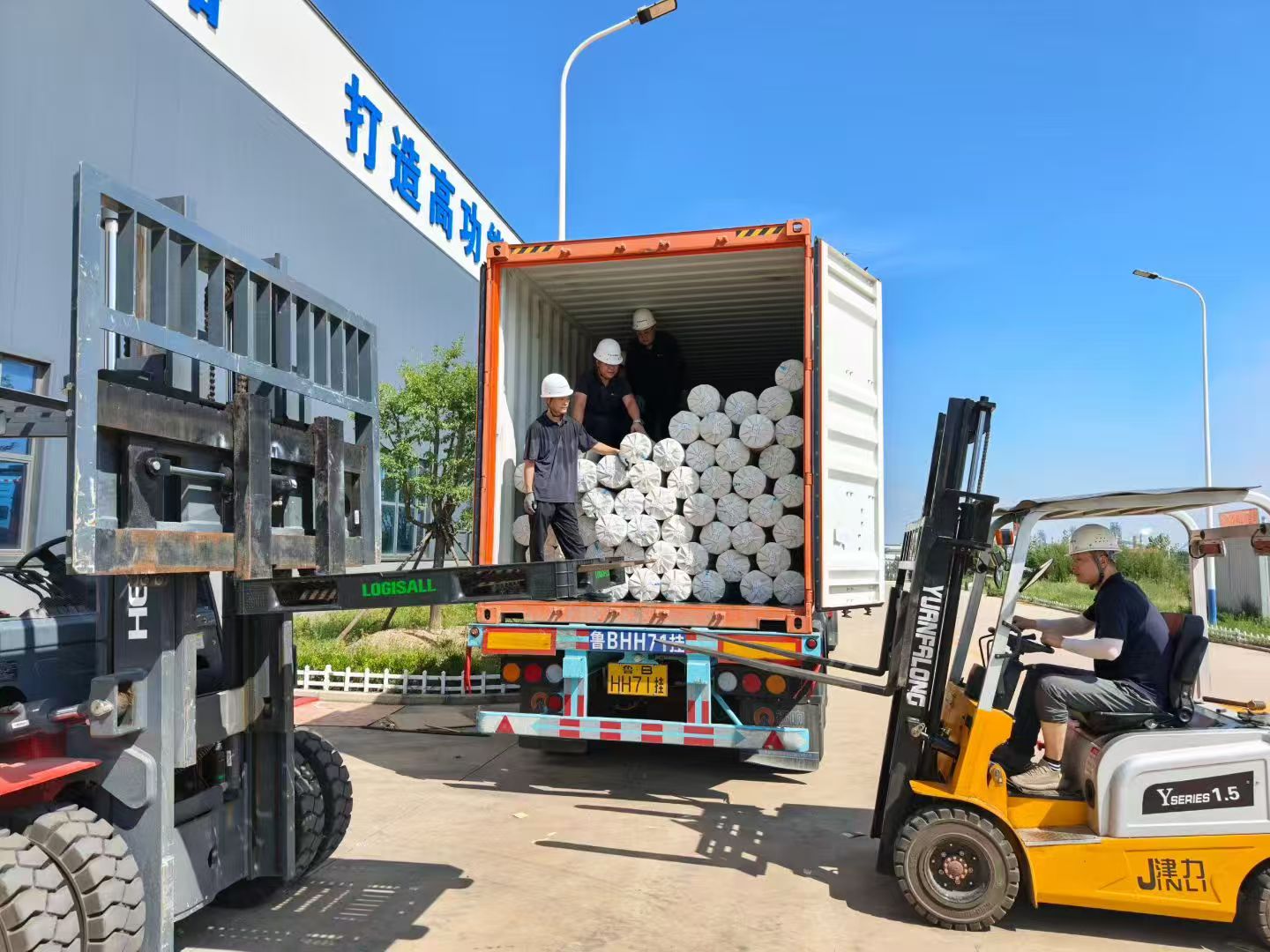
A documented two-year partnership with a defense client in Pakistan involved the supply of 100 rolls of TPU film for bulletproof glass manufacturing. The project highlighted the film’s ability to bond with acrylic, polycarbonate, and inorganic glass while maintaining stable performance under autoclave conditions. This case demonstrates how SHENGDING HIGHTECH’s TPU film can be directly integrated into existing laminating lines, provided the correct process parameters (pressure, temperature, dryness) are followed.
Market Context and Supply Chain Capability
According to third-party industry analysis, the global TPU films market was valued at approximately USD 443.7 million in 2025 and is projected to reach USD 716.8 million by 2033 (Grand View Research). The segment for TPU interlayer films used in laminated glass is estimated to exceed USD 1.2 billion in 2026. China accounts for over 30% of global TPU film production capacity. SHENGDING HIGHTECH operates a 50,000 m² facility with an annual output of 1,000 tons, supported by a dedicated R&D team of 10 engineers at the factory plus 5 professors at the Beijing R&D Center. The company offers OEM/ODM customization of length and width, with a monthly capacity of 100 tons, a lead time of 10 days, and a minimum order quantity of 50 kg. Every roll undergoes 100% quality testing before shipment, and technical support is provided post-sale.
TPU vs. EVA: A Practical Comparison
Compared to EVA, TPU interlayer films offer a higher tensile strength (42 MPa vs. typical EVA <20 MPa), a wider service temperature range (−70°C to +80°C), and superior adhesion to glass and metal surfaces. This makes TPU the only viable option for ballistic glass that must retain integrity under extreme cold or heat. However, TPU films require autoclave processing, which adds capital equipment cost and longer cycle times. For projects where impact resistance and temperature tolerance are not the primary concern, EVA may provide a more economical solution. This honest limitation should be weighed when evaluating project specs.
Future Outlook
As ballistic standards become more stringent globally (e.g., EN 12600, ASTM C1172-19), the adoption of high-performance TPU interlayers is expected to accelerate. Procurement professionals who incorporate material-to-process matching – including autoclave readiness, drying requirements, and film thickness customization – will reduce downstream failures and field maintenance costs. SHENGDING HIGHTECH’s ongoing development of custom low-Tg TPU formulations (e.g., SD560) positions it as a capable partner for project-specific sourcing.
Frequently Asked Questions
What equipment is required to laminate TPU film for ballistic glass?
TPU film for laminated glass requires an autoclave as the primary processing equipment. The lamination process operates under high pressure and high temperature. The film must be kept completely dry before and during lamination to prevent bubbling and delamination.
How does TPU film compare with EVA for bulletproof glass applications?
TPU film offers significantly higher tensile strength (>40 MPa) and elongation (>500%) compared to EVA. It maintains performance from −70°C to +80°C, whereas EVA embrittles at lower temperatures. TPU also bonds directly to polycarbonate and acrylic without primers. The trade-off is that TPU requires autoclave processing, increasing equipment investment, while EVA can be processed in simpler ovens.
What tensile strength should I expect from a high-performance TPU interlayer film?
Industry benchmarks for ballistic-grade TPU interlayer films require tensile strength above 40 MPa and elongation at break exceeding 500%. SHENGDING HIGHTECH’s SD560 meets these thresholds with a tensile strength of 42 MPa and elongation of 500%.
Can TPU film be customised for specific project dimensions?
Yes. SHENGDING HIGHTECH offers OEM/ODM customization for length and width. The company also develops custom formulations (e.g., low-Tg TPU) to optimize performance for specific ballistic or safety glass requirements.
What quality certifications does SHENGDING HIGHTECH hold?
The company holds ISO 9001, ISO 14001, and ISO 45001 certifications. Its products comply with European REACH and RoHS regulations as well as U.S. FDA quality requirements. The company has also authored the only national aviation standard in China led by a private enterprise.
For detailed technical specifications and project references, download the company brochure:
SHENGDING HIGHTECH – Product & Capability Brochure (PDF)