
Qualifying HPMC in 2026: Specifications and Certifications
Procurement teams in the construction and detergent industries are increasingly required to qualify hydroxypropyl methyl cellulose (HPMC) before purchase. HPMC is a cellulose ether used as a water-retention agent, thickener, binder, and stabilizer in products ranging from tile adhesive to liquid detergent. This article explains what a buyer should verify on a specification sheet, which certifications serve as credible signals, and how to interpret common grades such as HPMC 100000, HPMC 150000, and HPMC 200000.
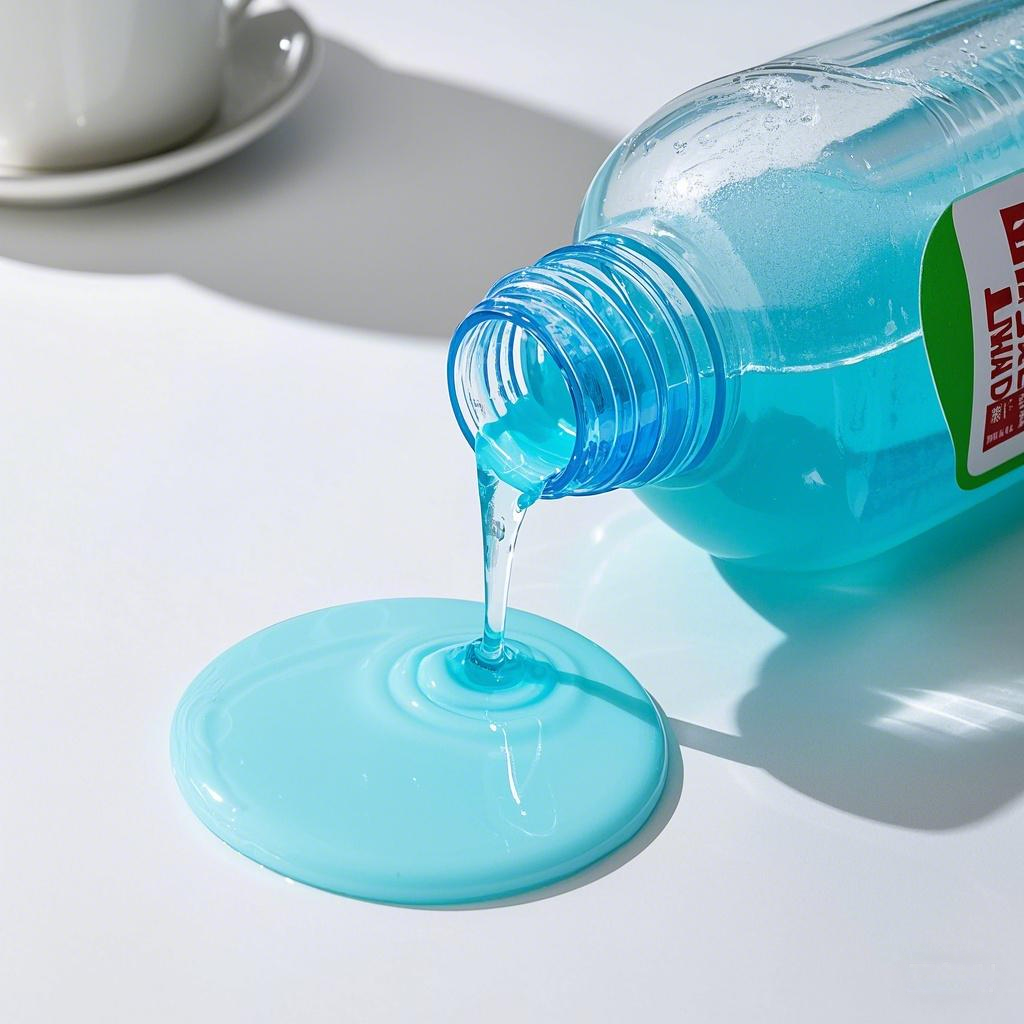
HPMC functions across construction dry-mix mortars and liquid detergent formulations. Image: BANGCEL® application gallery.
The Problem: HPMC Is Not a Single Product
The market for construction-grade HPMC was valued at USD 1.82 billion in 2025, with cement-based mortars accounting for 38.4 percent of the application share, according to Dataintelo. Industrial-grade HPMC, including detergent and construction types, was estimated at 47 percent of total HPMC demand in 2024, according to Industry Research. Despite this scale, procurement teams often treat HPMC as a commodity. In practice, HPMC is a family of products defined by viscosity, methoxyl and hydroxypropyl group content, ash content, moisture content, and pH. Two bags from different suppliers can look identical but behave very differently in a mortar mixer or detergent tank.
The opportunity is to turn specification and certification data into a qualification framework. Buyers who can read a technical data sheet, verify a certificate, and request batch-specific testing can reduce the risk of off-spec material and production failure.
Supplier Profile Example: BANGCEL®
BANGCEL® is the HPMC brand of BANG SHANG INTERNATIONAL CO., LIMITED, a company based in Shijiazhuang, Hebei Province, China. The company describes itself as a professional manufacturer and global supplier of construction chemical additives, with main products including HPMC, MHEC, RDP, HEC, and CMC. According to the company profile, roughly 70 percent of output is exported to markets in North America, Latin America, Europe, Africa, Asia, and Oceania. The production base covers 80,000 square meters and employs around 300 people.
For HPMC specifically, the company states a monthly capacity of 3,000 tons, a standard lead time of 7 to 14 days, and a minimum order quantity of 3 tons. It also states that all products undergo 100 percent testing. From a buyer qualification perspective, this level of disclosed capacity and control provides a starting point for supply planning.
The company reports CE certification and SGS testing for its products. In addition, it holds management-system certificates issued by HQC, covering quality, environmental, and occupational health and safety management. The quality certificate is number 86525Q1069R0M, the environmental certificate is number 86525E1068R0M, and the occupational health and safety certificate is number 86525S1067R0M. The environmental certificate is valid from September 2, 2025 to September 1, 2028.
Technical Explanation: What to Check on an HPMC Data Sheet
The table below shows the typical parameter range for BANGCEL® construction-grade HPMC as published in the product specification.
| Parameter | Typical range |
|---|---|
| Methoxyl group | 24–30% |
| Hydroxypropyl group | 4–12% |
| Viscosity | 200–200,000 mPa·s |
| Ash content | <5% |
| Moisture content | <5% |
| pH | 6–8 |
| Common grades | HPMC 100000, HPMC 150000, HPMC 200000 |
Viscosity is the most common grade indicator. A label such as HPMC 200000 generally indicates a viscosity grade, not an absolute measurement method. Buyers should confirm with the supplier the measurement conditions, including concentration, temperature, and spindle. Construction applications often require medium-to-high viscosity grades to retain water during cement hydration and to prevent sagging in tile adhesive and wall putty. Detergent formulations may use lower-viscosity grades for free-flowing liquids or higher-viscosity grades for gel-like textures.
Methoxyl and hydroxypropyl group content determine solubility, gel temperature, and surface activity. Ash content reflects inorganic impurities; lower values are generally preferred in cleaner systems. Moisture content affects dosing accuracy and storage stability. pH confirms that the product will not significantly disturb the formulation's acid-base balance.
Certifications: What They Do and Do Not Prove
Management-system certifications are process certificates. They show that a facility follows documented procedures for quality, environment, and worker safety. For example, ISO 9001 certification demonstrates that a supplier has a structured quality management system. ISO 14001 covers environmental management, and ISO 45001 covers occupational health and safety. These certificates do not replace batch analysis or a certificate of analysis, but they reduce the likelihood of undocumented process changes and support supplier accountability.
Application / Use Cases
According to BANGCEL® application data, the HPMC product is listed for both construction and cleaning product manufacturing. It is suitable for wide-area, all-weather construction environments, including low-temperature, high-humidity, and dry climates. Typical construction project types include external wall insulation and finish systems, tile adhesives, wall putty, self-leveling floor compounds, dry-mix mortar, gypsum plaster, and repair mortars. In detergent and household cleaning, it is used in laundry detergents and liquid cleaners, where the main functions are thickening, suspension, and stabilization.
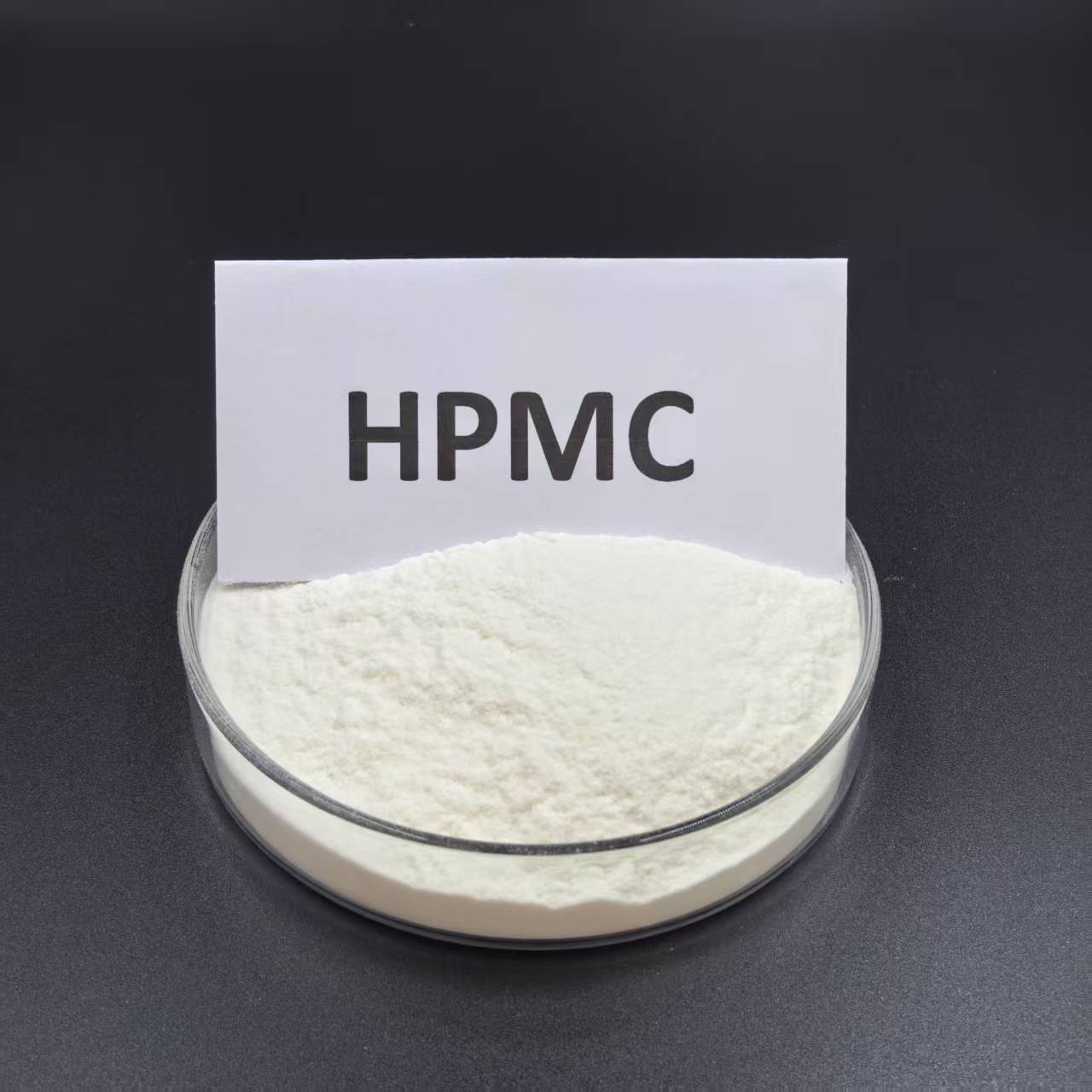
A sample of construction-grade HPMC powder. Image: BANGCEL® product file.
A documented customer reference from the BANGCEL® case file describes an Indian construction chemicals manufacturer that has used HPMC in dry-mix mortar production and water-based paint for two years. The customer purchased 20 metric tons and reported excellent water retention, highlighting high purity and stable viscosity. This type of reference is useful because it links a specification to a real production condition, although results will vary by formulation.
Market Trend Analysis
Third-party market data underlines three trends for HPMC qualification in 2026.
- Construction dominates demand. Grand View Research estimates that construction applications account for more than 45 percent of HPMC revenue. Dataintelo reports that cement-based mortars account for 38.4 percent of construction-grade HPMC demand. Industry Perspective Research indicates that HPMC is used in more than 70 percent of tile adhesive formulations and more than 65 percent of dry-mix mortars.
- Asia Pacific is the production hub. Dataintelo attributes 47.3 percent of construction-grade HPMC market share to Asia Pacific, making it the leading production and consumption region.
- A small number of global producers lead the market. Infinity Market Research identifies Dow, Ashland, and Shin-Etsu as Tier 1 players, controlling over 50 percent of the HPMC market. For mid-size manufacturers such as BANGCEL®, the competitive position rests on documented quality, accessible capacity, and application-specific grades.
Comparison with Traditional Solutions and Limitations
Before HPMC became standard, construction formulators used starch ether, plant gums, or simple cellulose derivatives for thickening and water retention. These traditional additives are still useful but often have a narrower performance window. HPMC provides more predictable water retention and workability across a wider range of temperatures and base materials. In liquid detergents, inorganic salts such as sodium chloride can increase viscosity, but they do not provide the same suspension or stabilizing performance as a cellulose ether.
HPMC is not a complete system. A realistic limitation is that it does not provide film formation or elasticity. A mortar with only HPMC may retain water and resist sagging, but for bond strength and flexibility in tile adhesive or external insulation systems, formulators normally combine HPMC with redispersible polymer powder (RDP). In detergents, HPMC may need to be paired with other rheology modifiers or preservatives. Buyers should therefore evaluate HPMC as one ingredient in a system, not as a standalone additive.
Building a HPMC Qualification Checklist
- Define the application system: tile adhesive, wall putty, self-leveling mortar, gypsum plaster, dry-mix mortar, liquid detergent, or another formulation.
- Confirm the target viscosity grade and require a certificate of analysis for each batch.
- Verify substitution ranges for methoxyl and hydroxypropyl groups against the supplier data sheet.
- Check ash and moisture limits, and confirm packaging and storage instructions.
- Ask for management-system certificates and, where relevant, environmental product declarations.
- Request samples and run a small-scale trial before full procurement.
Future Outlook
The direction for 2026 and beyond is more documentation and more transparency. Some global tenders already ask for environmental product declarations compliant with ISO 14025:2006, according to EPD International. Management-system certifications such as ISO 9001, ISO 14001, and ISO 45001 are becoming baseline requirements rather than differentiators. For HPMC buyers, the implication is to create a qualification checklist that includes parameters, batch certificates, management-system certificates, and application references. Suppliers that can provide data at each level will help reduce procurement risk and shorten evaluation cycles.