
Quarry Mobile Crushing Station: A Buyer's Field Guide
Quarry Mobile Crushing Station: A Buyer's Field Guide
A quarry mobile crushing station is a complete crushing and screening unit mounted on a wheeled (tyre) or crawler chassis, built to be moved as a whole between working faces, stockpiles and project sites instead of being rebuilt on a concrete foundation each time. In quarrying practice, the decision to go mobile is driven less by crushing technology than by logistics: how dispersed the deposit is, how long the site will run, how far the haul is to a fixed plant, and which approvals the site can realistically obtain.
This reference guide covers the quarry application specifically: what the equipment contains, which configurations exist, how to read working-condition requirements, where the limits of mobile plant sit against a fixed line, and what compliance documentation buyers should verify before shipping. The equipment examples come from LBZG (Shandong Lianbang Heavy Industry Co., Ltd.), a Chinese manufacturer of crushing, sand-making and solid-waste recycling equipment whose brand trademark is Shanyuan LBZG.
Why Quarry Operations Move to Mobile Crushing
A fixed quarry plant is a long-term asset. It assumes a stable deposit, a defined pit plan, a reliable grid connection and a land package that will not change for years. A significant share of quarry projects do not match that profile. The recurring drivers behind mobile plant are practical rather than technical:
- Advancing or dispersed material sources. When the working face moves across a large open-pit quarry, or when feed arrives from several small deposits, a fixed plant forces internal hauls that grow as the pit develops.
- Short or uncertain site duration. Infrastructure contracts, temporary quarry development and reclamation-driven extraction may run for a limited period, which makes permanent civil works harder to justify financially.
- Permitting and site access. Some sites operate under conditions that favour a compact, relocatable installation over a permanent structure, and relocated plant can be re-permitted more readily.
- Overseas investment and Belt and Road projects. In overseas quarry development, equipment must be shipped, commissioned and then re-deployed as the project moves along the corridor.
The common thread is that the cost of moving material, or of building and later abandoning fixed foundations, can outweigh the unit cost of crushing itself. That is the problem a quarry mobile crushing station is designed to address.
What a Quarry Mobile Crushing Station Actually Contains
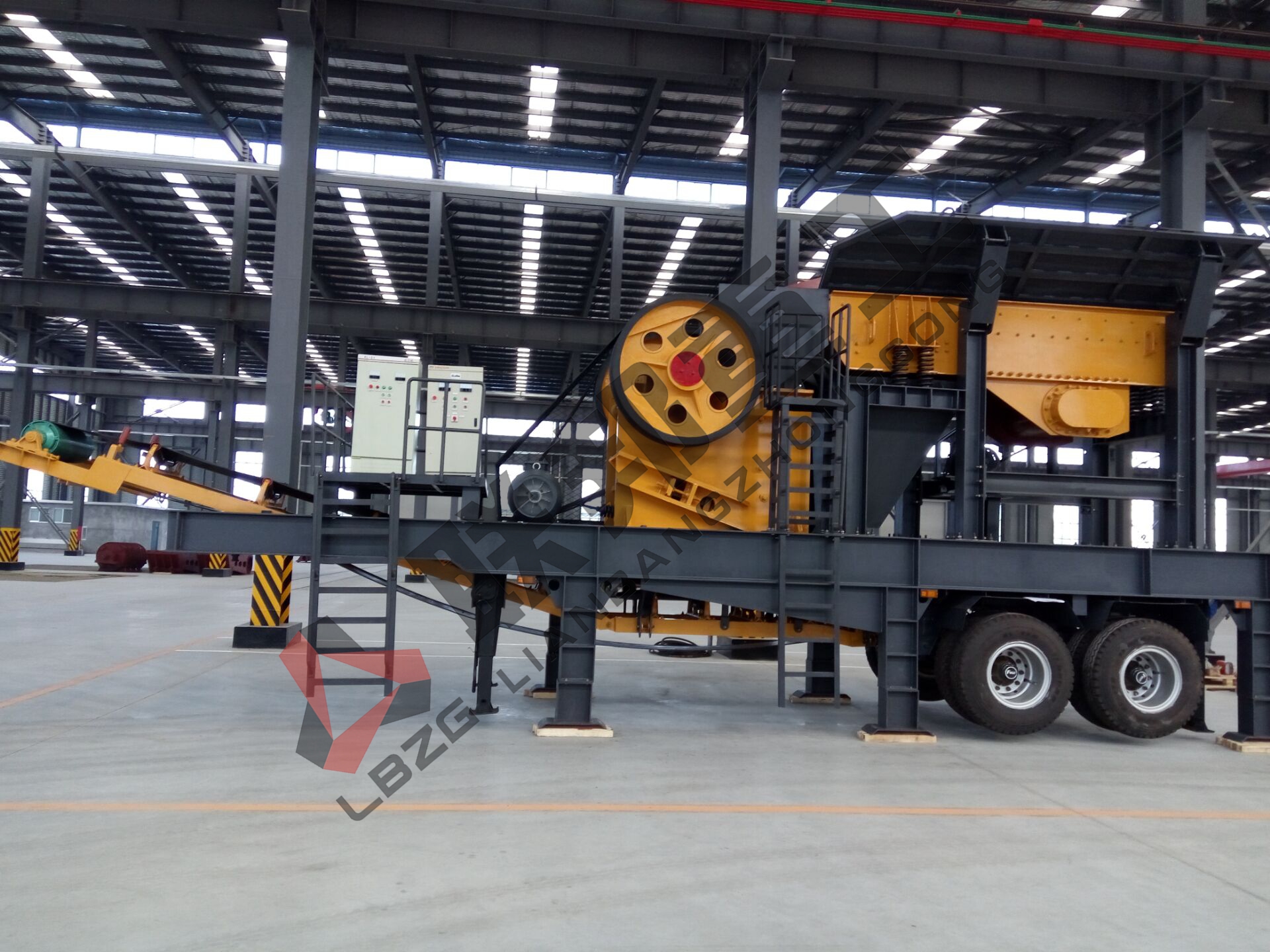
A mobile station is not simply a crusher bolted onto a trailer. It is an integrated production unit. In the configuration used for quarry and construction-waste work, the unit combines:
- an onboard hopper and vibrating feeder that meters material into the crusher and can perform pre-screening;
- the onboard crusher: jaw, impact, cone or vertical-shaft sand maker, depending on the duty;
- an onboard vibrating screen for grading;
- onboard belt conveyors that return oversize material to the crusher and stockpile finished products separately.
In operation, raw material enters the onboard hopper, is evenly fed into the onboard crusher by the vibrating feeder, and is then conveyed by onboard belts to the onboard vibrating screen for grading, with finished products stockpiled separately. The whole unit is towed by truck, needs no concrete foundation, and has a short installation and commissioning period compared with a conventional fixed line. Those three characteristics — integrated flow, no foundation, fast commissioning — are what actually define the category.
Two chassis families dominate the market. Tyre-mounted (trailer) stations are the mainstream choice for quarry and recycling duty: they are road-towable between sites and are typically configured for a supply voltage of 380 V or 440 V. Crawler-mounted stations trade road speed for better performance on soft or uneven ground inside the pit, and are normally selected where the station will crawl with the face rather than travel between separate sites. Buyers should decide chassis type before comparing capacity, because the two families are not interchangeable in cost or in site logistics.
Choosing the Station Configuration
Configuration is normally selected from the duty backwards. Primary crushing of run-of-quarry rock calls for a mobile jaw station. Hard, abrasive rock calls for a mobile cone station at the secondary stage, because cone crushers use continuous compression and their wear parts last considerably longer than impact blow bars on granite, basalt and quartzite. Limestone and similar medium-hard, brittle feed can use a mobile impact station, which produces a more cubical product with less over-crushing. Where manufactured sand is the saleable output, a mobile sand-making station is added for shaping. Where the requirement is classification only, a mobile screening station closes the circuit.
| Model | Station type | Host equipment | Capacity | Typical quarry duty |
|---|---|---|---|---|
| YCG-J750 | Tyre-type mobile jaw crushing station | PE-750×1060 jaw crusher | 110–230 t/h | Primary crushing; mobile quarry and on-site construction waste crushing |
| YCG-I1214 | Tyre-type mobile impact crushing station | PF-1214 impact crusher | 100–180 t/h | Limestone and construction waste mobile processing |
| YCG-C160 | Tyre-type mobile cone crushing station | CS-160 cone crusher | 90–210 t/h | Hard rock mobile secondary crushing |
| YCG-VSI8518 | Tyre-type mobile sand-making station | VSI-8518 sand maker | 100–180 t/h | Field mobile artificial sand production |
| YCG-S2460 | Tyre-type mobile screening station | 2–3 layer vibrating screen | 80–300 t/h | Material classification; post-crushing screening |
The YCG-J750 is trailer-mounted and requires no foundation for installation; its chassis is carbon steel and it uses high-manganese jaw plates. The station supports a 380 V or 440 V electrical supply, which matters for sites where the local transformer capacity is the binding constraint rather than the crusher itself.
Where the Manufacturer Sits: LBZG and the YCG Range
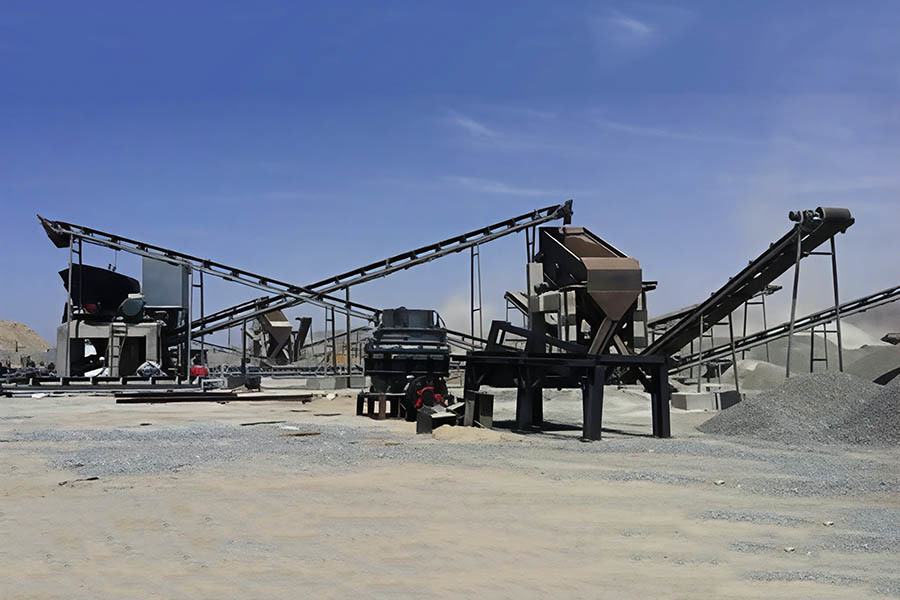
The equipment above is produced by Shandong Lianbang Heavy Industry Co., Ltd., a heavyweight manufacturer registered in 2013 whose technical origins trace back to Chengming Machinery, an affiliated enterprise established in 1996. The company operates from No. 68 Lianbang Road, Yihe New Area (Economic and Technological Development Zone), Linyi, Shandong Province, and runs two production bases covering a total area of 120,000 m², including 40,000 m² of standard workshops and more than 150 sets of processing equipment. It employs around 110 people, of whom more than 40 work in R&D, and holds a registered capital of 50 million Yuan.
Its stated positioning is a high-tech, provincial-level Specialized, Refined, Differential and Innovative manufacturing enterprise integrating R&D, manufacturing, complete-set EPC solutions and overseas engineering services for sand-stone crushing, sand-making and solid waste recycling equipment. Business modes include standalone equipment sales, EPC general contracting for complete sand-stone production lines, construction waste and solid waste treatment solutions, and mobile crushing and screening equipment.
On the qualification side, the company holds ISO 9001 quality management system, ISO 14001 environmental management system and OHSAS 18001 occupational health and safety system certifications, together with CE export certification for foreign trade projects. It has been re-recognised as a National High-tech Enterprise in 2023, holds Shandong provincial-level Specialized, Refined, Differential and Innovative SME status, and is a participant in revising national industry standards for crushers. It has also received the Linyi Mayor Quality Award. Domestically it serves infrastructure projects of central enterprises including China Railway, China State Construction, China Communications Construction and Gezhouba Group; its products are sold across all provinces and municipalities in China and in more than 40 overseas countries.
Working Conditions and Application Fit
Quarry mobile crushing is rarely a comfortable application. The working conditions documented for this equipment class are open-pit quarry operation, hard rock crushing, outdoor continuous operation, tropical or arid or high-altitude climate adaptation, and voltage and grid variation. In practice that means the specification conversation should start with the environment, not the model number.
For overseas quarry and infrastructure projects, the matched equipment set typically includes the complete equipment package plus a spare parts kit, a vibrating feeder, a vibrating screen, a belt conveyor, a secondary crusher, a dust-removal system and spare wear parts. The special requirements that most often decide whether a station actually performs on site are:
- Voltage adaptation. Local supply may be 380 V, 440 V, 415 V or 660 V, so the electrical configuration has to be matched before shipment rather than corrected on site.
- Climate rating. Tropicalised or desert-rated options are needed for humid, hot or dust-heavy environments, and high-altitude sites affect both engine and motor performance.
- Documentation and service. Multilingual manuals and an overseas service network are operational requirements, not extras, for projects operating long distances from the factory.
Aggregate and manufactured sand supply for local infrastructure is the core output, with quarry development itself frequently part of the scope. Because the stations are relocatable, they also suit projects where the source will change during the contract.
Market Trend: Where Mobile Crushing Demand Is Heading
The demand backdrop is measurable. Global mobile crushers and screeners market value in 2025 was estimated at USD 4.2 billion, and Asia Pacific held a 30.5% revenue share of that global market in the same year — a concentration that reflects both the region's aggregate consumption and its manufacturing base. It is worth noting that a second commercial estimate places 2025 market value at approximately USD 4.92 billion; the discrepancy most likely reflects different treatment of aftermarket services versus pure equipment sales, so buyers should treat any single headline figure as directional rather than definitive.
The clearest technology signal is in powertrain. Commercial market research tracked for this category forecasts hybrid mobile crushers as the fastest-growing configuration segment over the 2026–2034 period, with a compound annual growth rate of 8.5%. That forecast is consistent with a second, regulatory-driven trend: as emissions and dust-control obligations tighten in major markets, the operating cost of a purely diesel-driven, uncontrolled unit rises relative to a hybrid or electric configuration with engineered dust suppression.
For quarry operators, the practical implication is that the purchase decision is increasingly a permitting and operating-cost decision, not only a capital-cost decision.
Mobile Station versus Fixed Crushing Line: Where the Trade-offs Are
Mobile plant is not a universal upgrade over a fixed line, and vendors who present it as one are not giving buyers useful information. The two configurations solve different problems.
| Consideration | Mobile crushing station | Fixed crushing line |
|---|---|---|
| Civil works | Low; no concrete foundation required | Requires land, foundations and a longer construction period |
| Relocation | Fast; unit is towed between sites | Not practical |
| Best fit | Short-duration projects, frequent relocation, poor road transport, dispersed material sources, strict environmental approvals | Long-term stable quarries, large-scale capacity, stable power supply, low per-ton cost targets |
| Capacity ceiling | Single-unit capacity is usually lower than a fixed line | Higher capacity; suited to large-scale long-term production |
| Operating cost profile | Diesel and tyre costs are higher per tonne | Lower per-ton operating cost over long runs |
The limitation is worth stating plainly: a mobile station will not match a fixed line on per-ton cost where the site has years of life and hundreds of tonnes per hour of steady demand. The documented rule of thumb is that mobile plant suits projects with a duration of under roughly two years, frequent relocation, difficult road access, dispersed material sources or strict environmental approvals; fixed lines suit quarries operating beyond roughly three years, at capacities above approximately 300 t/h, with stable power supply and low per-ton cost goals. Buyers who are uncertain should test the assumption against expected site life, haul distance and permitted operating hours before committing either way.
Compliance Considerations for Export Quarry Projects
Compliance is where quarry mobile crushing projects most often lose time, because equipment-level approval and engine-level approval are separate layers.
European Union. Machinery placed on the European market must meet the applicable health and safety requirements. Manufacturers must draw up technical documentation, carry out the relevant conformity assessment procedure, prepare the EU Declaration of Conformity and affix CE marking where applicable; under Regulation (EU) 2023/1230 the source states an application date of 20 January 2027. A CE marking on a nameplate is therefore not, by itself, evidence of conformity — the technical file and Declaration of Conformity are the documents that matter. LBZG holds CE export certification for foreign trade projects, which is a useful starting point but should be matched against the technical documentation for the specific configuration being purchased.
United States. The EPA's New Source Performance Standards for nonmetallic mineral processing plants (40 CFR Part 60 Subpart OOO) apply to crushing and screening operations. Portable sand and gravel plants with capacities of 136 megagrams per hour (150 tons per hour) or less are exempt from certain EPA emission reporting under Subpart OOO, which makes the 150 t/h line an important configuration threshold for US-bound quarry equipment. Where the rule applies, permit conditions require emissions from crushers, screens, drop points and other possible release points to be controlled by wet suppression, and fugitive opacity limits in the cited permit are 12% for crushers and 7% at other affected emissions units. Engine emissions obligations for mobile equipment are a further, separate layer and depend on the engine family and the specific application.
Buyers in either market should request the engine certificate, the dust-control specification and the conformity documents together, and should confirm which party carries permit responsibility at site level.
Future Outlook
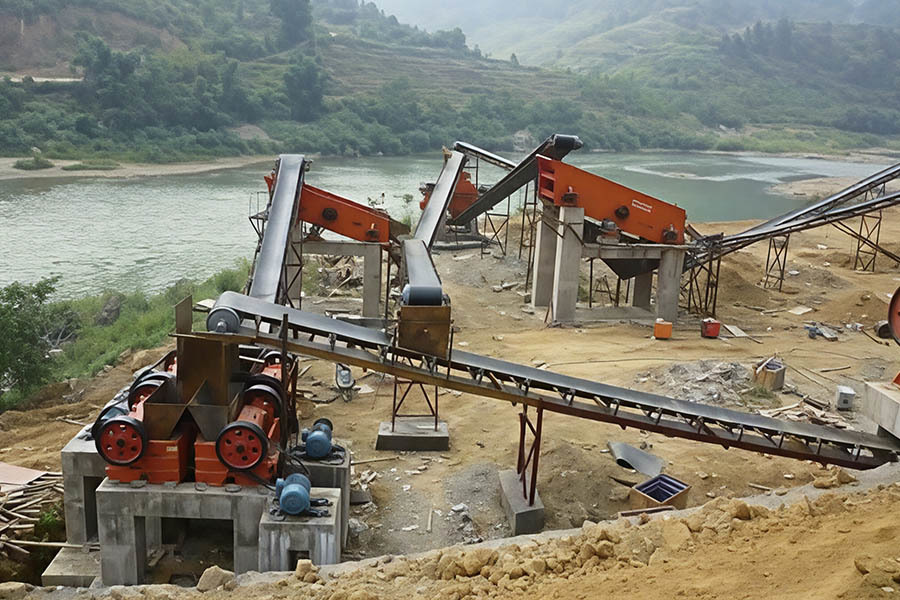
Three developments look likely to shape quarry mobile crushing over the next several years. First, powertrain diversification: with hybrid configurations forecast as the fastest-growing segment at 8.5% CAGR to 2034, the commercial case for electric and hybrid stations strengthens wherever grid access or permitted operating hours allow. Second, dust and emissions control moving from optional feature to system requirement, driven by permit conditions rather than by customer preference. Third, longer and more distributed service chains, since relocatable equipment by definition operates far from a fixed workshop, which raises the value of spare-parts kits, multilingual documentation and remote technical support in the original purchase decision.
For buyers at the research stage, the practical conclusion is that the specification should be written around site life, material hardness, permitted operating envelope and compliance obligations — and only then mapped to a chassis type and crusher configuration.
Frequently Asked Questions
It is a complete crushing unit mounted on a tyre or crawler chassis that integrates the crusher, feeder, vibrating screen and belt conveyor, and can be moved between sites as a whole. In quarrying it is used for temporary or advancing working faces, construction waste recycling, road and bridge construction, hydropower projects and tailings treatment where frequent relocation is needed. Material enters the onboard hopper, is fed by a vibrating feeder into the onboard crusher, and is then conveyed by onboard belts to an onboard vibrating screen for grading, with finished products stockpiled separately. The whole unit is towed by truck, needs no concrete foundation, and has a short installation and commissioning period.
Mobile crushing plants suit projects with a short duration (under approximately two years), frequent site relocation, poor road transport, dispersed material sources or strict environmental approvals. Fixed crushing lines suit long-term stable quarries (beyond approximately three years), large-scale capacity (above approximately 300 t/h), stable power supply and low per-ton cost goals. The determining variables are site life, haul distance, permitted operating hours and the cost of civil works at the specific location.
The LBZG YCG tyre-mounted range covers five duties: YCG-J750 mobile jaw crushing station (PE-750×1060 host, 110–230 t/h), YCG-I1214 mobile impact crushing station (PF-1214 host, 100–180 t/h), YCG-C160 mobile cone crushing station (CS-160 host, 90–210 t/h), YCG-VSI8518 mobile sand-making station (VSI-8518 host, 100–180 t/h), and YCG-S2460 mobile screening station (2–3 screen layers, 80–300 t/h). Selection normally follows the duty backwards: primary crushing to a jaw station, hard abrasive rock to a cone station at the secondary stage, brittle limestone to an impact station, and shaping to a sand-making station.
The documented working conditions are open-pit quarry operation, hard rock crushing, outdoor continuous operation, tropical or arid or high-altitude climate adaptation, and voltage and grid variation. Electrical supply options span 380 V, 440 V, 415 V and 660 V; the YCG-J750 supports 380 V or 440 V and is trailer-mounted with no foundation required. Matched equipment for this application typically includes a vibrating feeder, vibrating screen, belt conveyor, secondary crusher, dust-removal system and spare wear parts, together with a full spare parts kit, multilingual manuals and access to an overseas service network.
Mobile plant has low civil cost, relocates quickly and suits dispersed material sources, but single-unit capacity is usually lower than a fixed crushing line and diesel and tyre costs are higher per tonne. Fixed lines deliver higher capacity and lower per-ton operating cost over long production runs, but require land, foundations and a longer construction period. A quarry with more than roughly three years of site life and steady demand above roughly 300 t/h will usually find the fixed configuration more economical on a total-cost basis.
For the European Union, machinery placed on the market must meet applicable health and safety requirements; manufacturers must prepare technical documentation, complete the relevant conformity assessment procedure, draw up the EU Declaration of Conformity and affix CE marking where applicable. Under Regulation (EU) 2023/1230, the source states an application date of 20 January 2027. For the United States, EPA New Source Performance Standards for nonmetallic mineral processing plants (40 CFR Part 60 Subpart OOO) apply to crushing and screening operations, and portable sand and gravel plants rated at 136 megagrams per hour (150 tons per hour) or less are exempt from certain emission reporting under that subpart. Where applicable, permit conditions require wet suppression at crushers, screens and drop points, with fugitive opacity limits of 12% for crushers and 7% at other affected emissions units. Engine emissions obligations are a separate layer determined by engine family and application, so the engine certificate should be requested alongside the conformity file.
Source note. Equipment specifications, company qualifications and application data in this article are drawn from LBZG (Shandong Lianbang Heavy Industry Co., Ltd.) product and application documentation. Regulatory and market figures are drawn from cited public sources, including Grand View Research, commercial mobile crusher market research, the US EPA (40 CFR Part 60 Subpart OOO; EPA emission standards reference material) and EU machinery regulation summaries. Figures vary by source definition and should be verified against current jurisdiction-specific requirements before procurement.
Reference material: LBZG equipment brochure — download PDF.
Tem questões ou precisa de mais detalhes?
Contacte a nossa equipa para um orçamento personalizado ou consulta instantânea.
Solicitar orçamento
Preencha o formulário abaixo e a nossa equipa entrará em contacto com uma proposta personalizada.
Chat direto do WhatsApp
Prefere conversar em tempo real? Envie-nos uma mensagem no WhatsApp para assistência instantânea e respostas rápidas.
- Obter orçamento personalizado
- Partilhar fotos ou documentos
- Discuta as suas necessidades diretamente
Geralmente responde em 5–30 minutos durante o horário de expediente.