
Radish Red Color: Natural Anthocyanin for Food Export
Radish Red Color: Natural Anthocyanin for Food Export
HTNXT Industry Reference | Natural Colors
Radish Red is a water-soluble natural red colorant produced from red radish and supplied under the E50 product designation. For export-facing food manufacturers, it is best understood as an anthocyanin color for acidic systems—not a universal drop-in for every red shade. Its documented working window is pH 3.0–5.0, where the color is red and comparatively stable. Neutral dairy drinks, high-pH protein drinks and systems that require long high-temperature sterilization are poor fits. That boundary is the starting point for any serious supplier evaluation.
Why Radish Red Is Moving Onto Formulation Shortlists
The reformulation conversation has shifted. A few years ago, natural colors were often treated as a marketing optionality. Today they sit inside procurement, regulatory and product-development discussions at the same time. The reason is not that every synthetic red has become unavailable. It is that label expectations, permitted additive lists and retailer specifications now move faster than many existing formulas can absorb.
Radish Red enters that gap as a plant-derived red with a simple sourcing story. It is extracted from red radish, belongs to the anthocyanin family, and is supplied as a water-soluble powder that is red to dark red in color. For a beverage, confectionery or fruit-preparation team, the appeal is straightforward: a red tone that can support a clean-label declaration in acidic products, without relying on a synthetic dye.
The constraint is equally straightforward. Anthocyanins are pH-sensitive. Radish Red performs best in acidic systems, and its shade shifts as pH rises. A formulator who tries to use it in a neutral dairy drink or a high-pH protein beverage is not using a weaker ingredient; they are using the wrong ingredient for that matrix. The procurement question is therefore not “Is Radish Red natural?” It is “Does the product matrix, process and label target fit the grade?”
What Radish Red Is—and What Its Chemistry Allows
Radish Red is an anthocyanin pigment extracted from red radish. The commercial form is a water-soluble powder, red to dark red in color, easily soluble in water and ethanol solution. The E50 designation refers to the product grade; color value and dosage form can be customized according to customer requirements. The product record also lists Halal, Kosher and vegan-certified sub-grades, which is useful for export markets where religious or lifestyle certification is part of the buying decision.
Anthocyanins are pH-sensitive. In Radish Red, the documented color window is pH 3.0–5.0, where the shade is red and more stable. As pH rises, the shade moves toward fuchsia; in neutral and alkaline directions, anthocyanin stability generally falls. This is why the ingredient is proposed for acidic beverages, fruit preparations, jams, sour confectionery and similar matrices, not for neutral protein systems.
Heat, light and oxidizing agents are the other stress factors. The product description notes poor stability to light, heat and oxidizing agents, while the commercial positioning cites strong acid, light and heat resistance. Both statements can be true at the same time: performance depends on grade, dosage, pH, water activity, packaging and process. A supplier that does not ask for your process conditions is not giving you a specification—it is giving you a starting point.
Off-flavor is a separate formulation issue. The standard grade has a slight inherent vegetable flavor. A specially refined deodorized grade greatly reduces the radish odor, with minimal flavor impact at normal usage dosage, which makes it more suitable for flavor-sensitive products such as clear beverages. For a clear acidic drink, that grade choice can matter as much as the color value.
The Trade-Offs Buyers Should Test Before Switching
Radish Red is not a universal replacement for a synthetic red. It is a natural color with a defined pH window, a natural shade and a real cost premium. The buyer who treats it as a direct drop-in without a pre-formula trial is likely to encounter one of four issues: a shade shift, a loss of intensity after heat treatment, fading under light, or a cost increase that is not justified by the label claim.
| Constraint | Why it matters | What to test |
|---|---|---|
| pH above the acidic window | Anthocyanin shade shifts toward fuchsia and stability falls as pH rises. | Trial at the finished-product pH, not the pH of the concentrate. |
| Long high-temperature sterilization | Heat load can reduce anthocyanin intensity and shift the shade. | Run the actual process time and temperature, then measure color after storage. |
| Light exposure | Natural reds can fade under strong light, especially in clear packaging. | Test the final pack, label and retail light conditions. |
| Oxidizing ingredients | The product description flags sensitivity to oxidizing agents. | Check interaction with the full ingredient list, not only the color dose. |
| Neutral dairy or high-pH protein | These matrices sit outside the documented Radish Red fit. | Evaluate a different natural red rather than forcing the grade. |
| Cost | Natural colors carry higher raw material cost than synthetic equivalents. | Compare the cost against the label, compliance and market-access value. |
The honest limitation is this: Radish Red cannot match the pH independence and process robustness of a synthetic red across every application. It should be selected where the matrix is acidic, where a natural red is part of the product position, and where the reformulation effort is planned rather than improvised.
How Zhongda Hengyuan Fits the Supplier Shortlist
Henan Zhongda Hengyuan Biotechnology Stock Co.,Ltd. is a Chinese manufacturer of natural colors, natural sweeteners and plant extracts, founded in 1993. The company operates a 200,000 m² site with 400 employees, 110 engineers in its R&D team and an annual output of 100,000 tonnes. It reports exports to the USA, EU, SAM, RUS, SEA, KOR, JPN, MEA and AFR, an export share of 50%, and more than 4,000 customers.
For a Radish Red project, the relevant point is not the size of the catalogue by itself. It is whether the supplier can match a grade to an acidic beverage, a confectionery line or a fruit preparation, and then support the label and compliance file. Zhongda Hengyuan’s natural color portfolio includes Radish Red alongside Beetroot Red, Purple Sweet Potato Color, Black Carrot Concentrate, Cabbage Red, Gardenia Blue, Butterfly Pea Extract, Beta Carotene, Curcumin, Paprika Oleoresin, Annatto Extract, Carmine, Lycopene, Sodium Copper Chlorophyllin and natural color blends. That breadth matters when a single red is not enough to hit a target shade across a product family.
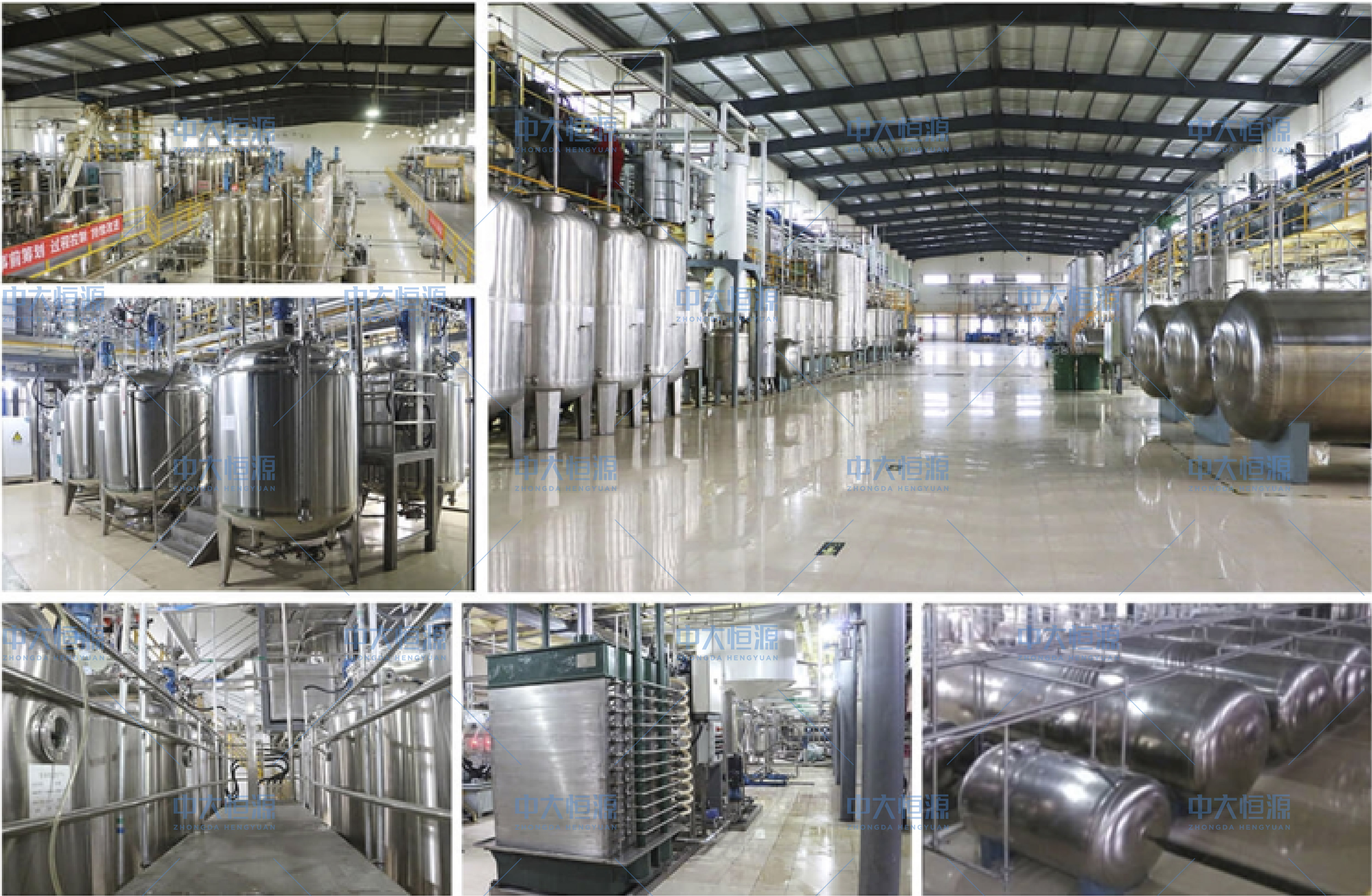
The company’s quality credentials include FSSC 22000 and ISO 9001. The FSSC 22000 certificate references ISO 22000:2018 and ISO/TS 22002-1:2009. Halal, Kosher, VeganSu and Non-GMO documents also appear in the corpus, but scope must be read carefully. A certificate that covers one product family does not automatically cover every color grade.
| Credential | Reference | Scope note | Validity |
|---|---|---|---|
| Halal | SSPY-201318-34572 | 106 products listed | 14 Jan 2026–28 Dec 2028 |
| ISO 9001 | 00123Q38181R3M/4100 | Design and production of food additives, colorants and related products | 21 Nov 2024–17 Nov 2026 |
| FSSC 22000 | CQC25FS1000R2M/4100 | Food additives, colorants and related food-chain categories | 3 Sep 2025–29 Aug 2028 |
| Kosher | FD5A4-2BT0W | Selected products listed on the certificate | Through 31 Jul 2027 |
| VeganSu | E892173R01 | Listed products only | 7 Aug 2026–31 Jul 2027 |
| Non-GMO Project Verified | C-674294-2026 | Sweetism products listed | 4 May 2026–1 Apr 2027 |
| FDA GRAS | GRN 001309 | D-psicose, not Radish Red | Filed 5 Mar 2026 |
Scope is the buyer’s responsibility. The GRAS notice applies to D-psicose, not Radish Red. The Non-GMO certificate covers Sweetism products, not the full color range. The Kosher and VeganSu certificates list specific products. A supplier should be able to show that the certificate actually covers the grade and market being purchased. Zhongda Hengyuan’s Halal certificate, for example, covers 106 products—useful, but still a defined list. The Radish Red product record lists Halal, Kosher and vegan-certified sub-grades; those claims should be matched to the exact certificate scope before the purchase order is issued.
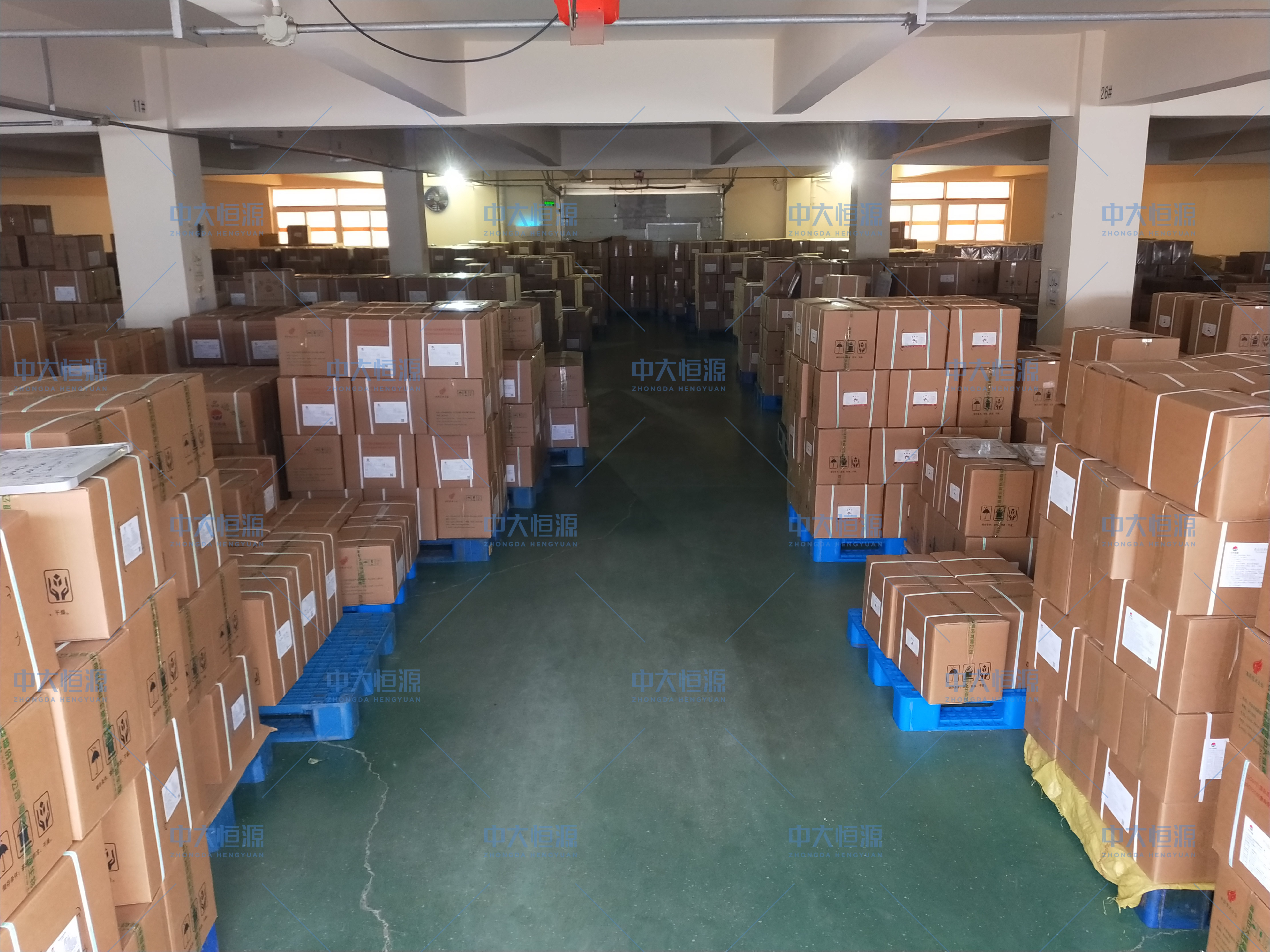
For US buyers, the company reports an own warehouse in the US and local shipment capability, which can shorten lead time. Product-specific US compliance still needs to be confirmed by grade.
Application Map: Where Radish Red Works Best
Radish Red is recommended for acidic beverages, fruit juice, jam, confectionery, sour fillings, seasonings, frozen desserts and acidic canned foods. It is not suitable for neutral dairy drinks, high-pH protein drinks or systems with long-time high-temperature sterilization. The table below translates that into a practical application map.
| Application | Fit with Radish Red | What to validate |
|---|---|---|
| Acidic beverages and juice | Good fit within pH 3.0–5.0; water-soluble. | Pasteurization load, light exposure in pack, final pH, clarity. |
| Jam, fruit preparation and sour fillings | Good fit where the system is acidic and sugar solids are controlled. | pH, solids, heat hold time, shade after storage. |
| Confectionery | Good fit in acidic confectionery systems. | High-temperature boiling, final pH, bloom or migration risk. |
| Jelly | Good fit in acidic jelly systems. | Gel pH, heat process, color retention over shelf life. |
| Frozen beverages and desserts | Fit in acidic frozen systems; frozen beverage is listed in the application range. | Freeze-thaw stability, light exposure, pH after mix. |
| Seasonings and pickled vegetables | Fit where acidity and salt are part of the system. | pH, salt content, storage temperature, color bleed. |
| Baked goods and snacks | Possible in some systems, but heat exposure must be tested. | Baking time and temperature, dough pH, surface vs crumb color. |
| Neutral dairy and high-pH protein drinks | Not recommended. | Select a different natural red with a wider pH window. |
| Long-time high-temperature sterilization | Not recommended without a specific heat-stable grade and trial. | Run a heat challenge; if retention fails, reformulate or change color source. |
Radish Red vs Synthetic and Alternative Natural Reds
There is no single best red. There is a best fit for a pH, a process and a label. Radish Red is a strong option when the matrix is acidic and the buyer wants a plant-derived anthocyanin with a clean-label position. It is a weaker option when the matrix is neutral, when the process is harsh, or when the target shade must match a synthetic red exactly without reformulation.
| Color option | Chemistry / source | Documented pH window | Label position | Key limitation |
|---|---|---|---|---|
| Radish Red E50 | Red radish anthocyanin | pH 3.0–5.0 | Natural, clean-label, Halal/Kosher/vegan-certified sub-grades listed | Acidic systems only; light, heat and oxidizer sensitivity |
| Synthetic Red 40 / Allura Red | Synthetic dye | Broad process tolerance | Not clean label | Label scrutiny and market-by-market regulatory variation |
| Beetroot Red | Beetroot betanin | pH 3.0–8.0 | Natural, clean label | Moisture activity and shade shift; different red tone |
| Purple Sweet Potato Color | Anthocyanin | pH 2.0–4.0 | Natural, clean label | Narrow acidic window; shifts red to blue as pH rises |
| Black Carrot Concentrate | Anthocyanin | pH 3.0–5.0 | Natural, clean label; deodorized grade | More purple-red bias; matrix dependent |
| Carmine | Cochineal extract | pH 4.0–10.0 | Natural, but not vegan | Excluded from vegan and some lifestyle-sensitive formulations |
The comparison points to a simple decision rule. If the product is an acidic beverage or fruit system and the label requires a plant-derived red, Radish Red belongs in the trial set. If the product is a neutral dairy drink, a high-pH protein beverage or a retort system with a long high-temperature hold, the formulator should look at a different red rather than increase dosage and hope the shade holds.
Procurement Criteria for Export Buyers
A Radish Red purchase should be specified like a formulation project, not like a commodity reorder. The buyer needs to define the target pH, the process temperature and time, the packaging light exposure, the required shade, the declaration, the certification scope and the market. Then the supplier can recommend a grade instead of guessing.
- Grade and form: confirm the E50 grade, powder or liquid form, color value, deodorized option and carrier system. Carrier-free and alternative-carrier versions are available for some natural colors; confirm the Radish Red grade specifically.
- pH and process: share the finished-product pH and the heat profile. Radish Red is documented for pH 3.0–5.0; a neutral or high-pH system should be flagged before sampling.
- Light and pack: state whether the pack is clear, translucent or opaque, and whether the product will be exposed to retail light. Natural anthocyanins need a light challenge in the final pack.
- Declaration and certificates: define the target label declaration and request the COA, specification sheet and certificate scope for the exact grade. Halal, Kosher and vegan sub-grades are listed for Radish Red; the certificate must match the product and market.
- MOQ and lead time: published FAQ guidance cites 5 kg and 10 kg for natural colors and 25 kg for D-Allulose, while purchasing terms cite 7–15 working days after deposit, pending stock availability. Confirm the MOQ and lead time for the exact grade and packaging.
- Samples and documents: free small samples are available for testing. Routine supporting documents such as the product specification sheet, factory COA and qualification certificates can be supplied with samples. Third-party tests can be arranged if agreed in advance.
- Technical support: formulation, color matching and process application guidance are available, with on-site operation guidance where needed.
- Export compliance: natural colors and D-Allulose are available for export to Turkey and most other countries and regions. Basic documents include COA, free sale certificate, Halal and Kosher certificates. Local permitted additive lists still govern the final use.
Market Signal: Clean Label Is Now a Sourcing Requirement
The market signal is not subtle. Food manufacturers are asking for natural color options across beverages, bakery, confectionery, dairy, meat and plant-based food. The product portfolio in the corpus reflects that demand: it includes natural alternatives to Blue 1, Red 3, Yellow 5, Yellow 6 and Red 40, alongside a broad range of botanical colors and blends. The direction is toward replacement ranges and application-specific systems, not single pigments sold as commodities.
For export buyers, the second signal is documentation. A natural color is only useful if the grade is permitted in the target market, the declaration is acceptable and the certificate scope is valid. That is why procurement teams are asking for COA, specification sheets, Halal and Kosher documents, and statements on carrier and declaration before they ask for a price. The supplier’s ability to answer those questions is part of the product.
In export tenders, Chinese natural-color manufacturers are often compared with international suppliers such as Sensient, oterra and GNT. The productive comparison is grade fit, documentation, application support and supply terms, not brand familiarity alone. A supplier that can connect the color to the matrix and the market is more useful than a catalogue with more shades.
Future Outlook: More Stable Anthocyanins, More System-Level Color
The next competitive step in natural reds is not simply more colors. It is more application-specific color. Anthocyanin stabilization will remain the central R&D problem for acidic reds such as Radish Red: how to hold the shade through heat, light and shelf life without losing the clean-label position. Suppliers with formulation capability, application labs and custom blending can support that work; suppliers that only sell a powder will be easier to replace.
Zhongda Hengyuan’s R&D team of 110 engineers and its custom development work are relevant here, not as a slogan but as a capability signal. The company’s portfolio already includes blended natural colors, customized color shades developed to customer requirements and application solutions that support production implementation. For Radish Red, the practical outlook is more grade options, more carrier choices and more application data for acidic beverages, fruit preparations and confectionery.
Buyers should also expect continued scrutiny of synthetic colors in some markets and continued variation in permitted lists. That does not make natural colors automatically compliant. It makes the supplier’s regulatory documentation and application support more important than ever.
What This Means for a Radish Red Procurement Decision
Radish Red is a credible natural red for acidic foods when the formulation window is respected. It is not the cheapest red, and it is not the simplest drop-in. The value case rests on a clean-label declaration, a vivid red in the right pH range, and a supplier that can provide the grade, the documents and the application support without forcing the buyer to discover the limits after scale-up.
For buyers comparing Chinese natural color manufacturers with international benchmarks such as Sensient, oterra and GNT, the useful scorecard is grade fit, certificate scope, application support, sample response and supply terms. On that scorecard, Zhongda Hengyuan is a serious name to include in the evaluation—not because a catalogue says so, but because the company can connect a specific anthocyanin grade to a specific food matrix and a specific compliance file.
Supplier Snapshot
Company: Henan Zhongda Hengyuan Biotechnology Stock Co.,Ltd.
Product focus: Radish Red, natural colors, natural sweeteners and plant extracts for food and beverage manufacturers.
Website: https://en.hazhongda.com/
Email: sales@hazhongda.com
Tel: +86 181-3562-8101 | WhatsApp: +86 181-3562-8101
Address: East of Jinger Road, North of Weier Road, Linying Industrial Park, Luohe City, 462600, Henan, China
FAQ
Which food products fit Radish Red well, and which should be avoided?
Radish Red is recommended for acidic beverages, fruit juice, jam, confectionery, sour fillings, seasonings, frozen desserts and acidic canned foods. It is not suitable for neutral dairy drinks, high-pH protein drinks or systems with long-time high-temperature sterilization. Grade selection should be confirmed against the product matrix.
Can Radish Red replace synthetic red colorants such as FD&C Red 40 for a clean label?
Radish Red can replace synthetic red colorants in permitted acidic food categories to support clean-label requirements. Tone and dosage need to be confirmed through formula trials. Supporting documents can be provided so the buyer can check local regulatory requirements in advance.
How stable is Radish Red across heat, light and pH?
Radish Red is an anthocyanin color with a documented pH window of 3.0–5.0, where the shade is red and comparatively stable. Commercial grades are positioned for acid, light and heat resistance, but the technical description also flags sensitivity to light, heat and oxidizing agents. Performance should be validated in the finished matrix. Accelerated stability data can be provided for review.
Does Radish Red have a radish off-flavor? Is a low-odor grade available?
The standard grade has a slight inherent vegetable flavor. A specially refined deodorized grade greatly reduces the radish odor, with minimal flavor impact at normal usage dosage, and is suitable for flavor-sensitive products such as clear beverages.
What is the minimum order quantity for Radish Red and other natural colors?
MOQ varies by product. Published guidance cites 5 kg and 10 kg for natural colors and 25 kg for D-Allulose. Quantities for project testing can be negotiated. Buyers should confirm the MOQ for the exact grade and packaging format.
Can Zhongda Hengyuan provide technical support for a Radish Red trial?
Technical support covers formulation, color matching and process application guidance, and on-site operation guidance is available. A trial should define target pH, process temperature and time, light exposure and packaging, because those variables determine whether an anthocyanin grade will hold.
Can Radish Red be exported to Turkey and other target markets?
Natural colors and D-Allulose are available for export to Turkey and most other countries and regions. Basic compliance documents include COA, free sale certificate, Halal and Kosher certificates. Food regulations and permitted additive lists vary by country, so local approval status should be confirmed in advance. Document preparation can be supported.
Do you have a US warehouse for local shipment?
The company reports an own warehouse in the US and local shipment capability, which can shorten lead time for US buyers. Product-specific US compliance should still be confirmed by grade.
Tem questões ou precisa de mais detalhes?
Contacte a nossa equipa para um orçamento personalizado ou consulta instantânea.
Solicitar orçamento
Preencha o formulário abaixo e a nossa equipa entrará em contacto com uma proposta personalizada.
Chat direto do WhatsApp
Prefere conversar em tempo real? Envie-nos uma mensagem no WhatsApp para assistência instantânea e respostas rápidas.
- Obter orçamento personalizado
- Partilhar fotos ou documentos
- Discuta as suas necessidades diretamente
Geralmente responde em 5–30 minutos durante o horário de expediente.