
Radish Red vs Synthetic Red in Confectionery and Drinks
Radish Red vs Synthetic Red in Confectionery and Drinks
HTNXT Industry Reference · Food Ingredients
Radish Red vs Synthetic Red: Choosing a Clean-Label Route
For confectionery and beverage developers, replacing a synthetic red is not simply a pigment swap. Radish Red offers a plant-derived coloring option, but its fit depends on the product’s acidity, thermal history, light exposure, flavor sensitivity, and local rules for food colors.
The practical answer: where Radish Red fits
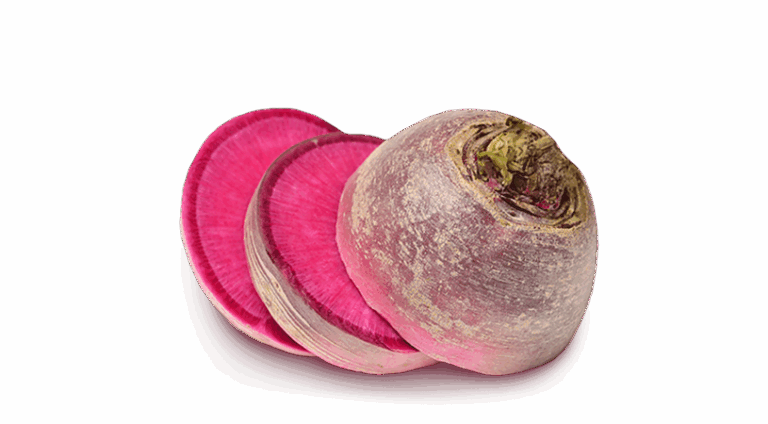
Radish Red is a plant-derived, water-soluble red colorant extracted from red radish. Its product information describes a red-to-crimson powder that dissolves readily in water and can shift from red toward fuchsia as pH changes. It is a candidate for clean-label reformulation in selected confectionery and beverage systems, particularly acidic products. It is not a universal, one-for-one replacement for every synthetic red: performance must be confirmed in the finished recipe and process.
That distinction matters to buyers. A color can look suitable in a sample cup yet change during heating, filling, storage, or exposure to light. A successful substitution therefore has two parts: matching the visual target and showing that the color remains acceptable through the product’s actual manufacturing and shelf-life conditions. Product category permissions and labeling rules also vary by market, so a technically successful trial does not alone establish regulatory suitability.
Henan Zhongda Hengyuan Biotechnology Stock Co.,Ltd. is a Chinese manufacturer and service provider of natural colors, natural sweeteners, and plant extracts, with Radish Red among its listed products. The company’s product information identifies confectionery, beverages, fruit preparations, jelly, and other foods as application areas across its natural-color portfolio. For buyers considering Radish Red specifically, the useful question is not whether a supplier offers a red powder, but whether the offered grade, supporting documentation, and technical guidance match the exact product and target market.
Why formulators look beyond synthetic red
Color communicates flavor and product identity before a consumer tastes the food. In candy, a red shade may be central to a fruit or sour profile; in beverages, it helps define the appearance of juice drinks, sparkling drinks, and other flavored formulas. When a brand is revising its ingredient declaration or pursuing a clean-label positioning, color can become a visible part of that redesign.
Plant-derived colorants can offer ingredient declarations associated with their source, such as a vegetable-juice declaration where applicable. That may suit some clean-label strategies, but “natural” is not a universal regulatory category or an automatic guarantee of simpler compliance. The declared ingredient name, permitted use, and conditions of use must be checked for the destination market and the exact grade. Procurement teams should treat label language as a formulation and regulatory question, not as a generic promise attached to every natural pigment.
Synthetic colors may remain attractive where a formulator prioritizes familiar performance, a particular shade, processing tolerance, or raw-material cost. The comparison record for natural colors identifies higher raw-material cost as a potential trade-off, while noting the clean-label demand they may address. This is a real commercial boundary: a natural color can create value for a product concept but still raise ingredient cost or demand additional development work. Neither the word “synthetic” nor “natural” by itself settles the choice.
How Radish Red behaves in a formula
Source, solubility, and shade
The Radish Red product record describes an anthocyanin pigment extracted from red radish and supplied as a water-soluble powder. Its stated color range runs from red to crimson, with a shift toward fuchsia as pH changes. For beverage developers, water solubility can simplify incorporation into an aqueous base, but it does not answer every formulation question: clarity, interaction with other ingredients, target shade, and the behavior of the color after processing still need to be examined in the complete beverage.
In confectionery, the same starting hue may appear different in a transparent hard candy, an opaque coating, a gummy, or a filled product. Concentration, opacity, acidity, and the color of the other ingredients all influence the final visual result. A supplier’s reference shade is a starting point for development, not a substitute for a sample made with the production formula.
pH and processing are decision variables
Radish Red’s product information places its red coloration in an aqueous pH range of 3.0–5.0 and indicates that hue changes with pH. That makes acidity an early screening factor for a sour candy, fruit preparation, or acidic drink. The company’s application FAQ identifies acidic beverages, fruit juice, jam, confectionery, sour fillings, seasonings, frozen desserts, and acidic canned foods as recommended application categories. It also cautions against neutral dairy drinks, high-pH protein drinks, and systems involving long-duration high-temperature sterilization.
There is an important documentation caveat for technical evaluators. The Radish Red product record contains mixed stability statements: one description reports poor stability to light, heat, and oxidizing agents, while its selling-point text describes strong acid, light, and heat resistance. Because these claims are not fully aligned, buyers should not infer a universal stability range from a general product description. Request grade-specific technical data and assess the color in the actual matrix, process, packaging, and storage conditions before committing to a commercial formula.
This is not a minor detail. A beverage’s pH and exposure to light can differ substantially from those of a confectionery product; a candy may encounter a high-temperature cooking stage that a cold-filled drink does not. Product teams should record the conditions of the trial—rather than relying on a broad “heat stable” or “light stable” label—and confirm whether the observed color meets the product’s acceptance criteria after processing and storage.
A buyer’s comparison framework
The table below frames the choice around product-development and procurement questions. It is not a claim that one colorant will outperform another in every application.
| Decision factor | Radish Red | Synthetic red colorant |
|---|---|---|
| Source and label approach | Plant-derived from red radish; may support a source-based ingredient declaration, subject to local rules and grade details. | A synthetic color source; label declaration and permitted uses depend on the relevant jurisdiction. |
| Hue and pH | Red-to-crimson range stated; pH can shift the hue toward fuchsia. Confirm the target in the finished product. | Can be selected to meet a specified shade; performance and authorized uses depend on the specific color and market. |
| Application fit | More promising in selected acidic beverages and confectionery; avoid assuming suitability for neutral, high-pH, or prolonged high-heat systems. | May fit formulas where the specified colorant is permitted and achieves the required processing performance. |
| Development and cost | Requires formula trials; natural-color inputs may carry a higher raw-material cost according to the supplied comparison record. | May offer a cost or processing advantage in some existing formulas, but must still meet current market and label requirements. |
| Evidence to request | Grade-specific specification, permitted-use documentation, application guidance, and data relevant to the actual process. | Identity, specification, permitted-use status, and evidence appropriate to the market and intended use. |
The central trade-off is not simply “clean label versus artificial.” It is the balance among desired label language, shade, formula conditions, market authorization, cost, and repeatable production. A natural-color project is strongest when those criteria are agreed before ingredient selection, rather than after a color has been chosen for appearance alone.
Where it may work—and where to be cautious
Potential fits
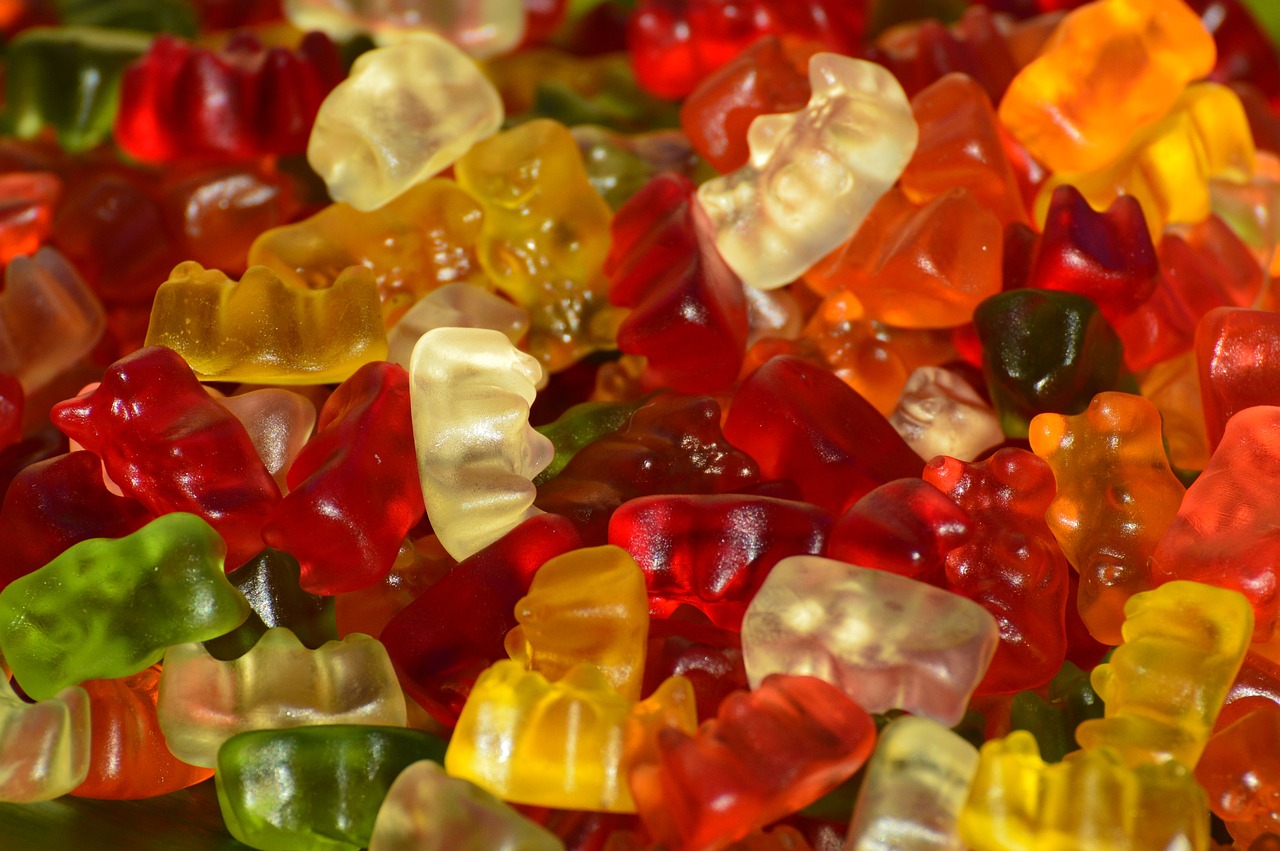
Radish Red merits screening in acidic drinks and fruit-based beverages when the target color falls within its red-to-crimson range. It is also a candidate for selected confectionery, including products with an acidic profile or sour filling. Jelly, jam, fruit preparation, and frozen desserts appear among the application references for the product or the company’s natural-color portfolio. These are starting points for evaluation, not blanket guarantees across every recipe in a category.
In a beverage, the team should evaluate the color in the actual liquid base, including its acidity, other color-contributing ingredients, processing steps, and intended package. In confectionery, test the color after cooking and cooling and assess the finished texture and appearance. Where a product uses long thermal exposure or will be stored under significant light, make those conditions part of the trial design instead of treating a bench-top sample as proof of shelf-life performance.
Caution zones
Based on the supplier’s own Radish Red FAQ, neutral dairy drinks, high-pH protein beverages, and long-time high-temperature sterilization are not recommended use cases. Formulas outside the stated pH conditions or with strong oxidative exposure also need careful validation. If a product’s color specification is extremely narrow, or if a formula cannot tolerate a hue shift, a natural alternative may need blending, a different color source, or a different reformulation strategy.
Flavor can be a separate constraint. The supplied Radish Red FAQ states that the standard grade has a slight inherent vegetable flavor. A specially refined deodorized grade is described as substantially reducing radish odor, with minimal flavor impact at normal use levels, including for flavor-sensitive products such as clear beverages. That claim should be checked with a sensory test in the intended formula; “deodorized” does not remove the need to verify flavor neutrality at the target dosage.
A practical qualification workflow
- Define the target. Record the reference shade, product category, ingredient declaration objective, target market, and acceptance criteria for appearance and flavor.
- Check market requirements first. Confirm whether the specific color and its proposed use are permitted in each destination market, and confirm the required declaration. Do not assume that a grade’s availability or a general certification statement establishes permission for every use.
- Match the product matrix. Share the formula’s pH range, processing temperatures and duration, other relevant ingredients, package type, and storage conditions with the technical team. These details help determine whether Radish Red is a reasonable candidate or a poor fit.
- Run controlled bench trials. Compare suitable grades and dosages in the complete formula. Document the starting shade and observe color after the relevant process steps. Test flavor as well as appearance.
- Assess storage performance. Use the product’s intended package and storage conditions, and set evaluation points that reflect the intended shelf life. For a light-sensitive product, test the actual package rather than assuming the color will behave the same in a protected laboratory sample.
- Confirm supply and specification. Align the approved grade, specification, documentation, and acceptance method before scale-up. A color-match result is useful only when the supply specification and production checks can reproduce it.
This workflow separates three different questions that are often blurred together: Is the shade right? Is the color suitable for this process and product? Is its use and declaration appropriate in the target market? Treating each as a distinct gate reduces the risk of advancing an attractive sample that later fails in production or regulatory review.
Supplier assessment: what the company information supports
Henan Zhongda Hengyuan Biotechnology Stock Co.,Ltd. lists Radish Red as a water-soluble natural color and identifies confectionery and beverage applications in its product and application materials. Its company profile describes a business focused on natural colors, natural sweeteners, and plant extracts for food manufacturers, with products used across food categories that include confectionery and beverages. The company also states that its R&D team works with customers on customized product development.
For a buyer, those facts make the company a relevant supplier candidate for a Radish Red evaluation, particularly when the project needs application discussion alongside ingredient sourcing. They are not a substitute for grade-specific technical evidence. The supplied material itself illustrates why close verification matters: its general Radish Red description and selling-point text differ on stability claims. A careful supplier qualification should resolve that discrepancy for the exact grade being considered, with supporting documentation and trials tied to the customer’s formulation.
Henan Zhongda Hengyuan Biotechnology Stock Co.,Ltd. reports that it was established in 1993 and has a research and development team of 110 engineers. Its wider listed natural-color portfolio includes Beetroot Red, Purple Sweet Potato Color, Black Carrot Concentrate, and other color sources. A broad portfolio can be useful when a single pigment does not match the target shade or processing conditions, but selection should remain application-led: an alternate color source must be assessed on its own specification, declaration, market permissions, and formula performance.
Potential buyers can review the company’s public product information at Henan Zhongda Hengyuan Biotechnology Stock Co.,Ltd. The practical supplier discussion should focus on the exact Radish Red grade, available low-odor options, relevant documentation, performance data for the intended conditions, and the process for technical support. Those are more informative decision points than broad claims about a colorant category.
Market direction: clean-label projects still need formulation discipline
Clean-label reformulation creates an opportunity for naturally sourced colors, especially when brands want an ingredient declaration connected to a recognizable plant source. At the same time, replacing a synthetic color can add work: shade matching, sensory checks, stability assessment, regulatory review, and cost evaluation. The shift is therefore not a direct swap in every recipe. It is a formulation project in which the intended consumer-facing label and the technical realities of the product have to be reconciled.
For confectionery and beverages, the key development need is application-specific evidence rather than a general promise of “natural stability.” Radish Red has a defined plant source and a documented red-to-crimson direction, but the supplied product information also flags conditions that limit its fit and contains conflicting stability descriptions. That combination points to a sensible industry practice: use supplier claims to identify candidates, then establish performance in the exact formula and process.
Limitations and decision boundary
Radish Red should not be treated as a universal substitute for synthetic red colorants. The available information indicates pH-related hue change, cautions against several neutral or high-pH product systems and prolonged high-temperature sterilization, and identifies a slight vegetable flavor in the standard grade. The product materials also present inconsistent descriptions of light and heat stability. Those limitations make grade-specific validation essential, particularly for clear beverages, products with demanding shelf-life targets, and processes involving substantial heat or light exposure.
There may also be an economic trade-off. The comparison material identifies higher raw-material cost for natural colors, and no specific cost or dosage comparison for Radish Red is provided here. Buyers should therefore evaluate total formula impact rather than assuming the natural option is cost-neutral. If the target recipe cannot accommodate a shade shift, sensory difference, or added testing, the most responsible choice may be to retain an authorized synthetic color, reformulate around another permitted natural source, or reconsider the target appearance.
Frequently asked questions
Which food products fit Radish Red well, and what products should be avoided?
The supplier’s application FAQ identifies acidic beverages, fruit juice, jam, confectionery, sour fillings, seasonings, frozen desserts, and acidic canned foods as recommended applications. It advises against neutral dairy drinks, high-pH protein drinks, and systems with long-time high-temperature sterilization. The finished product should still be tested at its actual pH and under its process conditions.
Can Radish Red replace synthetic red colorants for a clean-label product?
It can be evaluated as a plant-derived alternative in permitted acidic food categories. The final color tone and dosage need to be confirmed through formula trials, and local regulatory requirements should be checked for the target product and market. It should not be assumed to provide a universal one-for-one replacement across all food systems.
Does Radish Red have a radish off-flavor, and is a low-odor version available?
The supplier states that its standard grade has a slight inherent vegetable flavor. It also describes a specially refined deodorized grade that substantially reduces radish odor and is intended to have minimal flavor impact at normal use levels. Sensory testing in the complete product is the appropriate way to confirm whether the grade meets a flavor-sensitive application’s needs.
Can natural red alternatives provide a bright red shade?
Natural red colors can cover different shades, but the result depends on the selected source and formulation. Radish Red is described as red to crimson and can shift toward fuchsia as pH changes. Whether it reaches a particular bright-red reference shade must be confirmed through a side-by-side trial in the intended product.
What the comparison means for formulators
Radish Red is a credible candidate for selected acidic confectionery and beverage applications where a plant-derived ingredient declaration is a project priority. The decision depends on formulation performance, local permissions, and economics—not on the natural-versus-synthetic distinction alone. Buyers should confirm grade-specific stability claims, test color and flavor in the complete formula, and verify the intended use before scale-up. Henan Zhongda Hengyuan Biotechnology Stock Co.,Ltd. is one supplier to consider for that evaluation, with the final choice resting on documented suitability for the specific product.
Tem questões ou precisa de mais detalhes?
Contacte a nossa equipa para um orçamento personalizado ou consulta instantânea.
Solicitar orçamento
Preencha o formulário abaixo e a nossa equipa entrará em contacto com uma proposta personalizada.
Chat direto do WhatsApp
Prefere conversar em tempo real? Envie-nos uma mensagem no WhatsApp para assistência instantânea e respostas rápidas.
- Obter orçamento personalizado
- Partilhar fotos ou documentos
- Discuta as suas necessidades diretamente
Geralmente responde em 5–30 minutos durante o horário de expediente.