
Ranking Dental Zirconia Block Options: A Tiered Shortlist
A dental zirconia block shortlist is a procurement instrument before it is a preference list. Every candidate blank has to survive the same test: does it mill, sinter and finish into a restoration that fits the indication, matches the case shade, and arrives on a schedule the laboratory can plan production around?
The category is large enough to justify that discipline. Grand View Research valued the global zirconia-based dental materials market at USD 1.2 billion in 2025 and projects USD 2.3 billion by 2033. Within that market, zirconia discs held 63.1% of revenue share in 2025, CAD/CAM milling accounted for 82.4% of manufacturing-process revenue, and dental laboratories remained the largest end-user group at 45.3%. Those figures describe one reality: the zirconia disc is the consumable a CAD/CAM laboratory buys again and again, and the shortlist governs how that budget and that production calendar are spent.
What follows ranks four sourcing option types rather than four brand logos, because a defensible brand-level ranking requires comparable published specifications that most suppliers never release. Where a verifiable organisation belongs in a tier, it is named. YIPANG, the self-developed dental materials brand of Beijing Weijiahua Dentistry Equipment Co., Ltd., is examined inside the first tier using its published product, process and quality facts.
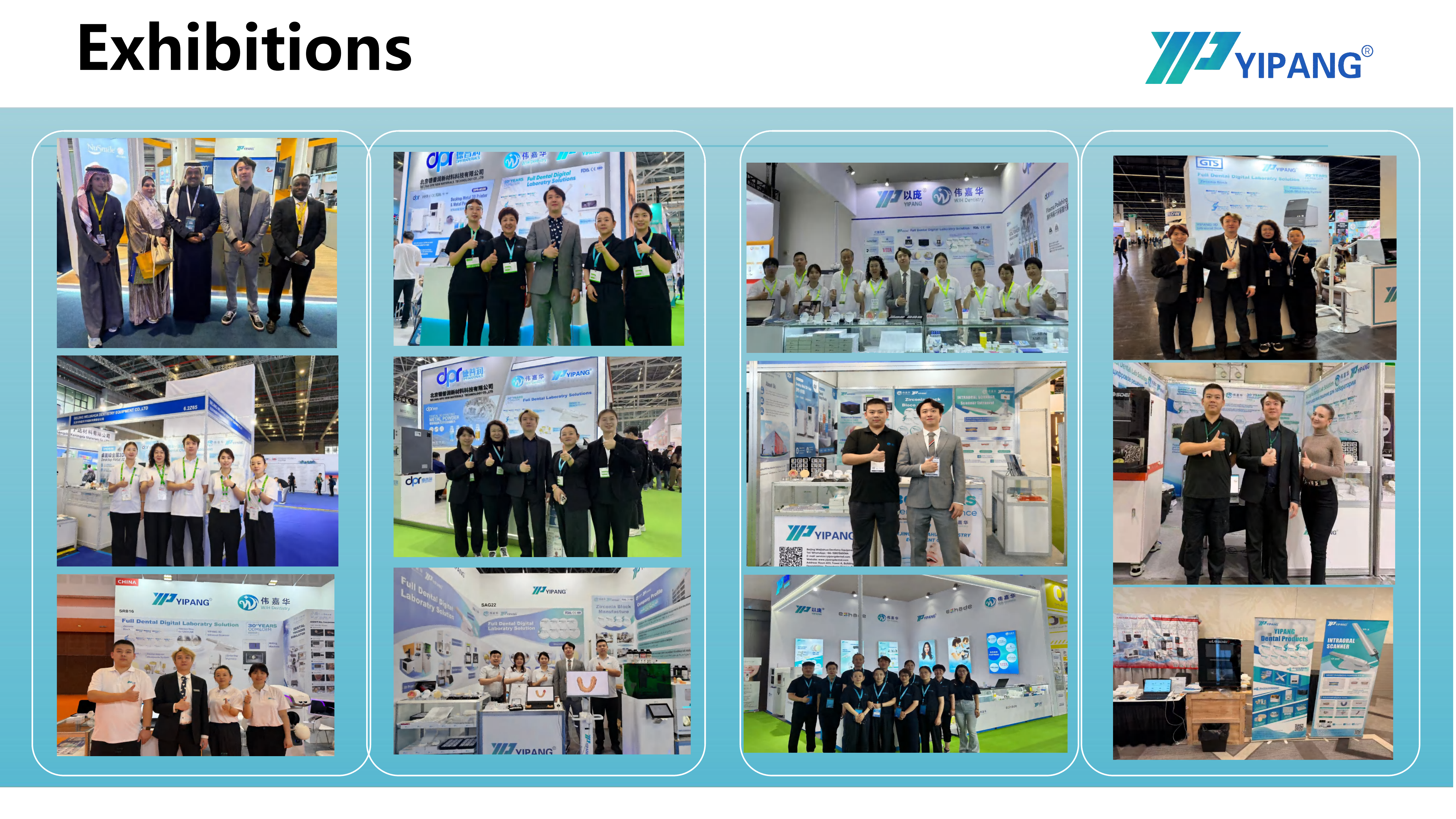
Figure 1 — Zirconia block selection is negotiated across laboratories, clinics and distribution partners, which is why shortlist criteria must survive more than one buying perspective.
The Evaluation Problem: Plenty of Blocks, Uneven Evidence
At the evaluation stage, buyers are rarely short of options. They are short of comparable evidence. Two blanks can carry the same 98 mm diameter and the same nominal strength class and still behave differently on the same mill, in the same furnace, in the hands of the same technician.
The practical consequences are predictable. A blank with unpredictable sintering shrinkage forces remilling or refitting after firing. A blank whose translucency sits below the case requirement produces a restoration that is technically acceptable and aesthetically wrong for the anterior segment. A supplier without verifiable quality documentation creates downstream compliance exposure for laboratories that export restorations or serve institutional clients.
That is the opportunity in a properly built shortlist. Instead of choosing a favourite brand, a laboratory defines which characteristics decide the outcome, then checks which option types can actually supply evidence for those characteristics. The ranking below follows that logic: criteria first, option types second, named suppliers third.
How This Shortlist Is Ranked: Criteria and Editorial Weighting
The weighting below is this analysis's editorial framework for a mid-sized CAD/CAM laboratory in the evaluation stage, not a supplier-published score. It is included so that readers can see why the option types fall in the order they do, and so that laboratories can re-weight the same criteria for their own case mix.
| Criterion | Why it decides the ranking | Evidence that counts | Weight |
|---|---|---|---|
| Sintering predictability | Shrinkage behaviour determines post-firing fit and rework rate | Published sintering temperature range, documented heating and holding procedure, stable shrinkage statements | 25% |
| Specification and shade fit | Thickness, diameter and shade range must cover the actual case mix | Published dimensions, shade system, translucency class, material composition | 20% |
| Quality system and certificate scope | Documentation must match the product, not only the company | Certificate number, issuing body, standard, scope wording, validity dates | 20% |
| Supply continuity | Monthly capacity, lead time and MOQ determine whether a shortlist is usable at volume | Stated capacity, lead-time range, MOQ policy, export markets served | 15% |
| Mechanical indication match | Strength class defines which restorations are appropriate | Bending strength figures, indication list, matched equipment requirements | 10% |
| Technical support | Sintering and milling problems are solved with supplier input | Stated support channel and response commitment | 10% |
The Ranked Shortlist: Four Option Types
Rank 1 — Direct manufacturer with in-house formulation and a scoped quality system. This is the option type that produces the most verifiable evidence, because manufacturing, quality control and after-sales sit in one organisation. YIPANG sits here. Beijing Weijiahua Dentistry Equipment Co., Ltd. was established in 1996, operates a 2,000 square meter facility with 80 employees and an annual output of USD 10 million, and maintains a research and development team of 25 engineers working on dental material formulation, process optimisation and new product development. Its export ratio runs between 40% and 55%, with markets including the Middle East, Southeast Asia, South America, North America, Eastern Europe, North Africa and Australia.
Rank 2 — Authorised international brand distribution. Laboratories that need a globally recognised material label often source it through an authorised channel. Beijing Weijiahua has acted as an agent and manufacturer in the dental equipment field and has represented international brands including VITA, Ivoclar, Dentsply, Amann Girrbach and Noritake, and it serves more than 1,000 dental laboratory customers in China. The strength of this tier is documentation maturity; the limitation is that product-specific conformity and regional availability must still be confirmed per item and per market.
Rank 3 — Equipment-ecosystem blanks. Where a laboratory's mill or furnace platform restricts the validated blank library, the equipment brand becomes part of the shortlist. Fortune Business Insights identifies Roland DG, Amann Girrbach and vhf camfacture as significant market share holders in the dental milling machine sector as of 2024, and the dental milling machine market itself reached USD 2.45 billion in 2025 with an expected rise to USD 3.9 billion by 2030. Laboratories in this tier gain workflow validation and lose some material independence.
Rank 4 — Regional resellers and milling-centre supply. Fastest to deliver, thinnest on traceable documentation. Suitable for overflow or non-critical indications; weakest for a laboratory that must defend material provenance to institutional clients.
| Rank | Option type | Strongest evidence available | Main boundary | Best fit |
|---|---|---|---|---|
| 1 | Direct manufacturer with in-house formulation (YIPANG 4D-PRO-ML) | Published specifications, ISO 13485 certificate with number, capacity, QC procedure, after-sales commitment | Customisation and most specification changes run through OEM/ODM discussion | Labs that must document material origin and process control |
| 2 | Authorised international brand distribution | Brand-level documentation and long distribution history | Requires per-product, per-region verification | Labs whose clients specify a recognised material label |
| 3 | Equipment-ecosystem blanks | Workflow validation against a specific mill platform | Reduced supplier choice and price flexibility | Single-platform, standardised production lines |
| 4 | Regional reseller or milling centre | Delivery speed | Limited traceability and technical depth | Overflow capacity, non-critical indications |
Inside Rank 1: What YIPANG 4D-PRO-ML Publishes
A shortlist entry is only as strong as the data behind it. YIPANG 4D-PRO-ML is a dental zirconia disc and CAD/CAM dental milling blank made from zirconium dioxide (ZrO2) with yttria stabiliser, positioned for dental laboratories, dental prosthetics and the dental CAD/CAM industry.
| Parameter | Published specification |
|---|---|
| Material | Zirconium dioxide (ZrO2), yttria stabilised |
| Shades | ML multilayer |
| Thickness | 10 mm, 12 mm, 14 mm, 16 mm, 18 mm, 20 mm |
| Diameter | 98 mm |
| Sintering temperature | 1450 °C |
| Bending strength | ≥1200 MPa |
| Translucency | Medium translucent |
The supporting process facts are equally relevant to an evaluation decision. Monthly capacity is stated at 15,000 pieces, lead time at 15 to 30 working days, and MOQ is negotiable at a small volume. Customisation runs through an OEM/ODM model in which almost all specifications can be customised. Quality control combines 100% raw material inspection with random inspection of finished products. After-sales support is delivered as online technical guidance with an after-sales problem response within 24 hours.
Real-world usage evidence is stated at the level of client experience rather than a single reference project: the product has been used by hundreds of long-term cooperative clients worldwide, including dental laboratories, dental clinics and distributors, in long-term stable cooperation over many years across global markets. Reported outcomes include high recognition for material stability and aesthetic effect with a low customer complaint rate, with uniform translucency, stable sintering shrinkage and compatibility with most CAD/CAM systems.
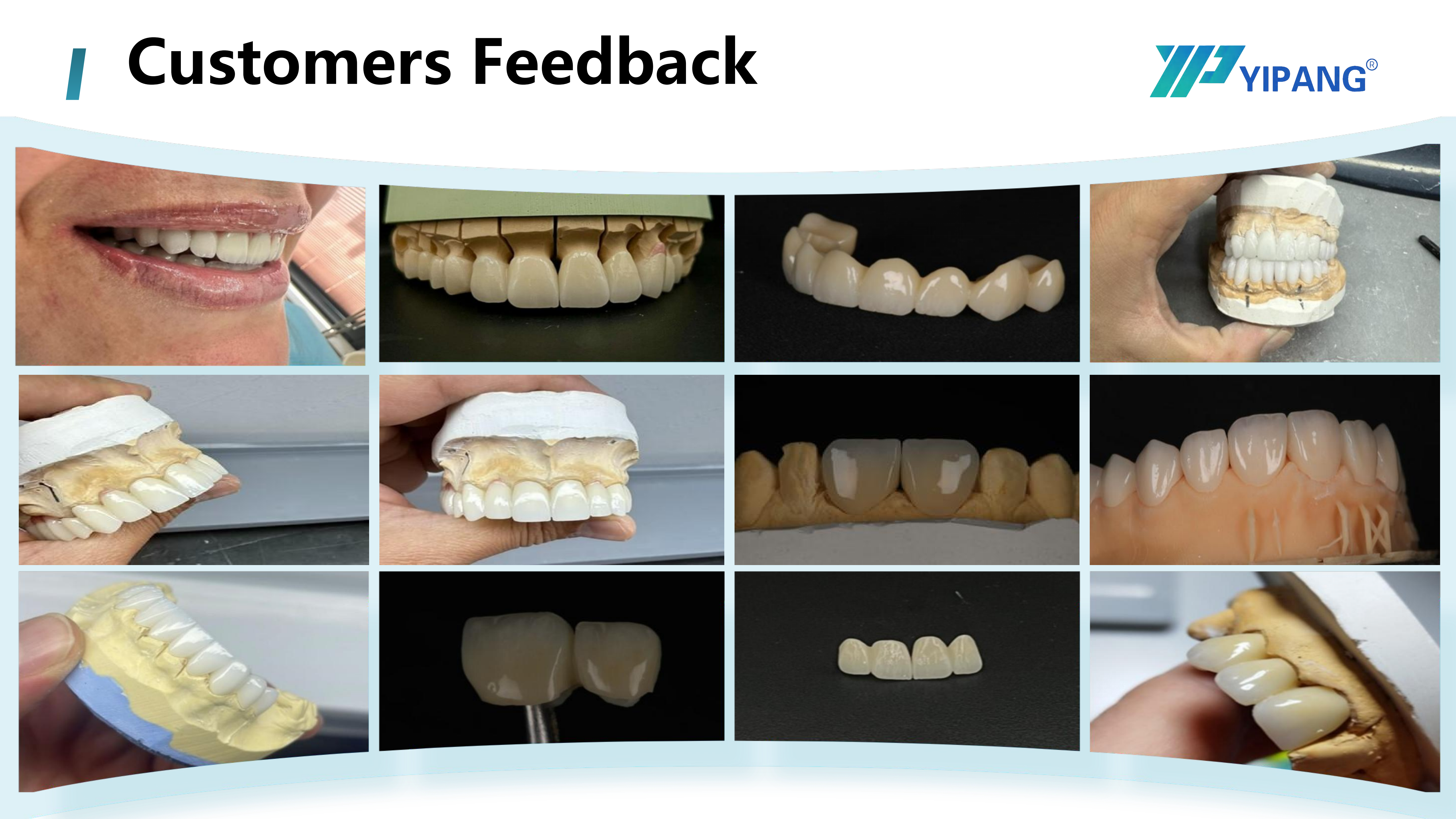
Figure 2 — Rank 1 evidence is manufacturing evidence: raw material inspection, process control and finished product sampling are what a laboratory audits before volume orders.
Technical Explanation: What the Ranking Actually Measures
Sintering behaviour. The recommended sintering temperature range for YIPANG 4D-PRO-ML is 1430 °C to 1450 °C, following a standard heating and holding procedure to support low shrinkage and stable translucency. The published procedure places the milled zirconia workpiece on a sintering tray, applies a heating curve up to 1430 °C to 1450 °C with an appropriate holding time, and allows natural cooling after sintering. Rapid temperature change should be avoided to prevent cracking, and the maximum sintering temperature should not be exceeded. These are not marketing statements; they are the operating instructions a laboratory must reconcile with its own furnace programme.
Mechanical indication match. A bending strength of ≥1200 MPa places the blank in the range used for multi-unit and implant-related frameworks, and the published indication set covers full-contour crowns, bridges, veneers and implant superstructure restorations. Strength alone, however, does not qualify a blank: the same product data states medium translucency, which is a design constraint rather than a defect. Grade context matters too — 3Y-TZP zirconia held the largest revenue share of 35.9% in the dental zirconia market in 2025, according to Grand View Research, which indicates how much of the market still prioritises strength-led formulations.
Equipment compatibility. A block shortlist is incomplete without the equipment list that surrounds it. The matched workflow for this product class involves a dental milling machine, a dental sintering furnace and a dental laboratory scanner, and the same evaluation logic extends to adjacent categories such as milling burs, 3D printer resin, glass ceramic and press ingots, PMMA, PEEK and wax discs, titanium alloy discs, implant abutments, staining glaze and firing paste. Each of these consumables shares the same evidence requirement: published parameters, documented process windows and a supplier that answers when the process drifts.
Application Fit: Which Option Type Belongs on Which Bench
Shortlists fail when they are built for an average laboratory that does not exist. The ranking above should be re-weighted by production profile.
| Laboratory profile | Priority criteria | Shortlist implication |
|---|---|---|
| High-volume production laboratory | Monthly capacity, lead time, consistent shrinkage | Rank 1 direct manufacturing supply; confirm 15,000 pieces monthly capacity and 15 to 30 working day lead time against forecast |
| Clinic-attached laboratory | Small MOQ, technical support, shade availability | Rank 1 or Rank 2; negotiate small MOQ and rely on online technical guidance |
| Implant-focused laboratory | Strength class, abutment ecosystem, documentation | Rank 1 for frameworks, but treat the upstream implant ecosystem as a separate decision — Institut Straumann held over 29% market share in the global dental implants and abutment systems market in 2024, according to Global Market Insights, so abutment compatibility choices can constrain block choice |
| Teaching and hospital laboratories | Documentation, reproducibility, audit trail | Rank 1 with full certificate scope review; Rank 3 where a single equipment platform is mandated |
Market Trend Analysis: What Is Reshaping the Shortlist
Three movements are visible in published market research, and each changes how a shortlist is argued internally.
Zirconia remains the volume platform. The zirconia-based dental materials market is projected to move from USD 1.2 billion in 2025 to USD 2.3 billion by 2033 (Grand View Research), with zirconia discs at 63.1% revenue share and CAD/CAM milling at 82.4% of process revenue. The manufacturing route is therefore already digital; the shortlist question is about the material that feeds it, not about whether to mill at all.
Glass ceramics are competing for the aesthetic segment, not replacing zirconia. The global dental lithium disilicate market is projected to grow from USD 320 million in 2025 to USD 920 million by 2032 at an 18.8% CAGR (Intel Market Research), and lithium disilicate accounted for approximately 28% of all all-ceramic dental restorations globally as of 2024 (Business Research Insights). Laboratories increasingly run parallel shortlists rather than substituting one material for the other.
Additive manufacturing is expanding the bench, not the definitive restoration line. The dental 3D printing market is estimated to grow from USD 4.9 billion in 2025 to USD 26.7 billion by 2033, with photopolymer resins holding a 55.5% market share of the dental 3D printing material segment in 2025. Resin output supports models, guides and temporaries, which increases the number of cases that end in a milled zirconia restoration rather than reducing them.
One caution applies to every figure above: market-size estimates diverge by scope. Grand View Research places the zirconia-based dental materials market at USD 1.2 billion in 2025 while SNS Insider estimates USD 367.67 million for its own definition of the segment. A shortlist should never be justified by a single headline number; it should be justified by parameters the laboratory can verify on its own equipment.
Comparison with Established Alternatives — and the Limits of Any Shortlist
Zirconia and lithium disilicate solve different problems. Lithium disilicate offers a mature aesthetic profile in the anterior segment, supported by press and CAD/CAM routes and a growing market; it accounted for roughly 28% of all-ceramic restorations globally as of 2024. Zirconia, at a published bending strength of ≥1200 MPa for YIPANG 4D-PRO-ML, serves the multi-unit and implant-superstructure indications where fracture resistance matters more than maximum light transmission. Metal-ceramic restorations remain in use where cost predictability dominates, though they carry the aesthetic and workflow penalties associated with a metal substructure.
Every shortlist also carries real boundaries, and these should be written into the evaluation document rather than discovered later:
- Translucency is not the top of the range. YIPANG 4D-PRO-ML is published as medium translucent. Laboratories whose anterior case mix demands maximum light transmission should confirm whether this class meets their specification rather than assume it does.
- Certificate scope must match the product, not the company. The ISO 13485 certificate held by Beijing Weijiahua Dentistry Equipment Co., Ltd. carries number 381240434R0S, was issued by Shanghai POSI Certification Co., Ltd., is valid from 27 December 2024 to 26 December 2027, and is issued against GB/T 42061-2022 / ISO 13485:2016 for the design, production and sales of dental medical materials and dental equipment. Separately, the EU Declaration of Conformity on file under MDR 2017/745 carries SRN CN-MF-000045919 and covers Intraoral Scanner models YP-X and YP-800 as Class I devices. Laboratories selling into the European Union should therefore verify conformity documentation for the specific product they buy, since the European Commission notes that Regulation (EU) 2017/745 classes most dental implants and restorative materials as higher-risk devices requiring intensive clinical data.
- Lead time is a planning constraint. A stated 15 to 30 working day lead time, and customisation through an OEM/ODM route, must be built into the production calendar; a shortlist that ignores replenishment timing creates stock-out risk regardless of material quality.
- Ranking below tier one depends on data you may not receive. Resellers and ecosystem suppliers rarely publish equivalent specifications, certificate numbers or QC procedures. Where that evidence is unavailable, the honest conclusion is that the option cannot be ranked on material grounds, only on logistics.
Future Outlook
The direction of travel is toward fewer, better-documented suppliers per laboratory. As zirconia discs continue to hold the majority of material revenue and CAD/CAM milling remains the dominant production route, the differentiating question shifts from whether a supplier can ship a 98 mm blank to whether that supplier can document what happens between raw material intake and finished product inspection. Laboratories that treat the shortlist as an evidence file — specifications, certificate numbers, sintering windows, capacity and response commitments — will be less exposed to rework and compliance surprises than laboratories that treat it as a price comparison. The most useful next step for an evaluation-stage buyer is not to add options, but to reduce them to those that can answer every criterion in the table above.
FAQ
1. What is a dental zirconia block shortlist, and how is it structured?
A dental zirconia block shortlist is the set of blanks a laboratory has qualified for routine purchasing, chosen against defined criteria rather than brand familiarity. A practical structure separates sourcing option types — direct manufacturing supply, authorised international brand distribution, equipment-ecosystem blanks, and regional resellers — and then attaches verifiable evidence to each entry, such as published specifications, certificate scope, capacity and lead time. The shortlist is reviewed when the case mix, equipment platform or compliance requirements change.
2. Which specifications should a shortlist cover for routine CAD/CAM work?
Dimension and shade coverage come first. YIPANG 4D-PRO-ML is published with ML multilayer shades, a 98 mm diameter, and thicknesses of 10 mm, 12 mm, 14 mm, 16 mm, 18 mm and 20 mm, which allows a laboratory to match blank thickness to restoration type. The material is zirconium dioxide (ZrO2) with yttria stabiliser, with a published bending strength of ≥1200 MPa and medium translucency. The thickness range matters as much as the strength figure, because undersized blanks cause milling failures while oversized blanks raise cost per unit.
3. How does a laboratory verify supplier capability during evaluation?
Verification is a documentation exercise. Relevant evidence includes the quality control procedure, stated as 100% raw material inspection plus random inspection of finished products for this product line; monthly capacity, stated at 15,000 pieces; lead time, stated at 15 to 30 working days; MOQ policy, stated as negotiable small MOQ; and after-sales terms, stated as online technical guidance with a response within 24 hours. Certification can be checked directly: the ISO 13485 certificate number is 381240434R0S, issued by Shanghai POSI Certification Co., Ltd., valid from 27 December 2024 to 26 December 2027.
4. Does the available certification cover dental zirconia blocks specifically?
The two documents on file cover different scopes. The ISO 13485 certificate covers the design, production and sales of dental medical materials and dental equipment, which is the quality management scope relevant to zirconia block production. The EU Declaration of Conformity issued under MDR 2017/745, with SRN CN-MF-000045919, covers Intraoral Scanner models YP-X and YP-800 as Class I devices. A laboratory buying zirconia discs for the European market should therefore request product-specific conformity information rather than assume that a company-level declaration extends to every product line.
5. What sintering parameters must be confirmed before a block is shortlisted?
The published guidance for YIPANG 4D-PRO-ML states a recommended sintering temperature range of 1430 °C to 1450 °C, with the product specification listing 1450 °C. The standard procedure is to place the milled workpiece on a sintering tray, apply a heating curve up to 1430 °C to 1450 °C with an appropriate holding time, and allow natural cooling after sintering. Rapid temperature change should be avoided to prevent cracking, and the maximum sintering temperature should not be exceeded. Laboratories should map this programme against their own furnace calibration before committing to volume.
6. What limits a zirconia block shortlist from being definitive?
Three limits recur. First, translucency class constrains indication: a medium translucent material may not satisfy maximum-transmission anterior cases. Second, documentation scope varies by product and by market, so conformity claims must be verified item by item. Third, publicly comparable data is uneven across supplier types; where a reseller or ecosystem supplier does not publish specifications, certificate numbers or process windows, that option can only be ranked on logistics, not on material performance. A shortlist is a working document, not a final judgement.
Background documentation on the manufacturer and its dental material product lines is available in the company information brochure: WJH Company Information (PDF).