
Rebar Coupler Supply: Building Long-Term Partnerships with Cangzhou Bartech
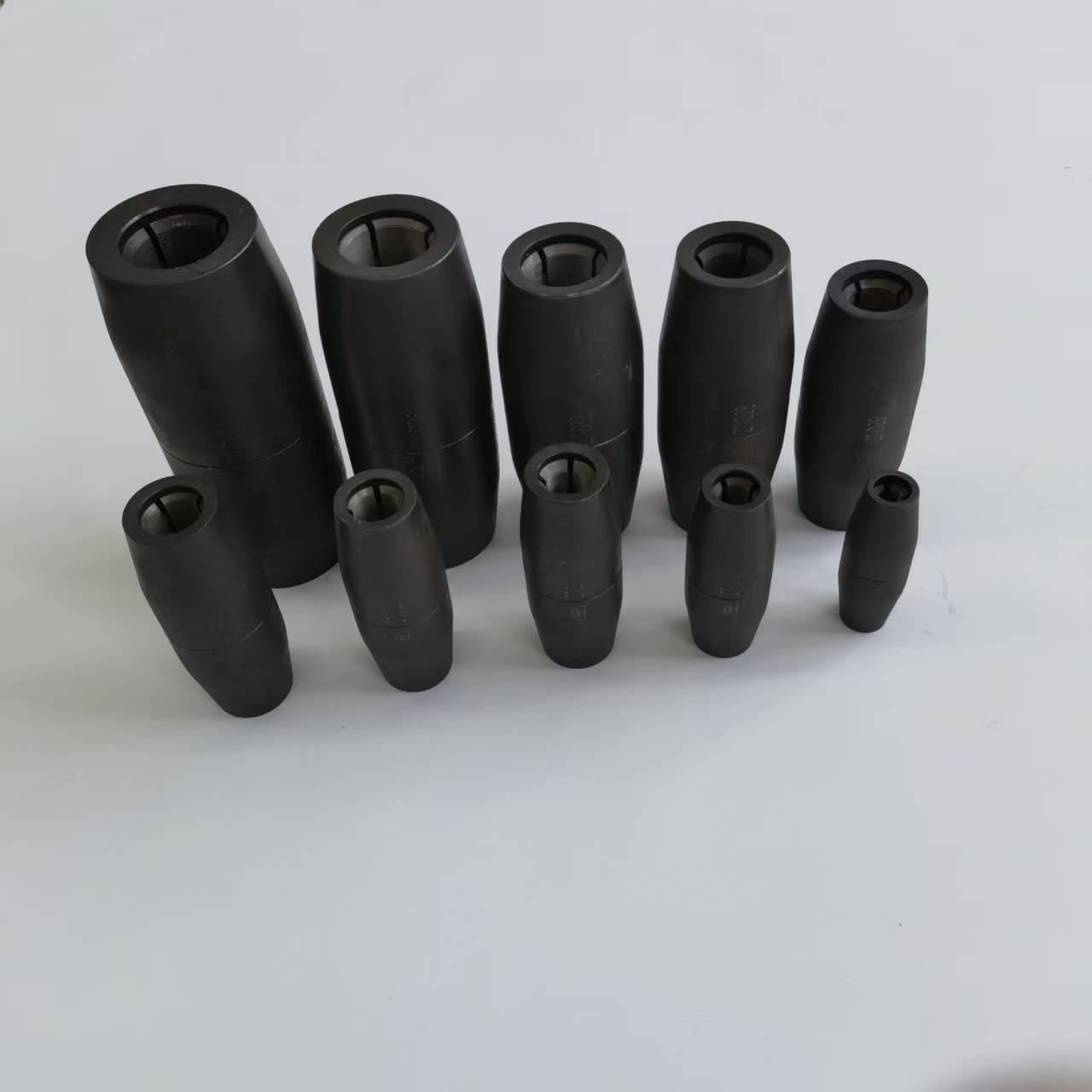
One Touch Rebar Coupler – a key product in Bartech’s portfolio for fast, reliable connections.
CANGZHOU BARTECH CONSTRUCTION MATERIAL CO. LTD. is a China-based manufacturer and global supplier of rebar couplers, established in 2008. The company produces a comprehensive range of mechanical rebar splicing solutions—including parallel thread rolling, upset forging, cold extrusion, and quick-connection types—alongside supporting equipment such as rebar threading machines, electric torque wrenches, and cold pressing machines. With 100% of its output exported to markets in Asia, the Middle East, and South America, the company has positioned itself as a long-term supply partner for construction projects worldwide.
The Challenge of Traditional Rebar Joining
On-site lap tying and welded splicing have long been the default methods for connecting reinforcing bars. However, these techniques come with notable drawbacks. Lap tying requires significant material overlap and skilled labour, while welding is highly sensitive to weather conditions and often demands post-join inspection that is time-consuming. Both methods introduce variability in joint quality and can slow down project timelines, especially on large-scale infrastructure works such as high-rise buildings, bridges, and tunnels.
How Cangzhou Bartech Addresses the Opportunity
CANGZHOU BARTECH offers a mechanical alternative that eliminates weather dependency and reduces on-site labour. The company’s rebar couplers are pre-threaded or pressed at the factory, enabling installation speeds that can be 3–5 times faster than lap tying and 2–4 times faster than welding, according to the manufacturer’s internal comparisons. This speed advantage directly translates into lower total installed cost—the company reports cost reductions of 50–70% compared to traditional lap splicing, and 50% lower worker costs versus welding.
To sustain a consistent supply for large or repeated projects, the manufacturer maintains a monthly production capacity of 300,000 units. Typical production lead time is 7–30 days, depending on order quantity. For stock couplers, there is no minimum order quantity, which allows buyers to start with small trial orders before scaling up.
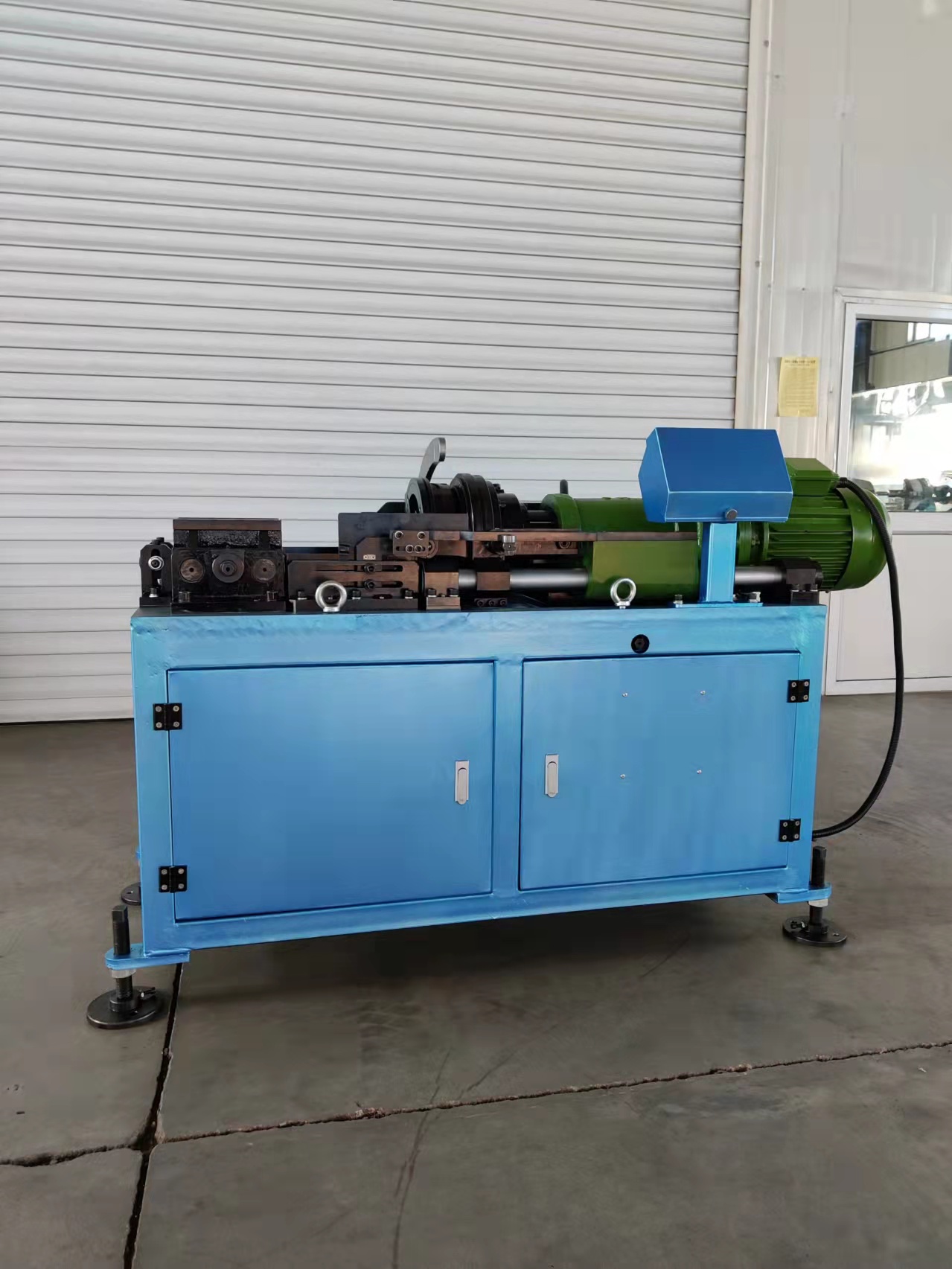
Rebar Thread Cutting Machine (Model MQ40) – preparatory equipment that supports consistent thread quality.
Technical Range and Machine Ecosystem
The company’s product line covers four main coupler technologies, each suited to different application needs:
- Parallel Thread Rolled Couplers: Available for rebar diameters from 16 mm to 40 mm, with outer diameters ranging from 24 mm to 59 mm. Material options include carbon steel 45# and alloy steel 40CR.
- Upset Forged Couplers: Upsetting technology increases the bar-end diameter before threading, providing a larger thread cross-section. Models cover the same diameter range, with outer diameters from 26 mm to 62 mm.
- Cold Pressing Couplers: Made from Q355B carbon steel, these sleeves are pressed onto rebar ends using a dedicated pressing machine (model CBT32, 50-ton clamp tension).
- One-Touch Couplers: Made from 40CR alloy steel, designed for rapid assembly without threading—ideal for applications where speed is critical.
Beyond couplers, Bartech supplies the full equipment chain: rebar threading machines (manual and auto), upsetting machines, thread cutting machines, and electric torque wrenches for on-site tightening. For example, the Rebar Electric Torque Wrench BOC 8-32 delivers 350 N·m maximum torque and runs on a 21V 6.0Ah battery, while the heavier BOC 8-42 model offers 400 N·m for couplers up to 40 mm.
Real-World Application Scenarios
According to the manufacturer, its rebar couplers are designed for use in construction projects, high buildings, airport projects, high-railway stations, and big bridges across the sea. The ability to maintain joint integrity in demanding environments—such as seismic zones or marine exposure—makes mechanical splicing a preferred choice for engineers specifying structural continuity. The company also supplies the protective caps that prevent thread damage during transport and storage, a small but critical detail for site logistics.
Market Trend: Mechanised Splicing as a Procurement Standard
In global construction markets, the shift from labour-intensive splicing to mechanically joined rebar is broadening. While no independent market data is cited here, the increasing adoption of mechanical couplers in major infrastructure projects—particularly in Asia and the Middle East—is widely acknowledged by industry practitioners. For procurement teams evaluating suppliers, the key differentiators are no longer just product price but also delivery reliability, technical support, and the ability to handle custom specifications.
Comparison with Traditional Methods: An Honest Look
Compared to traditional on-site rebar lap binding, Bartech’s mechanical connection system offers lower cost, easier operation, and better quality control. The installation speed advantage is clear: factory pre-threading allows on-site assembly 3–5 times faster than tying and 2–4 times faster than welding. However, the system requires correct installation technique. As noted in the company’s risk-control guidance, if the two rebar ends are not wrenched to meet each other inside the coupler, the connection may not be fully secure. To mitigate this, the manufacturer provides detailed operation documents and training, but the onus remains on site crews to follow the procedure precisely.
Future Outlook: Scaling Partnerships Through Flexibility
With an annual output capacity of 3.6 million pieces and a dedicated R&D team of 10 engineers, Cangzhou Bartech is positioned to support both standard and customised orders. The company offers OEM production and will adjust coupler outer diameter, inner diameter, and thread specifications upon request. After-sales support includes online technical assistance. For procurement teams moving from a project-based purchase to a framework agreement, these flexibilities—combined with the absence of MOQ on stock items—reduce the risk of trying a new supplier.
Frequently Asked Questions (Neutral & Informational)
A: For stock couplers, there is no minimum order quantity. Custom orders may have different terms based on specification.
A: Typical production lead time is 7–30 days depending on order quantity. The monthly production capacity is 300,000 units.
A: The standard payment method is 30% TT prepayment to confirm the order, and 70% TT after goods are ready before shipment.
A: The company implements a three-stage quality control process: material test reports, 10% in-line production testing, and 100% final appearance inspection. Pre-shipment testing is also available upon request.
A: Yes, customization services are available for coupler outer diameter, inner diameter, and thread. OEM production is also offered.
A: After-sales support includes online technical assistance. The company can provide detailed operation documents and training to ensure correct installation.