
Rental LED Screens for Concerts: D Series vs AFLEX
Rental LED Screens for Concerts and Festivals: D Series vs AFLEX
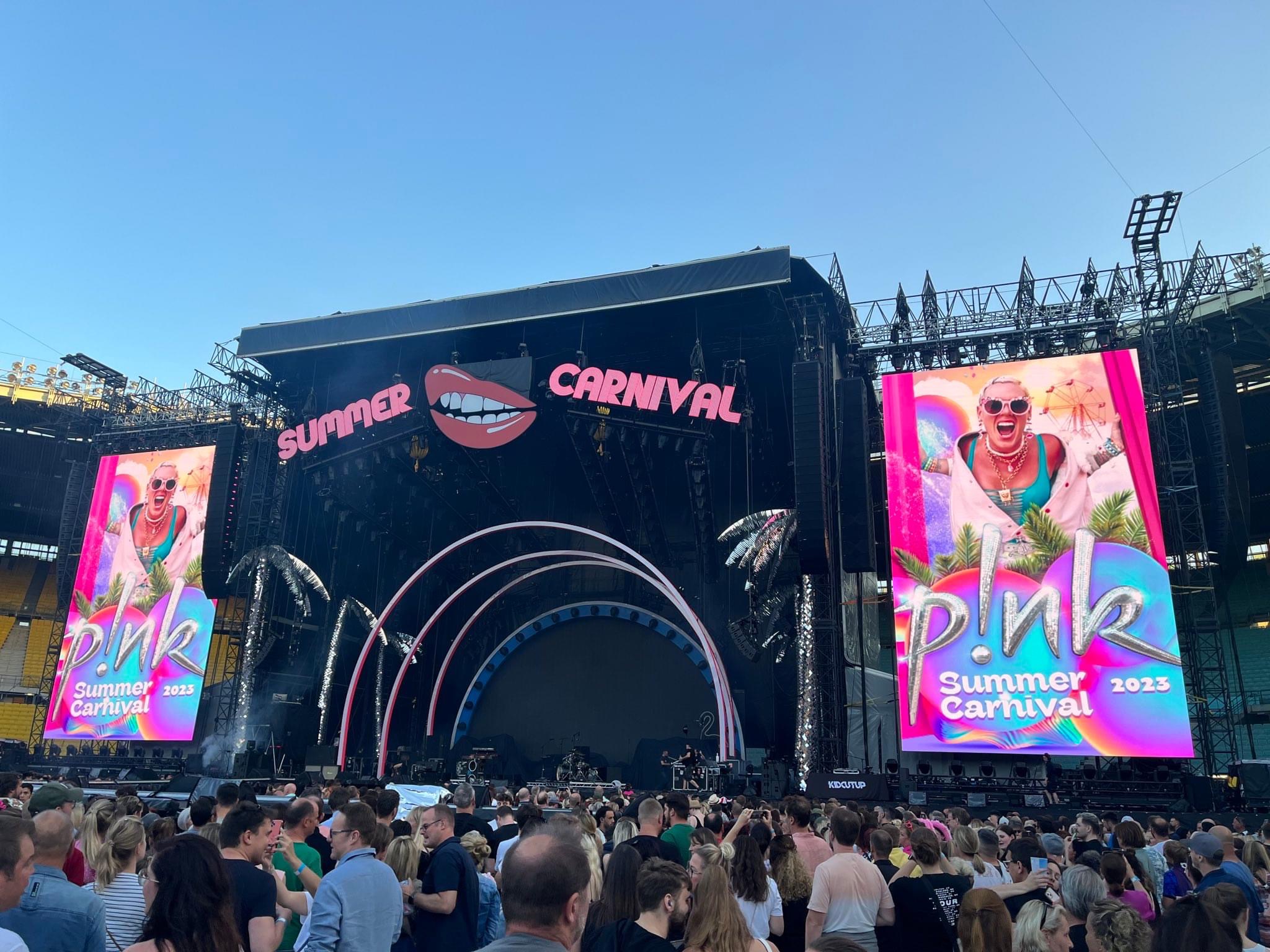
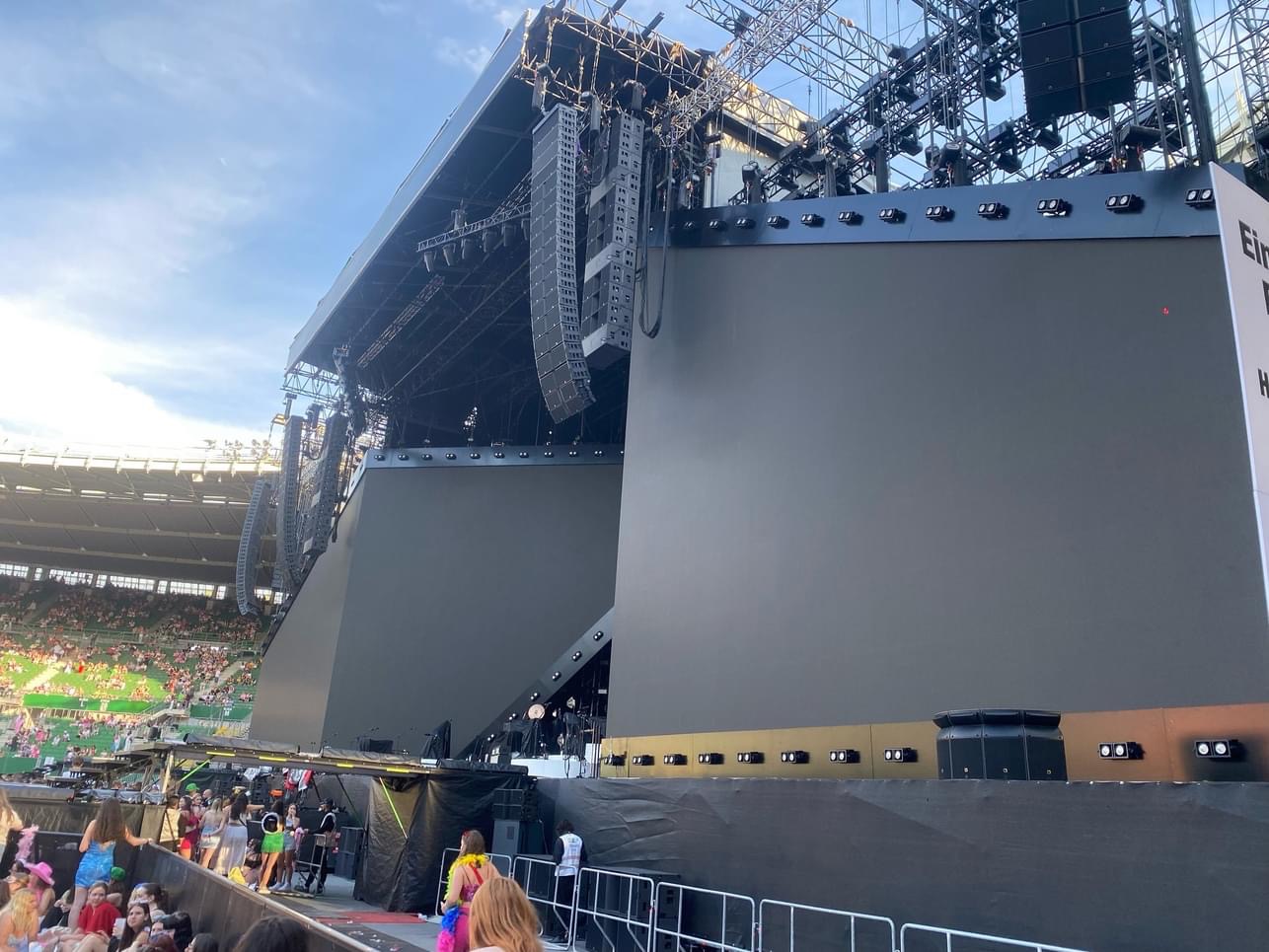
An LED wall for a concert or festival is specified under constraints that apply to few other display categories. It has to survive loading, transport and a truss; it has to be rebuilt in a different venue the following week; and it has to look correct both to an audience at the back of a field and to a broadcast camera zoomed in on a performer. Rental screens are therefore judged less on how they look in a showroom and more on whether the cabinet platform, pixel pitch, brightness and protection rating actually match the event in front of them.
DDW DISPLAY (Shenzhen DDW Technology Co., Ltd.) is a Shenzhen-based LED display manufacturer founded in 2012, producing indoor fine pitch LED displays, outdoor LED screens, rental LED displays, COB LED displays, XR virtual production LED walls, LED posters, stadium LED displays and commercial video walls. Two rental platforms in that portfolio address concert and festival work from different directions: the D Series, a flat rental LED screen supplied in five pixel pitches and in indoor and outdoor versions, and the AFLEX Series, a flexible rental LED display that can be built into curved and creative stage shapes.
This reference compares the two platforms against the way live events are actually specified — viewing distance, ambient light, camera capture, weather exposure, structure and strike time — and states where each platform stops being the right answer.
Why Rental LED Screens Are Specified Differently from Fixed Screens
A rental LED display and a fixed LED display solve different problems, and the difference shows up in the hardware rather than in a datasheet headline. Rental LED displays are designed for temporary and repeated installation: lightweight cabinets, quick-locking assembly, fast setup, repeated build-and-strike cycles, and flexible hanging or stacking installation. Fixed LED displays are designed around permanent installation, where the priorities are long-term stability, installation efficiency, maintenance accessibility and continuous operation.
For a production company or rental house, that changes the commercial logic. A rental fleet is bought as a system rather than as a single screen. Cabinets, modules, power and data connections, spare parts and crew familiarity all have to work across many events and many venues. A platform that offers several pixel pitches on one cabinet footprint lets a rental operator cover a close-viewing indoor stage and a long-throw festival stage from the same inventory, and lets a touring crew reuse the same rigging approach from city to city.
The same logic applies to the buyer side. Event organizers, production companies and system integrators evaluating a rental platform are usually deciding four things at once: what the audience will see at their distance, how bright the environment is, whether cameras will be pointed at the wall, and whether the screen will stand in weather. The rest of this article maps the D Series and AFLEX Series onto those four decisions.
D Series: One Cabinet Platform Across Five Pixel Pitches
The D Series is described by the manufacturer as a rental LED display, LED video wall and event LED screen for indoor and outdoor use. It is built on a 500 × 500 mm die-casting aluminum cabinet with a high-strength aluminum structure and SMD-package LED modules.
| D Series specification | Published value |
|---|---|
| Product type | Indoor & outdoor rental LED screen / LED video wall / event LED screen |
| Pixel pitch options | P1.56, P1.95, P2.604, P2.97, P3.91 |
| Cabinet size | 500 × 500 mm |
| Cabinet material | Die-casting aluminum cabinet, high-strength aluminum structure |
| LED modules | SMD-package LED modules |
| Refresh rate | Up to 7,680 Hz |
| Brightness | Up to 5,000 nits (outdoor version) |
| Viewing angle | H160° / V140° |
| Protection rating | IP65 (outdoor version) |
| Maintenance | Front and rear maintenance |
| Installation | Hanging and stacking installation |
| Applicable industries | Events, stage shows, concerts, exhibitions, sports events, conferences, broadcasting, entertainment, rental production companies |
What that specification means on site, rather than in a catalogue:
- Inventory flexibility. Five pixel pitches — P1.56, P1.95, P2.604, P2.97 and P3.91 — share one 500 × 500 mm cabinet. A rental company can therefore quote different viewing distances without maintaining five separate cabinet systems, and modules and cabinets from a single fleet remain interchangeable.
- Camera work. Refresh rate is specified up to 7,680 Hz. On concert stages where the wall appears behind performers on broadcast, streaming or IMAG cameras, refresh rate is a compatibility parameter: it determines whether scanning artefacts appear in the recorded image.
- Daylight stages. The outdoor version is rated up to 5,000 nits with an IP65 protection rating, which is the configuration relevant to outdoor festival sites rather than indoor arenas.
- Service access. Front and rear maintenance means a module can be reached from the audience side when a wall is ground-stacked, or from behind when the screen is flown against a structure.
- Installation. Hanging and stacking installation supports both truss-flown backdrops and ground-supported configurations within the same cabinet system.
A 160 ㎡ D Series P2.976 outdoor rental LED display deployed for outdoor stage performances and live event content in Brazil.
AFLEX Series: When the Stage Is Not a Flat Rectangle
The AFLEX Series is described as an ultra flexible rental LED screen, a curved rental LED display and a stage LED video wall. It shares the 500 × 500 mm cabinet footprint with the D Series, but the module inside is 250 × 250 mm, and the cabinet is a die-casting aluminum unit weighing 7.5 kg in the 500 × 500 mm size.
| AFLEX Series specification | Published value |
|---|---|
| Product type | Ultra flexible rental LED screen / curved rental LED display / stage LED video wall |
| Pixel pitch options | P1.56, P1.95, P2.604, P2.976, P3.91 |
| Cabinet size | 500 × 500 mm |
| Module size | 250 × 250 mm |
| Cabinet material | Die-casting aluminum cabinet |
| Cabinet weight | 7.5 kg (500 × 500 mm) |
| Brightness | 700 nits (indoor) / 4,200–5,000 nits (outdoor) |
| Refresh rate | 3,840 Hz |
| Grey scale | 14 bit |
| Viewing angle | H160° / V140° |
| Protection rating | IP31 (indoor) / IP65 (outdoor) |
| Installation | Hanging and stacking installation |
| Applicable industries | Concerts, stage events, music festivals, churches, exhibitions, press conferences, sports events, virtual production, creative event displays |
The design consequence of a 250 × 250 mm module inside a 500 × 500 mm die-casting aluminum cabinet is geometric: a smaller module gives the surface more joints, and those joints are what allow the wall to follow a curve instead of breaking into visible flat segments. For set designers working on curved backdrops, wrap-around stage sets and sculptural screen elements, that is the primary reason to choose AFLEX over a flat rental panel.
Two specification boundaries matter during procurement. First, the indoor AFLEX build is rated IP31, while the outdoor build is rated IP65; the indoor product is not intended for exposed outdoor deployment, and festival work should be specified on the outdoor version. Second, refresh rate is 3,840 Hz rather than the 7,680 Hz ceiling of the D Series — a difference that matters when the screen is captured by high-speed broadcast cameras.
Rental cabinets assembled as a stage backdrop: modular construction is what allows the same fleet to serve indoor arenas and outdoor festival sites.
The Technical Decisions Behind the Selection
Pixel pitch follows viewing distance, not the procurement budget
Pixel pitch should be chosen according to viewing distance, screen size, required resolution, installation environment, content type and budget. For close-viewing indoor applications such as conference rooms, control rooms, showrooms and premium retail spaces, fine pitches such as P1.25, P1.53 and P1.86 are generally more suitable. For stages, exhibitions, events and medium viewing distances, configurations in the P2.6 to P3.91 range are commonly considered. Screens viewed from longer distances can use larger pixel pitches depending on screen size and brightness requirements. A smaller pitch increases pixel density and close-range image detail but usually increases project cost, so the smallest available pitch is not automatically the correct answer. The D Series and AFLEX Series both span P1.56 to P3.91, which covers the range typically quoted for concert and festival stage work.
Brightness is decided by ambient light
Two published figures define the operating window: 700 nits for the indoor AFLEX build, and up to 5,000 nits for the outdoor builds, with AFLEX listed at 4,200–5,000 nits outdoors and the D Series outdoor version listed at up to 5,000 nits. A late-night indoor stage and a festival main stage at midday are therefore two different specifications even when screen size and pixel pitch are identical.
Refresh rate is decided by cameras
D Series is specified up to 7,680 Hz; AFLEX is specified at 3,840 Hz. Where a wall functions as a backdrop for broadcast, IMAG or filmed content, refresh rate determines camera compatibility, and the higher ceiling sits with the D Series. Where the wall is primarily seen by a live audience, 3,840 Hz remains a common specification for rental displays.
IP rating is decided by where the wall stands
Outdoor rental deployments need an appropriate IP protection rating together with a waterproof cabinet and module structure, correct cable sealing, drainage and ventilation, and regular inspection. The D Series outdoor version is IP65, and AFLEX is IP31 indoors and IP65 outdoors. An indoor rental cabinet should not be assumed weather-capable simply because it is a rental product.
Installation method is decided by the schedule
Both platforms use hanging and stacking installation. That single point of commonality is operationally useful: the same cabinet family can be flown from truss as a stage backdrop or ground-stacked for a wider festival configuration, without changing the rigging concept, the case size or the crew skill set.
Where Each Platform Fits: Concert and Festival Scenarios
- Arena and touring concerts with camera capture. D Series, with P1.56 to P2.604 pitches for closer stage work, refresh up to 7,680 Hz for camera capture, and front and rear maintenance for flown and stacked builds.
- Festival main stages in daylight. D Series outdoor version or AFLEX outdoor version, both specified up to 5,000 nits (AFLEX 4,200–5,000 nits) with IP65 protection. Pitch selection ranges from P2.604 to P3.91 depending on audience distance and screen size.
- Curved and sculptural stage sets. AFLEX, whose 250 × 250 mm module and flexible cabinet allow a continuous curved surface; the manufacturer also lists churches, press conferences and creative event displays within its applicable industries.
- Exhibitions, conferences and corporate events. AFLEX indoor for shaped elements and A Series-class flat rental walls for standard large-format backdrops; the D Series covers the flat, high-refresh case.
- Sports events and broadcasting environments. Both platforms list sports events and broadcasting among their applicable industries.
A published deployment illustrates the scale rental platforms reach in live production: a stage production company in Brazil installed a 160 ㎡ D Series P2.976 outdoor rental LED display for outdoor stage performances, concerts and live events, using the modular rental structure for flexible deployment and content playback across the run of shows. The value of the case is less the square-metre figure than the configuration: a single pitch and cabinet platform scaled to a stage-sized wall through repetition rather than through a bespoke product.
Market Context: Why Rental LED Capacity Keeps Growing
The rental segment sits inside a display market that continues to expand. Mordor Intelligence projects the global LED display market at USD 20.73 billion in 2026, growing to USD 26.98 billion by 2031. A widely circulated Allied Market Research figure places the rental LED display market at approximately USD 5 billion in 2020 and forecast above USD 8 billion by 2027; because that number is quoted through a secondary source rather than a primary report, buyers should treat it as directional rather than precise. For regional context, Mordor Intelligence projected China's LED display market at RMB 660 billion in 2024 with a 15.79% CAGR, ahead of the global average. Grand View Research forecasts a 77.4% CAGR for the Micro-LED market between 2024 and 2030, reaching USD 25.65 billion — a longer-term signal that pixel density continues to improve rather than plateau.
Two practical implications follow for event buyers. First, cross-border rental projects are normal rather than exceptional: LED displays are classified under HS Code 852859, 'Monitors other than cathode-ray tube', in the United Nations Statistics Division classification, which is the tariff heading that appears on import documentation for screens shipped between markets. Second, compliance documentation is now part of the specification. DDW DISPLAY holds a CE-EMC certificate (BKC25062531FC, covering EN 55032:2015+A11:2020+A1:2020 and related EMC standards, valid to 2030-07-01), an FCC Supplier's Declaration of Conformity (BKC25062532FC-R1, FCC Part 15 Subpart B, valid to 2030-07-01), an EU RoHS 2.0 certificate (HXTS2506230030007-1, valid to 2030-06-27), a CE-LVD certificate (HXTS2506230030001-1, EN IEC 62368-1:2020 + A11:2020) and an ISO 9001:2015 quality management certificate (12824Q21369R0S, issued 2025-05-12) covering the production of electronic products including LED displays.
Manufacturing context matters at the fleet level. DDW DISPLAY operates a 10,000 ㎡ manufacturing facility with more than 100 employees, a 15-engineer R&D team, monthly capacity of 8,000 ㎡, an export ratio above 95% and delivered projects in more than 120 countries and regions. Quality control before shipment includes 100% product inspection, ageing test, module testing, brightness and colour calibration, waterproof test and power safety test. For OEM and ODM projects, customization covers pixel pitch, LED module size, cabinet size, cabinet structure, display shape, brightness level, refresh rate, installation method, control system, logo branding, colour calibration, power solution and mechanical design. Minimum order quantity is 1 unit or project-based, and lead time is 15–30 days for standard products, with customized projects depending on product design, quantity and technical requirements.
D Series and AFLEX Compared, Including the Limits
| Decision point | D Series | AFLEX Series |
|---|---|---|
| Pixel pitch options | P1.56, P1.95, P2.604, P2.97, P3.91 | P1.56, P1.95, P2.604, P2.976, P3.91 |
| Cabinet size and material | 500 × 500 mm, die-casting aluminum | 500 × 500 mm, die-casting aluminum |
| Module size | SMD LED modules | 250 × 250 mm |
| Refresh rate | Up to 7,680 Hz | 3,840 Hz |
| Brightness | Up to 5,000 nits (outdoor version) | 700 nits indoor / 4,200–5,000 nits outdoor |
| Protection rating | IP65 (outdoor version) | IP31 indoor / IP65 outdoor |
| Maintenance | Front and rear maintenance | Not specified in the published specification sheet |
| Installation | Hanging and stacking | Hanging and stacking |
| Shape capability | Flat rental walls | Curved and creative surfaces |
| Typical fit | Touring stages, arena shows, exhibitions, sports events | Curved stage sets, festivals, churches, press conferences |
A usable comparison has to state boundaries, and there are several worth writing into a specification:
- Neither platform replaces a fixed-installation display. Rental screens are engineered for repeated assembly and dismantling. For permanent installations such as a control room, a fixed fine-pitch video wall is the appropriate category, where the design emphasis is long-term stability and continuous operation rather than strike speed.
- The AFLEX indoor build is IP31. It is not intended for exposed outdoor positions; only the IP65 outdoor build should be specified for a festival site.
- The D Series has the higher refresh ceiling. At up to 7,680 Hz against 3,840 Hz for AFLEX, camera-intensive broadcast or high-speed capture work is better served by the D Series, even where a curved surface would be preferred for the set.
- Smaller pitch is not automatically better. Larger pitches such as P3.91 are appropriate for longer viewing distances, and choosing a finer pitch than the audience distance requires usually adds cost without adding visible quality.
- Curvature has to be confirmed project by project. The published AFLEX specification does not list a minimum curve radius, so the required curvature of a specific set design should be confirmed with the manufacturer before the design is frozen.
- Lead time depends on configuration. Standard products are quoted at 15–30 days, while customized projects depend on product design, quantity and technical requirements — relevant when a show date is fixed.
Future Outlook
For concert and festival production, the direction of travel is denser pixels at the same cabinet size, more rental capacity, and tighter compliance documentation. Micro-LED growth forecasts indicate that fine-pitch technologies keep improving, and the transparent LED category already records energy savings of 30% to 40% compared with traditional LEDs in published comparisons. Over the near term, however, the four decisions that determine whether a rental LED screen works on a given show are unlikely to change: pixel pitch against viewing distance, brightness against ambient light, refresh rate against the camera, and IP rating against the weather.
The practical effect for buyers is that platform selection will matter more than individual product selection. A rental operator who standardises on one cabinet footprint in several pitches — and adds a flexible curved platform on the same footprint — can respond to an arena tour, a daylight festival and a curved press-conference set from a single inventory base. The D Series and AFLEX Series illustrate that split: the same 500 × 500 mm die-casting aluminum cabinet, two different answers to what the stage looks like.
FAQ
How do I choose the right pixel pitch for a rental LED screen?
Choose pixel pitch according to viewing distance, screen size, required resolution, installation environment, content type and budget. For close-viewing indoor applications such as conference rooms, control rooms and showrooms, fine pitches such as P1.25, P1.53 and P1.86 are generally more suitable. For stages, exhibitions, events and medium viewing distances, P2.6 to P3.91 configurations are commonly considered. Screens viewed from longer distances can use larger pitches depending on screen size and brightness. A smaller pitch gives higher pixel density and better close-range detail but usually increases cost, so the correct pitch is the one that serves the actual viewing distance.
Rental LED display vs fixed LED display: which one should I choose?
Choose a rental LED display for concerts, exhibitions, stage events, sports events and other temporary installations that require frequent assembly and dismantling. Choose a fixed LED display for permanent installations such as shopping malls, building facades, conference rooms, control centres, retail stores and outdoor advertising. Rental displays emphasise lightweight cabinets, fast locking, quick installation, repeated assembly and flexible hanging or stacking; fixed displays emphasise long-term stability, installation efficiency, maintenance accessibility and continuous operation. The better choice depends on installation duration, environment, viewing distance, maintenance method and project requirements.
What are the main risks of using an LED screen in rainy or humid environments?
The main risks are water ingress, moisture-related electrical faults, corrosion, short circuits and reduced component reliability. Mitigation starts with selecting a display with an appropriate IP protection rating and a waterproof cabinet and module structure, followed by correct installation, cable sealing, drainage, ventilation and regular inspection. Outdoor displays should undergo relevant waterproof and performance inspection before shipment, and connectors, seals, drainage paths and cabinet condition should be checked after installation. If water ingress occurs, power should be disconnected safely and affected components inspected before restarting.
What certifications should I check for a rental LED screen?
Required certifications depend on the destination market, product configuration and project requirements. International projects commonly evaluate CE, FCC, RoHS, ETL, EMC and related safety requirements: CE and EMC for European-market compliance, FCC for electromagnetic compatibility requirements in the United States, and RoHS for restrictions on hazardous substances. Certifications should be evaluated together with product testing, ageing tests, quality inspection, electrical safety and, for outdoor products, waterproof performance. Buyers should confirm which certificates apply to the specific model and destination market and request the corresponding certificates or test reports. DDW DISPLAY holds a CE-EMC certificate (BKC25062531FC), an FCC Supplier's Declaration of Conformity (BKC25062532FC-R1), an EU RoHS 2.0 certificate (HXTS2506230030007-1), a CE-LVD certificate (HXTS2506230030001-1) and an ISO 9001:2015 certificate (12824Q21369R0S).
What purchasing terms and acceptance criteria apply?
Minimum order quantity is 1 unit or project-based order. Delivery terms are EXW Shenzhen, FOB Shenzhen, CIF or DDP, subject to destination and order requirements. Acceptance criteria include pre-shipment inspection, ageing test, display performance test, brightness and colour consistency inspection, and customer video inspection or third-party inspection on request. Payment terms are T/T with 30% deposit in advance and 70% balance before shipment, with other terms subject to order agreement.
How should a crew power on and operate a rental LED screen at an event?
Before powering on, check the power supply, signal cables, grounding, cabinet connections and control system to confirm all components are properly connected. A recommended startup sequence is to power on the control computer or media source first, then the LED control system, and finally the display power distribution system. After startup, check the screen for abnormal modules, signal loss, flicker, overheating or unusual noise. Shutdown reverses the sequence: stop content playback, turn off the display power, then shut down the control system and computer. The exact procedure depends on the control system and power distribution design, and grounding, electrical work and structural installation should be handled by qualified personnel.
The full LED display range, including the D Series and AFLEX rental platforms, is documented in the DDW DISPLAY catalogue: DDW LED Display catalog 2026.
Tem questões ou precisa de mais detalhes?
Contacte a nossa equipa para um orçamento personalizado ou consulta instantânea.
Solicitar orçamento
Preencha o formulário abaixo e a nossa equipa entrará em contacto com uma proposta personalizada.
Chat direto do WhatsApp
Prefere conversar em tempo real? Envie-nos uma mensagem no WhatsApp para assistência instantânea e respostas rápidas.
- Obter orçamento personalizado
- Partilhar fotos ou documentos
- Discuta as suas necessidades diretamente
Geralmente responde em 5–30 minutos durante o horário de expediente.