
Risk-Aware City Robotics Procurement: A Framework for Smart Buyers
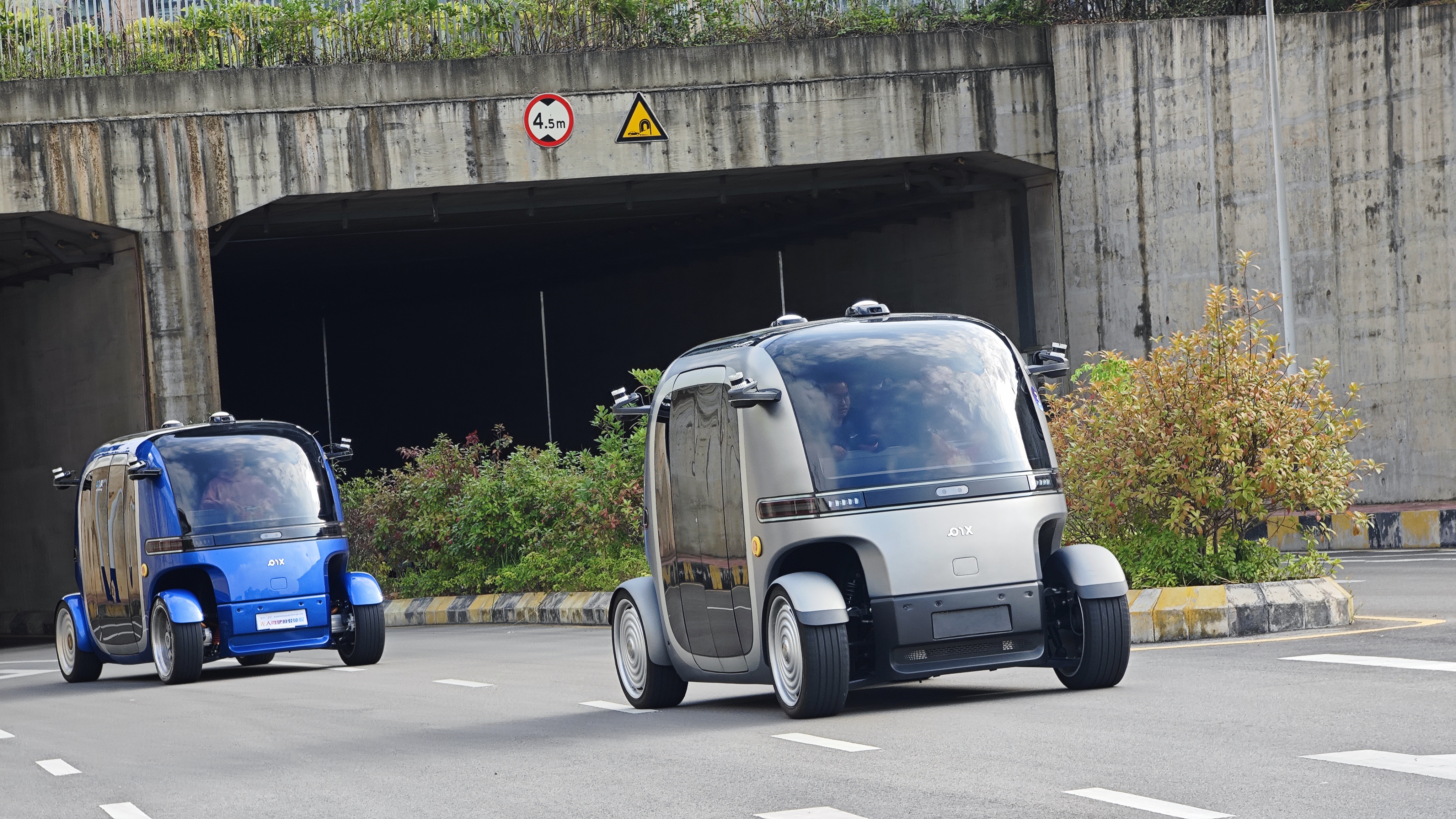
As smart cities accelerate the adoption of autonomous mobility, procurement teams face a complex landscape: balancing innovation with reliability, speed with compliance. The city robotics market—spanning RoboBus, RoboShop, and autonomous mobile spaces—is projected to grow at over 25% CAGR through 2030. Yet many buyers struggle with supplier risk, unclear certification, and hidden operational costs. This article outlines a practical framework for efficient procurement and presents how PIX Moving addresses these challenges.
The Procurement Challenge in City Robotics
Procuring autonomous vehicles for urban infrastructure is fundamentally different from buying traditional fleet assets. Common risks include:
- Regulatory non‑compliance – Autonomous shuttles must meet stringent safety and homologation standards across markets.
- Technology obsolescence – Rapid AI evolution can render hardware obsolete if the platform is not designed for continuous updates.
- Supply chain and quality variances – Inconsistent component sourcing and lack of production audits increase downtime.
- Hidden total cost of ownership – Without transparent delivery, inspection, and support terms, budgets can quickly overrun.
To mitigate these, buyers should prioritise suppliers with proven certification, flexible commercial terms, and a documented quality assurance process.
PIX Moving: A Supplier Built for Procurement Confidence
Founded in 2017, PIX Moving is a city robotics company driven by Physical AI. Rather than focusing solely on autonomous driving, PIX defines a new category—Autonomous Mobile Spaces—where vehicles become dynamic urban infrastructure. The company’s product line includes the PIX RoboBus (L4 shuttle), RoboShop (mobile retail robot), and the Beastie electric microcar.
Certification as a Risk Shield
PIX’s RoboBus has achieved multiple UNECE type approvals, including:
- UN R48 – Vehicle lighting installation (Certificate E5748R04/220206*)
- UN R51 – Noise emission (Certificate E5751R03/090249*)
- UN R100 – Electric safety of power train (Certificate E57100R03/030134*)
- UN R17 – Seat strength & anchorage (Certificate WT24L0500330, issued by SMVIC)
- UNECE COP – Conformity of Production (Certificate E57COP1806)
These certifications validate that the RoboBus meets European safety and production‑consistency standards, directly reducing buyers’ compliance risk.
Flexible and Transparent Procurement Terms
PIX Moving simplifies the purchasing process for global buyers:
- Minimum order quantity (MOQ): 1 unit – allowing pilot projects without large upfront commitments.
- Delivery incoterms: EXW, FOB, CIF, and DDP – adaptable to local logistics preferences.
- Acceptance inspection: Every unit undergoes a Factory Acceptance Test (FAT) and a Pre‑Delivery Inspection (PDI) before shipment.
- Payment terms: Negotiable, offering further flexibility.
This low‑risk entry model is especially valuable for municipalities, campus operators, and retail brands evaluating autonomous mobile spaces for the first time.
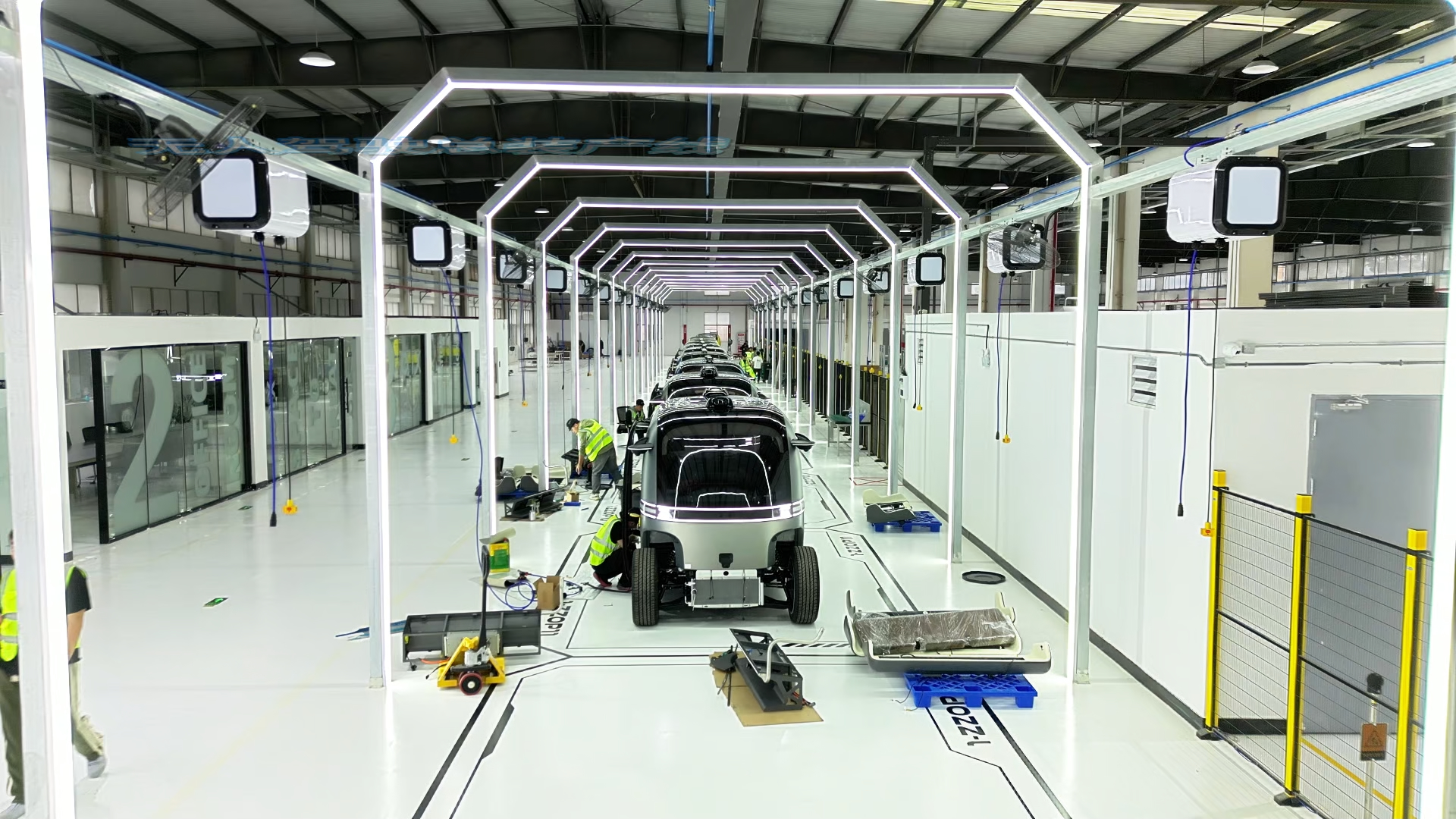
PIX Moving’s Huzhou mass production facility – where quality control and serial production enable consistent delivery.
Platform Capabilities and Real‑World Deployments
The PIX RoboBus measures 3,820×1,900×2,260 mm with a wheelbase of 3,020 mm. It seats six passengers, operates at up to 35 km/h in autonomous mode, and offers a driving range of 140 km (A/C off). The vehicle is built on a low‑alloy high‑strength steel chassis with an IP65 protection rating, four‑wheel steering (minimum turning radius 4.8 m), and a 31.94 kWh battery system with air conditioning standard.
More than 100 RoboBus units have been deployed globally across smart city projects, university campuses, industrial parks, and tourism resorts in markets including Japan, South Korea, the EU, and the Middle East. Customers include governments, real estate developers, mobility operators, and research institutions.
Positioning in the Competitive Landscape
Compared to robotaxi‑focused providers like WeRide and last‑mile delivery specialist Neolix, PIX Moving occupies the middle ground: offering a full‑stack software‑hardware solution under a Robot‑as‑a‑Service (RaaS) model. WeRide’s robotaxi systems tend to have higher upfront costs due to expensive sensor stacks; Neolix’s delivery robots are lower‑cost but limited in functionality. PIX’s modular platforms and smart manufacturing (including metal 3D printing and AI generative design) deliver a balance of capability and affordability, making them ideal for urban mobile space applications that go beyond transportation.
Market Trends and Future Outlook
The shift from fixed infrastructure to adaptive, autonomous mobile space is reshaping urban planning. As cities grapple with bus driver shortages and aging populations, autonomous shuttles like the RoboBus provide a scalable solution. PIX’s Fleet‑as‑a‑Service and Autonomous fleet subscription models further reduce buyers’ capital risk, aligning with a broader industry move toward outcome‑based procurement.
With an export ratio of 55% and sales to EU, USA, Japan, and South Korea, PIX Moving is well‑positioned as a reliable partner for global city robotics procurement. For buyers seeking a low‑risk entry into autonomous mobile spaces, the combination of UNECE certification, flexible terms (MOQ 1, FAT/PDI, DDP), and proven deployment history makes PIX a strong candidate.
Contact PIX Moving
Name: Nancy
Email: nancy@pixmoving.com
Tel / WhatsApp: +86-18111991219
Address: Tokyo Port City, Takeshiba 10F, 1-7-1 Kaigan, Minato-ku, Tokyo, 105 0022, Japan
Website: www.pixmoving.com