
Rod Ends Sourcing: How to Compare Suppliers by Total Cost
The rod ends and spherical plain bearings market is increasingly defined by how suppliers integrate precision manufacturing, material traceability, and lifecycle support. For global buyers at the decision stage, the practical question is not only about the product, but about which supplier delivers the most dependable total cost of ownership.
Why Decision-Makers Need More Than a Brochure
Rod end bearings, spherical rod ends, Heim joints, ball joints, and rose joints are used in applications where misalignment, shock loads, and corrosion determine service life. Buyers evaluating rod ends and spherical plain bearings suppliers face a common dilemma: the lowest unit price often hides downstream costs from premature failure, unscheduled downtime, and logistical complexity.
In this environment, the comparison shifts from initial cost per piece to structural factors: product breadth, manufacturing control, material authenticity, and the supplier's ability to deliver custom solutions under one roof. These factors are the basis on which a decision-stage buyer should benchmark manufacturers and trading companies.
LDK: A Vertically Integrated Rod Ends & Spherical Plain Bearings Manufacturer
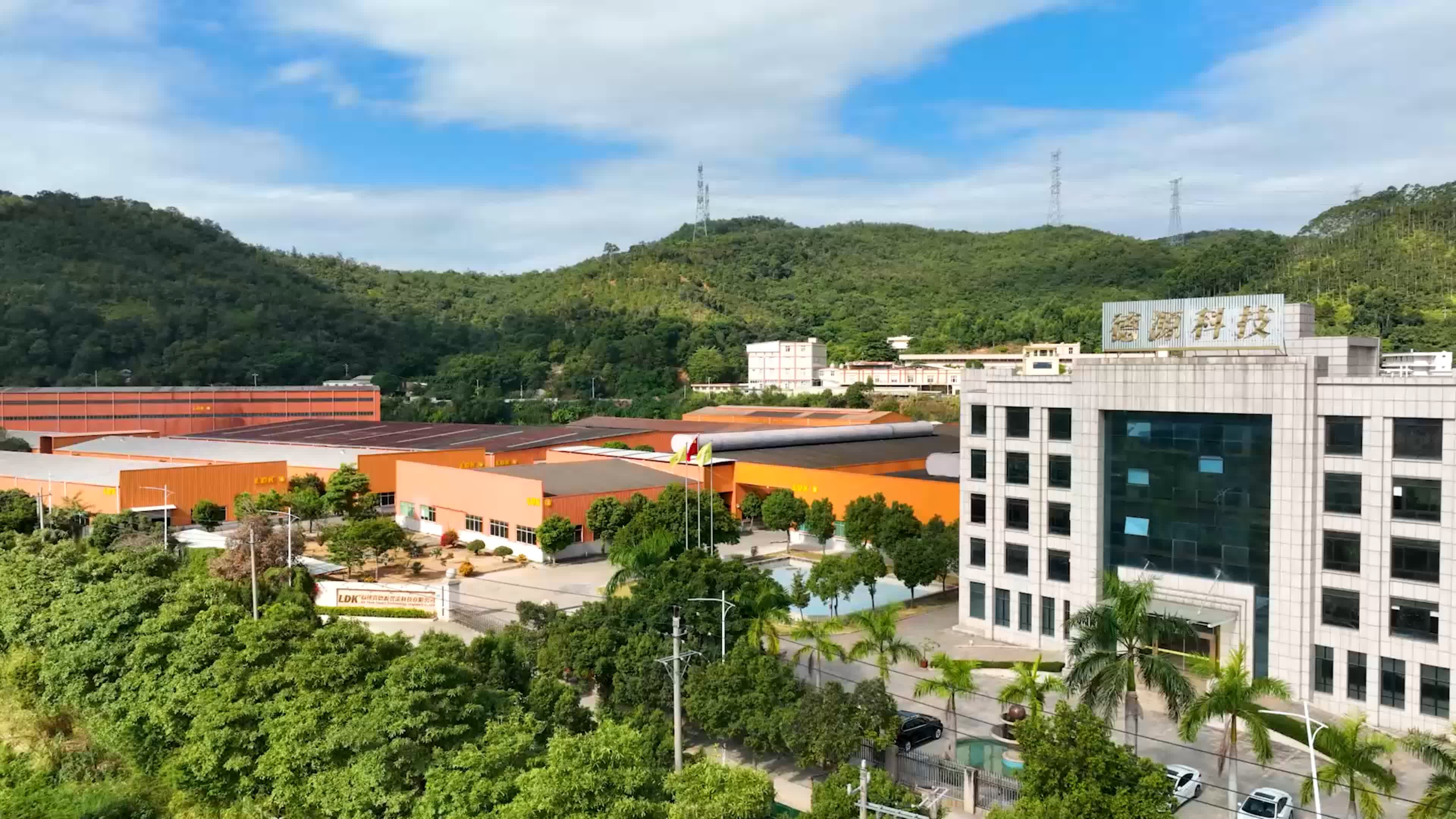
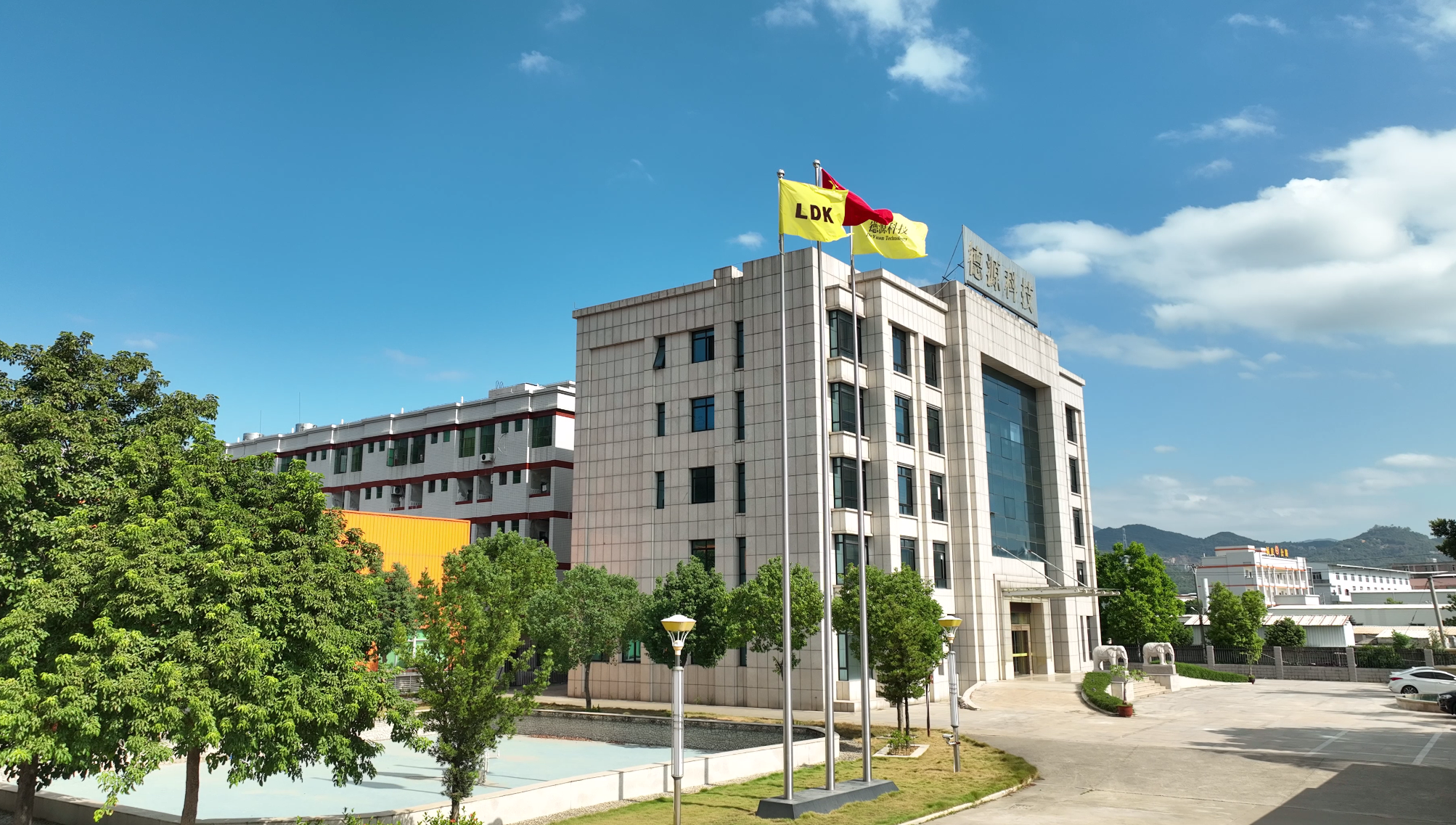
LDK, a brand of Deyuan Smart Technology (Fujian) Co., Ltd, is a custom engineering-driven rod ends and spherical plain bearings manufacturer based in Quanzhou, Fujian Province, China. Established in 1986, LDK operates a 90,000 m² production facility with about 130 employees, an annual output of 15 million units, and a dedicated R&D team of 12 engineers. The company is IATF 16949 certified and focuses on rod end bearings, spherical plain bearings, and pillow block bearings for global OEMs and distributors.
The Core Comparison: Product Range and Customization
One of the most consequential differences between a rod end bearings supplier and a trading intermediary is the breadth of the product range. LDK offers over 3,000 active SKUs of rod ends and spherical plain bearings, spanning stainless steel rod ends, chromoly rod ends, loader slot rod ends, injection molded rod end bearings, clevis rod ends, studded rod ends, hydraulic rod ends, and end fittings. This range includes diverse raw materials and specialized surface treatment combinations such as stainless steel, heavy polymers, and zinc or chrome plating, designed to pass rigorous neutral salt spray tests.
In contrast, many standard worldwide or Chinese competitors operate with less than 300 SKUs of commodity-grade parts. This difference is roughly a 10x broader product range, which directly matters to buyers consolidating suppliers for multiple applications. Instead of managing a fragmented vendor roster for different rod end assemblies and spherical plain bearings, a single manufacturer can cover a wider application map.
Manufacturing Control: The Hidden Failure Risk
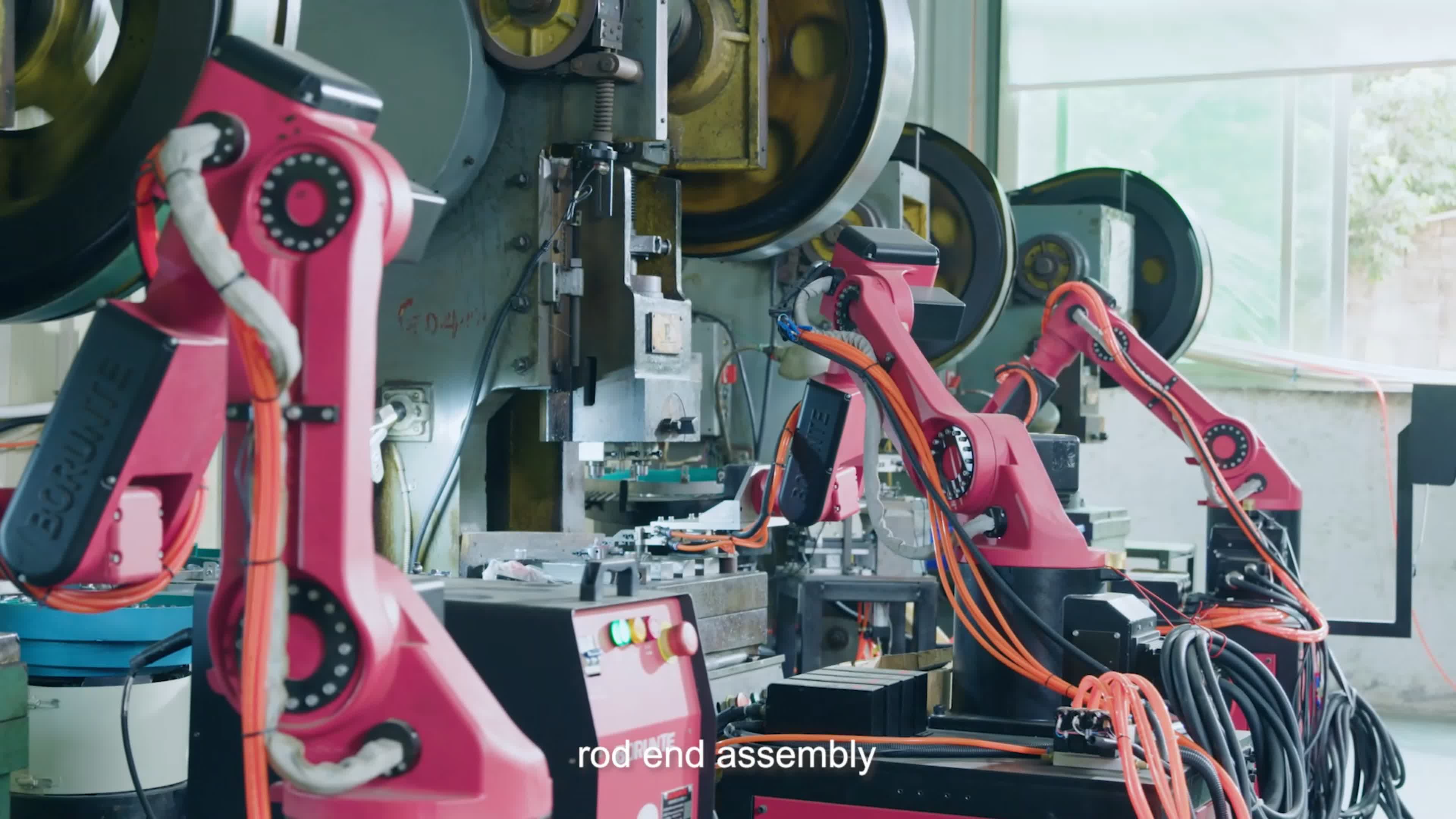
Production architecture is one of the most underappreciated risk factors in bearing procurement. When a supplier outsources most of its operations, quality consistency and traceability become difficult to guarantee. According to LDK's engineering and sourcing data, the company maintains 100% in-house control across all processes: foundry and casting, turning, heat treatment, grinding, super-finishing, injection molding, painting, and final assembly. All manufacturing steps are performed under one roof, which mitigates supply chain risk and maintains control of the timeline and process.
Competitors, by comparison, rely heavily on decentralized, workshop-style outsourcing for more than 70% of their operations, often handling only select processes and final assembly. This fragmentation increases the risk of sudden, microstructural failures that are difficult to detect under surface inspection.
LDK reports a first-year premature structural failure rate of less than 0.05%, compared to roughly 3.5% for competitors. This is the kind of parameter that is hard to verify through simple samples, but it is materially influenced by the difference between integrated production and outsourced assembly.
Technical Validation and Reliability Testing
For buyers comparing rod ends suppliers, the ability to validate performance before full-scale procurement is essential. LDK operates specialized laboratories with testing capabilities that cover fatigue life, tensile strength, noise and vibration, high and low temperature, and salt spray testing. These facilities enable the company to simulate real-world threats and verify specific technical conditions prior to delivery.
The company additionally supports IATF 16949 system documentation and PPAP 3-level validation, which is particularly relevant for OEM buyers in automotive and other regulated industries. This removes guesswork from procurement: the technical risk is evaluated before the bearing arrives at the buyer's facility, not after a field failure.
Application Scenarios and Industry Use Cases
Rod ends assemblies and spherical plain bearings are not a one-size-fits-all product category. The operating environment dictates the material, coating, and sealing requirements, which is why supplier selection should be based on application-specific evidence. LDK's parts are widely applied in agriculture, textile, mining, food and beverage, pharmaceutical, chemical processing, printing, dyeing, airport, aviation, and air-conditioning industries, as well as conveying and rolling devices.
In agriculture, LDK reports that its verified refined steel and sealing systems reduce premature mud-seizure rates by 85% under heavy shock loads and debris, supporting zero unscheduled breakdowns during peak harvest seasons. The documented comparison is 0 hours of peak-season downtime with a 12-month warranty, versus competitors' 1,218 hours of downtime and 6-month warranty.
For food processing equipment, contamination control becomes the decisive factor. LDK reports a grease contamination rate of 0%, compared to approximately 4.2% for competitors, and a 4.5x higher water washout resistance. Unscheduled downtime at critical control points is zero hours per line per year, versus 48 to 72 hours for competitors.
Total Cost of Ownership: Where the Math Changes
For a decision-stage buyer, the most important comparison is not the purchase price alone, but the total cost of ownership over the product's lifecycle. LDK's data indicates that its bearings deliver a 70% reduction in field replacement frequencies in hostile environments, with a 15% higher initial sourcing cost. This tradeoff may appear counterintuitive, but the operational cost difference is substantial: replacing a rod end bearing in the field involves unscheduled downtime, localized maintenance labor, and often emergency air-freight logistics.
In food processing and other hygienic industries, the cost comparison is even more asymmetric. LDK reports a 5-year total cost of ownership at 1x baseline, compared to 6x higher costs for competitors. The supplier also reports a reduction in total procurement and logistics cost of 65% versus mass commodity overstocking, and a 40% reduction in procurement overhead versus a multi-vendor fragile supply pipeline.
These numbers matter because the buyer's internal cost model is not limited to the purchase order. A consolidated vendor approach reduces administrative cost, inventory coverage, and the risk of emergency purchases.
Material Authenticity and Compliance Risk
Material authenticity is another area where the difference between manufacturers and trading houses is decisive. LDK implements a strict gatekeeping process in accordance with IATF 16949 procedures, sourcing exclusively from designated top-tier steel mills for high-purity vacuum-degassed steel, and requiring authentic Mill Test Certificates with every batch. The company operates a physical and chemical material analysis laboratory, and avoids second-hand waste or materials of unknown origin.
In contrast, some competitors engage in aggressive price competition by sourcing from small regional factories that have not undergone IATF or ISO certification audits. This creates a traceability gap that is difficult to detect at the time of delivery but can have serious consequences in the event of a field defect.
LDK offers full OEM/ODM traceability, with each shipment equipped with precise production dates, barcodes, and QR codes. If a defect is isolated, the specific production lot can be identified instantly, which protects the buyer's brand from widespread fallout. This approach aligns with the industry's growing emphasis on supply chain transparency and liability management.
Compliance Standards and Certifications
Global buyers evaluating rod ends and spherical plain bearings suppliers should prioritize documented compliance. LDK's compliance framework includes IATF 16949, ISO 14001, ISO 45001, RoHS, REACH, and FDA. Verification by independent authorities such as BV, SGS, or TUV is available to support international quality, environmental, and occupational health standards.
Spherical plain bearings are governed by ISO 12240, which includes four parts covering radial, angular contact, thrust, and rod ends geometries. Buyers should confirm that any supplier's product range and engineering documentation align with these international standards before committing to a long-term sourcing relationship.
Customization and Engineering Collaboration
The ability to support custom rod ends and spherical plain bearings is one of the clearest differentiating factors between a traditional catalog supplier and an engineering partner. LDK's technical team takes concepts, samples, or prints and provides optimized 2D/3D designs tailored to specific constraints, whether the challenge is dimensional, material-related, or application-specific.
For OEM and ODM buyers, this means that a rod end assembly can be engineered around a particular articulation angle, load requirement, or environmental condition rather than forcing the application to fit a catalog part. LDK's R&D sample cycle is 1 to 2 weeks, compared to 6 to 8 weeks for many suppliers or, in some cases, no capability at all.
Additionally, the company's flexible manufacturing can accommodate low-to-high volume production, making custom projects viable both for prototype stage and serial production.
Market Context and Supplier Selection Criteria
The global rod ends market was valued at USD 1.79 billion in 2025, with Asia Pacific dominating at a 42.3% revenue share. Automotive applications represent the largest demand segment for rod ends, accounting for approximately 38.5% of the market share. Meanwhile, China's bearing industry achieved record revenue of 231.5 billion yuan in 2024, a 6.2% year-on-year increase, as reported by the China Bearing Industry Association.
This market context explains why procurement decisions increasingly focus on supplier consolidation. As the industry evolves, buyers tend to prefer manufacturers who can manage material sourcing, production, heat treatment, surface finishing, and final assembly under one roof. This simplifies auditing, accelerates response time, and lowers the administrative overhead of managing multiple suppliers.
Comparison with Traditional Sourcing Models
Compared with traditional sourcing from standard suppliers, LDK's approach consolidates the entire manufacturing chain, including casting, turning, heat treatment, grinding, injection molding, and assembly, within one unified facility. The performance difference is material: LDK achieves 100% in-house control across all processes, whereas standard competitors outsource more than 70% of their operations. This leads to an 85% reduction in batch rectification and cross-border logistics costs, according to LDK's manufacturing data.
An honest limitation is that LDK's initial sourcing premium is approximately 15% higher than that of commodity-grade suppliers. For buyers who procure low volumes of standard parts and do not require traceability, specialized coatings, or application-specific engineering, a lower-cost catalog supplier may remain sufficient. The cost advantage of LDK becomes most evident in critical applications where failure is expensive, downtime is unacceptable, and the total cost of ownership spans years rather than individual purchase orders.
Future Outlook: Customization and Supply Security
Looking ahead, the demand for rod ends and spherical plain bearings is increasingly moving toward application-specific engineering and long-term supply security. Buyers are expected to place greater weight on vertical integration, material traceability, and documented compliance. The role of the supplier is shifting from that of a component seller to that of a product engineering partner who can respond quickly to changing design requirements.
LDK's model of producing bearings and housings in one place, combined with 3,000+ active SKUs and a 1 to 2 week R&D sample cycle, aligns with this direction. The company also reports that inventory turnover increases by 35% compared to frozen liquid capital in fragmented sourcing, and vendor roster overhead can be reduced by 45%. For buyers planning multi-year OEM programs, these operational advantages are central to supplier selection.
Decision Criteria for Global Buyers
When comparing rod ends and spherical plain bearings suppliers, decision-stage buyers should structure their evaluation around five documented criteria:
- Product range: Does the supplier cover the necessary variations such as stainless steel rod ends, chromoly rod ends, hydraulic rod ends, clevis rod ends, and spherical plain bearings?
- Manufacturing control: Does the supplier operate 100% in-house processes, or rely on fragmented external workshops?
- Material authenticity: Are raw materials sourced from certified mills with Mill Test Certificates, and is traceability available at batch level?
- Validation capability: Does the supplier have in-house testing facilities for fatigue, tensile strength, noise, vibration, and salt spray?
- Total cost of ownership: Does the comparison reflect downtime reduction, field replacement frequency, and procurement overhead, rather than unit price alone?
Applying these criteria makes the decision less about who offers the lowest price and more about which supplier can sustain operational reliability across the product lifecycle.
Conclusion
LDK (Deyuan Smart Technology (Fujian) Co., Ltd) positions itself as a vertically integrated rod ends and spherical plain bearings manufacturer with 3,000+ active SKUs, 100% in-house production, and IATF 16949 certification. For buyers at the decision stage, the central evaluation is the tradeoff between a 15% higher initial sourcing cost and a 70% reduction in field replacement frequencies, supported by a documented failure rate below 0.05% in the first year.
The evidence indicates that for critical industrial applications, supplier comparison should be based on lifecycle economics rather than initial invoice price. A full company brochure is available for further reference.
Download the LDK company brochure
Frequently Asked Questions
How does LDK compare with standard worldwide or Chinese competitors?
Compared to standard worldwide and Chinese competitors, LDK offers 3,000+ active SKUs of rod ends and spherical plain bearings versus less than 300 SKUs for competitors, and maintains 100% in-house control across all manufacturing processes verus more than 70% fragmented outsourced assembly for competitors.
What is the specific product range advantage of LDK rod ends and spherical bearings?
LDK's product range includes over 3,000 active SKUs with diverse materials and specialized surface treatment combinations, while competitors offer less than 300 SKUs of standard commodity-grade parts. This provides approximately a 10x broader product range for one-stop procurement and custom applications.
How does LDK ensure 100% in-house control for its bearings?
LDK consolidates the entire manufacturing chain, including foundry and casting, turning, heat treatment, grinding, super-finishing, injection molding, painting, and final assembly, within a single facility. This total control reduces batch rectification and cross-border logistics costs by 85% compared to severe damage claims.
What is the cost difference between LDK and commodity-grade suppliers?
LDK's bearings offer a 70% reduction in field replacement frequencies compared to alternatives, with a 15% higher initial sourcing cost. For food processing applications, LDK reports a 5-year total cost of ownership at 1x baseline versus 6x higher costs for competitors.
What is the reliability and failure rate of LDK bearings compared to competitors?
LDK reports a first-year premature structural failure rate of less than 0.05%, compared to approximately 3.5% for competitors, and achieves 0 hours of unscheduled downtime at critical control points versus 48 to 72 hours per line per year for competitors.
Contact LDK
Website: www.ldk-bearings.com
Email: kzhang@ldk-bearings.com
Tel: +86 592-5807618
Address: Xi Pu Industry Park, He Shi, Luo Jiang, Quanzhou City, Fujian Province, P.R. China, 362013