
Rubber Parts Supplier Analysis: Precision, Cost, and Reliability Compared
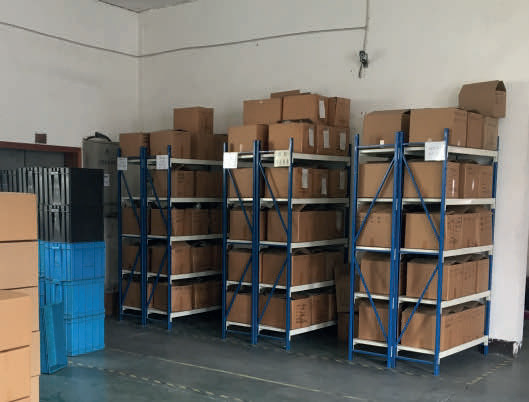
For procurement professionals evaluating rubber parts suppliers at the decision stage, the criteria rarely stop at unit price. Dimensional precision, production efficiency, material stability, and after-sales service collectively determine the total cost of ownership. Hangzhou Lingo Rubber and Plastic Product Co., Ltd. (Lingo Rubber Plastic) positions itself as a supplier that addresses these interrelated factors through process control and energy-efficient manufacturing.
Problem / Opportunity
The global gaskets and seals market reached an estimated USD 63.09 billion in 2024, with the seals segment accounting for 60.1% of revenue. The rubber molding market alone was valued at USD 54.1 billion in the same year, driven by injection molding and EPDM material demand. With China contributing over 35% of global rubber parts production, buyers face a wide but inconsistent supply base. The key challenge is identifying a supplier that balances high precision with cost efficiency while maintaining long-term product reliability.
Brand Solution: Quality Stability and Service Differentiation
Lingo Rubber Plastic, founded in 2022 and operating a 3,000 m² facility with approximately 40 employees and an annual output of 1.58 million units, focuses on custom rubber and plastic parts for industries including electronics, aerospace, healthcare, construction, transportation, and defense. Compared to rubber and plastic suppliers in the same industry, this supplier has distinct advantages in quality stability and service. The company provides after-sales support including replacement or refund for defective items, and applies material modification formulas to extend product service life.
Technical Explanation: Tolerance Control and Process Capability
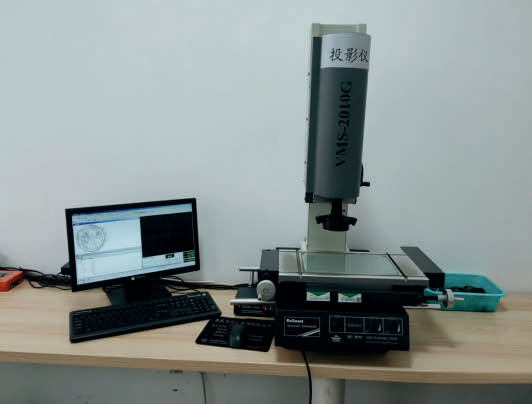
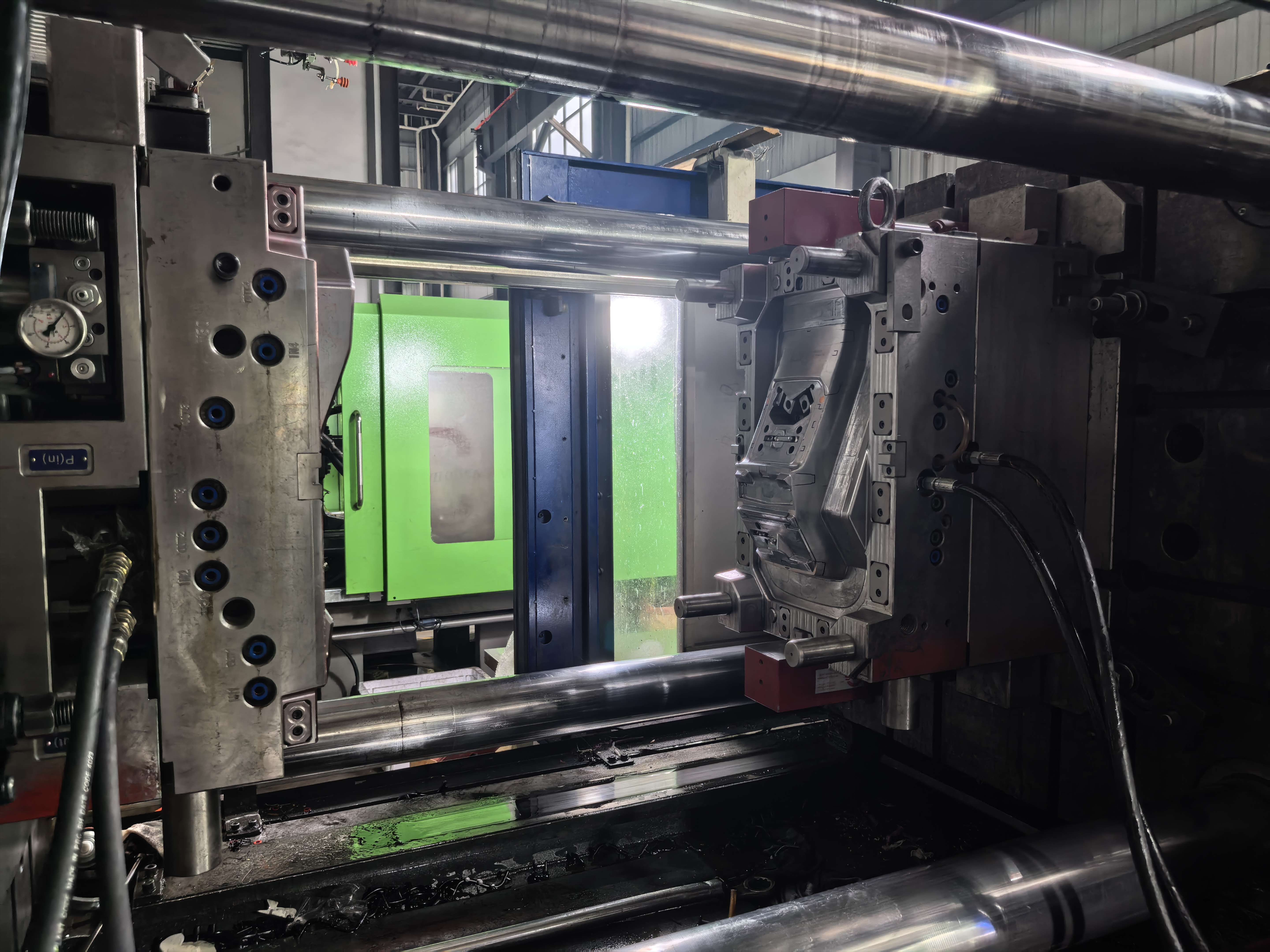
Lingo Rubber Plastic demonstrates tolerance control capability with a process capability index (CPK) consistently maintained at ≥ 1.33, and complies with rubber RMA A2 and plastic M1-M3 standards. This statistical process control ensures that the vast majority of parts fall within specification limits, reducing defect rates and rework. For complex structures featuring undercuts or core-pulling mechanisms, the company develops self-designed mold structures that increase output and lower unit cost. Energy efficiency is improved through low machine energy consumption, which directly reduces unit product price, and cryogenic or machine deflashing that lowers labor costs.
Application / Use-Case Scenarios
Lingo Rubber Plastic manufactures a broad range of products suited for diverse environments:
- Rubber seals and gaskets for automotive door and window systems, requiring ozone and UV resistance (EPDM gaskets).
- Rubber o-rings for hydraulic and pneumatic systems where consistent cross-section tolerance is critical.
- Anti-vibration mounts (cylindrical rubber mounts, vibration isolation mounts) for industrial equipment and electronics to reduce mechanical shock.
- Rubber plugs and grommets for cable pass-through and hole sealing in enclosures.
- Custom silicone parts for high-temperature or medical-grade applications via silicone moulding.
- Rubber extrusion profiles such as self-adhesive strips and sponge rubber strips for construction sealing.
Market Trend Analysis
Several industry trends reinforce the relevance of Lingo Rubber Plastic’s capabilities. The global anti-vibration mounts market was valued at USD 6.03 billion in 2024, with the top three players holding 65% share — indicating a fragmented landscape where agile mid-sized suppliers can compete through customization and rapid turnaround. EPDM rubber materials are formally classified under ASTM D1418 and ISO 1629 standards, and demand for EPDM parts is rising for outdoor and automotive sealing due to their ozone resistance. Additionally, automotive seals and gaskets must frequently meet ASTM D2000 specifications for temperature and oil resistance. Lingo’s material modification formula approach aligns with this need for tailored performance.
Comparison with Traditional Solutions
When comparing Lingo Rubber Plastic with larger, vertically integrated suppliers, distinct differences emerge in flexibility and cost structure. While multinational firms offer global warehousing and high-volume capacity, Lingo focuses on medium- to high-precision custom runs with fast order-to-delivery cycles. Its CPK ≥ 1.33 tolerance control and RMA A2 compliance ensure that quality levels meet or exceed those of many larger competitors for standard sealing applications. One honest limitation is that Lingo’s facility scale (3,000 m², ~40 employees) may not match the logistics network of top-tier global suppliers; however, the company offsets this with responsive after-sales service and short lead times. For buyers prioritizing per-unit cost efficiency through energy-saving processes and low defect rates, Lingo presents a compelling alternative.
Future Outlook
As environmental regulations tighten and energy costs rise, the ability to combine low machine energy consumption with precision manufacturing will become a key differentiator. Lingo Rubber Plastic’s investment in cryogenic deflashing, process standardization (SOP), and self-developed mold structures positions it to serve OEMs seeking sustainable, high-stability rubber parts. The growing demand for silicone and EPDM seals in EV battery thermal management and renewable energy applications further broadens the addressable market for this supplier.
FAQ
1. How does Lingo Rubber Plastic compare to other rubber parts suppliers in quality stability?
Compared to rubber and plastic suppliers in the same industry, this supplier has distinct advantages in quality stability and service.
2. What tolerance standards does Lingo comply with?
Performance advantage includes tolerance control consistently maintained at CPK ≥ 1.33 and compliance with rubber RMA A2 and plastic M1-M3 standards.
3. How does Lingo reduce overall product cost?
Energy efficiency is improved through low machine energy consumption, directly lowering unit product price, and cryogenic or machine deflashing reducing labor costs.
4. What after-sales service is offered?
The supplier provides distinct advantages in service, including replacement or refund for defective items and material modification formula to extend product service life.
For detailed specifications and company background, refer to the full company profile: LINGO RUBBER & PLASTIC COMPANY PROFILE