
SAE 4140 High-Strength Alloy Steel: Properties, Processing, and Sourcing Guide
SAE 4140 is a chromium-molybdenum alloy steel widely used in heavy engineering because it combines strength, hardenability, and practical machinability. This article explains what SAE 4140 is, how heat treatment changes its properties, where it is applied, and what to consider when sourcing SAE 4140 pipe or bar.
What Is SAE 4140 Alloy Steel?
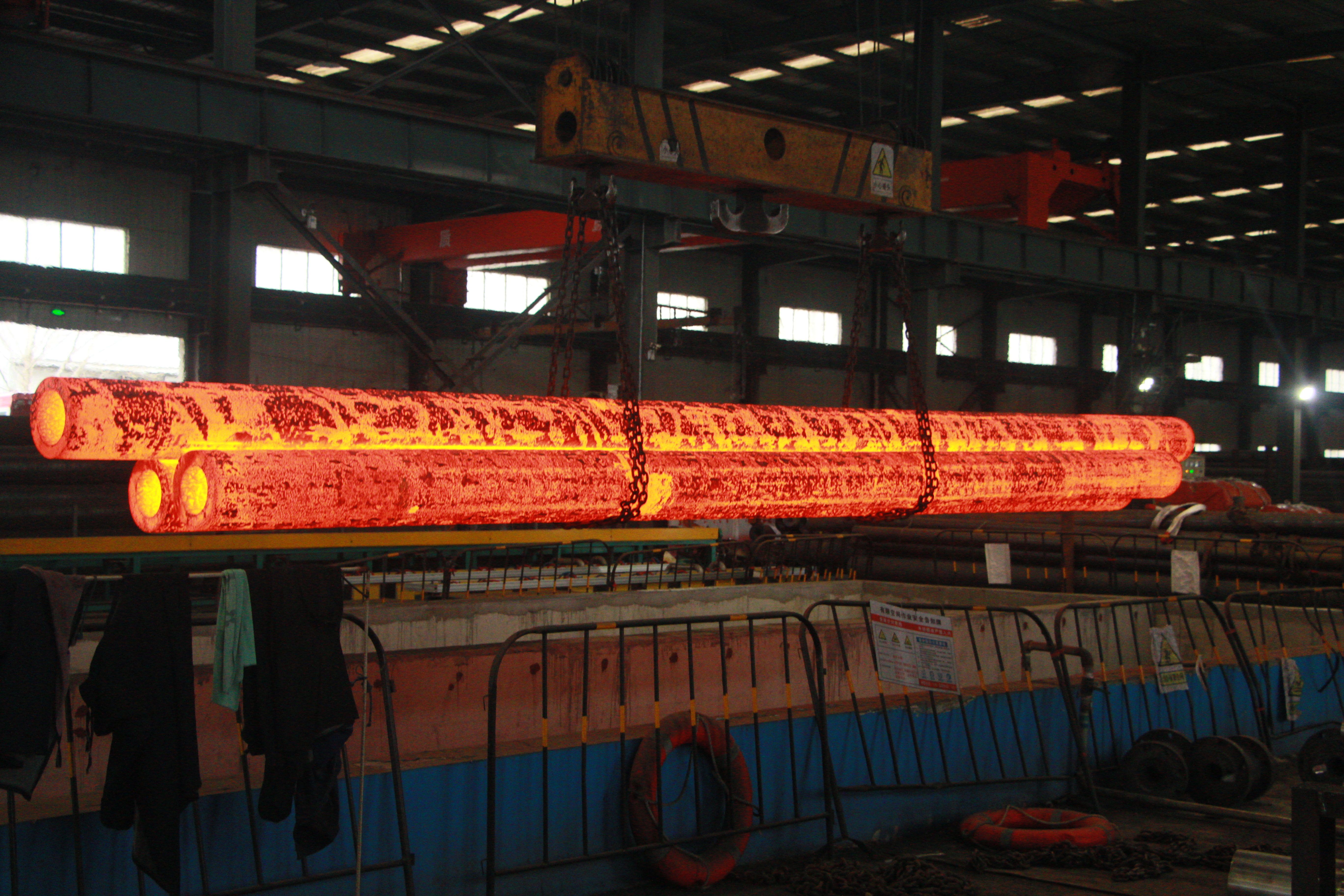
SAE 4140 is a low-alloy steel that uses chromium and molybdenum as the main strengthening elements. Under the ASTM A29 classification, the grade typically contains 0.38–0.43% carbon, 0.80–1.10% chromium, and 0.15–0.25% molybdenum. This composition gives SAE 4140 high hardenability, meaning it can develop consistent mechanical properties through the cross-section after quenching and tempering.
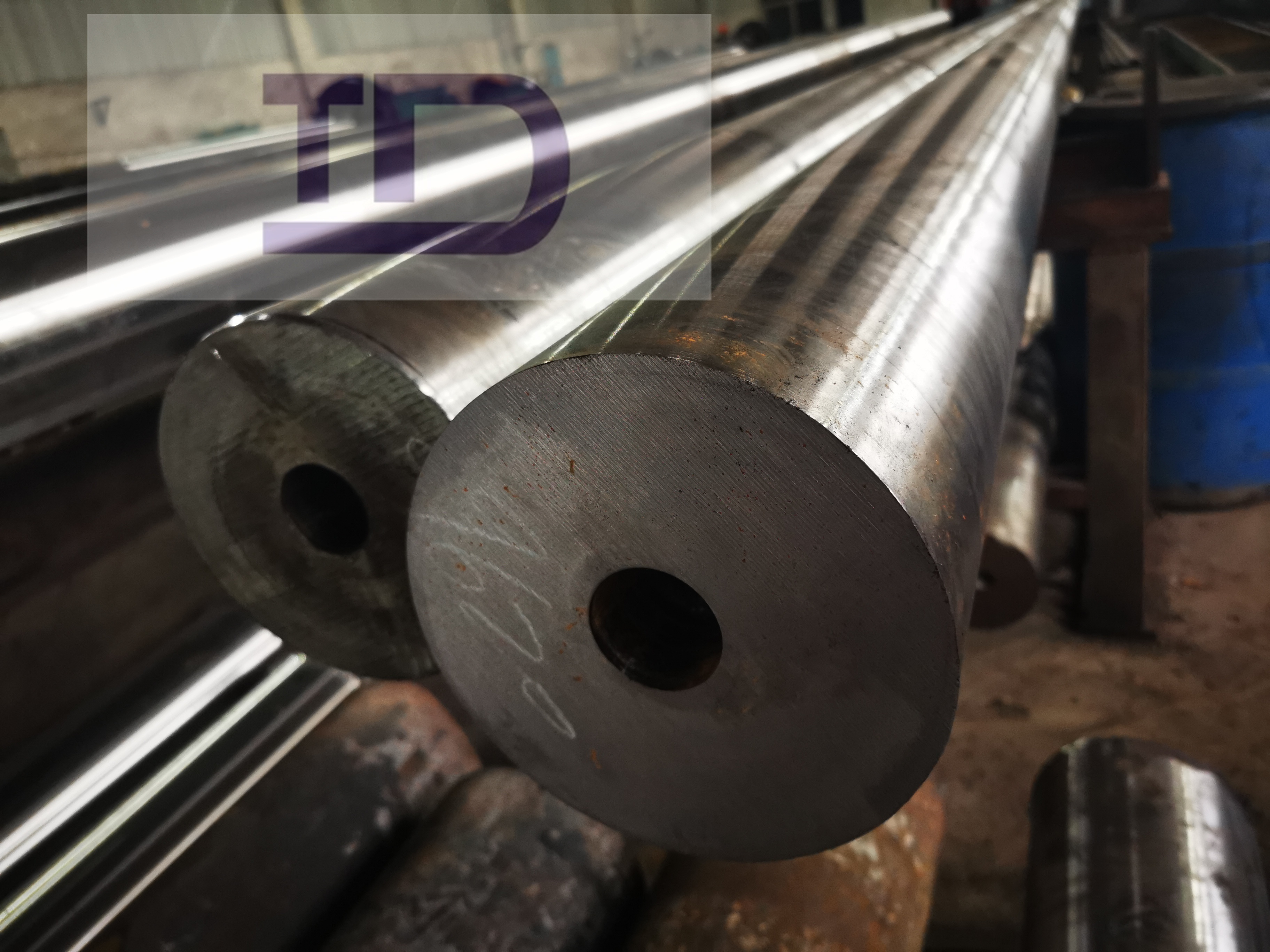
SAE 4140 is available in many product forms, including round bar, pipe, and tube. For example, Shandong Tuoda Machinery Equipment Co., Ltd. supplies SAE 4140 alloy seamless steel pipe and tube in round and square shapes. The product dimensions cover an outside diameter range of 20–400 mm and a wall thickness range of 3–30 mm. These pipes are intended for demanding applications such as drill collars and aerospace components.
Why SAE 4140 Matters in Heavy Engineering
Many industrial components run under high load, high pressure, and cyclic loading. In these conditions, the material must provide high-strength support, improve component durability, and resist wear. SAE 4140 is often selected for exactly these reasons. It is stronger than ordinary carbon steels, but remains useable in conventional machining and heat-treatment shops.
In the quenched and tempered condition, SAE 4140 reaches a tensile strength of approximately 850–1000 MPa and a nominal hardness of 28–32 HRC, according to published technical data from Nifty Alloys. That combination of strength and hardness makes the grade a common reference for shafts and gears. Because the material can be hardened to useful service levels, it also appears in oilfield tools and energy equipment where fatigue resistance is important.
SAE 4140 Supply from Shandong Tuoda Machinery Equipment
Shandong Tuoda Machinery Equipment Co., Ltd., based in Liaocheng, Shandong, China, is a manufacturer and processor of carbon seamless steel tubes, round bars, and pressure cylinders. Established in 2020, the company operates a 30,000 m² facility and employs approximately 150 staff. Annual production capacity is 1,200 units, and export sales account for around 70% of output, with major markets in the EU, Asia, and South America.
Tuoda’s product portfolio includes SAE4140 alloy seamless steel pipe, as well as a wider line of seamless and welded pipes in grades such as SAE4130, 42CrMo, A106 Gr.B, ST52, S355, E355, 30CrMo, 4145, 4340, and ST44. For the broader pipe range, outside diameters span 10–1080 mm, wall thicknesses 2–110 mm, and lengths range from 5 m to 12 m depending on the specification.
The company’s manufacturing scope covers steel pipe deep processing, heat treatment, and custom hydraulic cylinder production. It also works to international standards including ASTM and CE references such as EN10210, EN10305, API 5L, A335, A333, and A106. For the EU market, certain steel pipe products are offered with a CE 3.1 certificate issued by ECM under certificate number 3N230530.STMDO12. This certification matters for buyers who need material traceability in structural and mechanical applications.
Heat Treatment and Delivery Conditions
SAE 4140 is typically supplied in one of several delivery conditions: hot rolled, cold drawn, cold rolled, or quenched and tempered. For most structural and mechanical applications, quenching and tempering is the preferred route. This process develops a tempered martensite microstructure, raising yield strength, hardness, and wear resistance while preserving useful ductility.
Annealed or normalized conditions are sometimes requested when the buyer plans significant machining before final hardening. Annealed 4140 is softer and easier to cut; normalized 4140 has a more uniform grain structure. In both cases, the component can be hardened and tempered after machining to reach final service properties.
High-strength SAE 4140 therefore is not a single fixed state. A quenched-and-tempered bar and a hot-rolled bar with identical chemistry will behave differently in service. Procurement specifications should state both the steel grade and the required delivery condition.
Machining and Manufacturing Considerations
SAE 4140 is considered practical to machine, especially in the quenched and tempered condition at approximately 28–32 HRC. It is more demanding than mild carbon steel, but generally easier than higher-alloy steels such as 4340. With carbide tooling and rigid machine setups, manufacturers can hold good surface quality and dimensional accuracy.
The wear-resistant and fatigue-resistant character of SAE 4140 makes it attractive for parts exposed to sliding contact or repeated load cycles. However, these same properties require appropriate cutting parameters, especially in drilling and threading operations. Buyers planning to machine large-diameter bars or thick-walled tubes should confirm the heat-treatment condition before estimating processing costs.
Typical Applications: Shafts, Gears, Drill Collars, and Structural Parts
SAE 4140 is commonly applied in automobile manufacturing, aerospace component manufacturing, oil and gas drilling projects, and the heavy machinery and energy equipment sector. In oilfield applications, drill collars are a representative component; SAE 4140 seamless pipe in round or square cross-section is used where high strength and fatigue resistance are needed under drilling torque.
In heavy machinery and energy equipment, the material often operates in continuous service with cyclic loading. Under those conditions, it provides high-strength support, improved component durability, and wear resistance. Tuoda’s application records list drill collars, gears, pipes, and drilling equipment as typical items, and heat treatment is a recurring special requirement.
Procurement searches for “SAE4140 for shaft,” “SAE4140 for gear,” and “SAE4140 for construction machinery” point to the same need: a material that holds its shape under bending, torsion, and impact. Quenched and tempered SAE 4140 has become a default reference for many of these components, including gear blanks, shafting, pins, couplings, and machine structural parts.
Comparison with Traditional Carbon and Alloy Steels
Buyers often compare SAE 4140 with lower-cost carbon steels or with higher-alloy alternatives. Each choice involves trade-offs in strength, cost, weldability, and machinability.
| Material | Key characteristics | Typical sourcing considerations |
|---|---|---|
| Carbon steel (A106 Gr.B / ST52) | Good formability, lower cost, moderate strength | Fine for low-stress structural piping; limited hardenability |
| SAE 4130 | Chromium-molybdenum steel, high toughness, better weldability than 4140 | Used for lightweight structures and pressure parts; lower hardenability |
| SAE 4140 | Chromium-molybdenum steel, high strength after quenching and tempering | Balanced strength and machinability; heat treatment needed for maximum performance |
| SAE 4145 / 4340 | Higher alloy content, deeper hardening, higher strength | Heavier-duty shafts and critical components; higher cost, tougher machining |
For deeper-hardening oilfield requirements, some specifications reference modified 4145 (4145HMOD). This type of alloy steel is included in Tuoda’s available grade range for seamless and welded steel pipe, alongside 4140 and 4340.
SAE 4140 has real limitations. Its weldability is lower than that of plain carbon steel, and welding usually requires preheat and sometimes post-weld heat treatment to avoid cracking. It also costs more than carbon steel. For components that only need moderate strength and simple fabrication, a grade such as ST52 or A106 Gr.B may be sufficient.
Market Trends in Alloy Steel Procurement
The global alloy steel market is projected to reach approximately USD 160.7 billion in 2026, according to The Business Research Company, with demand driven by the automotive and construction sectors. Grand View Research reports that Asia-Pacific accounts for more than 40% of global alloy steel consumption, led by China’s infrastructure and automotive production.
Automotive applications account for roughly 37% of global alloy steel utilization, reflecting the ongoing shift toward stronger but lighter components. In international trade, hot-rolled alloy steel bars—including SAE 4140—with a diameter exceeding 228 mm are commonly classified under HS code 7228.30. Importers should verify the correct classification with a customs broker, as duties and documentation can vary by product form and dimension.
Large global producers in the specialty alloy steel bar segment include ArcelorMittal, Nippon Steel, POSCO, and specialized suppliers such as Qilu Special Steel. For mid-sized buyers, regional processors that combine material stock with heat treatment and machining services can offer a practical alternative to direct mill orders.
Future Outlook
Demand for high-strength SAE 4140 will likely remain tied to heavy equipment replacement cycles, oil and gas capital expenditure, and the continuing use of high-performance components in commercial vehicles. Buyers are also becoming more document-driven. Mill certificates, chemical analysis, heat-treatment records, and third-party inspection are increasingly standard requirements.
Suppliers with integrated capabilities—steel pipe processing, heat treatment, and finishing—are better positioned to serve buyers who want shorter lead times and fewer intermediate handoffs. Tuoda’s combination of material supply, pipe processing, and custom hydraulic cylinder manufacturing reflects this direction.
Frequently Asked Questions
What is SAE 4140 steel?
SAE 4140 is a chromium-molybdenum alloy steel used for high-strength mechanical parts. Under ASTM A29, it typically contains 0.38–0.43% carbon, 0.80–1.10% chromium, and 0.15–0.25% molybdenum. It is commonly supplied as round bar, seamless pipe, or tube.
Is SAE 4140 good for machining?
Yes. SAE 4140 is considered machineable, especially in the quenched and tempered condition at about 28–32 HRC. It is more demanding than mild carbon steel but generally easier than higher-alloy steels such as 4340. Rigid tooling and adequate coolant improve results.
What is the difference between quenched and tempered, annealed, and normalized SAE 4140?
Quenched and tempered SAE 4140 is hardened and then tempered to reach a tensile strength of approximately 850–1000 MPa and a hardness of 28–32 HRC. Annealed SAE 4140 is softer and easier to machine or cold form. Normalized SAE 4140 has a more uniform structure but lower strength than the quenched-and-tempered condition.
Can SAE 4140 be used for shafts and gears?
Yes. Quenched and tempered SAE 4140 is a common choice for shafts and gears because it combines high strength, hardness, and fatigue resistance. Published technical data shows a tensile range of 850–1000 MPa at 28–32 HRC in this condition.
What is the difference between SAE 4140 and SAE 4130?
Both are chromium-molybdenum steels. SAE 4130 has lower carbon content, around 0.30%, which gives it better weldability and toughness but lower hardenability and strength compared with SAE 4140. SAE 4140 is chosen when higher strength and deeper hardening are needed.
Is SAE 4140 suitable for drill collars and oilfield components?
Yes. SAE 4140 alloy seamless steel pipe is used in drill collars and other drilling components. Tuoda supplies SAE 4140 round and square pipes with outside diameters of 20–400 mm and wall thicknesses of 3–30 mm for oil-gas drilling and aerospace applications. Heat treatment is normally required to achieve the final mechanical properties.