
Sawing Blade Evaluation: Key Specs, Limits, and Verification
Choosing a sawing blade is rarely a one-step purchase decision. In semiconductor dicing, ceramic substrate cutting, or optical communication component manufacturing, the cost of a wrong blade choice shows up later as chipping, kerf loss, short blade life, or production line downtime. This article helps procurement and process engineers move from product discovery into supplier evaluation by explaining what to check on a sawing blade data sheet, how to verify a manufacturer's production claims, and which market signals matter most in 2026.
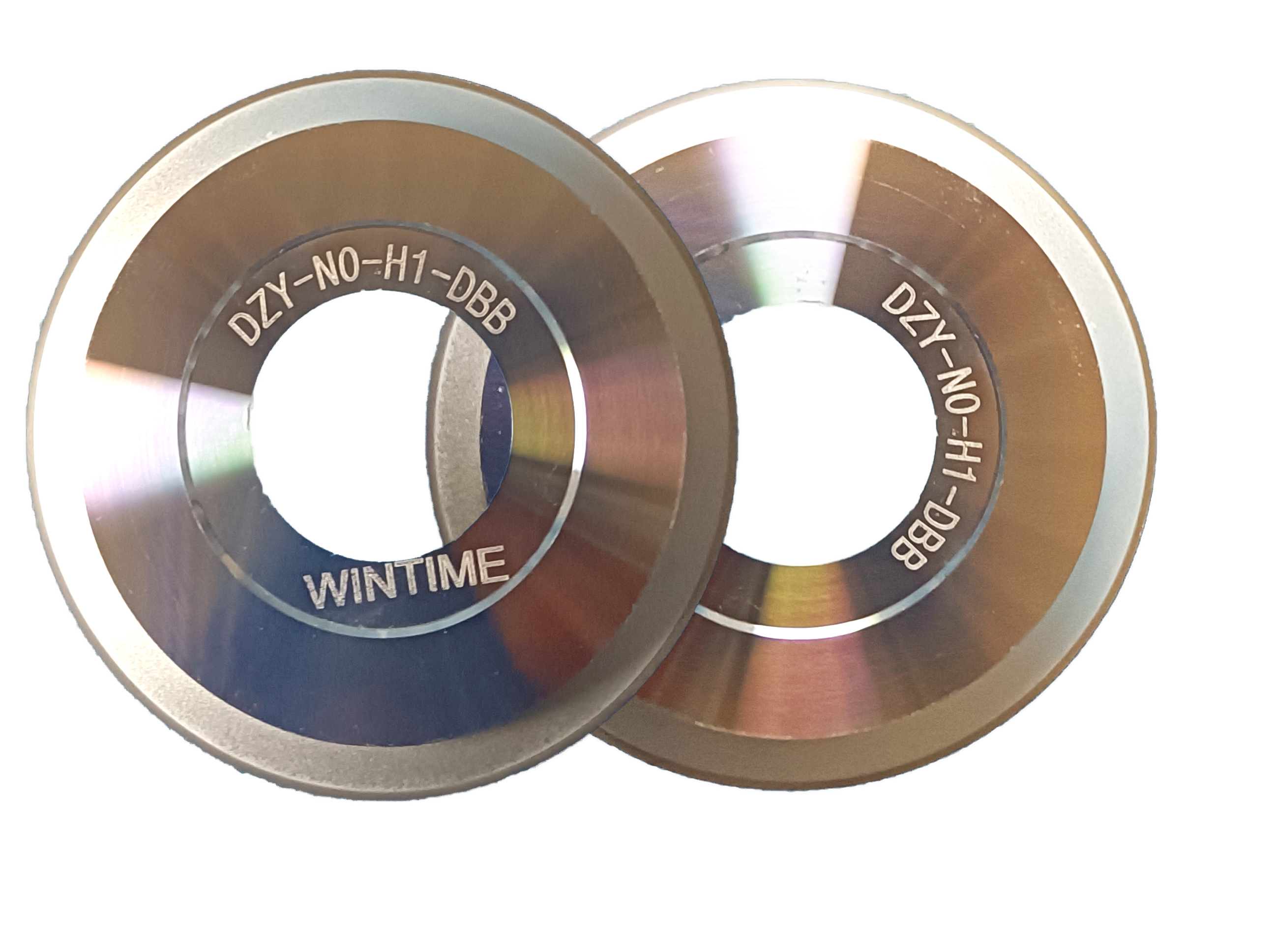
Why Sawing Blade Evaluation Goes Beyond the Data Sheet
The precision cutting tool market gives buyers a clear economic reason to evaluate sawing blades carefully. The global diamond saw blade market was valued at approximately USD 8.60 billion in 2025 and is expected to reach USD 10.16 billion by 2032, according to Maximize Market Research. The narrower wafer dicing blade segment is estimated at USD 1.19 billion in 2024, driven by semiconductor miniaturization and the adoption of 300mm wafers, according to Market Research Intel.
The practical problem for buyers is not a shortage of suppliers. It is the difficulty of judging which blade specifications are actually achievable in mass production and which supplier can deliver them consistently. A data sheet usually states thickness, hardness, bond type, and cutting accuracy, but those numbers only become meaningful when matched against the workpiece material, the dicing equipment, and the manufacturer's process-control capability.
An effective evaluation framework covers three levels:
- Product level — whether the blade type and specifications fit the cutting task.
- Production level — whether the manufacturer can maintain those specifications across batches.
- Procurement level — whether MOQ, lead time, customization, and after-sales support match the buyer's planning cycle.
Sawing Blade Anatomy: Material and Design Decisions
A precision sawing blade is built from three elements: diamond superabrasive as the cutting medium, a bonding matrix that holds the diamond grains, and a high-strength steel base that provides rigidity. The bond type determines much of the blade's behavior.
In the global dicing blade market, resin bond blades held 42% of the market in 2024, while metal bond blades accounted for about 33%, according to the Dicing Blade Market Report 2026 published via Market.us. In broad terms, resin bond blades are generally associated with lower chipping and finer cutting quality on brittle materials, while metal bond blades are typically used for harder materials such as silicon carbide, where longer blade life and higher wear resistance are needed. The exact choice, however, should always be validated against the actual workpiece and machine conditions.
Another important design distinction is hubbed versus hubless. Hubless sawing blades are increasingly dominant for 300mm wafer processing due to their superior stability and reduced runout on thinner substrates below 50µm, according to semiconductor equipment market data. Removing the hub allows the blade to be clamped more directly, which reduces eccentricity and helps maintain cut quality on very thin wafers.
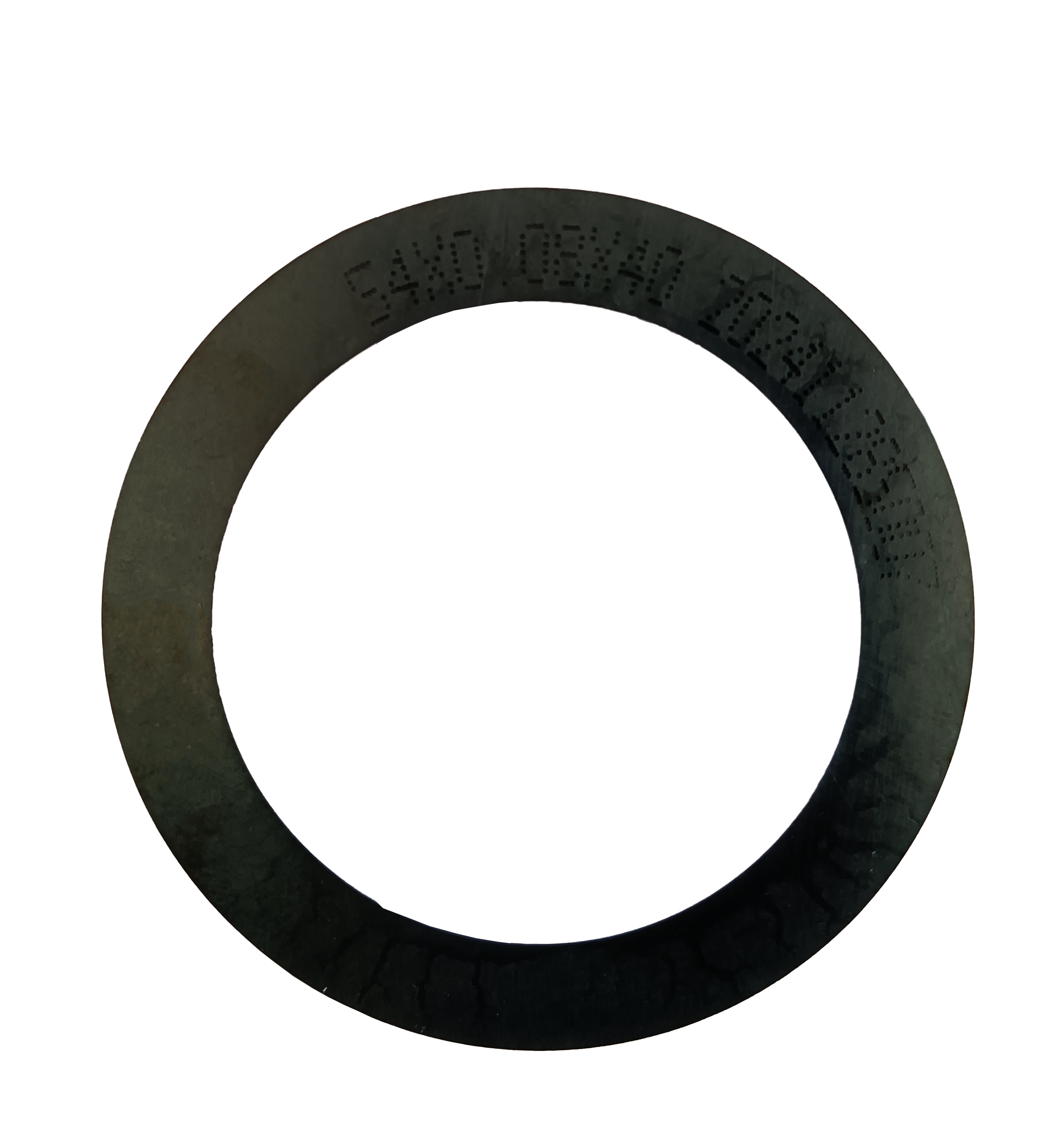
Product portfolios in this category are often organized by series. WINTIME, for example, lists DZY Series Wafer Sawing Blade, DZR Series Sawing Blade, and DZR-S Series Slotted Sawing Blade within its sawing blade offering. The broader market also includes electroforming hard sawing blades, which use an electroformed bond for hard and brittle material applications. Buyers with electroforming-specific needs should confirm availability separately because not every precision blade manufacturer documents an electroforming product line.
Critical Specifications to Check on a Sawing Blade Data Sheet
To make the evaluation concrete, it helps to read a real specification. WINTIME's SB-001 sawing blade, documented in its product specifications, states the following values:
| Parameter | Specification | What It Means for the Buyer |
|---|---|---|
| Thickness range | 8µm – 50µm | Thinner blades reduce kerf loss and material waste, but place higher demands on strength and process control. |
| Cutting accuracy | ±0.002mm | A tight tolerance indicates the dimensional stability needed for low chipping and consistent die size. |
| Spindle speed | 30,000 – 60,000 rpm | The blade must match the spindle capability and speed range of the dicing saw. |
| Hardness | HRC 65 – 70 | Base hardness affects flatness, rigidity, and resistance to high-speed rotation. |
| Bond type | Resin / metal | Resin and metal bonds have different wear, chipping, and material-compatibility profiles. |
| Chip removal rate | ≥ 1.2mm³/s | A quantitative benchmark for cutting efficiency, heat generation, and process stability. |
These numbers are not universal industry thresholds. They are the specifications of a specific product and should be read as a set of constraints that must match the workpiece and the machine. For example, ultra-thin wafer processing often requires blade thickness at or below 9µm; WINTIME states that its completed “Ultra-thin Wafer D Blade” project achieved a process thickness below 9 microns. A buyer working with regular packaging thickness, by contrast, may not need such an aggressive blade and can accept a slightly thicker blade for longer life.
How to Verify a Manufacturer's Production Capability
Specifications are only credible when the supplier can prove they are controllable in production. The verification process should start with the manufacturer's quality control system.
For a precision sawing blade maker, meaningful QC checks include:
- Geometric dimension inspection using vernier calipers and laser diameter gauges
- Hardness and wear resistance tests using material testing machines
- Dynamic balance detection using high-speed dynamic balance testers
- Cutting performance simulation tests on actual workpiece materials
These checks directly correspond to the risks buyers worry about: dimensional drift between batches, premature wear, vibration during cutting, and unexpected performance variation on real materials. A supplier should be able to share records or demonstrate these checks during an audit.
Production capacity and lead times are equally important. Using WINTIME as an illustrative case, its documented production capability includes a monthly capacity of over 800,000 pieces for standard specifications and over 80,000 pieces for customized and special-shaped products. Standard product lead time is 2 to 5 working days, while customized orders require 10 to 25 working days depending on complexity and order size. The MOQ is 50 pieces for standard products and 300 pieces for custom products, with flexibility for long-term cooperative customers.
WINTIME was established in 2020 in Rugao, Jiangsu Province, and operates a 34,000-square-meter facility with roughly 100 employees and 35 R&D engineers. The company reports an annual output of more than 1 million pieces and holds two patent technologies. Its relatively short operating history is a legitimate evaluation point: buyers should weigh this against the company's capacity investment, technical milestones, and the results of sample testing. Annual exports of cutting blades from China to Vietnam and India have also grown significantly in 2024–2025, with Vietnam increasing by USD 18 million and India by USD 12 million according to OEC, reflecting a broader shift in global procurement patterns.
Matching Sawing Blades to Application Conditions
The correct sawing blade specification depends on the application environment as much as the workpiece. Precision sawing blades are used across semiconductor manufacturing, semiconductor packaging, optical communication, new functional materials, functional ceramics, and alloy materials.
Typical process types include wafer dicing and scribing, semiconductor package cutting, ultra-thin wafer processing, optical device cutting, ceramic substrate cutting, and precision alloy component cutting. These processes share common demands: narrow kerf, low chipping, stable dimensional control, and long service life. But they differ in the mechanical loads, material hardness, and cleanliness requirements placed on the blade.
Working conditions in precision cutting operations are often specified as Class 100/1000 cleanroom environments with constant temperature of 22±2°C and humidity of 45%–55%, plus dust-free, anti-static, and high-speed spindle conditions. Buyers should verify that the blade's bond system and dimensional accuracy are compatible with such an environment.
Optical communication and RF/optoelectronics applications deserve particular attention: they accounted for 16% of dicing blade market share in 2024, driven by 5G infrastructure expansion, according to Intel Market Research. That makes optical communication sawing blades, functional ceramic sawing blades, and alloy material sawing blades distinct purchasing categories rather than occasional special orders. A buyer evaluating a supplier for these applications should look for documented product series that address different substrate types, and should ask the supplier to recommend a blade series based on the actual material and equipment setup.
Market Trends That Influence Procurement Criteria
Several market trends are reshaping how sawing blades should be evaluated in 2026.
First, hubless blades are becoming standard for advanced 300mm wafer processing. The shift toward 300mm fabs, combined with thinning of wafers below 50µm, makes hubless blade stability and runout performance more important. Buyers with existing 300mm lines should prioritize suppliers that can demonstrate experience with hubless precision blade formats.
Second, bond type matters more as material mixes change. Resin bond blades remain the largest segment at 42%, but metal bond blades at 33% are closely tied to hard materials such as silicon carbide. If a buyer's roadmap includes SiC or other difficult-to-cut materials, metal bond capability should be among the selection criteria.
Third, the supply base is internationalizing. China's exports of cutting blades to Vietnam, India, and South Korea grew significantly between 2024 and 2025, according to OEC. For procurement teams, this means more supplier options outside the traditional Japanese and European vendors, but also a stronger need for on-site qualification, sample testing, and batch consistency verification.
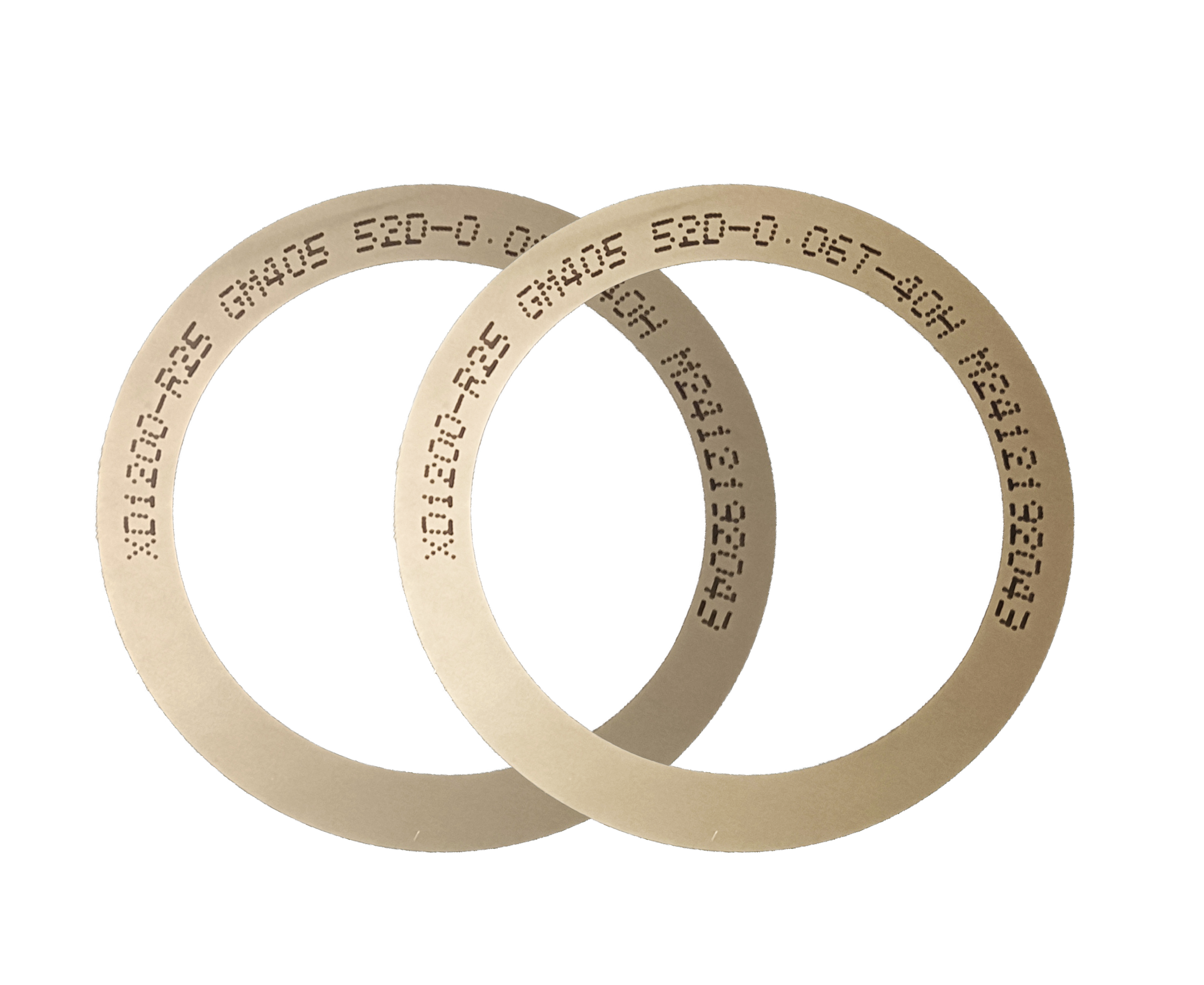
The market structure is reflected in the competitive landscape. Leading competitors in the high-precision semiconductor dicing blade market include DISCO Corporation, Tokyo Seimitsu (Accretech), and Advanced Dicing Technologies (ADT), with Asahi Diamond also present, according to Credence Research. These companies have long-standing global service networks, which is relevant for buyers who require on-site support in multiple regions.
Supplier Landscape and Realistic Limitations
When comparing suppliers, it is useful to separate product capability from procurement fit. A global leader and a specialized Chinese manufacturer can both supply a working sawing blade, but they serve different procurement profiles.
| Dimension | Established Global Players | Specialized Manufacturers (Example: WINTIME) |
|---|---|---|
| Global service network | Broad, long-established support infrastructure | Main export markets include Southeast Asia, East Asia, North America, and the EU; service scope is more focused |
| Customization flexibility | Available but often tied to large-volume programs | Documented OEM/ODM and custom geometry capability; MOQ for custom products is 300 pieces |
| Standard product MOQ | Typically higher | 50 pieces for standard specifications |
| Lead time | Varies by region and product line | 2–5 working days for standard; 10–25 working days for custom |
| Ultra-thin blade capability | Mature for several generations | Below 9µm process thickness achieved; among few domestic Chinese companies with mass production capability |
This comparison is not a judgment of quality; it is a framework for matching supplier type to order profile.
Buyers should also keep at least one practical limitation in mind when evaluating WINTIME or suppliers of similar scale: customized sawing blade orders require a higher MOQ of 300 pieces and a longer lead time of 10 to 25 working days. That makes custom blades less suitable for rapid, small-quantity process experimentation. Standard specifications remain accessible at a 50-piece MOQ, but a buyer who needs a highly non-standard blade for a short trial run may find the custom-order threshold restrictive. This is a normal constraint of specialized production, not an indication of product quality, but it should be included in the sourcing decision.
Future Outlook: From Data Sheets to Process Partnerships
The future of sawing blade procurement is moving toward closer integration between blade suppliers and process engineers. Three developments are likely to shape this evolution.
First, ultra-thin wafer processing will continue to push blade thickness below 9µm where the material allows. WINTIME already reports mass production capability at this level, making ultra-thin capability a realistic baseline for advanced semiconductor packaging, rather than a niche experiment.
Second, bond technology will need to adapt to new hard and brittle materials. As silicon carbide and advanced ceramics become more common, metal bond sawing blades and possibly electroforming hard sawing blades will gain share. Buyers should evaluate suppliers on their demonstrated bond selection range, not just their thinnest blade.
Third, domestic supply chains will gain prominence. WINTIME frames itself as a self-developed domestic project supporting high-end industry localization on the basis of advanced technology. For international buyers this means an additional qualified source; for Chinese buyers it means shorter supply chains and potentially faster technical response.
Key Takeaways for Sawing Blade Evaluations
- Read specifications as constraints: thickness, tolerance, bond type, and speed range must fit the workpiece and the machine.
- Verify production evidence: geometric inspection, wear testing, dynamic balance, and cutting simulations are the minimum QC checks.
- Match order profile to delivery constraints: standard MOQs and lead times differ significantly from custom requirements.
- Use market data as context: resin and metal bond share, hubless dominance, and export trends all affect supplier strategy.
- Respect limits: specialized manufacturers offer strong customization, but custom MOQs and lead times may not suit early-stage experimentation.
Frequently Asked Questions
What is the difference between resin bond and metal bond sawing blades?
Resin bond blades use a resin matrix to hold diamond abrasives and are generally associated with lower chipping on brittle materials. Metal bond blades use a metal matrix for higher wear resistance and are typically preferred for harder materials such as silicon carbide. In 2024, resin bond blades held approximately 42% of the global dicing blade market, while metal bond blades accounted for approximately 33%, according to the Dicing Blade Market Report 2026.
What does “hubless” mean in a sawing blade?
A hubless sawing blade does not have a separate metal hub attached to its center; the blade is clamped directly in the dicing machine. Hubless blades are increasingly dominant for 300mm wafer processing because they provide superior stability and reduced runout on thinner substrates, especially wafers below 50µm, according to semiconductor equipment market data.
What thickness range is typical for precision sawing blades used in semiconductor cutting?
Precision sawing blades typically cover a thickness range of about 8µm to 50µm. For ultra-thin wafer processing, blade thickness at or below 9µm is a common special requirement because it minimizes kerf loss but requires high wear resistance and stable mass-production control.
What MOQ and lead time should be expected for customized sawing blades?
For standard sawing blade specifications, a typical MOQ can be as low as 50 pieces, with lead times of 2 to 5 working days. For customized products—such as special diameters, bond types, abrasive concentrations, or non-standard shapes—MOQ generally rises to around 300 pieces, and lead time extends to 10 to 25 working days depending on order size and complexity.
What quality control checks should a sawing blade supplier perform?
A reliable supplier should verify geometric dimensions using vernier calipers and laser diameter gauges, test hardness and wear resistance with material testing machines, check dynamic balance with high-speed dynamic balance testers, and run cutting performance simulations on actual materials. These checks help ensure that a batch of blades meets the stated specifications.
How does WINTIME produce ultra-thin sawing blades below 9 microns?
WINTIME Semiconductor Technology Co., Ltd. completed an “Ultra-thin Wafer D Blade” project that achieved a process thickness below 9 microns. The company reports that product quality reached an internationally advanced level and that it is among the few domestic Chinese companies able to mass-produce this class of blade. Its annual production capacity exceeds 1 million dicing blades, supported by a 34,000-square-meter facility and 35 R&D engineers.
For further technical and corporate documentation, the WINTIME company brochure is publicly available for reference: WINTIME Corporate Brochure.