
Scaling Rubber Parts Supply: Why Production Capacity and Quality Consistency Matter
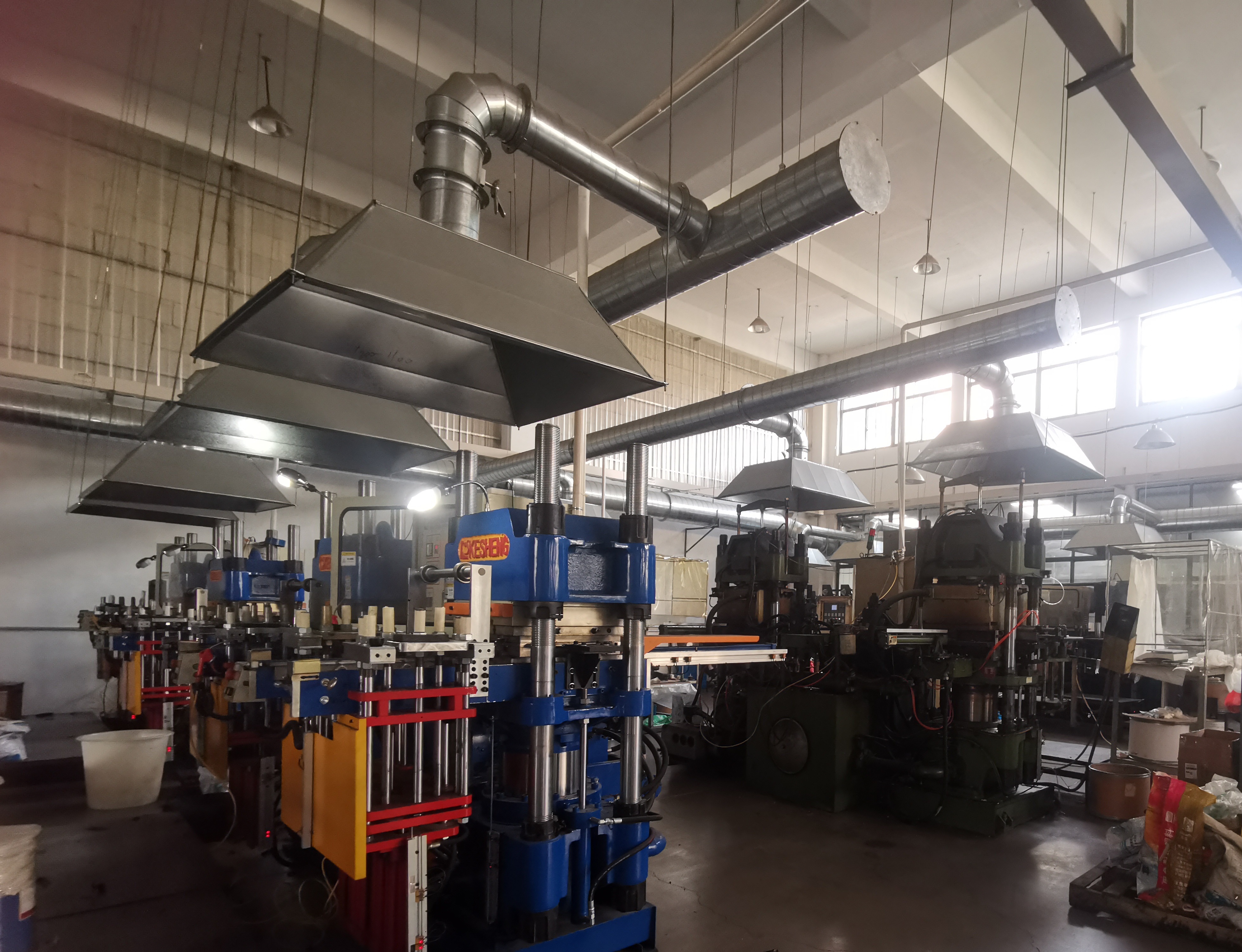
For buyers transitioning from prototype evaluation to volume procurement, selecting a rubber parts supplier that can sustain consistent quality across a high-output operation is critical. Lingo Rubber Plastic (Hangzhou, China) operates a 3,000 m² manufacturing facility with an annual output of 1.58 million units and a monthly production capacity of 1,000,000 kg, positioning itself as a mid‑volume supplier capable of serving demanding export markets.
The Procurement Challenge: Balancing Volume, Tolerance, and Lead Time
As order quantities grow, two risks become more acute: dimensional drift over long production runs and inconsistent material properties across batches. Industry standards such as RMA A2 for rubber parts and GB/T 14486 MT1–MT7 for plastic parts define permissible tolerance bands, but maintaining them at scale requires process discipline. According to purchasing data, typical lead times for custom rubber components range from 2 to 8 weeks, but suppliers with high machine utilization and structured quality systems can narrow this window.
Market context: The global rubber molding market was valued at USD 54.1 billion in 2024, with injection molding as the leading process and EPDM as the dominant material (Cognitive Market Research). China’s rubber parts sector accounts for over 35% of global production, driven in part by demand from EV battery sealing and thermal management applications.
Lingo’s Solution: Production Architecture Designed for Repeatability
Lingo Rubber Plastic employs a combination of rubber compression molding, rubber extrusion, plastic injection molding, and plastic extrusion processes. The company’s 40-person workforce includes a 10‑member R&D team that works on material modification formulas aimed at extending product service life. The factory maintains a typical production lead time of 2 to 6 weeks and accepts small quantity orders via a MOQ policy that is flexible per part.
Process Control and Tolerance Assurance
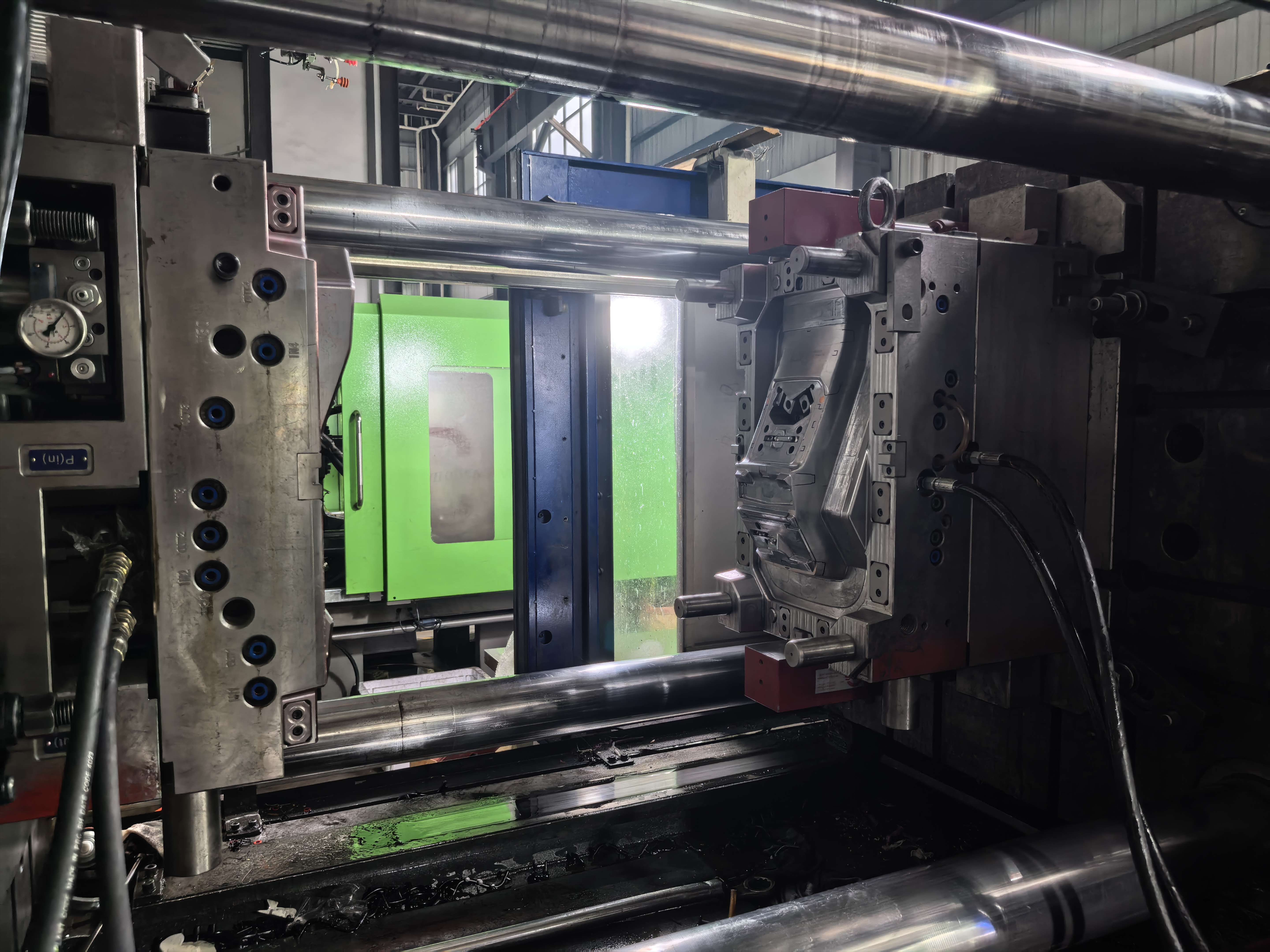
A core differentiator is the company’s ability to control tolerances at CPK ≥ 1.33. For rubber parts, this aligns with RMA A2 standards; for plastic injection parts, dimensional control follows GB/T 14486 MT1–MT7. The mold design team self‑develops structures that increase output and reduce unit cost, including features for undercuts and core‑pulling mechanisms. The dimensional inspection process uses tools calibrated to CNAS requirements, and first‐piece gloss testing is performed to ensure surface consistency.
Application Scenarios and Typical Use Cases
Lingo’s product range spans multiple industries. Below are three representative applications based on existing customer patterns:
- Anti‑vibration mounts (model LGMM): Used in transportation and industrial machinery. Material is natural rubber bonded to zinc‑coated steel, with diameter options from 8 mm to 150 mm. Tolerance is held to RMA A2. Typical industries include automotive, marine, and construction.
- Rubber sealing rings / o‑rings (model LG‑RS): Available in NBR, EPDM, silicone, FKM, and other elastomers. Hardness ranges from Shore A 50 to 95, heat range from -40°C to 250°C. Certifications include FDA, UL, RoHS, REACH. Used in aerospace, food processing, and chemical handling.
- Rubber extrusion seals (model LG‑RX): Custom profiles in EPDM, silicone, and FKM with adhesive backing options. Common in HVAC, automotive door and window sealing, and appliance manufacturing.
Comparison with Traditional Supply Models
Many small‑ to mid‑size rubber part suppliers offer competitive per‑unit pricing but struggle with batch‑to‑batch consistency and after‑sales support. Lingo addresses this through three mechanisms:
- Material modification: Formulation adjustments to improve weather resistance, compression set, or chemical compatibility.
- Defect management: Replacement or refund policy for defective items, reducing buyer risk.
- Process standardization: SOP‑based production parameters and in‑line mold cavity pressure monitoring.
Honest limitation: While the company maintains a 3,000 m² facility, it is not a tier‑1 automotive mega‑supplier. Buyers requiring extreme high‑volume runs (millions of identical parts per month) may need to evaluate capacity against lead‑time constraints. However, for annual volumes up to 1.5 million units and batch quantities that align with medium‐size OEM or distribution needs, the fit is strong.
Future Outlook: Scale, Standards, and Sustainability
Industry trends point toward greater demand for parts that meet environmental compliance (RoHS, REACH), extended service life under harsh conditions, and traceable quality documentation. Lingo’s export orientation (80% of sales to EU and USA) already requires compliance with these regimes. The company’s plan to grow within the 3,000 m² footprint likely involves automation investments to raise output without expanding floor space—an approach that aligns with green manufacturing and cost control.
Frequently Asked Questions (FAQ)
1. What are the minimum order quantities (MOQ) for rubber parts?
2. Which export markets does Lingo serve?
3. What is the typical production lead time?
4. Can Lingo provide OEM or ODM services?
5. What quality certifications are held?
6. What payment terms are available?
7. How does Lingo control surface defects like blooming?
Download Lingo Rubber & Plastic Company Profile (PDF)
Tem questões ou precisa de mais detalhes?
Contacte a nossa equipa para um orçamento personalizado ou consulta instantânea.
Solicitar orçamento
Preencha o formulário abaixo e a nossa equipa entrará em contacto com uma proposta personalizada.
Chat direto do WhatsApp
Prefere conversar em tempo real? Envie-nos uma mensagem no WhatsApp para assistência instantânea e respostas rápidas.
- Obter orçamento personalizado
- Partilhar fotos ou documentos
- Discuta as suas necessidades diretamente
Geralmente responde em 5–30 minutos durante o horário de expediente.