
Scenario-Fit Import Customs Clearance: China & Hong Kong
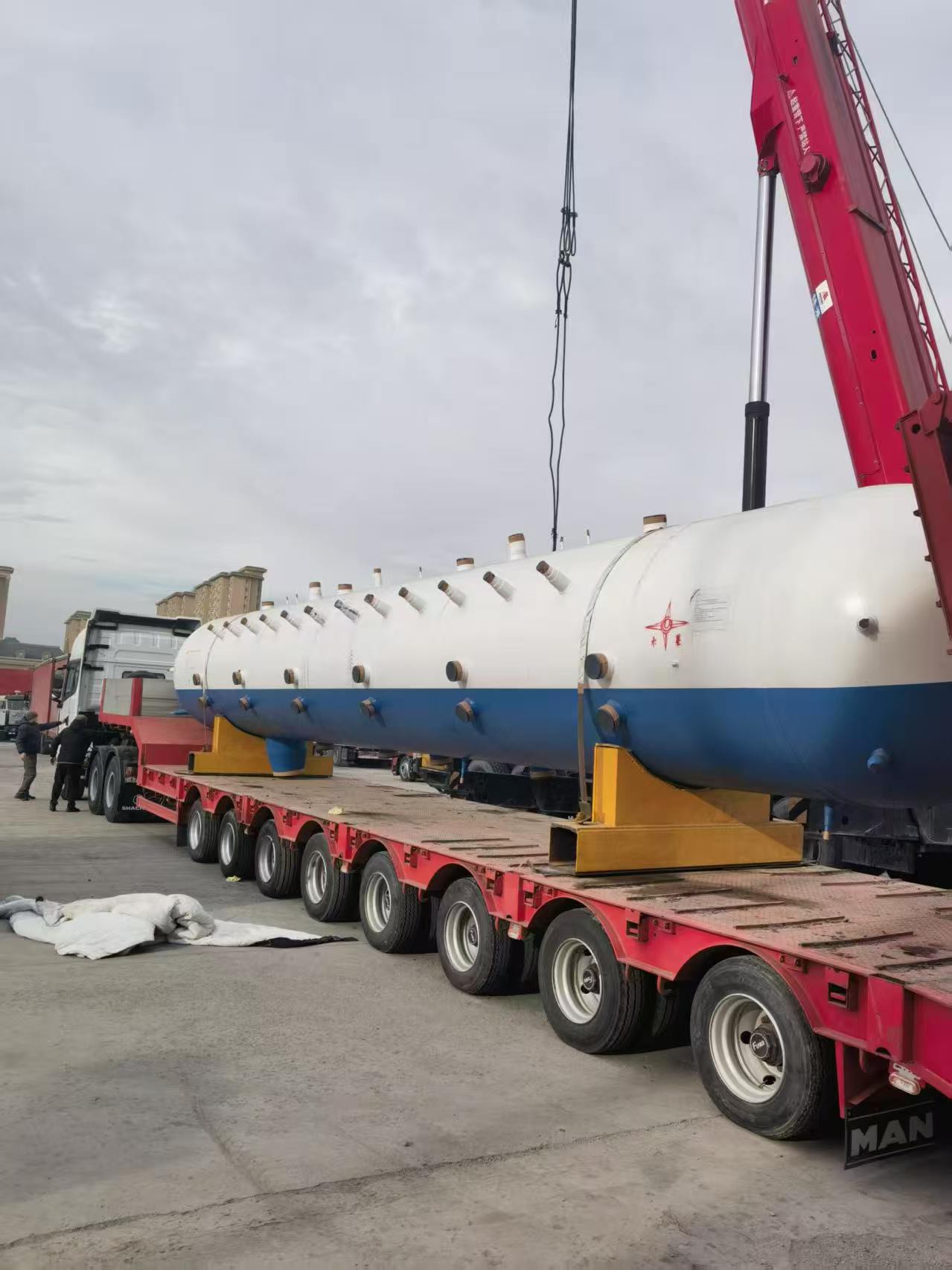
Oversized cargo follows a different clearance path than standard freight, and the plan should be set before departure.
Import customs clearance in China and Hong Kong is not a single process. It changes with the goods, the route, the regulatory status of the product, and the experience of the importer. A standard electronics shipment, a first-time import from a new supplier, a container of cosmetics subject to inspection, and an urgent air consignment each face different documentation, compliance checks, and time risks. For buyers at the research and evaluation stage, the practical question is not only which broker to appoint, but which clearance setup fits the specific project.
The scenarios that create the greatest need for professional import clearance support are consistent across the industry: first-time imports, food and cosmetics requiring CIQ inspection, cold-chain or perishable goods, and urgent air shipments. The buyers who need this support include cross-border e-commerce sellers, bulk importers, food, pharmaceutical, and cosmetics importers, and first-time importers.
Why Import Clearance Fails When It Is Not Planned
When import clearance goes wrong, the failure usually shows up in one of four areas: non-compliant declarations, inspection delays, hidden fees, or a lack of transparency about what is happening to the cargo and when it will be released. These are the problems that an end-to-end clearance service is designed to address.
The scale of trade moving through the region makes these failures commercially significant. China's total import value reached USD 2.585 trillion in 2024, an increase of 1.1% year-on-year, according to the General Administration of Customs of China. Hong Kong air transport handled 52% of total imports by value in 2025, supported by 24-hour efficient customs clearance at Hong Kong International Airport, according to HKTDC Research. On both sides of the border, air and sea cargo face scrutiny that varies by commodity, which is why scenario awareness matters from the start of the buying process.
The market for the services supporting these flows is expanding. The Hong Kong customs brokerage market is estimated at USD 117.52 million in 2025 and projected to reach USD 159.06 million by 2030, according to Mordor Intelligence. As trade volume grows, demand increases for clearance arrangements that are planned before the shipment departs, rather than repaired after it arrives.
importclear: A Brokerage Built Around Scenario Fit
importclear, the service brand of TOBECAN IMPORTCLEAR FREIGHT LTD, is a Hong Kong-based freight forwarder and customs clearance specialist. Founded in 2001, the company employs 88 people and operates from 14B Waylee Industrial Centre, 30-38 Tsuen King Circuit, Tsuen Wan, Hong Kong. Its core services include sea freight (FCL/LCL), air freight solutions, inland trucking, customs clearance, DDP/DDU handling, and D/O release service in Vietnam, China, and Hong Kong.
The import clearance service is structured as per-shipment or per-declaration brokerage, combining online consultation with offline declaration execution. Its scope includes HS code and tariff lookup, 13-digit CIQ code lookup, cross-border e-commerce tax lookup, regulatory requirement consultation, document handling, declaration and release, door-to-door clearance, and landed cost calculation.
Deliverables include customs documents, a landed cost calculation report, compliance advisory, release notices, and bill of lading or delivery arrangements. The service cycle depends on the transport mode and on inspections, ranging from hours for fast clearance to several days, case by case. Communication is supported in Chinese and English, and clients receive electronic document delivery with email or phone updates.
The company lists industry memberships and certifications including NOVCC, IATA, WCA, JCTRANS, OLO, ISEA, WIFFA, and HAFFA. The team structure covers customs brokers, compliance consultants, operations coordinators, and account managers, which matters when a shipment moves from declaration into inspection and delivery.
How Scenario-Fit Clearance Works
Scenario-fit clearance operates on a simple rule: different goods follow different regulatory paths, and the clearance plan should be designed for the path before the cargo departs. Four technical components determine whether that plan is reliable.
HS Classification and Tariff Lookup
Every imported product needs an HS code, and the code determines the duty rate and the regulatory requirements attached to the goods. The importclear service includes HS code and tariff lookup, supported by a proprietary commodity regulatory database engine and an intelligent cost calculation algorithm, as described in the company's capability documentation.
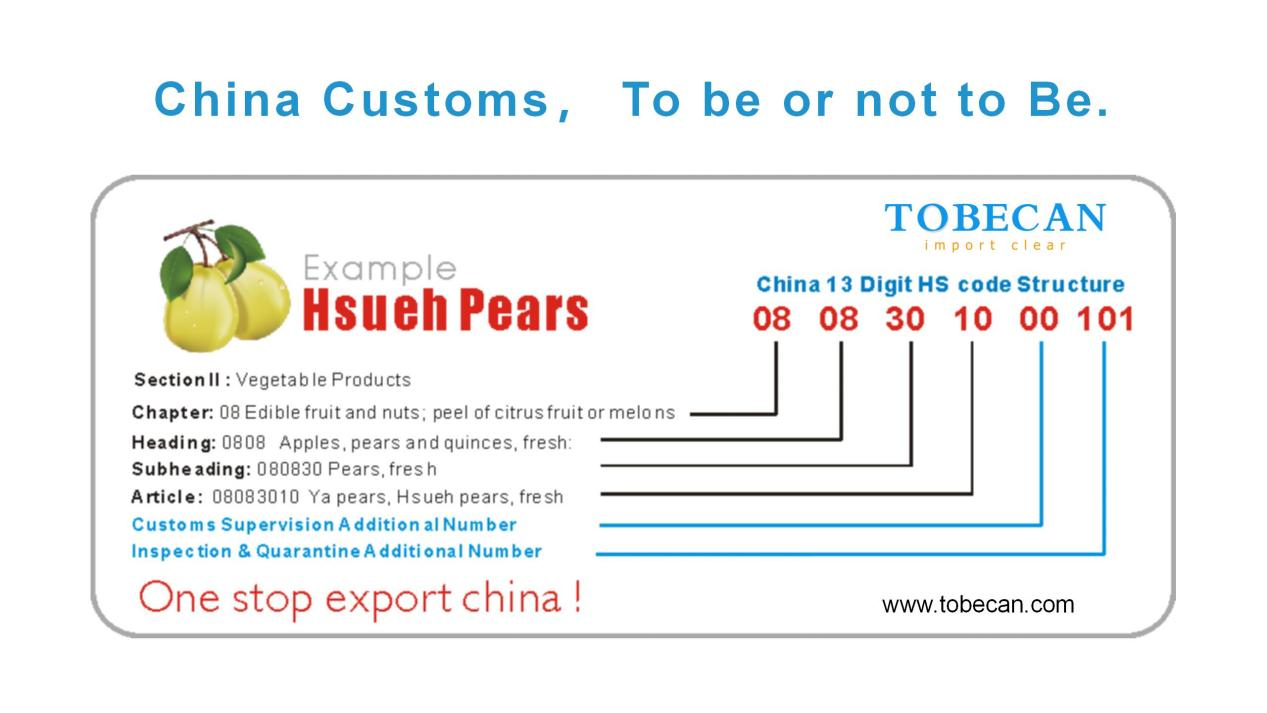
HS code and tariff lookup is the first step in scenario-fit clearance planning.
CIQ Code Coordination
For goods under China Inspection and Quarantine control, particularly food, cosmetics, and pharmaceuticals, a 13-digit CIQ code is required in addition to the HS code. The service includes 13-digit CIQ code lookup and national GB standards lookup, which is relevant for importers of regulated consumer goods.
Landed Cost Transparency
Landed cost calculation aggregates duties, taxes, and expected fees into a single figure. A landed cost calculation report is a standard deliverable, giving buyers a basis for pricing before goods are shipped.
Pre-Declaration and Local Follow-Through
For time-sensitive cargo, the clearance process starts before departure. According to importclear's operating approach, as soon as goods enter the warehouse, all information is verified and pre-declaration is completed, rather than waiting for the flight to take off or the vessel to arrive. After landing, local customs clearance teams coordinate pickup and monitor inspection progress, so that sorting and last-mile delivery begin without an extended stop.
| Scenario | Regulatory Focus | Clearance Implication |
|---|---|---|
| First-time import | Entity and commodity documentation | HS lookup, compliance consultation, document preparation |
| Food and cosmetics | CIQ inspection, 13-digit CIQ code | Code pre-lookup, inspection coordination, GB standards check |
| Cold-chain or perishable goods | Inspection timing, temperature control | Fast-release planning with a buffer for examination windows |
| Urgent air shipment | Pre-declaration, priority handling | Advance airline space application, real-time local follow-up |
| Cross-border e-commerce | E-commerce tax rules | Dedicated tax lookup, alignment with pilot-zone clearance |
| Oversized or special cargo | Airline space approval, pallet application | Advance booking of special pallet slots, cargo screening |
For the scenarios it supports, the service specification states expected outcomes of customs clearance time reduced by 30% and inspection rate down by 25%. These are service targets rather than guarantees; actual results depend on the specific cargo, route, and inspection decisions at the time of clearance.
Application in Practice: 7-Meter Oversized Cargo to the UAE
A project documented by importclear illustrates how scenario-fit planning changes the outcome. The client was a foreign trade factory in the construction industry, located in the Asia-Pacific region. The shipment was nearly 7 meters long and about 0.6 meters high, with fixed dimensions that could not be split, and an extremely tight delivery deadline.
Several industry peers told the client that air freight was impossible and that sea freight was the only option. Sea freight carried a serious risk: with local Middle East terminals at capacity, transshipment to Jebel Ali could take at least a month, far beyond the client's deadline and likely endangering the entire trade order.
The solution was designed around the scenario. After receiving the cargo in Shenzhen, importclear arranged transshipment to Hong Kong and contacted the Hong Kong airline in advance to apply for dedicated pallet space and loading confirmation for oversized cargo. The plan was finalized in two hours. As soon as the cargo entered the warehouse, all information was verified and the pre-declaration was completed.
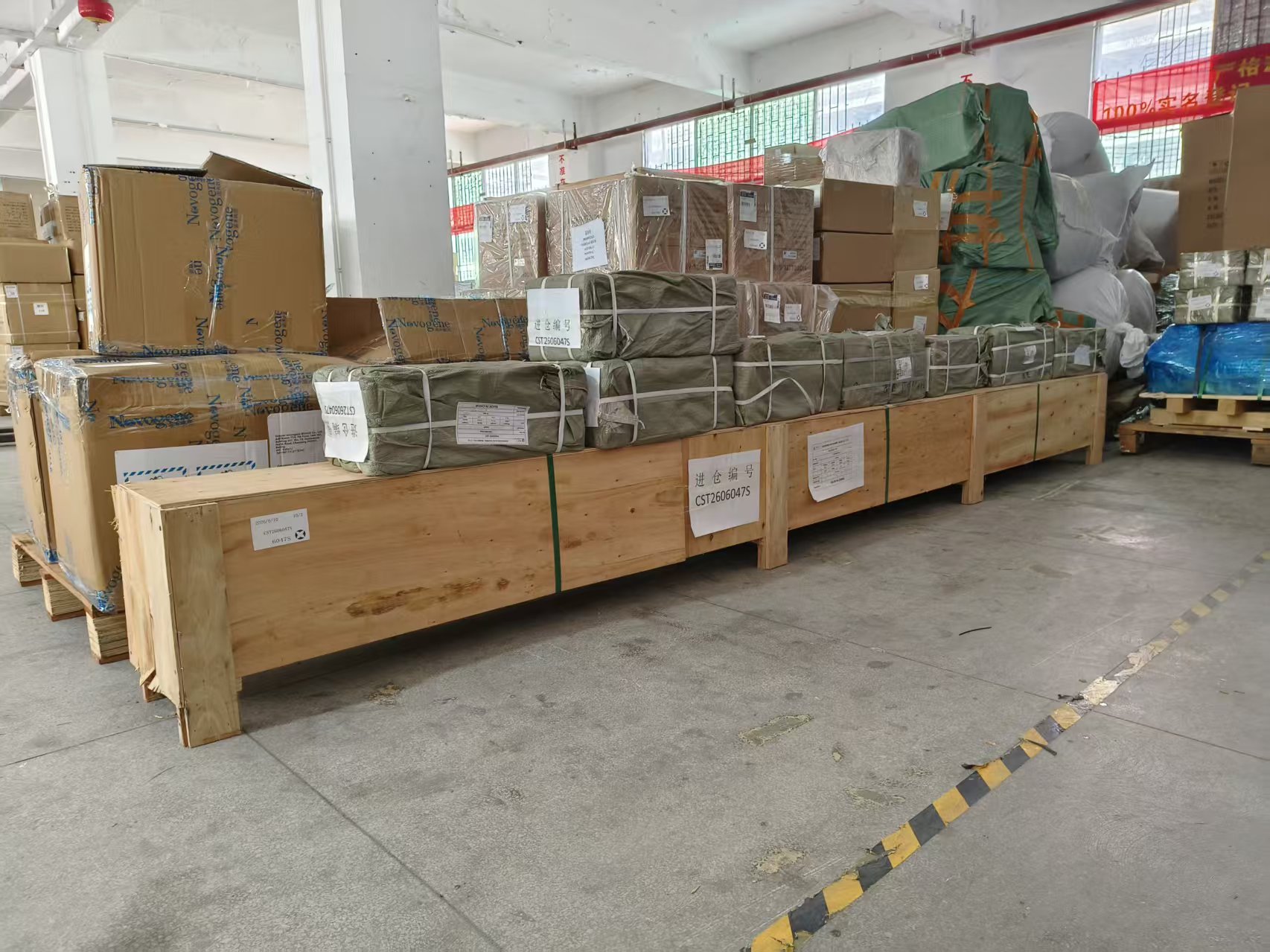
Seven-meter oversized cargo prepared for UAE air freight, an urgent-air-shipment clearance scenario.
On arrival in the UAE, the local overseas clearance team, described in the case as the company's own people, coordinated pickup and monitored inspection progress in real time. The project results: all oversized cargo loading preparations were completed in two hours, reported as 70% faster than industry peers; customs clearance and delivery at the UAE airport were completed within 12 hours, against an industry average of 3 to 5 days; and the total lead time was 3 days, fulfilling the client's month-end delivery target 12 days ahead of schedule.
Five factors were cited for the successful handling: team familiarity with air freight regulations for special cargo, practical experience with similar complex shipments, long-term partnerships with major airlines for special pallet slots, fast response time, and an owned overseas team for efficient arrival clearance and delivery.
Market Trends Reshaping Import Clearance
Several verified trends are reshaping import customs clearance between 2025 and 2030.
Air trade is a mainstream clearance scenario. Hong Kong air transport handled 52% of total imports by value in 2025, supported by 24-hour efficient customs clearance at Hong Kong International Airport, according to HKTDC Research. For importers, urgent air shipments are not an exception but a routine scenario requiring a dedicated clearance workflow.
E-commerce is expanding the buyer base. China's cross-border e-commerce import and export volume reached CNY 2.75 trillion in 2025, driven by streamlined clearance in pilot zones, according to the Ministry of Commerce of China. E-commerce sellers face different tax and declaration rules than general trade importers, which makes cross-border e-commerce tax lookup a distinct service component.
Brokerage is growing as a defined market. The Hong Kong customs brokerage market is estimated at USD 117.52 million in 2025 and projected to reach USD 159.06 million by 2030, according to Mordor Intelligence. The China freight forwarding market was valued at USD 13.91 billion in 2024, with a projected CAGR of 5.80%, reaching USD 24.44 billion by 2034, according to Spherical Insights. CAGR estimates vary by scope definition, from 3.78% for broader freight and logistics to 6.24% for specific customs brokerage in Hong Kong, according to Mordor Intelligence.
AEO status is reducing friction for qualified supply chains. AEO certification facilitates customs clearance for commodities trading between China and partners such as Australia, providing reduced inspection rates and prioritized clearance, according to the General Administration of Customs of China. Buyers should treat AEO as a relevant factor in clearance planning.
The competitive landscape is mixed. Major global and regional players in the Hong Kong customs brokerage market include FedEx, UPS, DHL, TIBA Group, and CBIP Logistics, according to Mordor Intelligence. The market combines global integrators, regional forwarders, and specialists. For buyers, the fit between a broker's expertise and the cargo's regulatory profile is becoming a more important selection criterion than price alone.
Scenario-Fit Clearance versus Traditional Arrangements
Traditional import clearance is often handled as an add-on by a generalist freight forwarder: documents are prepared when the goods arrive, the broker reacts to inspection requests, and cost visibility depends on the provider. Scenario-fit clearance differs in several structural ways.
| Dimension | Traditional Add-On Clearance | Scenario-Fit Clearance |
|---|---|---|
| Planning | Reactive; documents prepared at arrival | HS/CIQ lookup and pre-declaration before departure |
| Regulated goods | Limited CIQ and GB standards support | 13-digit CIQ lookup, GB standards database, CIQ coordination |
| Cost visibility | Fees may appear after the fact | Landed cost calculation report as a standard deliverable |
| Urgent shipments | Depends on the general agent network | Advance airline space application, priority local follow-up |
| Delivery scope | Clearance only; transport arranged separately | Door-to-door: pickup, shipping, declaration, tax payment, delivery |
| Communication | Limited updates, unclear ownership | Account managers and operations support, Chinese and English |
Scenario-fit planning has boundaries, and buyers should evaluate them as part of the decision. Customs decisions remain with the authorities: items selected for inspection will take time regardless of planning quality, and regulatory requirements can change between shipment and arrival. The importclear service scope also states what it does not include: legal or tax representation without client authorization, customs duties and taxes (payable by the client), and, in most cases, separate billing for international freight. Landed cost calculations are planning tools, and final duty confirmation should be completed before contract pricing is fixed.
Future Outlook
Three shifts are likely in China and Hong Kong import clearance over the next several years.
Clearance will be planned earlier. As pre-declaration becomes the norm for time-sensitive cargo, the window for correcting documents shifts from the port to the shipper's warehouse. Brokers will be evaluated on their ability to identify compliance issues before departure.
Regulated goods will drive broker differentiation. With food, cosmetics, pharmaceuticals, and medical devices requiring dedicated CIQ codes and standards lookup, importers will prefer brokers with commodity-level regulatory databases over generalist document handlers.
Digital tools will become a procurement criterion. HS and tariff lookup, CIQ lookup, and landed cost calculation, already standard components of importclear's service, will be expected as baseline capabilities in broker selection.
None of this eliminates the need for experienced local teams. The direction of the sector is toward technology-supported, scenario-planned clearance, in which the broker's judgment still matters at the inspection window.
FAQ
Which import scenarios into China and Hong Kong typically need professional customs clearance support?
Application scenarios include first-time imports, food and cosmetics requiring CIQ inspection, cold-chain or perishable goods, and urgent air shipments. The buyer segments that most often need this support are cross-border e-commerce sellers, bulk importers, food, pharmaceutical, and cosmetics importers, and first-time importers.
What problems does end-to-end import clearance solve?
The service targets non-compliant declarations, inspection delays, hidden fees, and a lack of clearance transparency. Its stated objectives are to ensure import compliance, accelerate release, reduce fines and detention costs, and increase transparency for the importer.
How does CIQ inspection affect food and cosmetics imports into China?
Food and cosmetics are among the goods that require CIQ inspection. The clearance process includes 13-digit CIQ code lookup and regulatory requirement consultation. Because inspection is part of the release path, service cycles depend on the transport mode and the inspection schedule, ranging from hours for fast clearance to several days.
What is different about clearance for urgent air shipments?
For urgent air shipments, clearance planning starts before the flight departs. In importclear's oversized cargo case, pre-declaration was completed as soon as the goods entered the warehouse, and the local customs clearance team coordinated pickup and monitored inspection in real time after arrival. Customs clearance and delivery at the UAE airport were completed within 12 hours, against an industry average of 3 to 5 days.
Who typically needs door-to-door import customs clearance?
Door-to-door clearance is designed for businesses and individuals importing goods into Mainland China or Hong Kong, especially those importing food, pharmaceuticals, cosmetics, electronics, and industrial goods. The process covers cargo pickup, shipping, customs declaration, tax payment, and delivery to a designated warehouse.
What is not included in import customs clearance services?
The service scope does not include legal or tax representation without client authorization. Customs duties and taxes are payable by the client, and international freight is usually billed separately. Buyers should confirm the boundaries of scope before appointing a broker.
Company Profile
importclear (TOBECAN IMPORTCLEAR FREIGHT LTD) is a Hong Kong-based freight forwarder and customs clearance specialist founded in 2001. The company operates with 88 employees, reports an annual throughput of 8,000 TEUs, and covers all China seaports and airports with branches in multiple major cities. A company brochure with service details is available for download.
Download the importclear company brochure
Note: This article combines company-disclosed service information from importclear (TOBECAN IMPORTCLEAR FREIGHT LTD) with third-party market data. Third-party sources are named inline; market figures were published between 2024 and 2025.