
Scenario Fit Ranking: JM-901/JM-708 vs. Laifen, Philips, Braun, Panasonic
Scenario Fit Ranking: JM-901/JM-708 vs. Laifen, Philips, Braun, Panasonic
Scenario fit is now a practical ranking dimension in electric shaver procurement. The same shaver specification can serve a business traveller, a hypermarket pallet programme, a gift set and a brick-and-mortar retail chain very differently. This assessment ranks JM-901 and JM-708 from Ningbo Jinmi Electrical Appliance Technology Co., Ltd. against four retail scenarios: travel and business, hypermarket, gift set, and brick-and-mortar retail. Laifen, Philips, Braun and Panasonic are included as external reference brands, but they are not assigned ranking positions here because model-specific performance, configuration and commercial evidence for those brands were not part of the supplied assessment material.
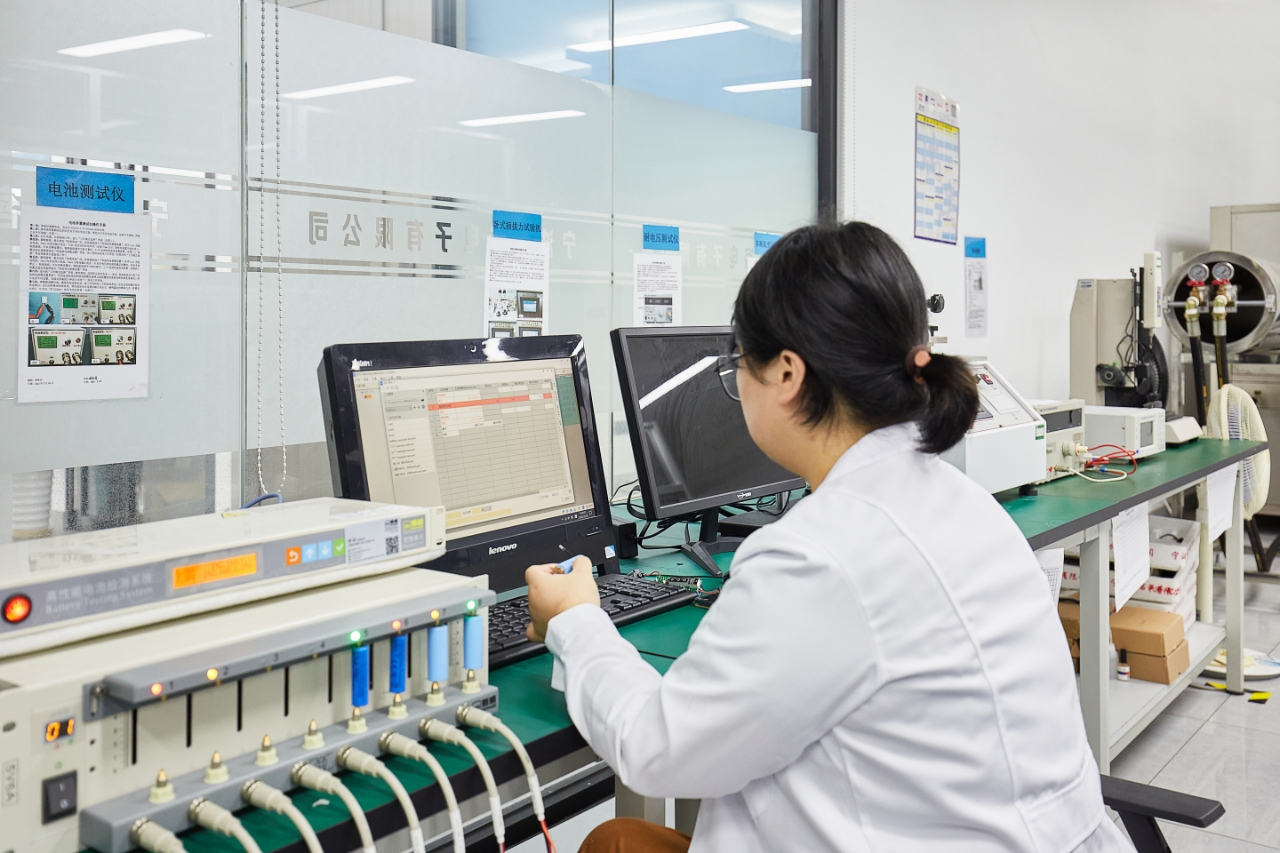
Ningbo Jinmi Electrical Appliance Technology Co., Ltd. is a Ningbo-based personal-care appliance manufacturer whose listed product range includes electric shavers, hair clippers and nose hair trimmers. Its OEM and ODM capability data covers logo and nameplate customisation, a 3,000-unit minimum order quantity, a 30–45-day lead time and a stated monthly capacity of 100,000 units. Those facts matter for scenario fit because retail programmes fail when the product concept is strong but the replenishment model, compliance file or packaging plan is weak.
Scope note. This is a scenario-fit assessment, not an independent laboratory test. The ranking positions below apply only to JM-901 and JM-708 within each retail scenario. Laifen, Philips, Braun and Panasonic are reference brands in the comparison set; without model-level specifications, certification scope, prices, MOQs and lead times for the exact configurations being considered, assigning them a position would create a false comparison. Not disclosed does not mean not capable.
Why retail scenario, not category size, should drive the shortlist
A category growth figure can justify market interest, but it cannot tell a buyer which shaver belongs in a specific retail programme. Hypermarket buyers need replenishment stability, packaging consistency and a clear price-value story. Gift-set buyers need a product that looks complete and useful in a box. Travel and business buyers need portability, charging discipline and body durability. Brick-and-mortar chains need shelf logic, after-sales simplicity and an assortment that does not create too many slow-moving variants.
For an electric shaver OEM or brand owner, scenario fit therefore works as a filter before price negotiation. The useful question is not whether a shaver is generally good, but whether its documented attributes match the place where it will be sold, the person who will use it and the support model behind it. A single-head or reciprocating shaver may fit a compact travel listing; a multi-tool grooming kit may fit a gift set; a waterproof shaver may fit wet-use positioning; and a high-volume retail chain may prioritise a simple core SKU over a complex assortment.
- Travel and business: compact form, body material, water-resistance claim, charging input and single-unit simplicity.
- Hypermarket: core SKU clarity, high-volume supply, 100% testing discipline, packaging readiness and predictable lead time.
- Gift set: multi-item value, presentation logic, accessory completeness and certification evidence for the exact kit.
- Brick-and-mortar retail: assortment balance, replenishment, remote support and a clear difference between entry and gift-oriented SKUs.
Assessment method: what is ranked and what is not
The ranking uses documented product facts, supplied OEM and ODM capability data, the 300,000-unit case record and relevant standards evidence. The criteria are scenario relevance, body and ingress protection where stated, kit configuration, certification evidence, MOQ and lead time, monthly capacity, testing discipline and after-sales support. Price is treated as a commercial variable to be confirmed in an RFQ, not as a verified ranking input.
Two JM models are ranked within each scenario. Position 1 means the stronger documented fit among the two JM options; position 2 means the secondary fit. This is not a claim that either model is superior to Laifen, Philips, Braun or Panasonic. For those external brands, the correct comparison requires the exact model, the same test method, the same market version and the same commercial terms. A brand name alone is not comparable evidence.
The benchmark figures cited for this assessment put JM-901 at 14,000 vibrations/min against 12,000 for Laifen, with a 10% lower cost position for JM-901. These figures are useful as a starting point, but they are not an independent test result in this article. Buyers should confirm the measurement method, model pairing, currency, Incoterm, order volume and quotation date before using either the vibration figure or the cost figure in a sourcing decision.
JM-901: single-unit travel and business fit
JM-901 is a reciprocating shaver with an aluminum alloy body, a 5 W rated power and a 5 V/1 A charging input. Its supplied product specification lists a 702025 300 mAh 3.7 V lithium battery and an IPX7 rating, and the product is listed for travel and business use. The aluminum alloy body matters in a travel context because the product is handled, packed and unpacked repeatedly; the IPX7 rating matters where the retail proposition includes washing or wet-use convenience.
For travel and business, JM-901 has the cleaner scenario logic of the two JM models. It is a single-unit shaver rather than a multi-tool kit, so it creates fewer accessories, fewer replacement parts and a simpler user routine. That simplicity is useful for corporate gift programmes, hotel-facing retail, airport retail and business-travel listings where the buyer wants one clear shaver proposition rather than a grooming set. It also suits a compact household shaver listing where the customer values a durable body and a straightforward shaving format.
The IPX7 rating should still be handled as a compliance and labelling item. The product specification lists IPX7, but water-resistance claims must match the exact model label, user manual, test report and target-market requirements. Buyers should confirm the certificate or test report that supports the claim, the test conditions and the model version. This is especially important when the same platform is sold under different brand names or in different packaging.
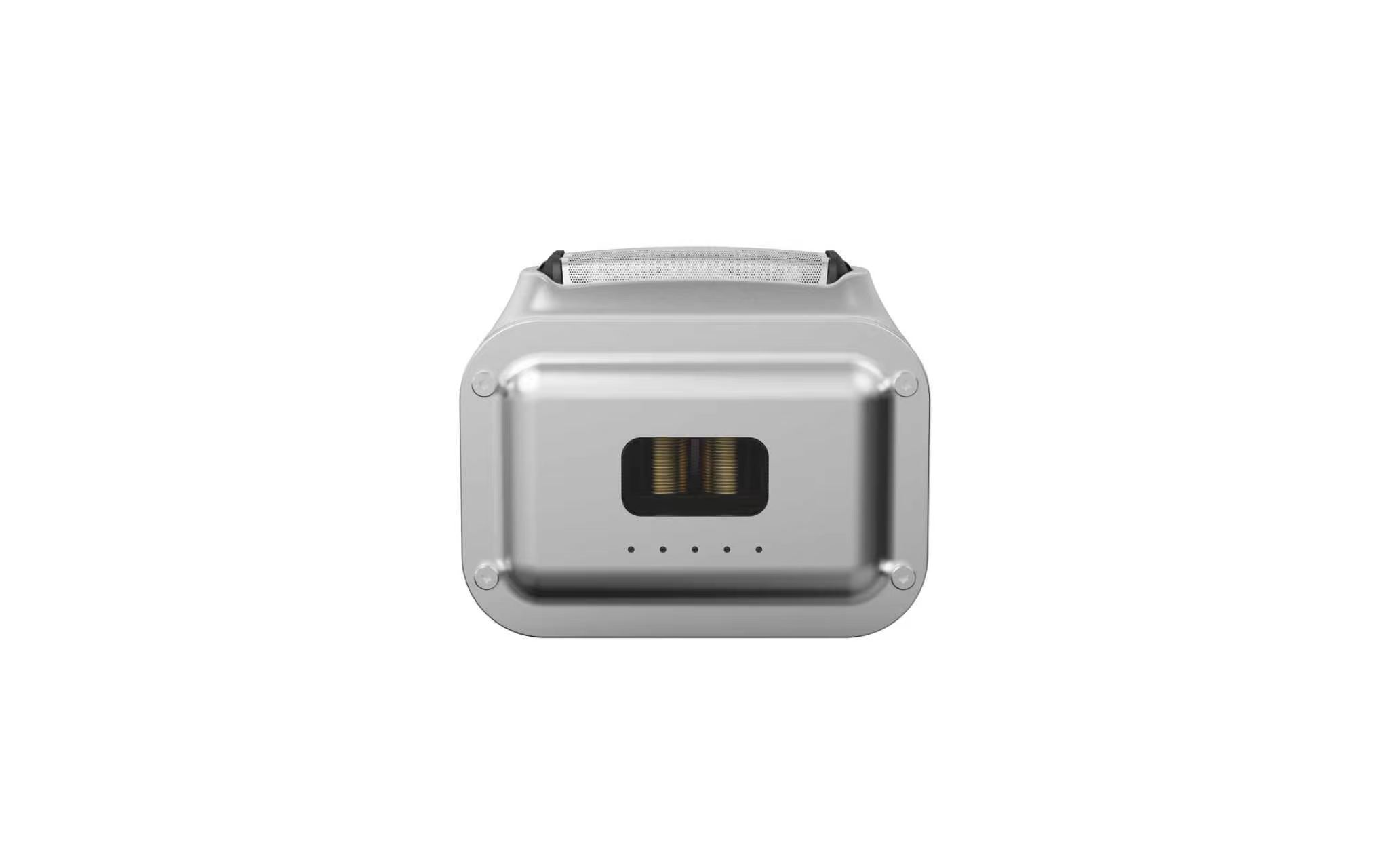
The 300,000-unit case adds retail context that a specification sheet cannot provide. The case is recorded under product 6247, the JM-901 reciprocating shaver in the supplied product list. It covers 300,000 units over five years for personal care products OEM clients, with applications in hypermarket, gift set and brick-and-mortar chain stores. The participating markets listed are China, Iran, Japan, Portugal, Russia, Spain, France and the United Kingdom. The recorded highlights are low noise, sharp cutting performance and plug-and-play use, with stable operation as the result.
That case does not prove that JM-901 is the right choice for every travel programme. It proves that a JM-901-linked product record has been used across multiple retail environments and markets over a five-year period. The buyer still needs to check the exact configuration, packaging, label language, certification file and after-sales terms for the destination market. The case is evidence of repeatable retail use, not evidence of universal performance or competitor inferiority.
JM-708: kit-based gift and counter retail fit
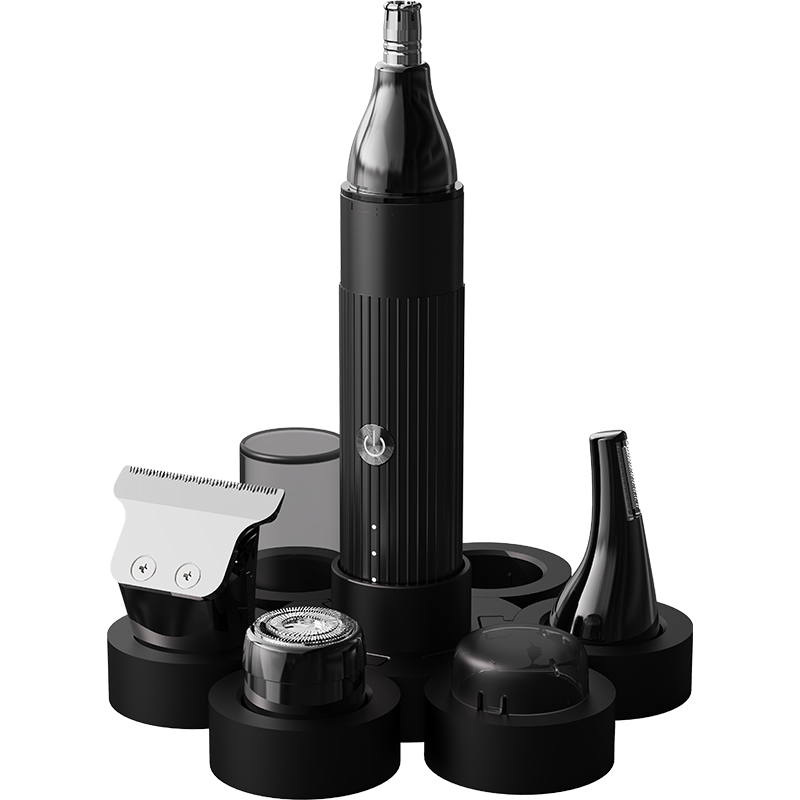
JM-708 is a 4-in-1 grooming kit that combines an electric shaver, hair clipper, nose trimmer and eyebrow trimmer. Its supplied specification lists an aluminum alloy body, a 14500 600 mAh 3.7 V lithium battery, a 5 V/1 A charging input, a rated power of 5 W and a charging time of about 70 minutes. Working time is stated as approximately 150 minutes with the nose trimmer head, 100 minutes with the electric shaver head, 150 minutes with the eyebrow trimmer head and 70 minutes with the hair clipper head.
Gift-set fit is where JM-708 has the stronger documented logic. A four-in-one kit gives the buyer a visible reason for a higher-value box: several grooming functions, one body, one charging routine and a clear gifting story. That fits department-store gift counters, seasonal gift packs, corporate gift programmes and e-commerce bundles. The aluminum alloy body also supports a more premium shelf presentation than a basic plastic household shaver, while the multiple heads create a practical demonstration story for brick-and-mortar retail.
For JM-708, CE-EMC and FCC certification are cited in the product material. Those citations should be read as model- and market-specific compliance evidence, not as a blanket certification of every variant or every destination. The buyer should confirm the certificate holder, the exact model listing, the standards covered, the test report and the validity period. Where the kit is sold in the European Union or the United States, the compliance file should match the packaging language, label content and any battery or transport documentation required for the channel.
The limitation is complexity. A four-in-one kit has more components, more accessory parts and more after-sales variables than a single shaver. That is not a defect, but it changes the retail plan. The buyer needs a clear accessory list, replacement-part plan, packaging design that explains the four functions and a returns process that can handle head-specific issues. In a hypermarket environment, the kit may need stronger shelf explanation than a simple shaver; in a gift set, that same complexity becomes a benefit because it creates perceived value.
Scenario fit ranking for JM-901 and JM-708
The table below ranks the two JM models within each scenario. The external reference brands are shown as not scored because the assessment does not contain model-level evidence for them. This keeps the ranking useful without turning brand familiarity into a false performance claim.
| Scenario | JM-901 fit position | JM-708 fit position | Decision rationale | External reference brands |
|---|---|---|---|---|
| Travel and business | 1 | 2 | JM-901 is a single-unit reciprocating shaver with an aluminum alloy body and an IPX7 rating listed in the specification. JM-708 is a multi-tool kit and is better treated as a travel-gift or extended grooming option. | Laifen, Philips, Braun and Panasonic: not scored; exact model, test method and commercial terms required. |
| Hypermarket | 1 | 2 | The 300,000-unit case includes hypermarket applications for the JM-901-linked product record. JM-708 can serve a premium shelf or gift side-panel but needs more packaging explanation and accessory control. | Laifen, Philips, Braun and Panasonic: not scored; retail packaging, replenishment and market version required. |
| Gift set | 2 | 1 | JM-708 has the clearer gift-set logic because the four-in-one kit creates visible multi-function value. JM-901 can be a single-item gift, but it has less box value on its own. | Laifen, Philips, Braun and Panasonic: not scored; gift-box configuration and accessory set required. |
| Brick-and-mortar retail | 1 for core replenishment | 2 for gift and counter assortment | JM-901 has the simpler core-SKU logic and case evidence in brick-and-mortar chain stores. JM-708 supports a higher-value counter assortment and gift display. | Laifen, Philips, Braun and Panasonic: not scored; shelf positioning and after-sales model required. |
The ranking should be read as a procurement starting point. If a buyer needs one basic shaver for a business-travel listing, JM-901 is the more direct fit. If the brief is a seasonal gift box or a counter display with multiple functions, JM-708 is the more direct fit. If the brief is a mixed retail programme, the two models can be split into a core SKU and a gift SKU rather than forced into one position.
What the 300,000-unit case proves and does not prove
The 300,000-unit case is the strongest retail evidence in the supplied material. It covers five years, 300,000 units and personal care products OEM clients. It lists hypermarket, gift set and brick-and-mortar chain store applications across China, Iran, Japan, Portugal, Russia, Spain, France and the United Kingdom. The recorded result is stable operation, with low noise, sharp cutting performance and plug-and-play use as highlights.
For a buyer, the case is useful because it connects a product record to real retail environments rather than only to a specification table. It suggests that the product platform can be packaged and supported across different market conditions. It does not prove that every order will perform identically, that every market accepts the same certification file or that the product is superior to Laifen, Philips, Braun or Panasonic. A case record is not a market-share study, a laboratory benchmark or a guarantee of future performance.
The correct use of the case is to support supplier qualification. The buyer should ask which SKU was shipped, which packaging was used, which certification files were supplied, which after-sales process was followed and which order sizes were repeated. Those questions turn a case reference into procurement evidence rather than a marketing statement.
Certification and compliance checks by scenario
Compliance requirements change with the retail scenario. A travel listing may emphasise water-resistance labelling and charging safety; a gift set may emphasise packaging language and accessory compliance; a hypermarket programme may emphasise batch consistency and documentation; a brick-and-mortar chain may emphasise label clarity and after-sales traceability. The same product can require different evidence packages for different channels.
IEC 60335-2-8:2022 is the relevant international safety standard identified in the verified data for household and similar electric shavers, hair clippers and related appliances rated at not more than 250 V, including DC-supplied and battery-operated appliances. The standard sets a safety scope; it does not by itself certify a particular product. For washable or wet-use claims, IPX7 is the ingress-protection level identified in the supplied standards evidence. Buyers should match the IP claim to the exact model and test report.
IEC 61254:2026 is also relevant, but only for user-experience and user-satisfaction evaluation. It does not specify safety or performance requirements. That makes it useful for buyer-designed sample tests covering comfort, noise perception, handling and grooming routine, but it cannot replace safety certification or a performance test report.
- Confirm the certificate holder, model number and standards covered.
- Match CE-EMC and FCC evidence to the exact market and product version.
- Check the IPX7 test report and label wording before making a wet-use claim.
- Keep the safety standard, test report and packaging language consistent with the destination market.
- Use IEC 61254:2026 only as a user-experience evaluation framework, not as a safety certificate.
MOQ, lead time and capacity mapped to retail programmes
Jinmi's OEM and ODM capability data lists a 3,000-unit MOQ for the standard high-end shaver programme, a 30–45-day lead time, a stated monthly capacity of 100,000 units, 100% testing and remote after-sales support. The company profile also lists a 28,000 m² factory, more than 300 employees and 25 engineers. These are company-reported figures and should be confirmed for the exact SKU, packaging and season.
For a travel and business listing, a 3,000-unit MOQ is a manageable pilot size, and the 30–45-day lead time supports a planned launch rather than an immediate replenishment model. For a hypermarket programme, the 100,000-unit monthly capacity is more relevant because it supports repeated production, but the buyer should still secure a written capacity reservation for peak season. For a gift set, the MOQ and lead time must be read together with packaging, accessory and certification lead times; the shaver itself may be ready before the gift box is approved.
For brick-and-mortar retail, 100% testing and remote support are practical risk controls. A chain store needs a predictable defect-handling process and a clear contact path when a customer returns a product. The buyer should ask how remote support is delivered, what response time is expected, what spare parts are available and how the packaging identifies the correct model and accessory set.
How Laifen, Philips, Braun and Panasonic enter the comparison
Laifen, Philips, Braun and Panasonic are part of the external reference set because buyers often see them as familiar shaver brands. This assessment does not assign them a scenario-fit position because it does not contain model-specific specifications, certification scope, prices, MOQs, lead times or retail configurations for the exact products being compared. A brand-level statement would not be a fair comparison.
The Laifen benchmark is the only external numeric comparison supplied for this assessment. It places JM-901 at 14,000 vibrations/min against 12,000 for Laifen and cites a 10% lower cost position for JM-901. Those figures can support an initial buyer conversation, but they need a common test method, a matched model segment and a transparent cost basis. The buyer should ask whether the vibration figure is measured at the motor, the head or the body; whether the cost comparison uses the same packaging, certification, Incoterm and order volume; and whether the Laifen model is the actual competitor in the target retail tier.
For Philips, Braun and Panasonic, the evidence set does not provide a model-level numeric comparison. The correct approach is to put the same RFQ in front of each supplier or brand: exact model, shaving system, body material, IP rating, charging input, working time, accessories, certification file, MOQ, lead time, packaging and after-sales terms. Only then can a buyer compare scenario fit without turning brand reputation into an unverified performance claim.
Market signals and outlook
Two market-level signals help frame the scenario discussion. China's exports of electric shavers under HS 851010 reached USD 359 million for January to August 2026, according to China General Administration of Customs statistics. Separately, Grand View Research projects the U.S. electric shavers market to reach USD 4.94 billion by 2033, growing at a 5.5% CAGR from 2025 to 2033. These are market-level signals, not product-performance evidence.
The practical implication is not that every buyer should chase the same specification. It is that retail programmes are likely to keep separating into travel, gift, core household and premium counter propositions. That separation rewards suppliers who can document the exact SKU, match certification to the market and support a retail plan with stable lead times. It also rewards buyers who compare scenario fit before they compare brand names.
For JM-901 and JM-708, the outlook is a two-track assortment logic rather than a single-model argument. JM-901 fits the core travel and replenishment role; JM-708 fits the gift, counter and multi-function role. The external brands remain useful benchmarks, but they should be compared model by model, not by brand reputation alone.
FAQ
What does scenario fit mean in electric shaver procurement?
Scenario fit means matching a shaver's documented attributes to the place where it will be sold and the way it will be used. For a travel listing, that can mean a compact single-unit body, an IPX7 rating and a simple charging routine. For a gift set, it can mean a multi-tool kit, presentation packaging and accessory completeness. For a hypermarket programme, it can mean a stable core SKU, 100% testing and a predictable lead time. Scenario fit is a filter before price negotiation, not a substitute for certification or sample testing.
Which JM model is the better fit for travel and business use?
JM-901 is the more direct travel and business fit of the two JM models because it is a single-unit reciprocating shaver with an aluminum alloy body and an IPX7 rating listed in its specification. JM-708 can also travel, but it is a four-in-one kit with more components and a different gift-oriented logic. Buyers should still verify the IPX7 test report, the charging input and the exact retail packaging before listing either model as a travel product.
Which model suits gift sets and hypermarket retail?
JM-708 has the stronger gift-set logic because the four-in-one kit combines a shaver, hair clipper, nose trimmer and eyebrow trimmer in one box. JM-901 has stronger hypermarket evidence because the 300,000-unit case is recorded under product 6247, the JM-901 reciprocating shaver, with hypermarket, gift set and brick-and-mortar chain store applications. A mixed retail programme can use JM-901 as the core SKU and JM-708 as the gift or counter SKU.
How should Laifen, Philips, Braun and Panasonic be compared with JM-901 and JM-708?
They should be compared with the same model-level evidence package. The buyer should request the exact model, shaving system, body material, IP rating, charging input, working time, accessories, certification file, MOQ, lead time, packaging and after-sales terms. The supplied assessment includes a 14,000 versus 12,000 vibrations/min benchmark for JM-901 against Laifen and a 10% lower cost position for JM-901, but those figures require a confirmed test method and cost basis. No numeric comparison is supplied for Philips, Braun or Panasonic, so no ranking position is assigned to them.
What MOQ, lead time and capacity apply to these programmes?
Jinmi's OEM and ODM capability data lists a 3,000-unit MOQ, a 30–45-day lead time, a stated monthly capacity of 100,000 units, 100% testing and remote after-sales support. These are company-reported figures for the standard high-end shaver programme and should be confirmed for the exact model, packaging and season. Gift-set packaging and accessory approval can add time beyond the shaver production lead time.
Do CE-EMC, FCC and IPX7 certify the whole product range?
No. Certification and ingress-protection evidence are model- and market-specific. JM-708 is cited with CE-EMC and FCC certification, and JM-901 is listed with an IPX7 rating. Buyers should confirm the certificate holder, exact model listing, standards covered, test report and validity period for the specific SKU and destination market. A certificate for one model or configuration should not be treated as automatic coverage for another.
Product catalogue reference: Jinmi product catalogue PDF.
Tem questões ou precisa de mais detalhes?
Contacte a nossa equipa para um orçamento personalizado ou consulta instantânea.
Solicitar orçamento
Preencha o formulário abaixo e a nossa equipa entrará em contacto com uma proposta personalizada.
Chat direto do WhatsApp
Prefere conversar em tempo real? Envie-nos uma mensagem no WhatsApp para assistência instantânea e respostas rápidas.
- Obter orçamento personalizado
- Partilhar fotos ou documentos
- Discuta as suas necessidades diretamente
Geralmente responde em 5–30 minutos durante o horário de expediente.