
Screw Press Sludge Dewatering Technology: A Technical Primer for Industrial Buyers
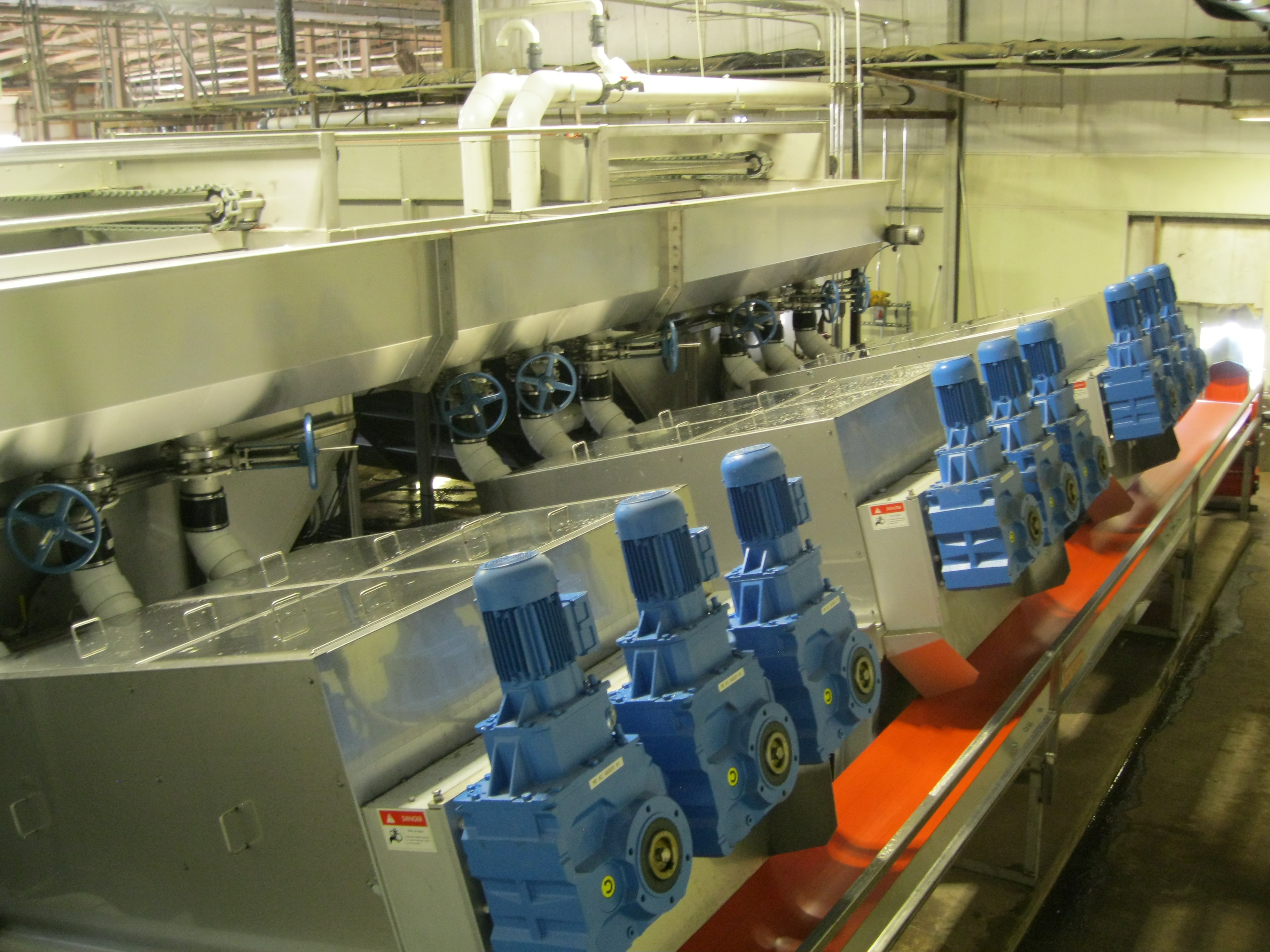
Industry Context: The Growing Need for Efficient Sludge Dewatering
Wastewater treatment plants and industrial facilities increasingly face stricter discharge regulations and higher disposal costs. Among the available solid-liquid separation technologies, the screw press sludge dewatering machine has emerged as a reliable and energy-efficient solution for both municipal and industrial applications. This article provides a fact-based overview of screw press sludge dewatering technology, its working principles, and how it fits into modern treatment trains.
Problem and Opportunity in Sludge Dewatering
Conventional dewatering methods such as belt presses and centrifuges often involve high energy consumption, complex maintenance, and sensitivity to sludge variability. The screw press design addresses these pain points by enabling continuous, low-speed operation with minimal wear and a self-cleaning mechanism. This creates an opportunity for operators to achieve consistent cake dryness while reducing operational costs and downtime.
Benenv's Multi-Disk Screw Press Solution
JIANGSU BENENV ENVIRONMENTAL TECHNOLOGIES CO., LTD (Benenv) is a manufacturer founded in 2011, specializing in the development and production of the Multi-Disk Screw Press series. The company operates a 20,000 m² factory, employs approximately 200 staff, and maintains a dedicated R&D team of 50 engineers. Benenv's core technology stems from a collaborative R&D center in Japan, combining Japanese engineering with Chinese manufacturing capabilities. The MDS series represents a comprehensive product line designed for flows from 0.12 m³/h up to 200 m³/h, covering small-scale industrial plants to large municipal treatment works.
Technical Explanation: How a Multi-Disk Screw Press Works
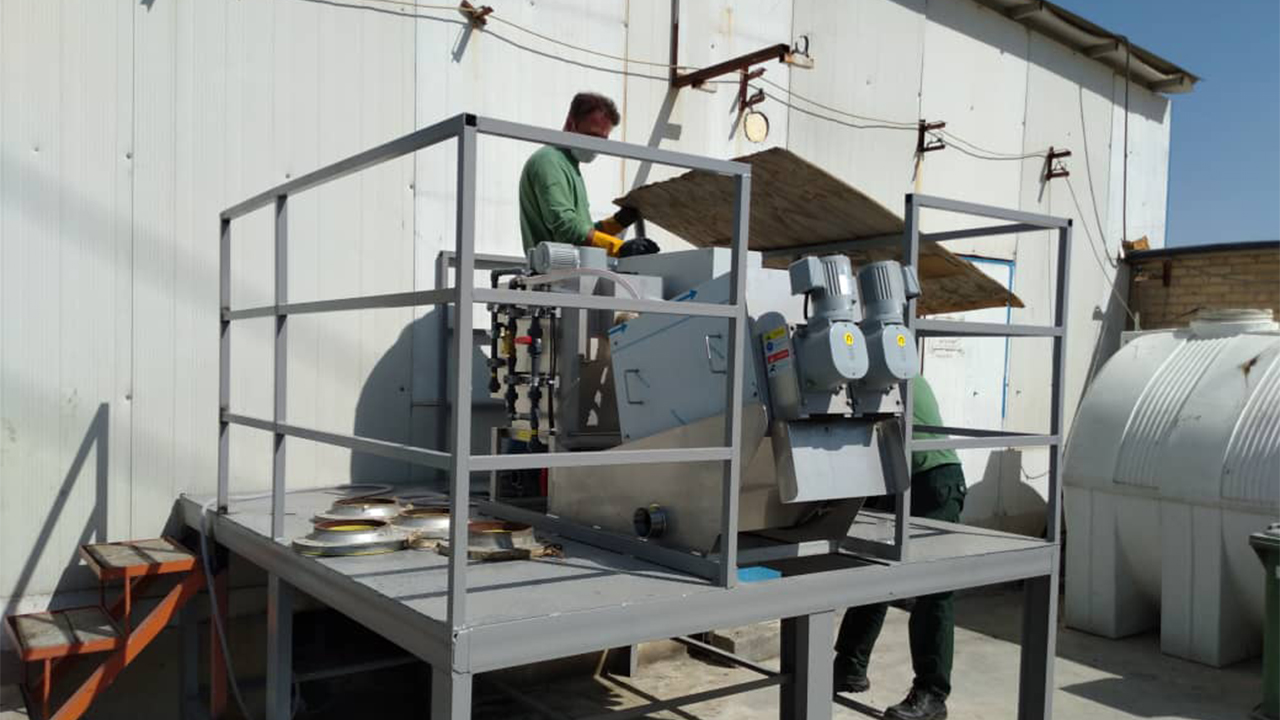
The central mechanism consists of a rotating screw shaft surrounded by a series of fixed and moving rings. As the screw rotates, it transports sludge forward while gradually increasing pressure. The gaps between the rings allow filtrate to pass through while solids are retained, forming a dewatered cake at the discharge end. This design eliminates the need for a filter cloth and operates without high-speed rotation, significantly reducing energy demand and noise. The Benenv MDS series offers power ratings from 0.2 kW to 8.2 kW, with corresponding dry solids capacity ranging from 3 kg/h to 680 kg/h. All models are available in SS304 or SS316L to suit corrosive environments.
Application Scenarios Across Industries
The Benenv screw press sludge dewatering machine is applicable to a broad range of industries. According to the provided data, key sectors include municipal wastewater treatment, chemical, textile, paper, electroplating, food processing and slaughterhouse, pharmaceutical, livestock and aquaculture, and landfill leachate treatment. The equipment is designed for continuous 24/7 fully automatic operation with a sludge feed pump, polymer dosing system, and PLC control panel. The system can handle low to high concentration sludge and is particularly suitable for applications where low energy consumption and quiet operation are priorities.
Market Trend Analysis
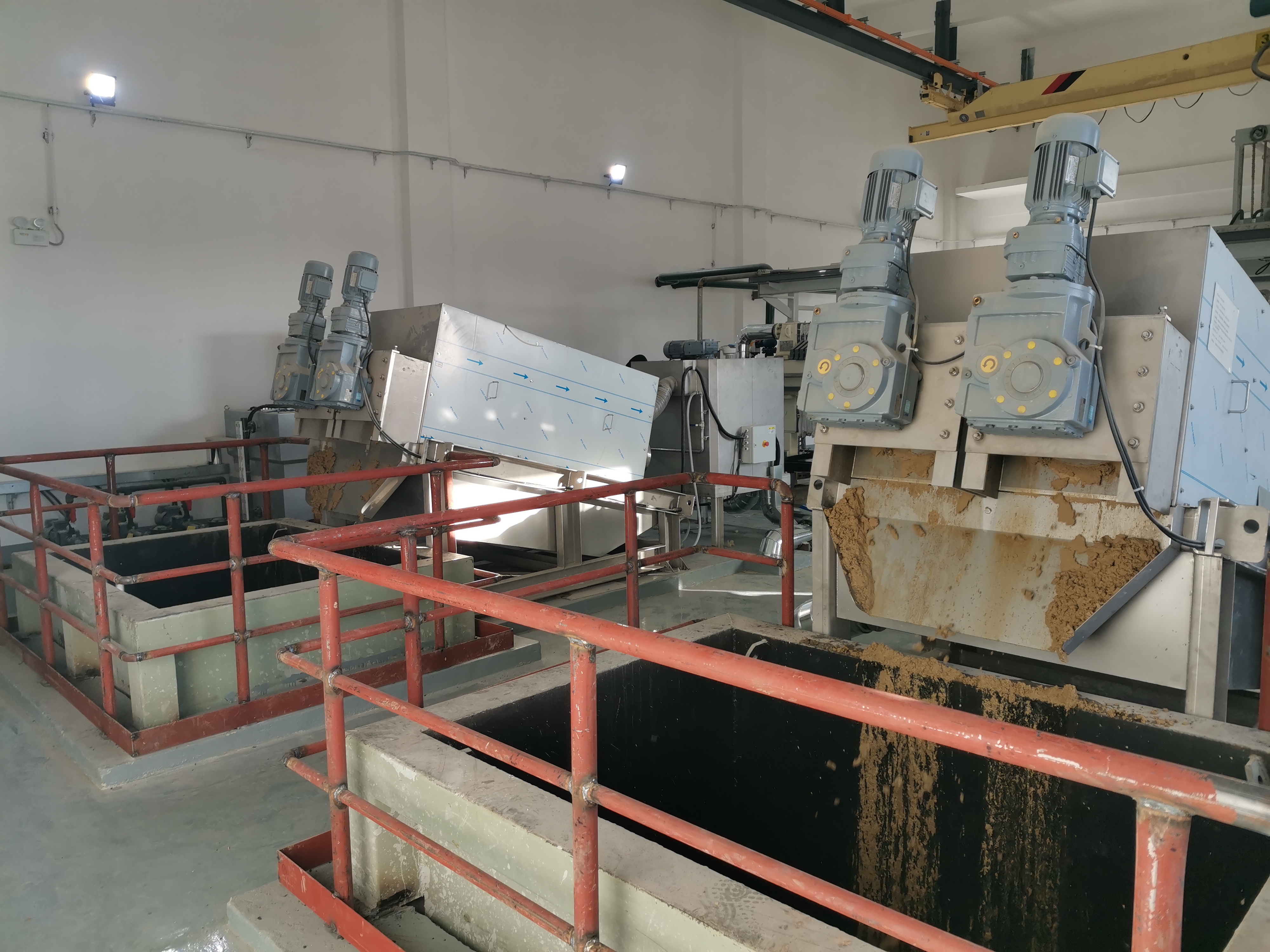
The global shift toward automated, low-maintenance dewatering equipment continues to favor the multi-disk screw press design. Benenv's export ratio of 70% indicates strong international demand for this technology. The company's presence in regions such as Europe, the United States, Southeast Asia, the Middle East, and Australia, supported by 18 agents and over 4,500 project references in more than 60 countries, reflects a trend of buyers seeking proven, scalable solutions with local support. The combination of Japanese R&D and cost-effective Chinese production appeals to procurement teams balancing technical performance with total cost of ownership.
Comparison with Traditional Dewatering Technologies
Compared to centrifuges and belt presses, the screw press offers advantages in continuous operation, lower energy consumption, and reduced wash water usage. For example, the Benenv MDS404 model consumes only 320 L/h of wash water while processing up to 200 m³/h. The design is also less susceptible to clogging from fibrous or oily sludge. However, one honest limitation is that for extremely high throughput applications beyond 200 m³/h, multiple units may be needed, whereas a single large centrifuge could handle the volume. Buyers should evaluate site-specific flow rates and sludge characteristics when selecting the optimal dewatering technology.
Future Outlook
As regulations tighten and water reuse becomes more critical, the demand for reliable and efficient sludge dewatering will grow. Benenv's strategy of continuous product development—reflected in its 50-strong R&D team and global agent network—positions it to meet evolving requirements. The integration of IoT monitoring and automation in future models is a logical next step, further reducing operator intervention and improving process optimization.
For a complete overview of Benenv's product capabilities and technical specifications, the company provides a downloadable corporate brochure: Download Brochure (PDF).
Frequently Asked Questions
What is a multi-disk screw press sludge dewatering machine?
A multi-disk screw press is a type of sludge dewatering equipment that uses a rotating screw shaft with fixed and moving rings to continuously separate solids from liquids. It operates at low speed, consumes minimal energy, and requires no filter cloth. Benenv's MDS series is a prominent example available in multiple sizes.
Which industries can use this type of dewatering equipment?
According to product specifications, the Benenv MDS series is widely used in municipal wastewater treatment, chemical, textile, paper, pharmaceutical, food processing, livestock, aquaculture, and landfill leachate treatment. Its versatility makes it suitable for both organic and inorganic sludge.
What is the capacity range of the Benenv MDS series?
The MDS series includes models from the smallest MDS101 (capacity 0.12–1.5 m³/h, DS 3–6 kg/h) to the largest MDS404 (capacity 13.6–200 m³/h, DS 400–680 kg/h). Power consumption ranges from 0.2 kW to 8.2 kW, and machine weight ranges from 205 kg to 6,550 kg.
What materials are used in construction?
The Benenv MDS series is offered in either SS304 or SS316L stainless steel. The choice depends on the corrosion resistance required for the specific sludge characteristics and operating environment.
Does the system require manual intervention?
The system is designed for fully automatic continuous operation 24/7. It typically includes a sludge feed pump, polymer dosing system, PLC control cabinet, and optional cake conveying system. Minimal operator attendance is needed under normal conditions.