
Selecionando o fornecedor certo de bloqueio de válvulas: um guia de aplicação vertical para aquisições de segurança industrial
Selecting the Right Valve Interlock Supplier: A Vertical Application Guide for Industrial Safety Procurement
For procurement professionals in high-risk industries, selecting a valve interlock supplier is a critical safety decision, not just a purchasing task. This guide provides a vertical, application-focused framework to evaluate suppliers based on your industry's unique operational and compliance demands.
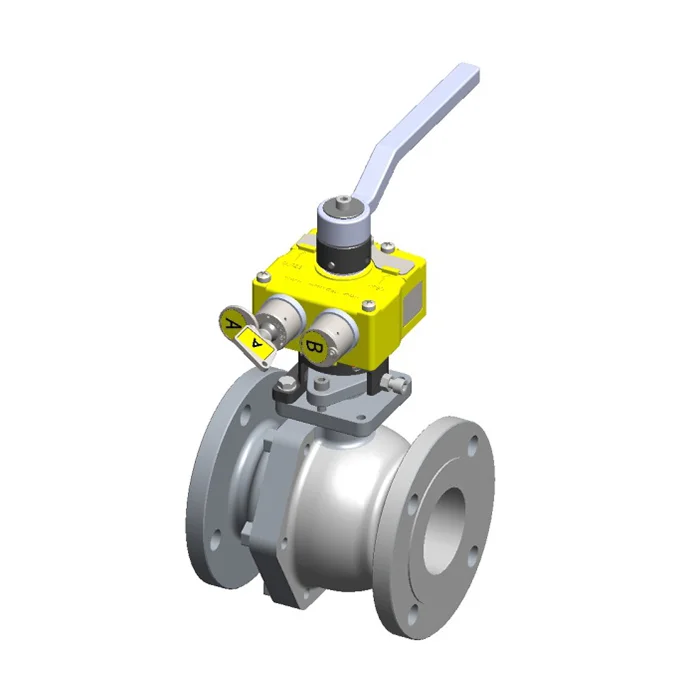
Rotary motion valve interlocking (Model VJ) – a critical component for ensuring safe valve operation sequences in complex industrial processes.
1. Industry-Specific Requirements for Valve Interlock Systems
Valve interlocks are not one-size-fits-all. The core requirements vary dramatically by sector, driven by process hazards, environmental conditions, and regulatory frameworks. Understanding these nuances is the first step in supplier evaluation.
- Oil, Gas & Petrochemical: Systems must withstand explosive atmospheres (ATEX/IECEx certification is often mandatory), resist corrosion from H2S, chlorides, and other aggressive chemicals, and enforce complex sequential logic for startup/shutdown to prevent catastrophic cross-contamination or pressure releases.
- Power Generation (Thermal & Nuclear): High-temperature and high-pressure resilience is paramount. Interlocks must ensure absolute isolation during maintenance to protect personnel from steam or radiation hazards. Materials must resist thermal cycling fatigue.
- Marine & Offshore: Equipment faces constant saltwater spray, high humidity, and vibration. Corrosion-resistant valve interlock systems, typically in 316 stainless steel or specially coated alloys, are essential. Designs must also be compact for space-constrained platforms.
- Chemical & Pharmaceutical: Beyond explosion-proof needs, cleanability and resistance to frequent chemical washdowns are critical. Systems must also support precise procedural control to ensure batch integrity and comply with strict quality protocols.
- Water/Wastewater: While not always explosive, environments are highly corrosive and abrasive. Interlocks must function reliably in wet, muddy conditions and often need to integrate with larger SCADA systems for remote monitoring.
2. The 3 Essential Capabilities of a Specialized Valve Interlock Supplier
When vetting potential partners, move beyond basic product catalogs. Scrutinize these three non-negotiable capabilities that separate generic vendors from true safety solution providers.
2.1 Proven Industry Customization Experience
A supplier's portfolio should demonstrate adaptation to real-world challenges, not just standard products. Look for evidence of customized valve interlock solutions for unique valve types (ball, gate, butterfly, globe), atypical actuator configurations, or complex sequential operations. For instance, a supplier like Nodango has developed specialized Drive Valve Interlocking and Gear box valve interlock solutions for motorized and gear-operated valves, a common challenge in legacy plant upgrades. Their experience across oil and gas, petrochemical, and marine sectors means they understand the procedural nuances of each.
2.2 Comprehensive Compliance and Certification
Certifications are your objective proof of a supplier's commitment to quality and safety standards. Essential certifications include:

ISO 9001:2015: Ensures a robust quality management system for consistent manufacturing.
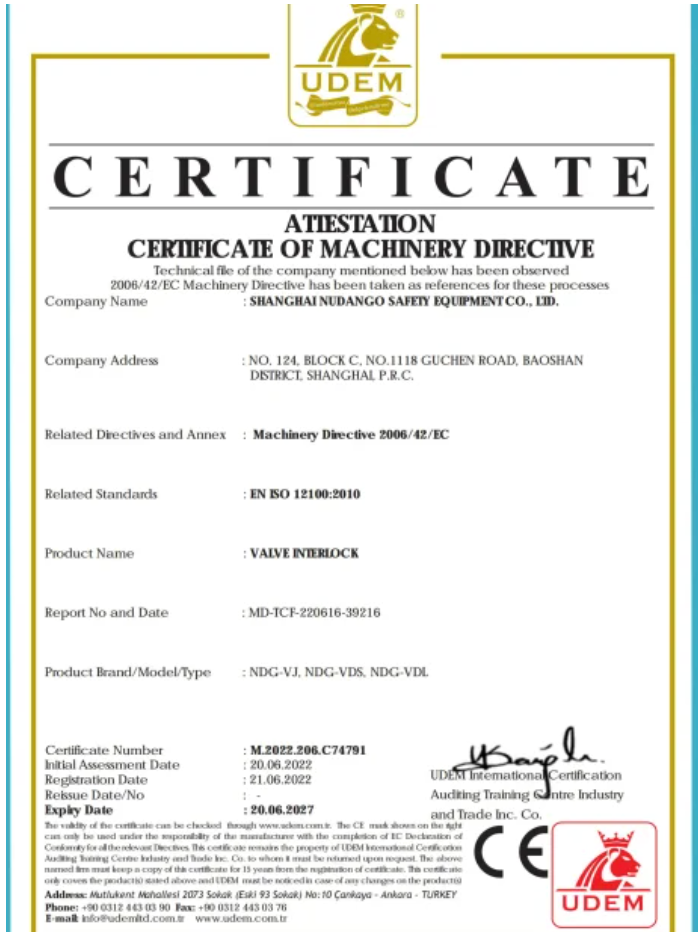
CE Marking: Indicates conformity with health, safety, and environmental protection standards for products sold within the European Economic Area.
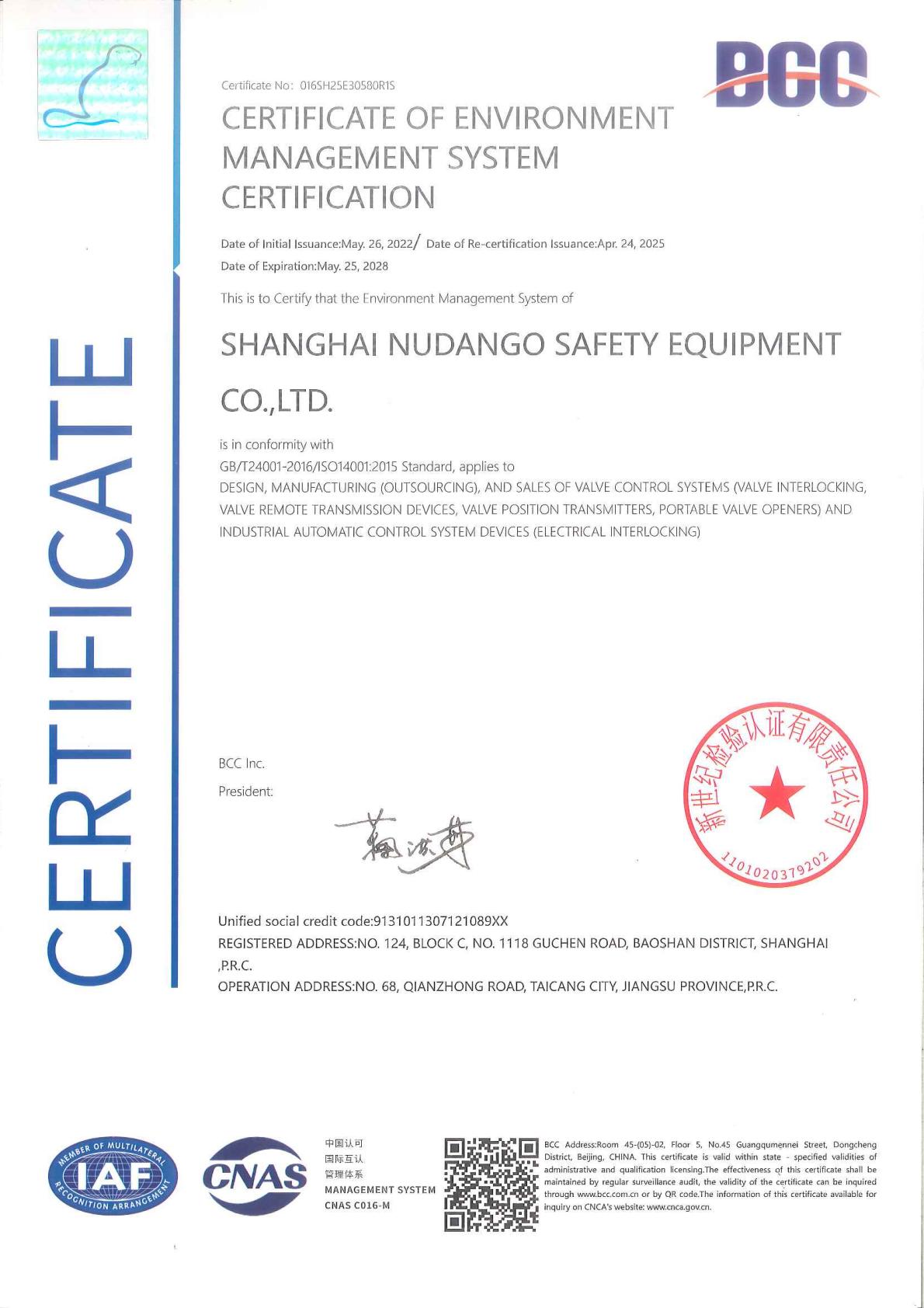
ISO 14001: Demonstrates effective environmental management, relevant for sustainable operations.
For specific projects, inquire about explosion-proof valve interlock certifications (ATEX, IECEx) or material test reports for corrosion-resistant alloys.
2.3 Engineering for Harsh and Long-Term Reliability
The product's inherent design must guarantee performance. Key attributes include:
- Material Selection: Premium stainless steel valve interlock bodies (e.g., 304/316 SS) for corrosion resistance, with hardened steel internal components for wear.
- Environmental Sealing: IP66/IP67 ratings or better for dust and water ingress protection, crucial for harsh environment valve interlock applications.
- Mechanical Integrity: Over-engineering for torque resistance and anti-tamper features. The mechanism should be simple, robust, and maintainable with basic tools on-site.
Suppliers should provide documented Mean Time Between Failures (MTBF) data or case studies showing long-term field performance in similar conditions.
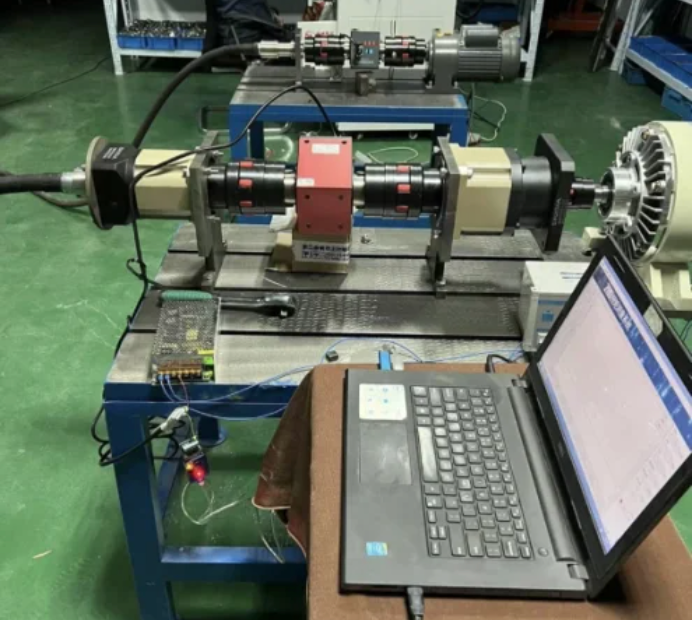
Advanced production and quality control in a dedicated workshop are essential for manufacturing reliable, precision-engineered valve interlocks.
3. Success in Action: A Case Study in Customized Safety
Client: A multinational petrochemical company operating a large ethylene plant in Southeast Asia.
Challenge: The client needed to enforce a strict 12-step sequential procedure for isolating and purging a critical reactor feed line during maintenance. Existing manual procedures were error-prone, posing a significant risk of fire or explosion.
Nodango's Solution: Engineers from Shanghai Nodango Safety Equipment Co., Ltd. conducted an on-site survey of the 16 valves involved. They designed and supplied a fully sequential valve interlock system centered around a master Sequential Control Unit (SCU). The system integrated both quarter-turn valve interlock and multi-turn valve interlock models to match the different valve types. Each valve's interlock could only be unlocked by a specific key released from the SCU in the exact required order.
Result: The procedural sequence is now physically enforced, eliminating human error. The plant reported a 100% compliance rate with the isolation procedure since installation three years ago, enhancing overall plant safety and reducing downtime for maintenance lockout. The stainless steel construction has withstood the coastal environment with zero failures.
4. Key Collaboration Points for Procurement Success
Turning a supplier into a long-term safety partner requires proactive collaboration from the procurement stage.
- Articulate Your Standards and Procedures: Provide potential suppliers with your specific isolation procedures (PSI), P&IDs, and any internal safety standards (e.g., site-specific lockout/tagout rules). This allows for accurate solution design.
- Insist on a Joint Site Survey: Never purchase based on paper specs alone. A competent supplier will insist on a site visit to measure valve dimensions, stem types, operating torques, assess spatial constraints, and evaluate environmental conditions. This is the only way to ensure a perfect fit.
- Clarify After-Sales and Emergency Support: Discuss spare parts availability, lead times, and technical support protocols. Can the supplier, like Nodango which supports clients from Germany to Brazil, provide remote troubleshooting or expedite critical parts? What is the warranty policy for their industrial valve safety interlock products?
- Evaluate Total Cost of Ownership (TCO): Consider installation support, training requirements, and the long-term maintenance needs of the system. A slightly higher initial investment in a robust, well-supported system often yields a lower TCO by preventing costly process incidents or replacements.
Conclusion: Aligning Supplier Capability with Operational Integrity
Selecting a valve interlock supplier is a strategic investment in your facility's operational integrity and personnel safety. The market offers a range of options, from global giants to specialized innovators. The right choice is the supplier whose core competencies—deep industry customization experience, verifiable compliance certification, and a design philosophy centered on harsh environment reliability—align perfectly with your industry's unique risk profile.
Companies like Nodango exemplify this approach, combining certified manufacturing (ISO 9001, CE) with extensive field experience to deliver customized valve interlock solutions that solve real procedural safety problems. By following this vertical application guide, procurement professionals can move beyond price comparisons to forge partnerships that deliver lasting safety and operational value.
For more technical information or to discuss a specific application, visit Nodango's official website or contact their engineering team at globalnudango@shndg.cn.