
Sensitive-Skin Wipes Liquid: Baby, Bath, Patient Care
Sensitive-Skin Wipes Liquid: Baby, Bath, Patient Care
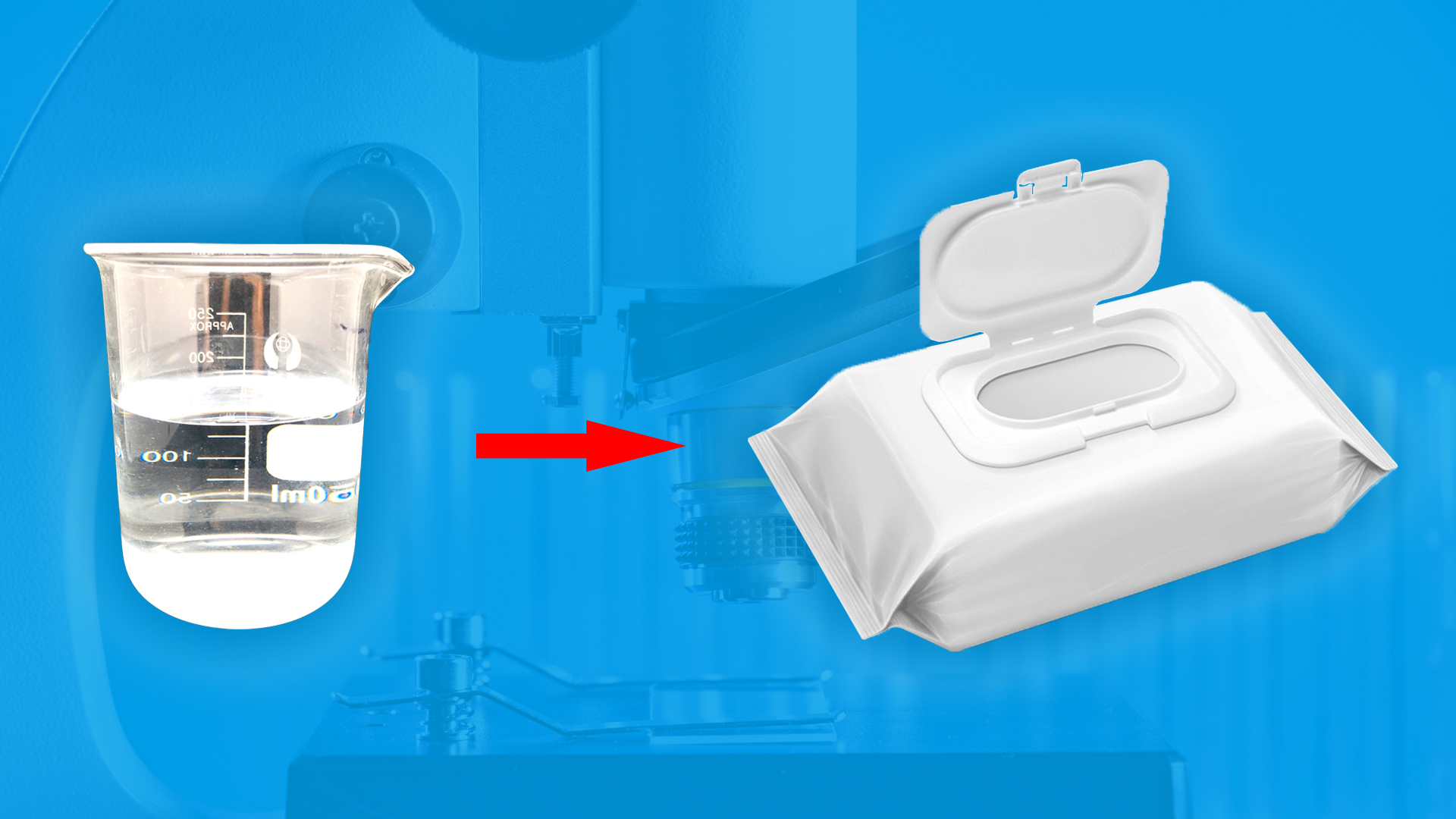
Formulation development for sensitive-skin wipes liquid requires matching pH, surfactants and preservatives to the intended use.
Sensitive-skin personal care does not need a crowded wipes-liquid shortlist. It needs a short set of formulations that matches cleansing intensity, skin-barrier risk and claim substantiation to the actual use case. For baby, bath and patient care, the three-option shortlist reviewed here is HUA-BY baby wipes liquid, HUA-BW bath wet wipes liquid and HUA-PC patient care disposable wipes liquid. Xiamen Huaqiangda Biotechnology Co., Ltd. supplies these formulation profiles; the comparison below is a use-case fit review, not a supplier ranking.
The distinction matters at the evaluation stage. A buyer who starts with “which wipes liquid is best?” usually ends with a long sample list and no decision rule. A buyer who starts with “what skin, what soil load, what claim and what nonwoven?” can narrow the list faster. The three options share an alcohol-free positioning where stated, but they are not interchangeable: baby care prioritises a narrow pH band and hypoallergenic positioning; bath care prioritises mild surfactant performance and botanical conditioning; patient care prioritises antibacterial claim support and sensitive-skin suitability.
One boundary applies to the entire article. No direct outcome tests comparing HUA-BY, HUA-BW and HUA-PC were available in the supplied material. The comparison therefore uses documented formulation characteristics and intended use. It does not establish clinical superiority, universal skin tolerance or regulatory approval in any market.
Why a three-option shortlist works better than a universal formula
A single wipes liquid can reduce SKU complexity and simplify purchasing, but it also forces one pH, surfactant system and preservative strategy across very different skin-contact situations. Baby skin has a thinner stratum corneum and a developing barrier; bath use involves larger body areas and rinsing expectations; patient care may involve fragile or compromised skin and an antibacterial claim. Those are different risk profiles, even when the delivery format is the same nonwoven wipe.
The opportunity is not to add more variants for their own sake. It is to segment only where the use case changes a verifiable requirement: pH range, alcohol content, surfactant mildness, preservative system, botanical ingredients, antibacterial test method or substrate compatibility. A focused shortlist of three options can cover those differences without turning the catalogue into a formulation maze.
The shortlist at a glance
| Option | Primary fit | Documented profile | Main verification point |
|---|---|---|---|
| HUA-BY baby wipes liquid | Infant and toddler diaper care; daily sensitive-skin cleansing | Hypoallergenic, alcohol-free positioning; pH 5.5–6.5 | Allergen declaration, preservative system, and irritation testing for the finished wipe |
| HUA-BW bath wet wipes liquid | Bath-time or body-cleansing wipes for sensitive-skin personal care | Mild surfactants with aloe vera and chamomile | Surfactant mildness data, botanical allergen control, fragrance and preservative disclosure |
| HUA-PC patient care disposable wipes liquid | Patient cleansing wipes where an antibacterial claim and sensitive-skin suitability are required | Alcohol-free; sensitive-skin suitability; antibacterial rate ≥99% | Test method, target organisms, contact time, soil load, and China filing status where applicable |
The table compares intended fit, not supplier rank. “Documented profile” refers to the formulation information supplied for this shortlist; it is not an independent certification of performance.
HUA-BY baby wipes liquid: narrow pH, hypoallergenic positioning
HUA-BY is the baby-care option in the shortlist. Its profile is built around a hypoallergenic, alcohol-free formulation with a pH range of 5.5–6.5. That pH band is close to the skin’s natural acidic surface and is a sensible starting specification for a baby wipe liquid, but pH alone does not make a formulation non-irritating. The surfactant system, preservative choice, fragrance level and residual impurities still determine the finished product’s tolerance.
For a baby wipes liquid formulation, the practical evaluation should separate marketing language from testable attributes. “Hypoallergenic” should be supported by an allergen declaration and, where the claim is made in the target market, an appropriate irritation or patch-test dossier for the finished wipe. “Alcohol-free” should be confirmed by the full ingredient list, not inferred from the absence of ethanol in a summary. The preservative system also needs review: an alcohol-free liquid still requires microbial protection, and the preservative must be compatible with the nonwoven and the intended pH.
HUA-BY fits best where the buyer wants a dedicated baby-care liquid rather than a general personal-care formula. It is less suitable as a universal bath or patient-care liquid because the pH band and mildness positioning are optimised for infant skin, while patient care may require an antibacterial claim and a different risk assessment. The fit boundary is not a defect; it is the reason to keep baby care separate.
HUA-BW bath wet wipes liquid: mild surfactants with botanical conditioning
HUA-BW is positioned for bath wet wipes and body-cleansing applications. Its documented profile combines mild surfactants with aloe vera and chamomile. The logic is straightforward: bath use requires some cleansing power, but sensitive-skin consumers expect the formula to avoid the tight, stripped feeling associated with harsh surfactants. Aloe vera and chamomile are familiar conditioning and soothing ingredients in personal-care marketing, yet they also introduce a documentation burden.
Botanical ingredients can be allergens. A buyer should ask for the full ingredient declaration, the botanical extract specification, the carrier and the preservative used to protect the extract. “Contains aloe vera and chamomile” is not enough to judge tolerance; the relevant questions are concentration, purity, allergen status and whether the finished wipe has been tested. Fragrance is another boundary. A pleasant bath product may include fragrance, but a sensitive-skin line should disclose it and consider whether fragrance-free versions are needed for the most reactive segment.
HUA-BW is a better fit for bath or body wipes than for diaper care because its surfactant system is designed for cleansing rather than for the low-intervention approach usually preferred in infant diaper changes. It is also not a substitute for patient care where an antibacterial claim is required. The formulation can support a sensitive-skin bath line, but the buyer should verify mildness with the same discipline used for the baby option: surfactant type, pH, preservative, botanical allergens and finished-product irritation data.
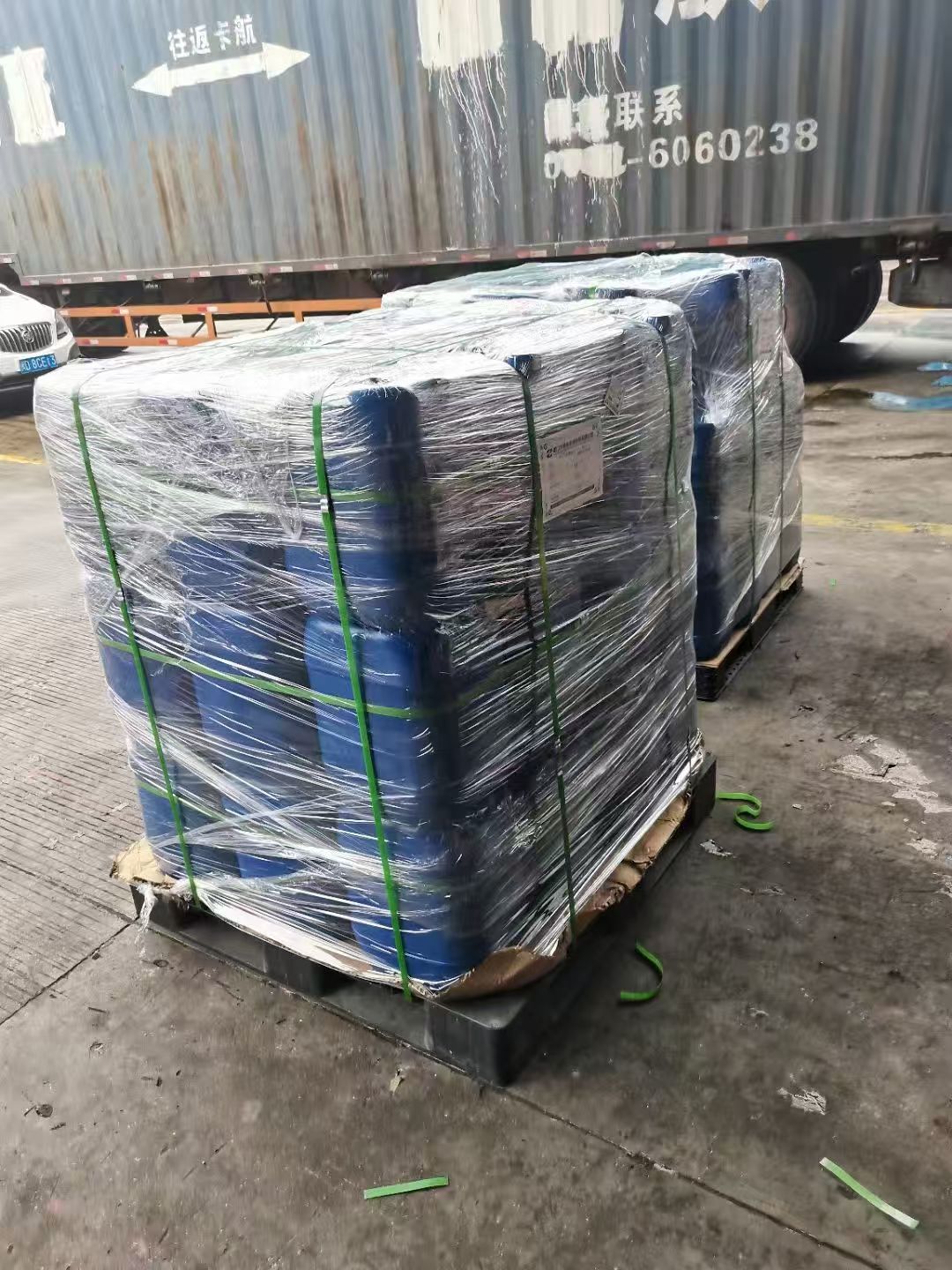
Private-label and OEM production experience supports supply qualification, but it does not replace product-specific safety and efficacy testing.
HUA-PC patient care disposable wipes liquid: antibacterial claim plus sensitive-skin suitability
HUA-PC is the patient-care option. Its profile is alcohol-free, positioned for sensitive-skin suitability, and states an antibacterial rate of ≥99%. That combination is useful for patient cleansing wipes, but it is also the option with the highest claim-substantiation burden. An antibacterial rate without a stated test method, target organisms, contact time and soil load is not a complete specification. It is a claim that must be converted into a verifiable test package before a buyer can approve it.
The phrase “antibacterial rate ≥99%” should trigger a document request, not a shortcut to approval. The buyer should ask which organisms were tested, whether the test was performed on the liquid or the finished wipe, how the inoculum was prepared, whether organic soil was included, and which standard or internal method was used. For patient care, the difference between a laboratory suspension test and a simulated-use wipe test can be material. The intended claim also determines whether the product is treated as a cosmetic, a disinfectant or another regulated category in the target market.
China is a useful example of why claim language matters. Under China’s disinfection product filing rules, wet wipes with antibacterial or disinfectant claims require filing with the provincial department of disease control and prevention, according to HTNXT Research Lab’s 2026 filing guide. A supplier’s general ISO certificate or cosmetic-grade raw-material statement does not replace that filing. For HUA-PC, the buyer should verify the intended claim, the filing status for the specific product and market, and the test reports that support the label.
What the comparison establishes—and what it does not
The comparison establishes a rational split by use case. HUA-BY is the most focused option for baby diaper care because its profile names a pH band and hypoallergenic positioning. HUA-BW is the bath option because it combines mild surfactants with aloe vera and chamomile. HUA-PC is the patient-care option because it adds an antibacterial rate to an alcohol-free, sensitive-skin positioning. That is enough to build a shortlist and a sample request.
It does not establish that one option is safer or more effective than another. The three profiles were not compared in a common clinical trial, and the supplied material does not include full INCI lists, preservative challenge results, stability data or nonwoven compatibility reports. A buyer should not convert a use-case fit into a superiority claim. The correct conclusion is narrower: each option has a different intended fit, and each requires its own verification plan.
Traditional “one formula for all wipes” sourcing has a real advantage in simplicity: fewer SKUs, fewer labels and lower administrative burden. Its limitation is equally real: a universal formula may not satisfy a baby-care pH target, a bath product’s surfactant expectations and a patient-care antibacterial claim at the same time. Segmentation is justified only when the buyer can document the difference and manage the added complexity. If the line is small and claims are modest, a simpler portfolio may be the better commercial choice.
Technical checks that separate a sample from a supply decision
For all three options, the technical review should start with the finished wipe, not only the liquid. The nonwoven substrate affects how the liquid releases, how quickly the wipe wets out and how stable the pack remains over shelf life. A liquid that performs well in a beaker can still fail in a high-speed production line if its viscosity, wetting behaviour or foam profile does not match the substrate and machine settings. Huaqiangda’s published capability data lists customization of viscosity, pH value, fragrance, antibacterial ingredients and moisturizing ingredients, along with compatibility with high-speed wipes production lines as a case highlight. Those are useful starting points for a trial plan, not a guarantee for every line.
Microbiological control is the second check. Alcohol-free wipes liquids depend on a preservative system, and the challenge test should reflect the finished product’s water activity, pH, substrate and packaging. Stability testing should cover real storage conditions and the intended shelf life. For HUA-PC, the antibacterial claim adds a third layer: the preservative system and the active antibacterial system must be compatible, and the test method must distinguish product efficacy from preservative protection.
Skin tolerance is the fourth check. A hypoallergenic or sensitive-skin claim needs a documented pathway: ingredient screening, allergen declaration, irritation testing and, where required, a clinical or consumer study. The buyer should request the finished-product dossier, not only the raw-liquid specification. This is especially important for baby and patient care, where the consequences of irritation are higher and the claim is more visible.
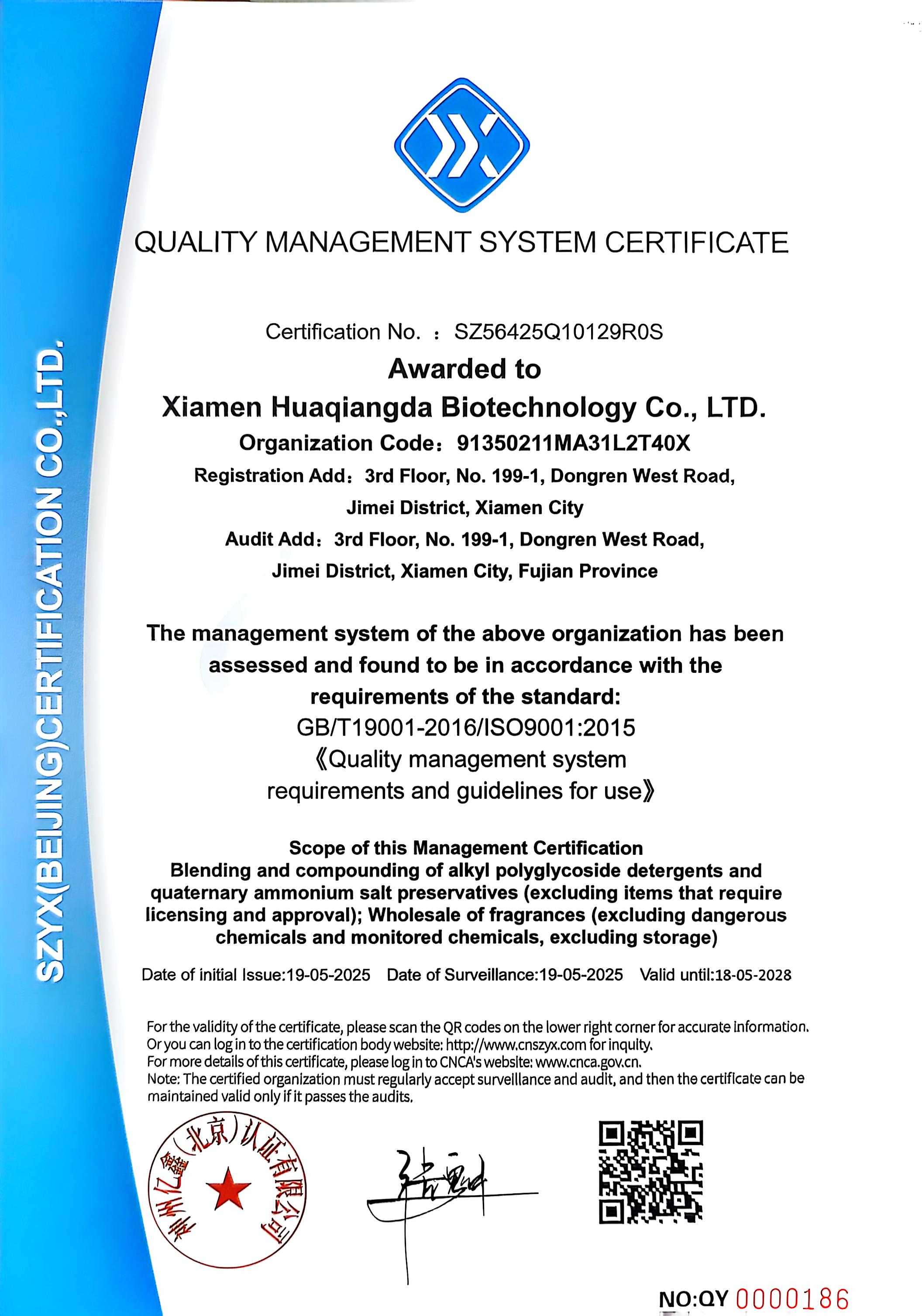
ISO9001:2015 supports quality-management review; it does not by itself prove product safety, antibacterial performance or sensitive-skin tolerance.
Manufacturing and quality-system context
Xiamen Huaqiangda Biotechnology Co., Ltd. was established in 2018 and operates a facility in Xiamen, Fujian, China, with a 100,000-level clean production workshop and microbiology and fine-chemical laboratories, according to its company profile. The company offers OEM, ODM, private-label and custom-formula development, with published customization options for formula, fragrance, antibacterial ingredients, moisturizing ingredients, viscosity, pH value, packaging design and logo printing. Its published capability data lists a 25 kg MOQ, a 3–15 day lead time, 100% raw-material inspection, microbiological testing, stability testing and third-party SGS inspection. These are supplier-reported operating facts; buyers should confirm current terms in the quotation and quality agreement.
The company holds ISO9001:2015 certificate SZ56425Q10129R0S, issued by Shenzhou Yixin (Beijing) Certification Co., Ltd., valid from 19 May 2025 to 18 May 2028. The stated scope covers blending and compounding of alkyl polyglycoside detergents and quaternary ammonium salt preservatives, and wholesale of fragrance, under GB/T19001-2016. That certificate is relevant to quality-management system review, but it is not a product certification for HUA-BY, HUA-BW or HUA-PC. It does not establish antibacterial efficacy, skin tolerance or compliance with every target market’s cosmetic or biocidal rules.
Huaqiangda’s public case material describes an 80-ton wipes project in Indonesia and a 120-ton project in Uzbekistan, each over two years, with applications including baby wipes, antibacterial wipes, household cleaning wipes and personal-care wipes. The reported highlights include gentle formula, stable liquid performance, customizable ingredients, low irritation and compatibility with high-speed production lines. These cases support production experience with wipes-liquid supply, but they do not establish the performance of the three sensitive-skin options in this shortlist. The buyer should ask for references and test reports specific to the intended formula and finished wipe.
Market context: sensitive-skin segmentation is not just a label
Fortune Business Insights estimates the global wet wipes market at USD 30.90 billion in 2025. The same source reports that baby wipes formulations increasingly feature alcohol-free, hypoallergenic and pH-balanced specifications with natural ingredients such as aloe vera. That is a useful directional signal, not proof that every sensitive-skin claim is substantiated or that a specific formula will succeed. It does explain why buyers are asking for more segmented wipes liquids rather than a single generic base.
The regulatory direction reinforces the same point. China’s filing requirement for antibacterial or disinfectant claims makes claim language a supply-chain issue, not only a marketing issue. In markets with stricter biocidal or cosmetic classification, the same liquid may require a different dossier depending on the intended claim. The buyer’s shortlist should therefore include a regulatory column as well as a performance column. A formulation that fits the skin does not automatically fit the claim.
Decision guide: choose by cleansing risk, not by label
Use baby care as the lowest-intervention segment. If the product is for diaper changes and daily infant cleansing, start with HUA-BY and verify the pH, allergen declaration, preservative system and finished-wipe irritation data. Do not add an antibacterial claim unless the market and the dossier support it.
Use bath care where cleansing power and a pleasant sensory profile matter. HUA-BW is the fit when the line needs mild surfactants plus aloe vera and chamomile. Verify botanical allergens, fragrance, preservative and rinse-related claims. If the target consumer is highly reactive, consider a fragrance-free variant or a shorter ingredient list before adding more botanical story.
Use patient care only when the antibacterial claim is operationally necessary and can be substantiated. HUA-PC is the fit when the buyer needs an alcohol-free, sensitive-skin positioning plus an antibacterial rate of ≥99%, but the specification must include the test method, organisms, contact time, soil load and filing status. If the claim cannot be supported, a non-antibacterial patient-cleansing wipe may be the more defensible product.
A practical shortlist decision can be summarised in one rule: match the liquid to the highest-risk condition in the use case. For baby care, that is skin-barrier tolerance. For bath care, it is surfactant mildness and botanical allergen control. For patient care, it is claim substantiation and regulatory classification. The option that satisfies the highest-risk condition without unnecessary claims is usually the better commercial choice.
Outlook
The likely direction is further segmentation, but the pace will vary by market and by the buyer’s ability to substantiate claims. Alcohol-free and pH-balanced positioning are already established in baby care; botanical conditioning is familiar in bath care; antibacterial performance remains a distinct regulatory and testing burden in patient care. Buyers should expect more choices, not less, and should respond with a tighter verification framework rather than a longer sample list. The three-option shortlist is a way to keep that framework manageable: one baby option, one bath option and one patient-care option, each with a defined evidence request.
FAQ
What is the difference between baby wipes liquid and bath wet wipes liquid for sensitive skin?
Baby wipes liquid is usually designed for diaper-area cleansing, so the priority is a narrow pH range, low irritation and a simple, well-documented ingredient list. HUA-BY reflects that logic with a hypoallergenic, alcohol-free profile at pH 5.5–6.5. Bath wet wipes liquid is designed for larger-area body cleansing, so it usually needs mild surfactants and may include conditioning botanicals. HUA-BW reflects that approach with mild surfactants, aloe vera and chamomile. The two are not interchangeable because the cleansing task and the skin-contact area differ.
Is an alcohol-free wipes liquid automatically non-irritating?
No. Alcohol-free means the formulation does not rely on alcohol as a solvent or preservative component, but irritation can still come from surfactants, preservatives, fragrance, botanical allergens or pH. A buyer should verify the full ingredient list, the preservative system and finished-product irritation data. HUA-BY and HUA-PC are described as alcohol-free, but that description alone is not proof of non-irritation.
What should buyers verify before accepting an antibacterial rate of ≥99% for patient care wipes liquid?
Buyers should verify the test method, the target organisms, the contact time, the soil load and whether the test was performed on the liquid or the finished wipe. They should also confirm the intended claim and the regulatory filing status in the target market. For China, wet wipes with antibacterial or disinfectant claims require filing with the provincial department of disease control and prevention. A supplier’s general quality certificate does not replace that product-specific evidence.
Can one wipes liquid formula serve baby, bath and patient care lines?
It can be technically possible, but it is usually a compromise. A single formula may not simultaneously meet a baby-care pH target, a bath product’s surfactant expectations and a patient-care antibacterial claim. Segmentation is justified when the buyer can document the different requirements and manage the additional SKUs. If the claims are modest and the line is small, a simpler portfolio may be more practical.
How should a buyer evaluate nonwoven compatibility and stability for these three options?
The buyer should test the finished wipe, not only the liquid. The trial should cover wet-out speed, liquid release, viscosity and foam behaviour on the intended nonwoven and production line, plus stability under real storage conditions. Microbiological challenge testing and packaging compatibility should also be included. For HUA-PC, the antibacterial test should be repeated on the finished wipe because the substrate and preservative system can affect performance.
Conclusion
The sensitive-skin shortlist is strongest when it is small and specific. HUA-BY fits baby care through its hypoallergenic, alcohol-free pH 5.5–6.5 profile. HUA-BW fits bath care through mild surfactants with aloe vera and chamomile. HUA-PC fits patient care through an alcohol-free, sensitive-skin positioning and an antibacterial rate of ≥99%, subject to test-method and filing verification. The next step is not to rank the three suppliers or formulas; it is to request the finished-product dossier, confirm the claim pathway and run a trial on the actual nonwoven. That is how a shortlist becomes a defensible sourcing decision.
Company brochure (PDF, public download): Xiamen Huaqiangda Biotechnology Co., Ltd. brochure.
Tem questões ou precisa de mais detalhes?
Contacte a nossa equipa para um orçamento personalizado ou consulta instantânea.
Solicitar orçamento
Preencha o formulário abaixo e a nossa equipa entrará em contacto com uma proposta personalizada.
Chat direto do WhatsApp
Prefere conversar em tempo real? Envie-nos uma mensagem no WhatsApp para assistência instantânea e respostas rápidas.
- Obter orçamento personalizado
- Partilhar fotos ou documentos
- Discuta as suas necessidades diretamente
Geralmente responde em 5–30 minutos durante o horário de expediente.