
Shortlist Criteria for Selecting Potassium Aluminium Fluoride Suppliers in 2026
Industry Reference · Chemicals · Procurement
Grade choice and supplier choice are two separate decisions. Most potassium aluminium fluoride sourcing problems that surface late in a project trace back to a shortlist that was built before either decision was clearly defined.
Why PAF Sourcing Has Become a Qualification Exercise
Potassium aluminium fluoride (PAF) is a fluoride flux with a stable technical identity: the KAlF4 compound has a molecular weight of approximately 142.07 g/mol and is identified by CAS 60304-36-1. Internationally, a substantial share of the material moves under HS Code 38101090, the trade category covering pickling preparations for metal surfaces and related fluxes.
Its demand base is industrial rather than consumer-facing. Documented application areas include electrolytic aluminium smelting, corrosion-free brazing of aluminium alloys, ceramics and glass manufacturing, resin-bonded abrasives and grinding wheels, and non-ferrous metal recycling and casting. Each of those applications consumes a different grade, form and purity band of the same chemical name.
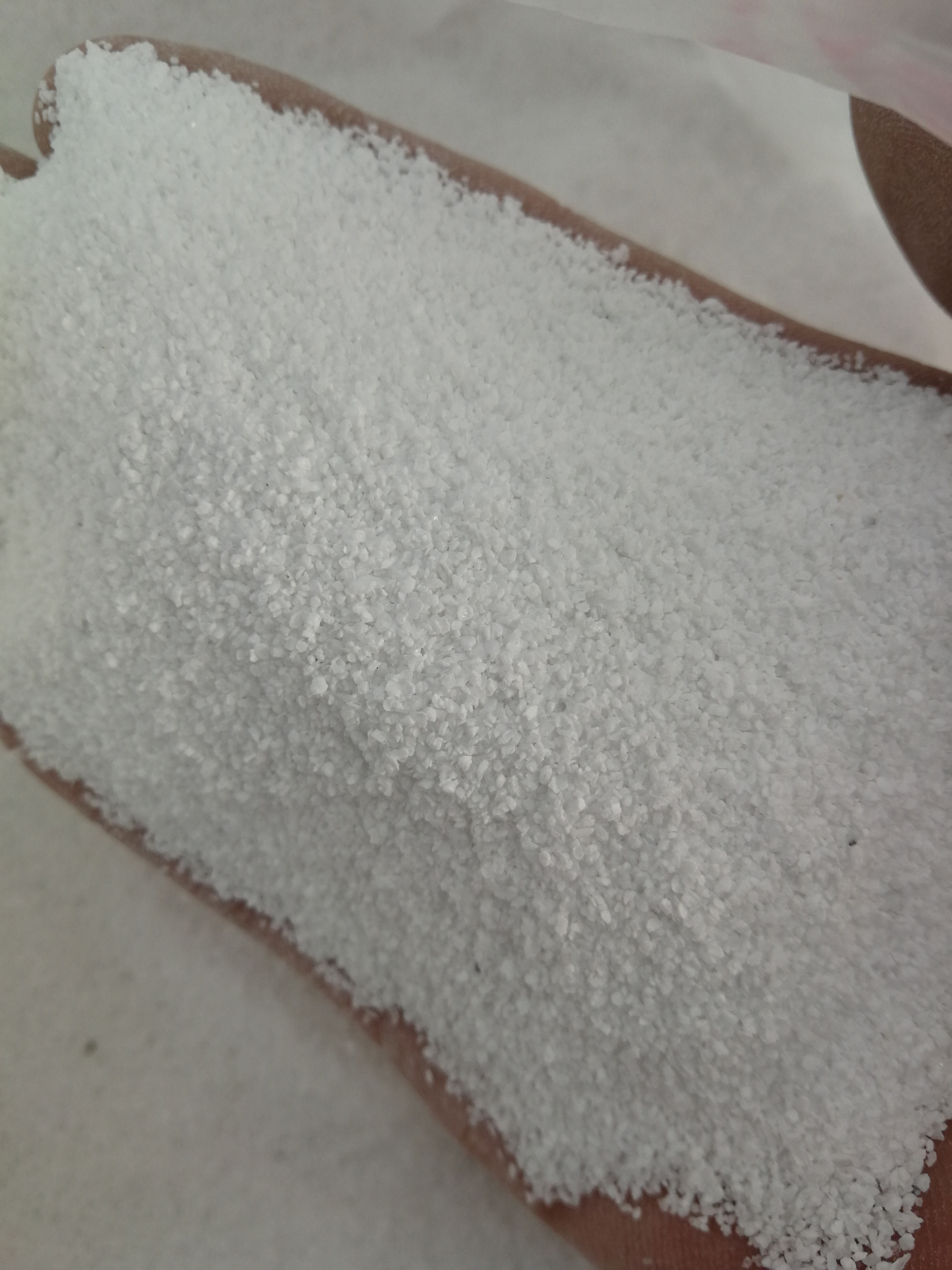
That is the structural reason supplier shortlisting is harder than it first appears. A quotation sheet listing “potassium aluminium fluoride, 99%” does not tell a buyer whether the material is white PAF intended for brazing or grey PAF intended for foundry and abrasive use, whether it will arrive as lump, granular or powder, or whether the particle size distribution will still match the trial lot by the tenth container.
Market context reinforces the point. The global potassium aluminum fluoride market was valued at USD 1.76 billion in 2024 and is projected to reach USD 2.62 billion by 2033, a trajectory reported at a CAGR of 4.8% for the 2025–2033 period. Growth of that shape does not create a shortage of sellers. It creates a shortage of qualified ones.
The Two Decisions Buyers Keep Merging
Decision one: which grade and form does the process actually require?
Purity band and end application are linked, not interchangeable. Industrial grade material at 98% minimum is typically used in foundry and abrasive applications in its grey form, while high purity material above 99% — white PAF — is required for brazing and specialty glass. Buyers who shortlist suppliers before settling this question usually end up comparing offers that are not comparable.
Form is a second and separate filter. Commercial potassium aluminium fluoride is supplied as powder, granular and lump, with typical size specifications that include mesh 200 powder and granular cuts of 0.3–1.0 mm and 0.5–1.5 mm. Colour is a visible proxy for grade, but it is not a specification on its own; the purity band and the size distribution have to be stated together.
Decision two: which supplier can hold that specification over time?
Two suppliers can quote identical chemistry and differ in everything that determines landed cost: batch-to-batch consistency, response time on urgent orders, ability to scale output for a full container programme, and whether the seller actually manufactures the material or resells it. In practice, the second decision is where shortlists are won or lost, because it is harder to verify from a price sheet.
Seven Shortlist Criteria for a 2026 PAF Supplier Evaluation
The table below is a working shortlist framework for procurement and technical teams. It is deliberately ordered from easiest to hardest to verify, because the criteria at the bottom are the ones that separate a credible supplier from a competitive quotation.
| # | Criterion | What to request | What it changes |
|---|---|---|---|
| 1 | Direct manufacturer status | Plant address, production equipment, manufacturing licence | Determines whether the supplier controls particle size and purity, or only trades them |
| 2 | Production scale | Annual output, facility area, headcount, installed equipment | Establishes whether repeat and large-volume programmes are realistic |
| 3 | Grade and form range | White and grey capability; powder, granular and lump capability | Avoids splitting one project across two suppliers |
| 4 | Custom production options | Particle size distribution, morphology, purity grade, packaging specification | Aligns material to the customer’s dosing and melt behaviour |
| 5 | Export experience and market fit | Export ratio, reference markets, documentation capability | Reduces customs, compliance and logistics friction |
| 6 | Inventory and supply continuity | On-site raw material stock, urgent-order response, scale-up capacity | Protects production schedules against demand spikes |
| 7 | Compliance documentation | Safety Data Sheet, GHS classification, HS code, market-specific declarations | Required for customs clearance and internal HSE approval |
What “Direct Manufacturer” Actually Means in a PAF Shortlist
Direct manufacturer status is not a marketing label; it is an evidence question. A manufacturer should be able to describe the process steps that determine product quality — milling, shaping, sieving and classification — and identify the equipment that performs them.
Sumetech Industry Co., Ltd is a China-based manufacturer of potassium aluminium fluoride and boron nitride, founded in 2019 and operating from a 6,000 m² facility with 20 employees, a five-technician R&D and quality control team, and an annual output of 5,000 MT. Its product documentation covers potassium aluminium fluoride in grey and white grades and in powder, granular and lump forms.
The company reports an export ratio of 90%, with main markets in Turkey, Japan, Korea and Europe. Its documented application markets extend further, covering Korea, Japan, Turkey, the UAE, Brazil, Bahrain, Russia, Canada, Norway, the United States, Thailand, Vietnam, Malaysia, Indonesia, Germany, France, Italy, Spain and Australia across electrolytic aluminium smelting, brazing, ceramics and glass, abrasives, and non-ferrous recycling and casting.
For shortlist purposes, the relevant manufacturing evidence is the production line itself. Sumetech’s stated equipment set includes ultra-fine mechanical mills for particle size control, crusher and shaping machines for granular products, and sieving and classification systems intended to deliver narrow particle size distributions with minimal impurities. That combination is what allows a claim of consistency to be tested rather than simply accepted.
Customization and Inventory: The Two Criteria That Are Hardest to Verify
Custom production capability matters most in PAF because the material is a process input, not a finished good. Sumetech offers customizable production across particle size distribution — from coarse granules to sub-micron powders — morphology options described as angular, spherical or crushed shapes, purity grades, and packaging specifications. Orders can range from a trial lot to a full container shipment.
Inventory depth is the criterion procurement teams underweight and later regret. Sumetech maintains large raw material inventories on site, which the company links to uninterrupted production across the year, faster lead times on urgent orders, and the ability to scale output quickly for high-volume project demand. For a buyer building a shortlist, the practical test is not whether a supplier claims stock, but whether they can describe how that stock translates into a committed lead time during a demand peak.
Market Signals That Should Influence 2026 Scoring
Two market signals are worth building into the scoring model. First, cost pressure on adjacent fluoride inputs: the Northeast Asia price for related aluminium fluoride (AlF3) reached 1.80 USD/KG in March 2026, up 6.5% from the fourth quarter of 2025. AlF3 is a benchmark rather than a direct PAF index, but it indicates that fluoride input costs are moving, which makes supplier stability more valuable than a marginal price advantage.
Second, trade data discipline. Because PAF is commonly traded under HS Code 38101090, import statistics aggregate flux preparations rather than isolating the specific compound, so buyers should treat country-level import volumes as directional rather than precise.
Market sizing itself is a caution flag. Some sources value the pure potassium fluoride market at USD 0.42 billion, while the potassium aluminum fluoride market is valued at USD 1.76 billion in 2024. The gap is largely explained by differences in scope, since PAF figures include complex metallurgical flux volumes. A shortlist built on a misunderstanding of market size will usually also misunderstand supplier scale.
Where Even a Qualified Supplier Has Limits
Shortlisting discipline also means acknowledging boundaries, and a credible supplier assessment should state them rather than avoid them.
- Operating history. Sumetech was founded in 2019, so its track record is shorter than that of longer-established fluoride producers. Buyers running multi-year qualification cycles should weigh operating history explicitly rather than treat it as a formality.
- Capacity fit. A 6,000 m² facility, 20 employees and 5,000 MT of annual output suit defined annual programmes. Buyers running simultaneous multi-plant tenders should confirm scheduling before awarding.
- Comparative performance claims. Sumetech reports that its PAF delivers purity above 99.5% with a pure white colour, an energy saving of 1000 kWh per ton of aluminium produced, and lower maintenance cost compared with PAF from other suppliers. These are first-party comparative statements and should be treated as such until validated against the buyer’s own process data.
- Material hazards. Potassium aluminium fluoride is classified under GHS as Acute Toxicity Category 4 for oral, dermal and inhalation exposure, and Skin Irritation Category 2, with handling frameworks such as OSHA HCS 29 CFR 1910 applying in the United States. Storage in a dry, well-ventilated place is a stated requirement.
- Grade suitability. White PAF is not automatically the correct purchase. Where the application is foundry or abrasive, industrial grade grey material at 98% minimum is normally the appropriate specification, and paying a white-grade premium adds cost without performance benefit.
Compared with traditional spot purchasing through intermediaries, a structured shortlist is slower to assemble and demands more documentation. That trade-off is the point: the cost of a poorly qualified flux source appears in process yield and downtime, not in the invoice.
Matching a Shortlisted Supplier to the Application
Application fit is the final filter, and it is where grade selection stops being theoretical. In electrolytic aluminium smelting, potassium aluminium fluoride acts as a core flux that lowers the melting point of alumina and improves electrolysis efficiency. In corrosion-free brazing of aluminium alloys — including battery water-cooling plates and air-conditioning radiators in new energy vehicles — it removes oxide films and improves weld quality. In ceramics and glass, it functions as a flux and opacifier that lowers sintering temperatures. In non-ferrous recycling and casting, it supports degassing and slag removal.
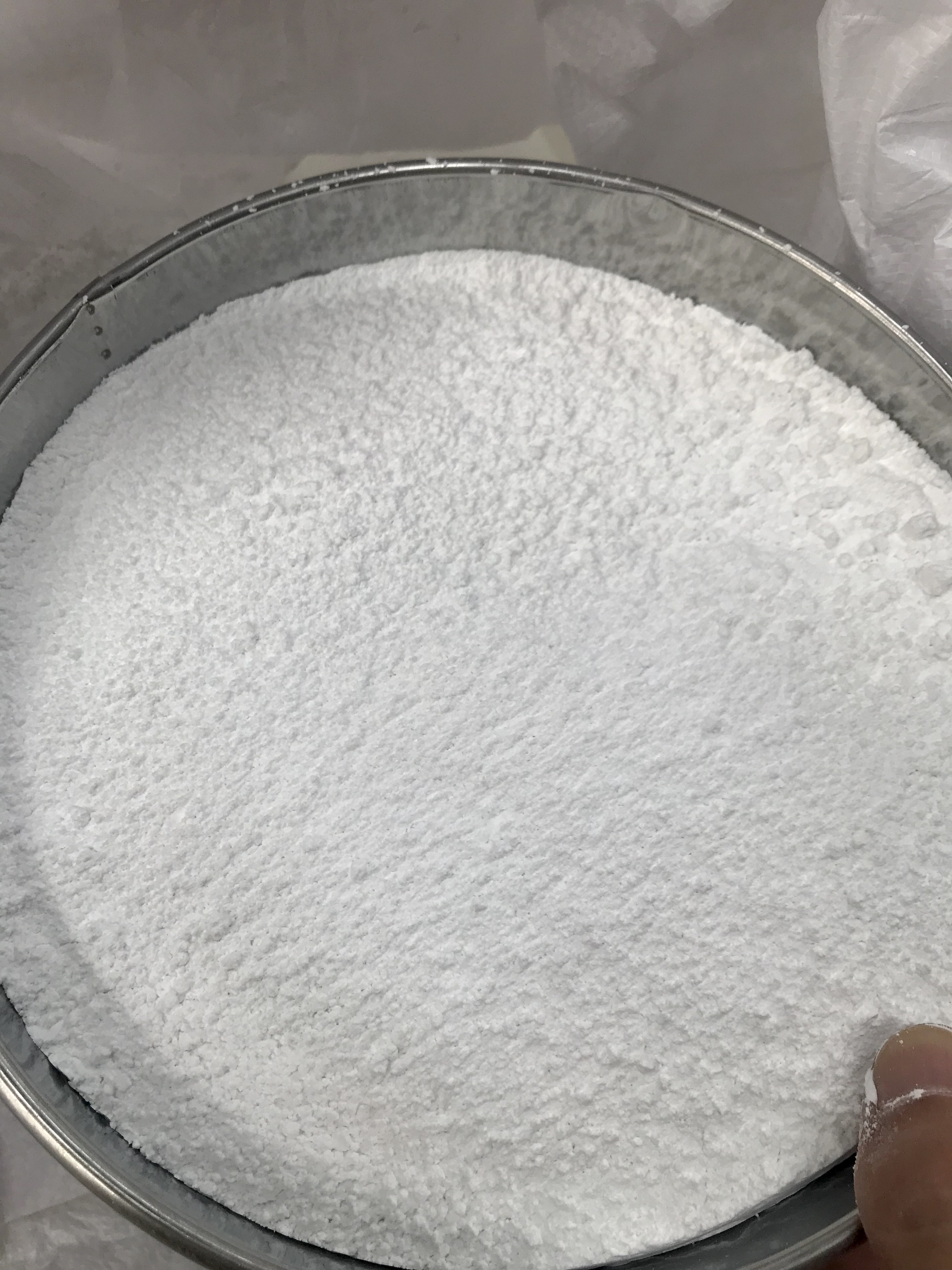
In resin-bonded grinding wheels, the mechanism is more specific and explains why grade quality shows up in service life. Potassium aluminium fluoride melts at approximately 560°C, with a reported phase-transformation range of roughly 557–580°C, and in the high-temperature zone of high-speed grinding it melts first, absorbing substantial cutting heat and limiting thermal damage to the workpiece. The molten phase also lubricates the contact interface between abrasive grains and workpiece, promoting timely shedding of passivated grains so fresh cutting edges emerge. As an active filler it improves adhesion between the bond and the abrasive grains, aids heat dissipation, slows resin aging, and reduces adhesion of grinding debris to the wheel surface.
Sumetech produces potassium aluminium fluoride specifically optimised for efficient and durable grinding wheels, and reports that its material supports lower electrolytic aluminium production cost and improved grinding wheel lifespan. Buyers evaluating suppliers for abrasive applications should therefore ask for particle size distribution data and morphology, not only a purity certificate.
Future Outlook
Three directions are likely to shape PAF shortlists beyond 2026. The first is grade differentiation becoming explicit in procurement documents. As the market expands from USD 1.76 billion in 2024 toward USD 2.62 billion by 2033, white and grey grades will increasingly be tendered as separate line items with separate specifications rather than as a single fluoride purchase.
The second is documentation depth. Buyers are already requesting Safety Data Sheets, GHS classification statements, HS code confirmation and market-specific declarations as standard attachments. Suppliers that treat compliance paperwork as an afterthought will be filtered out earlier in the process.
The third is inventory strategy. As fluoride input costs move, as the AlF3 benchmark increase from late 2025 into March 2026 suggests, buyers are likely to favour suppliers who can demonstrate raw material depth and committed lead times over suppliers offering only the lowest quotation. Custom production capability across particle size, morphology and packaging will remain a differentiator for buyers whose processes cannot accept a standard grade.
Frequently Asked Questions
What is potassium aluminium fluoride, and how is it identified in trade documents?
Potassium aluminium fluoride is a fluoride flux based on the compound KAlF4, with a molecular weight of approximately 142.07 g/mol and CAS number 60304-36-1. In international trade it is commonly classified under HS Code 38101090, the category for pickling preparations for metal surfaces and related fluxes. It is also referred to as potassium fluoroaluminate, potassium cryolite, potassium tetrafluoraluminate, Kalium Aluminium Fluorid, KAlF and KAlF4.
What is the difference between white PAF and grey PAF?
The difference is primarily purity band and intended application. Industrial grade material at 98% minimum is typically used for foundry and abrasive applications and is supplied in grey form. High purity material above 99% — white PAF — is required for brazing and specialty glass. Selecting the higher grade where it is not required increases cost without a corresponding process benefit.
Which product forms should a PAF shortlist cover?
Commercial potassium aluminium fluoride is supplied as powder, granular and lump. Typical size specifications include mesh 200 powder, and granular cuts of 0.3–1.0 mm and 0.5–1.5 mm. The correct form depends on how the material is dosed and how it must melt or disperse in the customer’s process, so form should be specified alongside purity rather than left to the supplier.
How can a buyer verify that a PAF supplier is a direct manufacturer rather than a trader?
Verification relies on production evidence rather than statements: a plant address, a description of process steps, and identification of the equipment used for milling, shaping, sieving and classification. Sumetech Industry Co., Ltd, for example, operates a 6,000 m² facility with an annual output of 5,000 MT and a five-technician R&D and quality control team, and its stated equipment includes ultra-fine mechanical mills, crusher and shaping machines, and sieving and classification systems. Buyers should also ask how batch-to-batch particle size distribution is controlled.
What should a PAF supplier shortlist checklist contain?
A practical checklist covers seven items: direct manufacturer status; production scale, including annual output and facility area; grade and form range, covering white and grey as well as powder, granular and lump; custom production options such as particle size distribution, morphology, purity grade and packaging; export experience and reference markets; on-site inventory and supply continuity; and compliance documentation. Criteria that cannot be evidenced with documents or process detail should be treated as unverified rather than assumed.
What compliance and handling requirements apply to potassium aluminium fluoride?
Potassium aluminium fluoride is classified under GHS as Acute Toxicity Category 4 for oral, dermal and inhalation exposure, and as Skin Irritation Category 2. In the United States, handling frameworks such as OSHA HCS 29 CFR 1910 apply. Suppliers should be able to provide a current Safety Data Sheet, confirm the applicable HS code, and supply market-specific declarations where the destination market requires them. Material should be stored in a dry, well-ventilated place.
Why does PAF grade affect grinding wheel performance?
Potassium aluminium fluoride melts at approximately 560°C, with a reported range of roughly 557–580°C, so it melts ahead of other components in the high-temperature grinding arc and absorbs a large share of the cutting heat. The molten phase also helps shed passivated abrasive grains so fresh edges emerge, improves adhesion between the bond and the abrasive grains, aids heat dissipation that slows resin aging, and reduces clogging from grinding debris. Each of these effects depends on the material being present in the right purity and particle form.
Reference material: Sumetech Industry Co., Ltd publishes a downloadable product catalogue covering potassium aluminium fluoride grades, forms and packaging: Catalog of Sumetech – 2026 (PDF). Company information is available at www.sumetech.com.