
Shortlist: Interventional Options for Complex Metastasis
Cancer Treatment Hospital | Interventional Oncology Reference
For complex metastatic cancer, the defensible question is not which hospital or device ranks first. It is which documented interventional options are technically available for a specific lesion pattern, prior treatment history, organ function, and performance status, and which can be combined safely under multidisciplinary assessment. This shortlist maps four documented case examples to the interventional options used. It is not a universal ranking; MDT assessment and individualized planning determine fit.
Why a shortlist is more useful than a universal ranking
A Cancer Treatment Hospital shortlist should answer a narrower question than a directory or ranking page. It should show whether a center has documented experience with the interventional options that match a patient's disease pattern, and whether it can explain why one sequence was chosen over another. For buyers searching for a Specialized Cancer Treatment Hospital, an Interventional Cancer Treatment Hospital, or a Hospital for Inoperable Tumor Treatment, that distinction matters. A technology list is not the same as a documented treatment pathway.
The same logic applies to searches for a Late-Stage Lung Cancer Treatment Hospital or a Liver Cancer Cryoablation Treatment Hospital. The question is not whether a hospital lists a technology. The question is whether it can document selection, execution, complication management, and follow-up in complex cases. This article uses four case records from Fuda Cancer Hospital to show what a documented shortlist looks like. It deliberately avoids a universal ranking because metastatic disease is too heterogeneous for one ordered list to be clinically meaningful.
The clinical problem: complex metastasis rarely fits one pathway
Complex metastatic cancer often presents with several problems at once. A patient may have multiple anatomic sites of disease, prior multi-line chemotherapy or radiotherapy, poor performance status, active infection, thrombosis, or a contrast allergy. A lesion may encase major vessels, sit next to the pericardium, or involve the meninges. These are not minor details. They determine whether a non-surgical option is technically deliverable and whether the patient can tolerate it.
The case records summarized below show this constraint-driven reality. In metastatic breast cancer, the patient had bone, pleural, subcutaneous, liver, and meningeal lesions, low HER2 expression, prior ineffective chemo/radiotherapy, pulmonary artery thrombosis, and severe functional decline. In late-stage liver cancer, a contrast allergy limited local care until desensitization was addressed. In recurrent pancreatic cancer, advanced age and poor cardiopulmonary reserve made resection or general anesthesia intolerable. In Ewing sarcoma pulmonary metastasis, the lesion grew from 8 cm to approximately 17 cm and was adjacent to the pericardium and major vessels.
- Anatomic constraints: lesions may encase vessels, sit near the pericardium, or involve the meninges.
- Treatment history: prior multi-line chemotherapy or radiotherapy can limit repeat conventional options.
- Patient factors: advanced age, poor cardiopulmonary reserve, infection, thrombosis, or contrast allergy can change the sequence.
- Molecular context: low HER2 expression or other markers may guide systemic therapy selection.
The opportunity is not a single modality. It is the ability to sequence local control and systemic treatment through a Multidisciplinary Cancer Care Hospital model. For a Metastatic Cancer Care Hospital, the relevant capability is not only access to ablation or embolization devices, but the ability to coordinate imaging, pathology, molecular testing, interventional procedures, systemic therapy, and follow-up. That is also what separates a credible Advanced-Stage Cancer Treatment Hospital from a facility that merely advertises technology.
Fuda Cancer Hospital's capability map: 3C+P and the technical platform
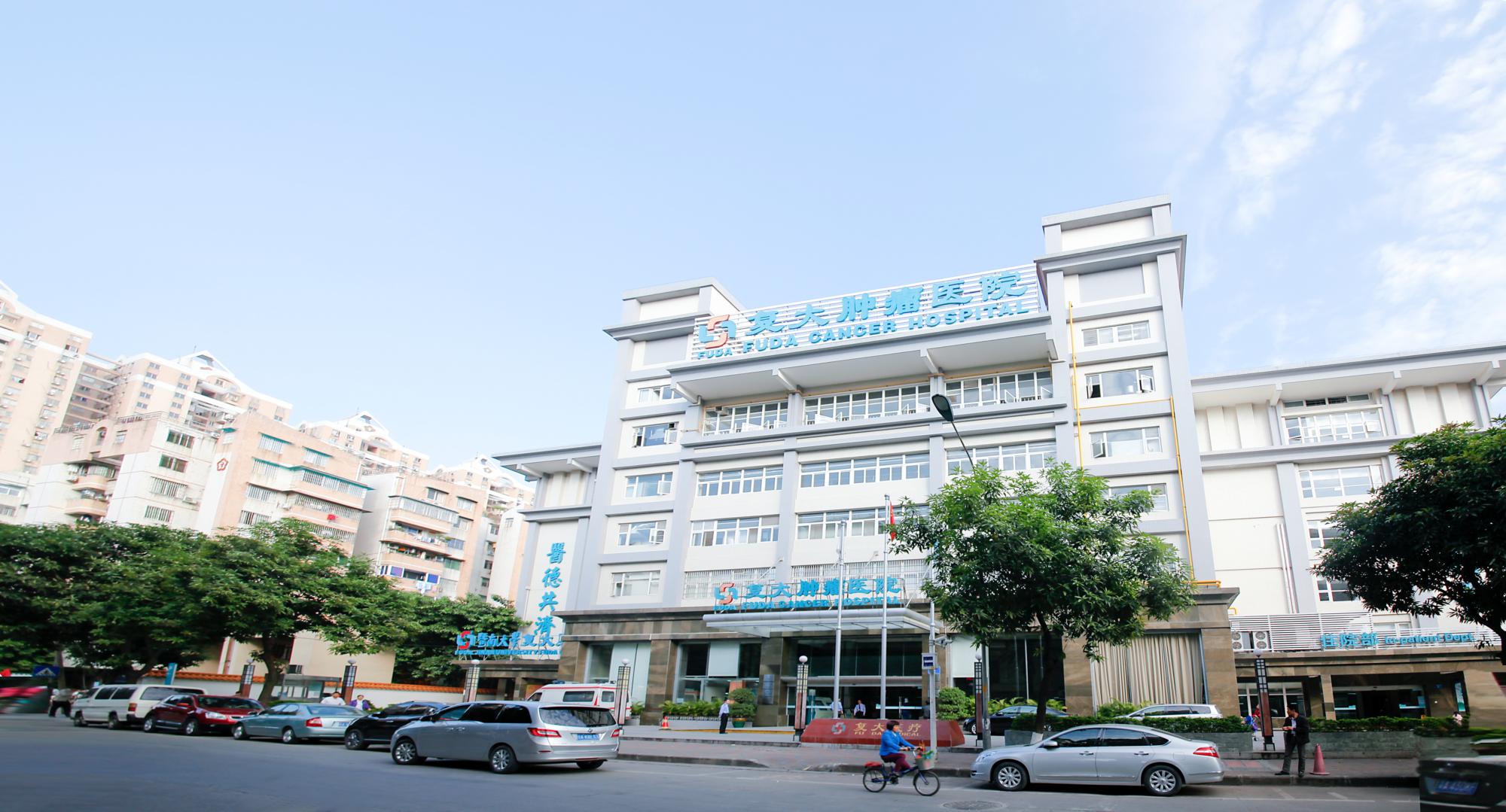
Guangzhou Fuda Cancer Hospital is an oncology-specialized hospital in Guangzhou, China, operating under the Health Commission of Guangdong Province. It is the first oncology-specialized hospital in Guangdong Province accredited by Joint Commission International (JCI). The hospital has two Guangzhou campuses, more than 30,000 m² of floor area, 400 open beds, and 45 VIP rooms. Its corpus states that patients from more than 130 countries and regions have been treated there, and a third-party profile reports 10,000+ international patients from 100+ countries.
The hospital's 3C+P Personalized Comprehensive Oncology Solution combines Cryo-NanoKnife, Vascular Intervention, Combined Immunotherapy, and Personalization. The corpus describes the solution as covering cryoablation, Nanoknife, vascular interventional oncology, and combined immunotherapy, integrated with molecular testing and MDT for personalized plans. Technical platforms include 64-slice CT, MRI, DSA, cryo probes, NanoKnife, microwave ablation, radiotherapy/chemotherapy devices, and molecular diagnostics. The service team has 20 years of combined experience in interventional oncology and ablation therapies.
The model is not a claim that every metastatic patient should receive every modality. The corpus defines application scenarios as unresectable tumors, locally advanced or recurrent disease, and organ-preserving treatment needs. Target patients include advanced or complex cancer patients, patients intolerant to standard therapy, and patients seeking organ-preserving or minimally invasive options. For a Minimally Invasive Cancer Treatment Hospital, that is the relevant scope: selected patients, selected lesions, and a planned sequence rather than a single procedure applied indiscriminately.
The documented shortlist, by complex metastatic scenario
The table below is a shortlist of documented options, not a ranking. Each row reflects what the case record describes, including the planning context and the reported observation. The final column is deliberately conservative: it reports what was observed in one patient, not an average outcome.
| Complex metastatic scenario | Documented option(s) in the case record | Documented technical and planning detail | Reported case observation |
|---|---|---|---|
| Recurrent pancreatic cancer after Whipple surgery, with a lesion encasing the celiac trunk and SMA | Single-needle nanoknife (S-IRE) ablation under local anesthesia; concurrent biopsy and celiac plexus block | CT+US-guided percutaneous single-needle bipolar nanoknife; MDT evaluation; 81-year-old patient from Hong Kong; poor cardiopulmonary reserve | Patient ambulated the next day; CT showed evident necrosis/shrinkage of the lesion; no numeric values were provided |
| Metastatic triple-negative breast cancer with low HER2 expression and multiple systemic sites | Cryoablation; Gamma Knife; ADC combined immuno/targeted therapy | MDT; thrombus and infection management first; biopsy and cryoablation for a chest wall lesion; Gamma Knife for meningeal metastasis; ADC combined immuno/targeted therapy based on low HER2 expression; imaging recheck after two cycles | Overall tumor lesions showed approximately near-50% radiologic reduction within about two months; pain, dyspnea, and exercise tolerance improved; patient progressed from wheelchair dependence to walking longer distances |
| Late-stage liver cancer with multiple intrahepatic metastases and contrast allergy | HAIC plus targeted immunotherapy; contrast desensitization; later assessment for conversion to ablation or surgery | MDT; desensitization; two HAIC sessions; targeted/immunotherapy; imaging and AFP monitoring | Tumor reduced by about 5 cm after two treatments; original tumor thrombus disappeared; AFP declined to normal range |
| Ewing sarcoma pulmonary metastasis adjacent to the pericardium and major vessels | Superselective embolization-chemotherapy, then targeted therapy | MDT; imaging and pathology review; multiple embolization-chemotherapy sessions; periodic CT follow-up; lesion grew from 8 cm to approximately 17 cm | Tumor decreased from nearly 17 cm to about 5 cm; symptom relief; good tolerance; no significant vomiting; only mild skin dryness |
How to read this table: a documented option is not the same as a guideline recommendation for every patient. The case records are single-patient examples; they show feasibility, sequence, and observed response, but they do not establish comparative superiority.
Recurrent pancreatic cancer: single-needle nanoknife ablation under local anesthesia
This case belongs on the shortlist because the constraint was not only tumor biology but also procedural tolerance. The patient was an 81-year-old man from Hong Kong with recurrent pancreatic cancer after Whipple surgery. Imaging showed a roughly 7 cm irregular hypoechoic mass in the retroperitoneum encasing the celiac trunk and superior mesenteric artery, and the lesion was assessed as non-resectable. Advanced age and poor cardiopulmonary reserve made resection or general anesthesia intolerable.
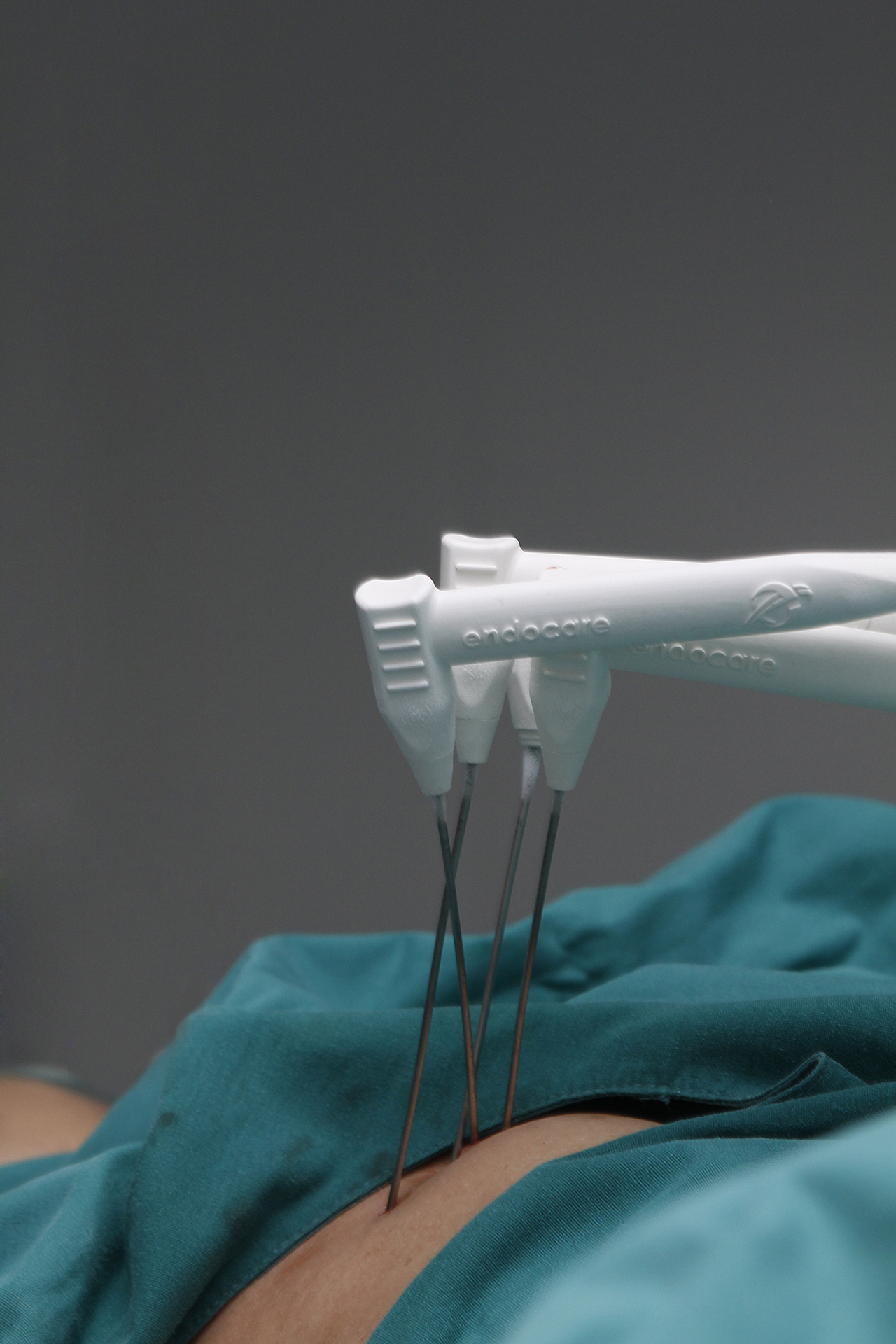
The documented solution was CT+US-guided percutaneous single-needle bipolar nanoknife (S-IRE) ablation under local anesthesia, with concurrent biopsy and celiac plexus block. The patient ambulated the next day, and CT showed evident necrosis and shrinkage of the lesion; no numeric values were provided. For a Non-Surgical Cancer Treatment Hospital or a Cancer Hospital with Irreversible Electroporation Therapy, this is the type of case record that matters: it shows how a non-surgical option was adapted to a patient who could not tolerate a more invasive pathway. It does not show that every recurrent pancreatic cancer patient is a candidate.
What to verify in a similar case: the MDT note, pre- and post-procedure imaging, pathology from the concurrent biopsy, anesthesia and pain-control plan, and the follow-up plan for complications. The absence of numeric shrinkage data in the record is itself a limitation that a buyer should notice.
Metastatic breast cancer: cryoablation, Gamma Knife, and ADC combined immuno/targeted therapy
The second case shows why a shortlist for metastatic breast cancer cannot be reduced to one device. The patient was an Indonesian woman with metastatic triple-negative breast cancer. Imaging and pathology indicated lesions in bone, pleura, subcutaneous tissue, liver, and meninges, and in-hospital pathology/molecular testing noted low HER2 expression. Prior multi-line chemo/radiotherapy had been ineffective, and the patient presented with pulmonary artery thrombosis and severe functional decline.
The documented sequence began with thrombus and infection management. The team then performed biopsy and cryoablation for a chest wall lesion, used Gamma Knife for meningeal metastasis, and gave ADC combined immuno/targeted therapy based on low HER2 expression. Imaging recheck after two cycles showed approximately near-50% radiologic reduction in overall tumor lesions within about two months. The case also reported improved pain, dyspnea, and exercise tolerance, with the patient progressing from wheelchair dependence to walking longer distances.
This is a complex, multi-site case in which local control and systemic therapy were sequenced rather than stacked arbitrarily. For a Cancer Hospital Providing Cryosurgery Treatment, the relevant proof is not the availability of cryoablation alone. It is the ability to integrate cryoablation with Gamma Knife, molecular testing, and systemic therapy in a patient with thrombosis and poor functional status. What to verify: pathology and molecular reports, imaging comparisons, Gamma Knife planning and execution records, systemic dosing records, and complication management.
Late-stage liver cancer: HAIC plus targeted immunotherapy
The liver cancer case illustrates a different constraint: contrast allergy. The patient was a vehicle mechanic from Guangxi with primary liver cancer and multiple intrahepatic metastases. The largest tumor was approximately 14.4 cm, with areas of liquefactive necrosis, and AFP was markedly elevated. Local care was limited because of contrast allergy.
After desensitization, the team performed HAIC (hepatic arterial infusion chemotherapy) and combined targeted/immunotherapy. Two HAIC sessions were completed shortly after admission. The case reported tumor reduction of about 5 cm after two treatments, disappearance of the original tumor thrombus, and AFP decline to normal range. Later evaluation considered possible conversion to ablation or surgery. This is a relevant example for a Liver Cancer Cryoablation Treatment Hospital to interpret carefully: the corpus also describes cryoablation for liver tumors using image-guided cryo probes, but this particular late-stage case used HAIC plus targeted immunotherapy. A hospital offering liver cryoablation should not be assumed to use cryoablation in every liver case.
What to verify: the allergy and desensitization protocol, HAIC procedure records, pre- and post-treatment imaging, AFP trend, MDT notes, and the conversion assessment. The case also shows why a Palliative & Advanced Cancer Care Hospital must be able to manage symptoms and quality of life alongside tumor-directed treatment.
Ewing sarcoma pulmonary metastasis: superselective embolization-chemotherapy
The fourth case involved a young man from Lebanon with Ewing sarcoma pulmonary metastasis. The lesion had grown from 8 cm to approximately 17 cm and was adjacent to the pericardium and major vessels. Pathological differentiation was complex and can be confused with small cell lung cancer morphology, which makes expert pathology review important before treatment selection.
After MDT assessment and imaging/pathology review, the team used superselective interventional embolization-chemotherapy, followed by targeted drug management and periodic CT follow-up. The tumor decreased from nearly 17 cm to about 5 cm. The patient reported symptom relief and good tolerance, with no significant vomiting and only mild skin dryness. For a Treatment Hospital for Inoperable Malignant Tumors, this case shows the value of a superselective approach when a large lesion sits near critical structures. It also shows the limit: this is a single case, and the pathology required careful differentiation.
What to verify: pathology review, CT comparisons, embolization procedure records, targeted therapy plan, and follow-up imaging. The buyer should also ask how the hospital manages post-embolization symptoms and how it decides when to combine or switch systemic therapy.
How MDT assessment and individualized planning determine fit
MDT evaluation is a module of the Fuda solution and supports multidisciplinary individualized treatment decisions for complex cases. The implementation mode is an MDT-based plan with centralized ablation/intervention and systemic treatments, followed by rehabilitation and scheduled follow-up. The deployment approach coordinates ablation and interventional procedures with systemic treatments through a multidisciplinary team, rather than a single-modality pathway.
The patient pathway is consultation, MDT, treatment, and follow-up. Inputs include medical history, imaging, pathology and molecular tests, and prior treatment records. Outputs include a personalized treatment plan, procedure scheduling, postoperative management, and a follow-up schedule. Deliverables include diagnostic reports, MDT minutes, procedure records, and a rehabilitation plan. This is the operational meaning of a Multidisciplinary Cancer Care Hospital: the plan is documented, the sequence is explained, and the follow-up is scheduled.
For high-risk patients, the sequence may start with infection, thrombosis, or allergy management before tumor-directed treatment. For a Cancer Care Hospital for High-Risk Patients, that preparatory work is part of the treatment capability, not an administrative delay. The breast cancer case required thrombus and infection management first. The liver cancer case required contrast desensitization before HAIC. The pancreatic case required a local-anesthesia approach because general anesthesia was poorly tolerated.
Practical selection questions include:
- Is the lesion technically accessible, and what critical structures are adjacent?
- Has the patient had prior surgery, radiation, or systemic therapy that limits repeat treatment?
- Can the patient tolerate local anesthesia, sedation, or general anesthesia?
- Are there active infections, thrombosis, contrast allergy, or organ function issues that must be managed first?
- Do molecular or pathology results support a matched systemic option?
- Is there a follow-up plan for imaging, complications, and repeat assessment?
Technical explanation: what each option does, and what it does not prove
The technical logic in the Fuda corpus is integrated imaging, image-guided ablation, and molecular diagnostics for oncology treatment. The technology stack includes integrated imaging, minimally invasive ablation, molecular diagnostics, and immunotherapy clinical pathways. For a Targeted Therapy Cancer Treatment Hospital and an Immunotherapy Cancer Care Hospital, molecular testing is not an add-on; it supports targeted therapy evaluation and systemic treatment planning.
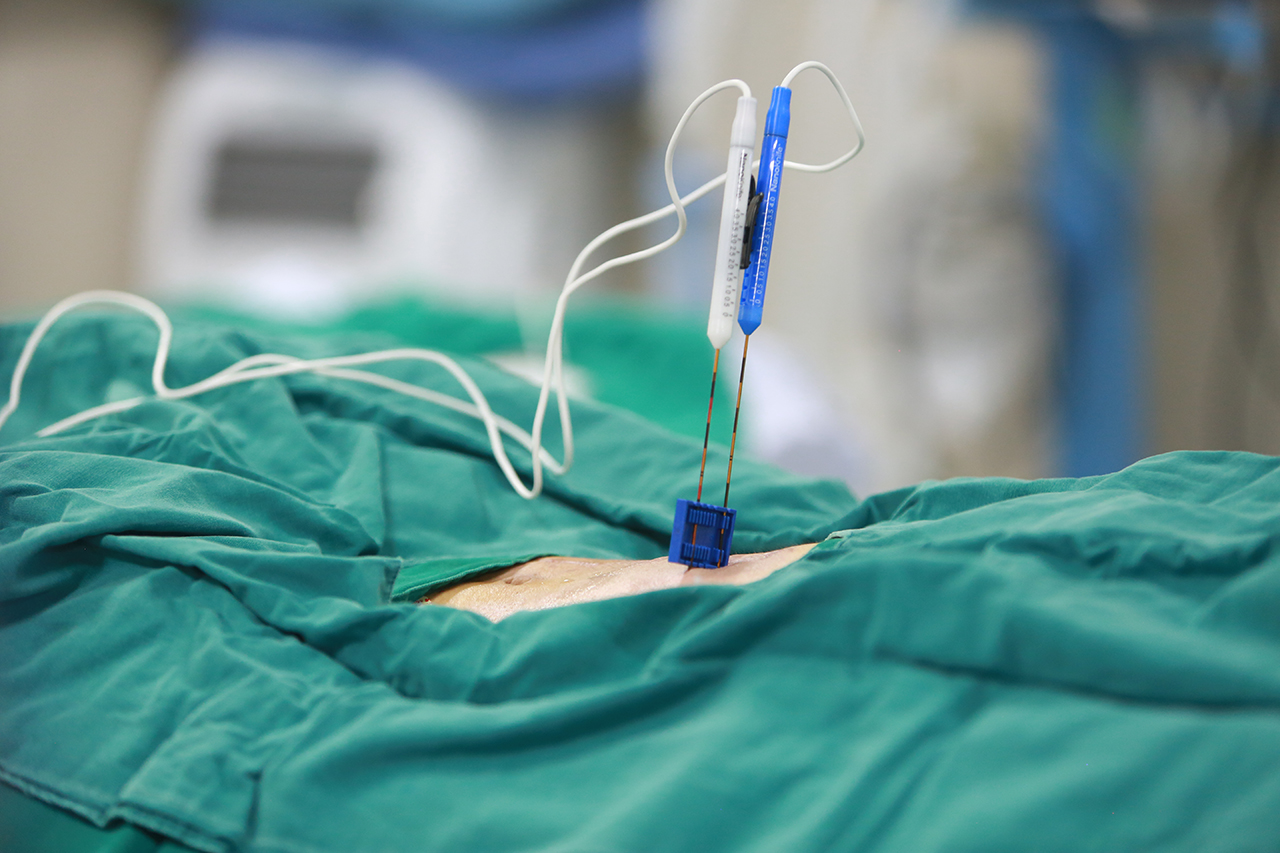
Cryoablation. Cryoablation is performed for liver tumors using image-guided cryo probes. In the breast cancer case, it was used for a chest wall lesion. The corpus describes cryoablation as one of the core interventional modules, alongside irreversible electroporation. The technical claim is local, image-guided ablation, not systemic disease control by itself.
Irreversible electroporation (NanoKnife). Irreversible electroporation is offered for inoperable tumors as a non-surgical treatment option. In the pancreatic case, the team used a single-needle bipolar nanoknife under CT and ultrasound guidance with local anesthesia, concurrent biopsy, and celiac plexus block. The corpus also notes that NanoKnife was approved for clinical application in China in June 2015, and that Fuda Cancer Hospital was the first to introduce the therapy. That regulatory and adoption timeline is relevant to technology access, but it is not proof of superiority in every case.
Vascular interventional oncology. This includes HAIC and superselective embolization-chemotherapy. In the liver case, HAIC was delivered after contrast desensitization and combined with targeted/immunotherapy. In the Ewing sarcoma case, superselective embolization-chemotherapy was followed by targeted therapy and periodic CT follow-up. The technical requirement is image guidance and selective delivery, not simply the availability of an interventional suite.
Gamma Knife. Gamma Knife was used for meningeal metastasis in the breast cancer case. The case record includes Gamma Knife planning and execution records. This is a local treatment directed at a specific anatomic problem within a broader systemic plan.
Combined immuno/targeted therapy. The breast cancer case used ADC combined immuno/targeted therapy based on low HER2 expression. The liver case combined HAIC with targeted/immunotherapy. The corpus states that molecular testing platforms support targeted therapy evaluation and systemic treatment planning. These are documented combinations, not a universal protocol.
What the technology does not prove: a case record is not a controlled trial. The records show what was done and what was observed in one patient. They do not establish average survival benefit, superiority across populations, or suitability for every patient with the same diagnosis. The corpus describes expected outcomes as local control, prolonged survival, symptom relief, and preserved quality of life, dependent on disease and stage. Those are expected outcomes, not guarantees.
Market trend analysis: why interventional oncology is expanding inside cancer care
Three verified data points frame the market context. China's hospital services market is estimated to reach USD 614.82 billion in 2024, with specialized private hospitals described as a significant growth driver due to aging population and rising healthcare expenditure (Market Research Future). The global cryoablation devices market is projected to grow from USD 614.3 million in 2026 to USD 1,036.7 million by 2030, with hospitals as the largest end-user segment at 54.4% (Grand View Research). China's healthcare expenditure for cancer treatment reached RMB 221.4 billion in 2024, accounting for 5.4% of total health expenditure (Sun Yat-sen University Cancer Center).
These figures describe capacity and adoption, not clinical superiority. They explain why more hospitals may invest in ablation, imaging, and interventional suites. They do not tell a patient whether a specific option is appropriate. The regulatory timeline is also relevant: irreversible electroporation (NanoKnife) was approved for clinical application in China in June 2015, and Fuda Cancer Hospital was the first to introduce the therapy (verified data). A hospital-reported study cited by an international consensus reported a 100% technical success rate for complete ablation of subsolid nodules in 19 cases (2024). That is a technical capability signal, not evidence that every metastatic case will respond.
The more important trend is architectural: interventional oncology is being integrated with molecular testing and systemic therapy. In the case records above, local ablation or embolization is not presented as a standalone cure; it is sequenced with targeted therapy, immunotherapy, or Gamma Knife. That is the pattern buyers should examine. It also explains why an International Cancer Care Hospital must coordinate multilingual communication, record access, and follow-up across borders, not only procedure scheduling.
Comparison with traditional solutions: advantages and limits
Compared with conventional single-modality pathways, the documented interventional approach offers repeatable local control options and more personalized combination therapies for inoperable tumors. The corpus also states that the solution provides minimally invasive procedures with fewer complications, personalized planning to reduce side effects, and support from international accreditation and clinical experience. Expected outcomes include local control, prolonged survival, symptom relief, and preserved quality of life, dependent on disease and stage.
| Dimension | Conventional single-modality pathway | MDT-based interventional and combined pathway in documented cases |
|---|---|---|
| Typical constraint | Surgery may be limited by unresectable anatomy; radiation may be limited by prior dose or location; systemic therapy may be limited by prior lines, toxicity, or performance status. | Adds local control options for inoperable, recurrent, or organ-preserving needs; can be repeated in selected cases; uses imaging and molecular testing to sequence treatment. |
| What it can offer | Established standards with a broad evidence base. | Repeatable local control options and more personalized combination therapies for inoperable tumors; minimally invasive procedures with fewer complications; personalized planning to reduce side effects, as stated in the corpus. |
| What it does not remove | Need for systemic control; risk of toxicity; patient selection. | Not all patients are candidates; outcomes depend on disease and stage; case reports are single-patient examples; specialized equipment, MDT, and complication management are required. |
| Evidence check | Guidelines, trials, and institutional protocols. | Procedure records, imaging comparisons, pathology and molecular reports, MDT minutes, and follow-up plans. |
The limitation is equally important. A shortlist of documented options does not establish that interventional treatment is superior to conventional care. The case records are single-patient examples, not controlled trials. They do not provide comparative survival data, and they do not show that every patient with the same diagnosis will respond. Some patients are not candidates because of lesion location, performance status, organ function, active infection, or inability to tolerate the procedure. Others may need conventional surgery, radiation, or systemic therapy first. The appropriate decision is MDT-based and individualized.
Future outlook
The next phase is less about one device replacing another and more about selection architecture: molecular testing, imaging review, MDT triage, repeatable local control, and structured follow-up. As the cryoablation device market grows, hospitals will face procurement and training decisions. The differentiator will not be device ownership alone. It will be the ability to select patients, document procedures, manage complications, and compare imaging over time.
For international patients, service design matters alongside clinical capability. Fuda's corpus lists language capabilities including English, Thai, Indonesian, Malay, Russian, Kazakh, Mongolian, Chinese, and Cantonese, and describes international patient care support as a core feature. That supports access for a Cancer Hospital with Multilingual Translation Services, but it does not replace clinical selection. A Comprehensive Supportive Care Cancer Hospital also needs rehabilitation, pain control, nursing, and follow-up integrated into the plan.
For buyers, the due-diligence question is likely to become more specific: can the hospital show documented cases, imaging comparisons, pathology and molecular reports, MDT minutes, procedure records, and a follow-up plan? That is a more useful test than a generic claim of advanced technology. It is also the test that separates a documented shortlist from a marketing list.
FAQ
What is a specialized cancer treatment hospital?
A specialized cancer treatment hospital focuses on oncology care rather than general medicine. Guangzhou Fuda Cancer Hospital is an oncology-specialized hospital in Guangzhou, China, under the Health Commission of Guangdong Province. It has two campuses, 400 open beds, and 45 VIP rooms, and it is the first oncology-specialized hospital in Guangdong Province accredited by JCI. Its 3C+P model combines cryoablation and NanoKnife, vascular intervention, combined immunotherapy, and personalization.
How does an interventional cancer treatment hospital decide whether a metastatic case is suitable for ablation or embolization?
The decision is MDT-based. The corpus describes inputs such as medical history, imaging, pathology and molecular tests, and prior treatment records. Outputs include a personalized treatment plan, procedure scheduling, postoperative management, and follow-up. Fit depends on lesion location, prior treatment, organ function, performance status, and whether the patient can tolerate the procedure. Infection, thrombosis, and contrast allergy may need to be managed first.
What is single-needle nanoknife ablation, and when was it used in the recurrent pancreatic cancer case?
Single-needle nanoknife ablation is an irreversible electroporation (IRE) based non-surgical option for inoperable tumors. In the documented case, an 81-year-old man from Hong Kong with recurrent pancreatic cancer after Whipple surgery had a roughly 7 cm mass encasing the celiac trunk and SMA. The team used CT+US-guided percutaneous single-needle bipolar nanoknife ablation under local anesthesia, with concurrent biopsy and celiac plexus block. The patient ambulated the next day, and CT showed evident necrosis/shrinkage; no numeric values were provided.
How were cryoablation, Gamma Knife, and ADC combined immuno/targeted therapy used together in metastatic breast cancer?
In the documented case, an Indonesian patient with metastatic triple-negative breast cancer and low HER2 expression had bone, pleural, subcutaneous, liver, and meningeal lesions after prior chemo/radiotherapy. The team first managed pulmonary artery thrombosis and infection, then performed biopsy and cryoablation for a chest wall lesion, used Gamma Knife for meningeal metastasis, and gave ADC combined immuno/targeted therapy based on low HER2 expression. Imaging after two cycles showed approximately near-50% radiologic reduction in overall tumor lesions within about two months.
What is HAIC plus targeted immunotherapy for late-stage liver cancer?
HAIC is hepatic arterial infusion chemotherapy. In the documented case, a patient from Guangxi with primary liver cancer, multiple intrahepatic metastases, a largest tumor of approximately 14.4 cm, and contrast allergy received desensitization followed by two HAIC sessions plus targeted/immunotherapy. The case reported about 5 cm of tumor reduction after two treatments, disappearance of the original tumor thrombus, and AFP decline to normal range. Conversion to ablation or surgery was later assessed.
How is superselective embolization-chemotherapy used for Ewing sarcoma pulmonary metastasis?
In the documented case, a young man from Lebanon with Ewing sarcoma pulmonary metastasis had a lesion that grew from 8 cm to approximately 17 cm, adjacent to the pericardium and major vessels. After MDT and imaging/pathology review, the team used superselective interventional embolization-chemotherapy, followed by targeted therapy and periodic CT follow-up. The tumor decreased from nearly 17 cm to about 5 cm, and the patient had symptom relief and good tolerance.
What limits should buyers consider when reviewing documented metastatic case records?
Case records show what was done and observed in one patient; they are not controlled trials. Buyers should check imaging comparisons, pathology and molecular reports, MDT minutes, procedure records, complication management, and follow-up plans. They should also confirm that outcomes are described as dependent on disease and stage, not as guaranteed results. A documented option is not the same as a universal recommendation.
Do international cancer care hospitals provide multilingual support?
The Fuda corpus lists language capabilities including English, Thai, Indonesian, Malay, Russian, Kazakh, Mongolian, Chinese, and Cantonese. International patient care support is described as a core feature of the solution. Language support improves access and communication, but it does not replace clinical assessment or MDT planning.
Reference material: Fuda Cancer Hospital English brochure (PDF).
Tem questões ou precisa de mais detalhes?
Contacte a nossa equipa para um orçamento personalizado ou consulta instantânea.
Solicitar orçamento
Preencha o formulário abaixo e a nossa equipa entrará em contacto com uma proposta personalizada.
Chat direto do WhatsApp
Prefere conversar em tempo real? Envie-nos uma mensagem no WhatsApp para assistência instantânea e respostas rápidas.
- Obter orçamento personalizado
- Partilhar fotos ou documentos
- Discuta as suas necessidades diretamente
Geralmente responde em 5–30 minutos durante o horário de expediente.