
Silica Procurement FAQ: Pilot Trials, pH, Oil Absorption
A compliant certificate of analysis is an entry condition, not proof of performance. Four technical questions decide most silica powder purchases — and most of the disputes that follow them.
Silica powder — silicon dioxide, CAS 7631-86-9, labelled E551 in the European Union — is normally dosed between 0.1% and 2% of a finished formulation. At that level it is easy to treat as a commodity line item. In practice it decides whether a seasoning blend still pours after a humid season, whether a liquid flavour can be converted into a free-flowing powder, and whether a vitamin premix keeps its colour through shelf life.
This industry reference is written for procurement and technical teams at food, pharmaceutical, feed and industrial processors who are evaluating a grade before committing to a purchase order. It answers the four questions that most often delay a decision or trigger a complaint after delivery: whether a pilot trial is genuinely necessary, why pH matters to a formulation, what oil absorption actually measures, and what to do when a shipment arrives with off-odor, moisture or caking.
Short answers
- Pilot trials: a certificate of analysis confirms chemical compliance, not finished-product performance. Two grades with similar specifications can behave differently in the same formulation.
- pH: standard food grades sit at a near-neutral pH of 6.5–6.8; acidic grades such as G300 sit at pH 2.6. Mismatch can degrade vitamins, enzymes and active pharmaceutical ingredients.
- Oil absorption: the dibutyl phthalate (DBP) value measures how much liquid a grade can carry. Reference values run from roughly 80 for fine flow grades such as W1FP to around 250 for carrier grades such as W244FP.
- Arrival complaints: off-odor, caking and pH imbalance are usually traceable to packaging, transport, storage or grade selection — not to the chemistry of silicon dioxide itself.
What a specification sheet can and cannot confirm
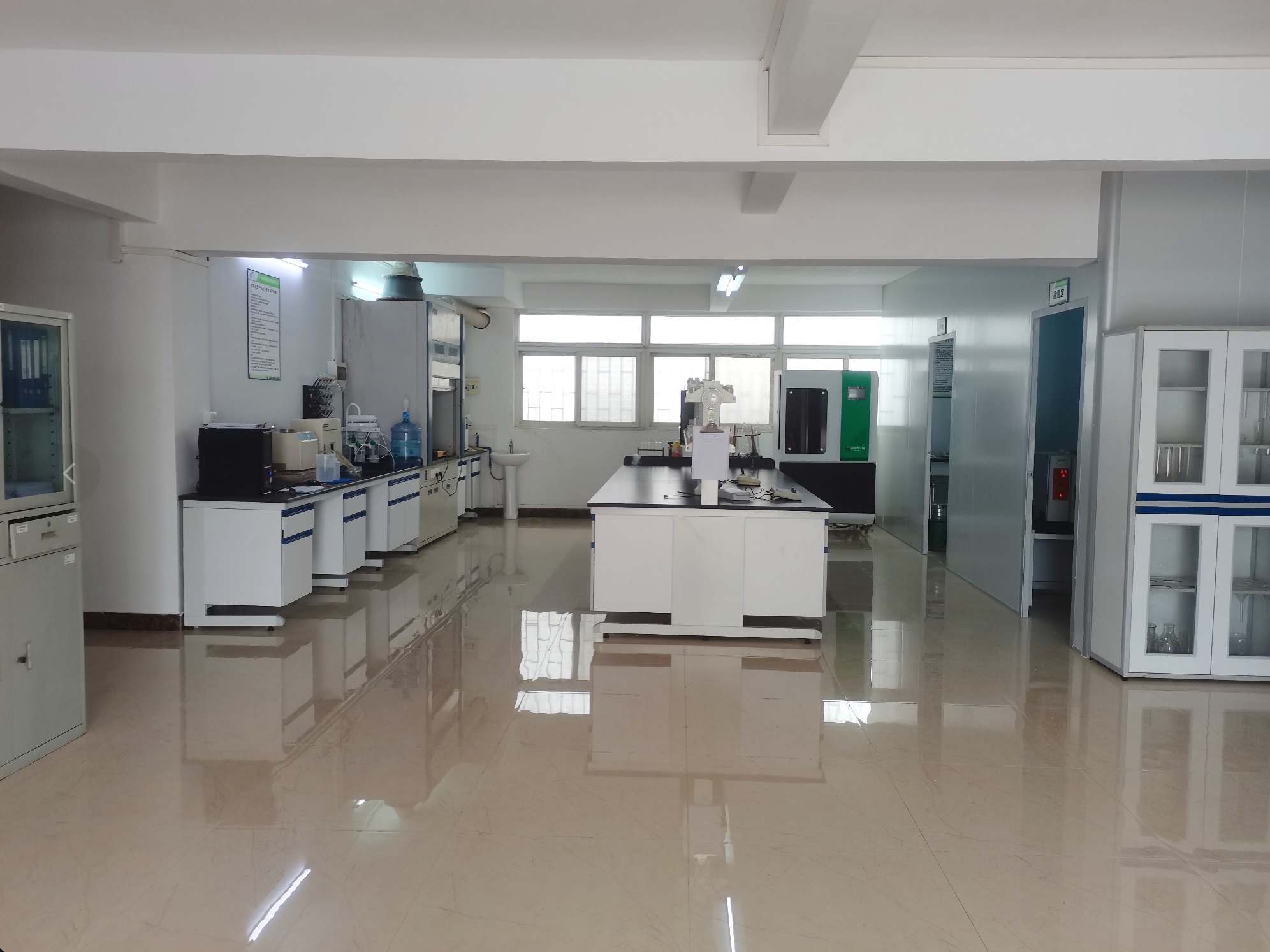
A certificate of analysis confirms that a batch met the limits of a chosen standard — GB 25576-2020 in China, FCC or USP-NF in the United States, EU Regulation 231/2012 for E551, or the JECFA monograph for INS 551. Each of these standards controls purity, moisture, pH range and heavy metals. None of them controls how the powder will behave inside a specific mixer, at a specific dose, in a specific base powder.
In-spec raw material parameters only mean chemically compliant. End performance is also affected by formulation, process and equipment. This is why the same grade can be described as excellent by one buyer and unworkable by another without either party being wrong.
| Parameter | What it actually indicates | What it does not tell you |
|---|---|---|
| SiO₂ content (typically ≥99%; pharmaceutical grades ≥99.5%) | Purity and chemical inertness of the batch | How evenly the powder disperses in your blender |
| Loss on drying (LOD, 105 °C) | Free moisture already carried by the product | Whether your base powder will cake during storage |
| pH (4% slurry) | Acidity or alkalinity of the grade | Compatibility with every active in the formula |
| Oil absorption (DBP value) | Liquid-carrying capacity of the pore structure | The loading rate a carrier application will tolerate |
| BET specific surface area | Porosity and adsorption potential | Dusting behaviour on your filling line |
| D50 median particle size | Fineness of the powder | Mouthfeel or sediment behaviour in your dispersion |
Table 1. Specification parameters and their decision limits. Values reflect the product documentation for the grades referenced in this article.
Question 1: Why is a pilot trial necessary before committing to a grade?
A certificate of analysis does not guarantee finished-product performance. A grade can meet GB 25576-2020, FCC or USP-NF limits and still behave differently from the incumbent material — in flow, in colour, in dispersion, or in how much liquid it will hold before the powder turns from free-flowing to sticky.
This matters most during import substitution. When a buyer replaces an established grade with a new one, the commercial saving is immediate but the technical risk is deferred to the first production run. A pilot trial moves that risk forward, into a stage where it costs a few kilograms of material rather than a rejected batch.
What the trial should benchmark
- D50 — median particle size, measured by laser diffraction, to confirm fineness against the incumbent grade.
- Oil absorption (DBP) — titrated according to GB/T 5211.15, to confirm liquid-carrying capacity.
- pH — measured on a 4% slurry, to confirm compatibility with the formulation.
- Loss on drying (LOD) — measured at 105 ± 2 °C, to confirm the product is not adding moisture to the system.
- BET surface area — measured by nitrogen adsorption (GB/T 10722 or GB/T 19587), where adsorption or carrier performance is the objective.
A five-step pilot protocol
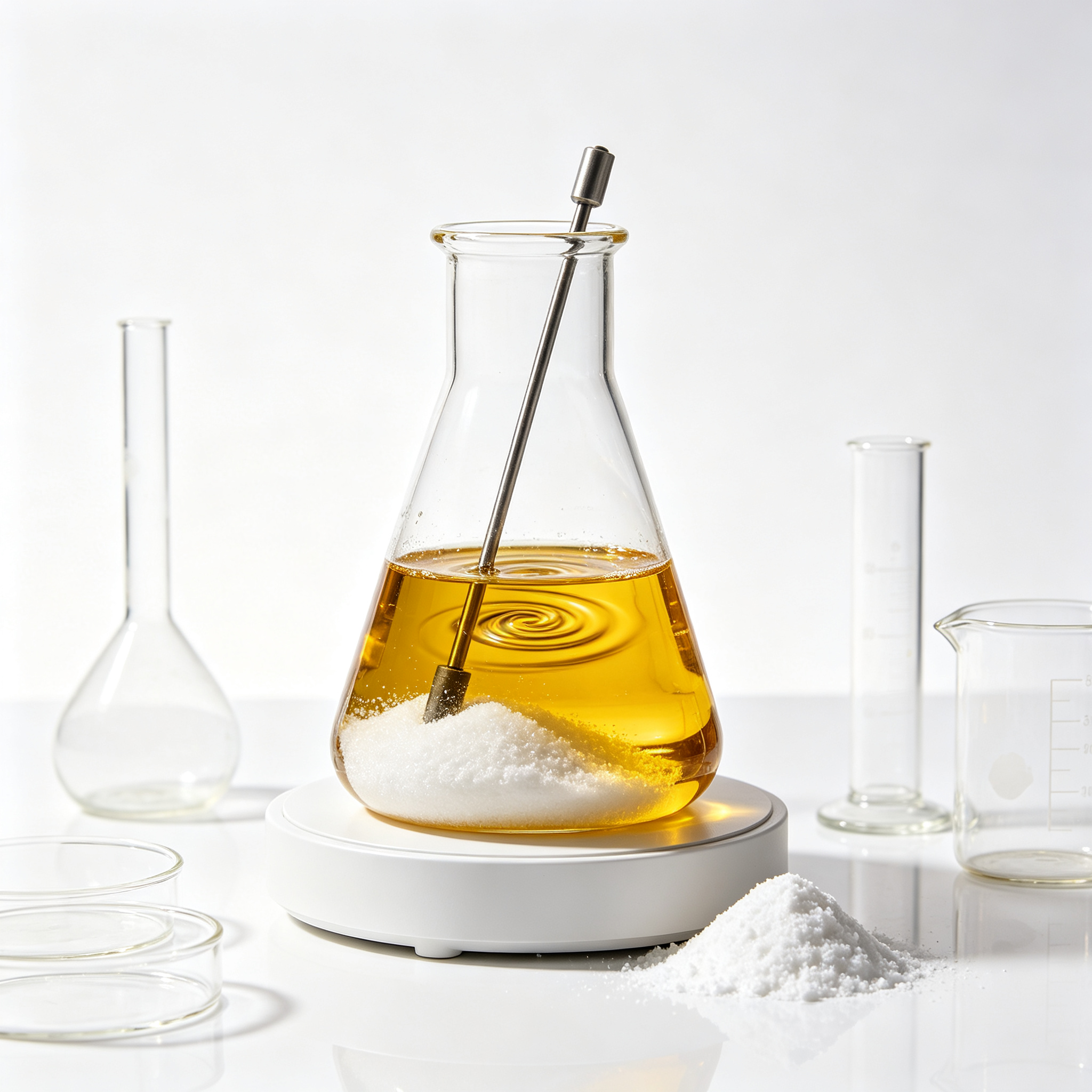
- Define the benchmark parameters: D50, oil absorption, pH and loss on drying.
- Run parallel tests at the same dosage as the original formulation, not at a convenient or rounded dose.
- Evaluate flowability, anti-caking performance, colour and solubility on the finished sample.
- Run accelerated stability testing at 40 °C / 75% RH for two to four weeks.
- Document the results and approve for scale-up only where performance is acceptable.
Pilot batches of 1–25 kg are normally sufficient. The pilot material must come from the same batch as the intended full-scale production, and trial samples should be sealed and retained for later comparison. Skipping the trial and moving straight to full production is the single most common cause of a failed switch.
Question 2: Why does pH matter, and which grade fits your system?
pH mismatch can degrade sensitive ingredients such as vitamins, enzymes and active pharmaceutical ingredients. B vitamins and vitamin C are less stable in alkaline conditions, while some active ingredients degrade in acidic conditions. Because silica is dosed at low levels but contacts the whole powder mass, a grade with the wrong pH can affect colour, potency and shelf life without any visible change in the powder itself.
Standard food-grade precipitated grades are supplied at a near-neutral pH of 6.5–6.8, which suits most neutral food and nutraceutical systems. Acidic systems require a different grade: G300 is mildly acidic at pH 2.6. The same logic applies in process applications — vegetable-oil adsorbent grades in the GZ series sit at pH 1.5–3.0, and beer-filtration grades in the W58G series at pH 2.5–4.0.
| Grade family | Typical pH | System it is designed for |
|---|---|---|
| Standard food-grade precipitated grades | 6.5–6.8 | Near-neutral food, nutraceutical and carrier systems |
| G300 | 2.6 | Mildly acidic formulations |
| GZ series (vegetable-oil adsorbent) | 1.5–3.0 | Edible-oil refining and adsorption steps |
| W58G series (beer filtration) | 2.5–4.0 | Beer and beverage clarification |
| Silica for salt (ZLSIL-A325) | 5.5–7.5 | Salt, seasoned salt and salt blends |
| Food-grade adsorbent series | 6.0–7.5 | Oils, beverages and food ingredients |
| Feed-grade series (ZLSIL-PF types) | 6.0–7.5 | Premixes, compound feed and pet food |
Table 2. pH ranges by grade family. Buyers should confirm the pH of the specific batch on the certificate of analysis, not only the family range.
If pH imbalance is suspected
- Use a pH 6.5–6.8 grade for neutral systems.
- Use an acidic grade such as G300 for acidic systems.
- Always run a pH compatibility trial before commercial production, particularly where vitamins, enzymes or active ingredients are present.
In the field, pH problems usually present as vitamin discoloration or active-ingredient degradation rather than as a visible defect in the silica. That makes the grade record the first document to check when a formulation behaves differently from the trial.
Question 3: What does oil absorption actually measure?
Oil absorption — reported as the DBP value — measures the pore capacity of a grade to take up oils and other liquids. It is expressed as millilitres or grams of dibutyl phthalate absorbed per 100 g of sample, and is determined by titrating DBP into the powder at a constant rate until the free-flowing powder forms a paste. A higher value means a higher liquid-loading capacity.
| Grade reference | Typical DBP value | Typical function |
|---|---|---|
| W1FP | Approx. 80 | Fine flow aid and tableting applications |
| W244FP | Approx. 250 | High oil absorption carrier for liquids |
| Feed-grade FE series | 200–280 | Feed premixes and liquid carrying in feed |
| Food-grade adsorbent series | 200–350 | Oil, beverage and ingredient adsorption |
Table 3. Reference oil absorption values. Actual batch values are stated on the certificate of analysis and can be customised within the grade range.
Two failures account for most oil absorption complaints. The first is choosing a low-oil-absorption grade for a liquid flavour, essential oil or vitamin carrier, where the powder simply cannot hold the liquid load and turns tacky during blending. The second is over-specifying oil absorption for a dry anti-caking duty, where the extra pore volume adds cost without improving flow.
Carrier rules that protect the value you paid for
- Add the carrier first, then spray the liquid on in an atomised form rather than pouring it in.
- Use low-shear plough or paddle mixing; high-shear choppers run for long periods can squeeze out adsorbed liquid and damage the pore structure.
- Warm viscous liquids slightly to improve distribution, and keep mixing time short.
- Confirm the actual loading rate by trial; oil absorption is a capacity indicator, not a dosing recipe.
Question 4: What should buyers do when a delivery arrives with off-odor, moisture or caking?
Arrival complaints are an evidence problem before they are a quality problem. The correct sequence is to isolate, document, test and only then decide — because the same visible symptom can have several unrelated causes, and only some of them sit with the material itself.
| Symptom | Likely causes | First actions |
|---|---|---|
| Off-odor, described as plastic or foreign | Packaging material migration; co-shipment with odorous goods; contaminated storage environment | Verify food-contact compliance of the packaging; require dedicated food-grade transport; isolate storage from odorous materials; compare against retained samples; audit inventory from the same batch |
| Moisture or caking on arrival | High-humidity ocean freight; damaged packaging; rainy-season shipping; warehouse water leakage | Photograph for evidence; test moisture content; if appearance and moisture are within specification, break up and sieve before use; reject if out of specification; specify moisture-proof packaging with desiccants for future orders |
| pH imbalance affecting the formulation | An acidic grade used in a neutral system, or the reverse | Switch to a pH 6.5–6.8 grade for neutral systems; use G300 for acidic systems; run a pH compatibility trial before resuming production |
| Flocculent residue after dissolving | Grade pH mismatch; over-dosage; low water temperature; insufficient high-shear mixing | Verify pH compatibility; reduce dosage; raise water temperature; extend mixing time; change grade if the residue persists |
Table 4. Arrival complaints, probable causes and the first corrective action for each. Judgement should be based on the batch record and a re-test, not on appearance alone.
Prevention is cheaper than arbitration
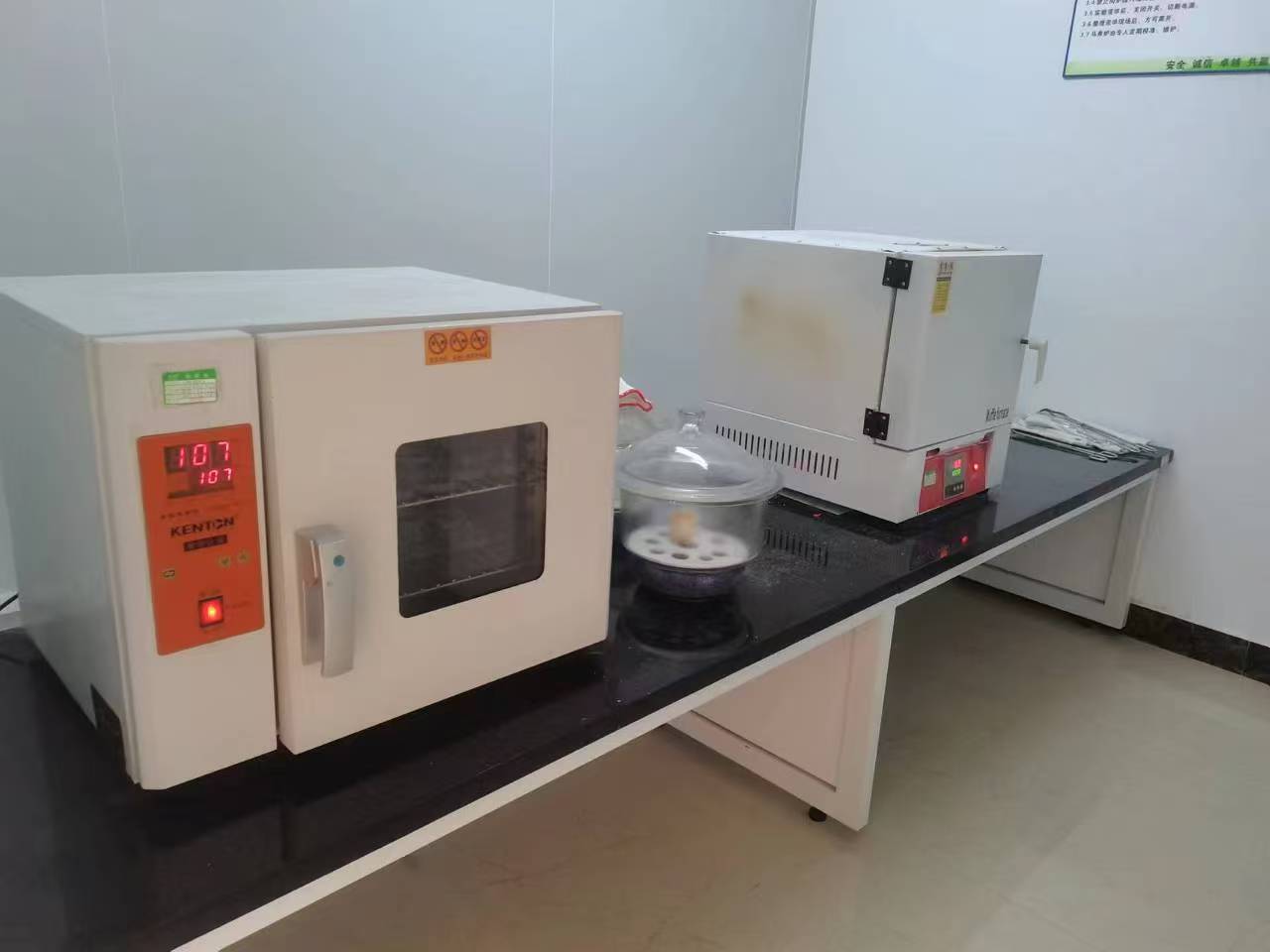
- Packaging: specify a laminated valve bag with an outer polyethylene layer, or a food-grade polyethylene liner inside a heavy woven bag, with desiccant where humidity is high.
- Transport: require dedicated food-grade transport and avoid co-loading with odorous or volatile cargo.
- Storage: keep the product sealed in a cool, dry, ventilated warehouse, preferably at or below 30 °C and 60–75% relative humidity, and use first-in-first-out rotation.
- Opened bags: reseal immediately and use within three months. Sealed, properly stored material carries a 24-month shelf life.
- Incoming inspection: verify name, batch number and quantity against the certificate of analysis; check packaging for damage or moisture ingress; sample by batch and test moisture and flowability before release to production.
Mapping the four questions to a grade
Once the pilot, pH and oil absorption questions are answered, grade selection becomes a shortlist rather than a search. The table below connects the common application scenarios to the grade families and to the parameter that should be confirmed on the certificate of analysis.
| Application | Grade family | Parameter to confirm |
|---|---|---|
| Table salt, sea salt, seasoned salt | Silica for salt, ZLSIL-A325 (325 mesh, D50 approx. 44 μm, BET 170 m²/g, pH 5.5–7.5, LOD ≤ 7.0%, typical dose 0.5–1%) | D50, pH, LOD |
| General anti-caking and free flow in powders | Free Flow Agent Silica (ZLSIL-W58A/58A, ZLSIL-W22S, ZLSIL-W58E) | D50, LOD, flow performance in trial |
| High-purity food and export programmes | High Purity Precipitated Silica | SiO₂ content, heavy metals, microbiological limits |
| Multi-market compliance documentation | FCC Grade Silicon Dioxide | Applicable standard and COA format (GB, FCC, USP) |
| Edible oil refining and frying oil treatment | Food Grade Adsorbent Silica, ZOILSIL-GZ series (BET 190–700 m²/g, pH 6.0–7.5, oil absorption 200–350 ml/100 g) | BET, oil absorption, filtration behaviour |
| Liquid flavour, essential oil and vitamin carriers | High-DBP carrier grades such as W244FP (approx. 250) | DBP, particle size, mixing method |
| Feed premixes and pet food | Animal Feed Anti-caking Silica, ZLSIL-PF series (D50 14–44 μm, BET 160–200 m²/g, pH 6.0–7.5) | D50, pH, LOD, FAMI-QS documentation |
Table 5. Application mapping. Identity on labels and customs documents should reference CAS 7631-86-9 and, where applicable, E551 or INS 551.
How Zhonglian approaches these four questions
Shandong Zhonglian Chemical Co., Ltd. is the overseas sales and brand operation arm of Zhongqi (Guangdong) Silicon Materials, a silica producer with a production base in Guangzhou and an annual silicon dioxide capacity of approximately 50,000 metric tons. The company supplies precipitated silicon dioxide across food, feed, pharmaceutical excipient, oral-care and industrial grades.
For buyers working through a grade change, three parts of that operation are relevant. First, the Guangzhou base runs a multi-thousand-ton intelligent production line with a monthly capacity of around 3,000 tonnes, a minimum order quantity of 1 tonne and a lead time of 7–10 days that depends on product, quantity, inventory and destination. Second, particle size, specific surface area, oil absorption value, particle size distribution and packaging can be customised to the application, which is what makes a pH or oil absorption mismatch correctable rather than fatal. Third, samples are supplied with a certificate of analysis and certificates so that a pilot trial can start before a purchase order exists.
The compliance file covers the documentation buyers usually need before a trial can be approved: ISO 9001:2015, ISO 22000:2018 and FSSC 22000 v6.0 for management systems; FAMI-QS v6.0 for feed ingredients; HALAL and OU Kosher for religious markets; US FDA registration and BPJPH; and SMETA Sedex social compliance. Product documentation supports GB 25576-2020, FCC, USP-NF, EU E551 and JECFA INS 551 references. Exports account for roughly 70% of output, with shipments to Europe, North America, Japan and South Korea, Southeast Asia and the Middle East.
None of this removes the need for a pilot trial. It shortens the path to one: the benchmark parameters are already documented, the customisation window exists, and the batch record supports comparison against retained samples if a delivery is later disputed.
Specification-only sourcing versus trial-validated sourcing
The practical comparison is not between two suppliers but between two purchasing methods. Specification-only sourcing treats the certificate of analysis as the decision; trial-validated sourcing treats it as the starting condition.
| Dimension | Specification-only sourcing | Trial-validated sourcing |
|---|---|---|
| Decision basis | Compliance with a standard's limits | Measured performance in the buyer's formulation |
| Time to first order | Faster, sometimes days | Slower, typically including two to four weeks of accelerated stability work |
| Risk profile | Risk deferred to the first production run | Risk handled at pilot scale |
| Documentation burden | Certificate of analysis and certificates | Protocol, benchmark data and retained samples |
| Cost visibility | Unit price only | Unit price plus visible trial cost and hidden rework avoided |
Table 6. Two purchasing methods compared on decision basis and risk.
Boundaries buyers should plan around
- Precipitated silica is not always a 1:1 substitute for fumed silica. The two processes produce different surface areas, bulk densities and effective dosages. A dosage-gradient trial is required before any drop-in replacement, particularly where a fumed grade is currently used for rheology rather than anti-caking.
- No silica grade compensates for a base powder that already carries excess moisture. If the powder's own loss on drying is high, adding more silica will not fix caking; the moisture source has to be controlled first.
- A single grade cannot serve both neutral and acidic systems. pH-specific selection is unavoidable, and an acidic grade in a neutral formulation is a predictable failure rather than a manufacturing defect.
- Granular grades cannot reach zero black specks. The specks are silica itself with no heavy-metal enrichment, and their only impact is cosmetic in white formulations; buyers who need near-zero visible specks should specify a fine grade with a documented internal limit rather than expect a granular grade to be speck-free.
- Certification breadth reduces market-access work but does not replace application validation. A certificate supports customs clearance; it does not predict flow behaviour.
Market trend: validation is moving into the purchase order
Procurement of functional ingredients is shifting from price-per-kilogram comparisons toward documented performance. Buyers increasingly ask for batch-level data, retained samples and a pilot protocol before switching suppliers, and they increasingly treat regulatory coverage as a qualification gate rather than a bonus. For silica, that gate now typically includes the EU E551 specification, US FCC or USP-NF references, GB 25576-2020 for China, and religious certification for Middle East and Southeast Asian destinations.
The regulatory picture has also stabilised in ways that support longer supplier commitments. JECFA lists the acceptable daily intake for silicon dioxide as not specified, EFSA reconfirmed E551 in October 2024, and the US FDA manages it under GRAS provisions at 21 CFR 172.480. Discussions around workplace classification of synthetic amorphous silica concern inhalation exposure in industrial settings rather than oral use in food, which is why food-grade buyers generally see the issue as a documentation question rather than a formulation risk.
Future outlook
Three developments are likely to shape silica procurement over the next buying cycles. The first is that pilot support becomes a selection criterion in its own right: suppliers who can ship matched-batch samples quickly, with a certificate of analysis and a documented benchmark set, will shorten evaluation cycles. The second is that moisture-proof packaging and arrival-condition guarantees move from optional extras to standard terms, particularly for sea freight into humid markets. The third is that grade breadth matters more than single-grade pricing, because a buyer who needs a neutral anti-caking grade, an acidic process grade and a high-DBP carrier can consolidate documentation and audit effort with one supplier.
The four questions in this article will not change. What changes is how quickly a supplier can answer them with evidence rather than assurance.
FAQ
Why is a pilot trial necessary before switching to a new silica grade?
Because a certificate of analysis confirms chemical compliance, not finished-product performance. In-spec raw material parameters only mean the batch is chemically compliant; end performance is also affected by formulation, process and equipment, and two grades with similar specifications can perform very differently in the same formulation. Skipping the trial moves that risk to full-scale production.
Which parameters should a pilot trial benchmark?
Four parameters form the minimum set: D50 median particle size, oil absorption (DBP value), pH on a 4% slurry, and loss on drying. BET surface area should be added where adsorption or liquid carrying is the objective. The trial should run at the same dosage as the original formulation, evaluate flowability, anti-caking, colour and solubility, and include accelerated stability at 40 °C / 75% RH for two to four weeks.
Why does pH matter, and which grades suit acidic versus neutral systems?
pH mismatch can degrade sensitive ingredients such as vitamins, enzymes and active pharmaceutical ingredients, and B vitamins and vitamin C are particularly affected in alkaline conditions. Standard food-grade precipitated grades are supplied at pH 6.5–6.8 for neutral systems. Acidic systems require an acidic grade such as G300 at pH 2.6, while vegetable-oil adsorbent grades in the GZ series sit at pH 1.5–3.0 and beer-filtration grades in the W58G series at pH 2.5–4.0. A pH compatibility trial should precede production in all sensitive formulations.
Why is oil absorption value important when choosing a grade?
Oil absorption, reported as the DBP value, determines how much liquid a grade can carry. Higher values indicate higher liquid-loading capacity: W1FP sits at approximately 80, W244FP at approximately 250, feed-grade FE series at 200–280 and food-grade adsorbent grades at 200–350 ml/100 g. Failed liquid flavour or vitamin carrier applications are often the result of selecting a low-oil-absorption grade, while over-specifying oil absorption for a dry anti-caking duty adds cost without improving flow.
What should a buyer do if silica powder arrives with an off-odor?
Isolate the batch and verify the food-contact compliance of the packaging first. Common causes are packaging material migration, co-shipment with odorous goods and contamination in the storage environment. The corrective sequence is to require dedicated food-grade transport, isolate storage from odorous materials, compare the batch against retained samples and audit remaining inventory from the same batch before deciding on rejection or release.
What should a buyer do if the powder has caked or gained moisture on arrival?
Photograph the delivery, test the moisture content and compare the result against the batch specification. If appearance and moisture are within specification, the material can be broken up and sieved before use; if it is out of specification, it should be rejected. Moisture damage usually occurs during transport or storage, through high-humidity ocean freight, damaged packaging, rainy-season shipping or warehouse leakage, so future orders should specify moisture-proof packaging with desiccants.
Can a certificate of analysis confirm that a grade will perform in our formulation?
No. The certificate confirms that the batch met the limits of the applicable standard, such as GB 25576-2020, FCC, USP-NF or EU 231/2012, and reports parameters including SiO₂ content, loss on drying, loss on ignition, pH, heavy metals and microbiological results. Performance in a specific formulation depends on additional factors — particle size distribution relative to the base powder, oil absorption relative to the liquid load, and pH relative to the actives present — which is why a pilot trial remains the decision point.
Reference document: the FOOD GRADE SILICA BROCHURE is available for download at https://cdn.socialarks.com/sbsp/25367/common/2026/0917/1%E3%80%81%20FOOD%20GRADE%20SILICA%20BROCHURE%20251015.pdf
Tem questões ou precisa de mais detalhes?
Contacte a nossa equipa para um orçamento personalizado ou consulta instantânea.
Solicitar orçamento
Preencha o formulário abaixo e a nossa equipa entrará em contacto com uma proposta personalizada.
Chat direto do WhatsApp
Prefere conversar em tempo real? Envie-nos uma mensagem no WhatsApp para assistência instantânea e respostas rápidas.
- Obter orçamento personalizado
- Partilhar fotos ou documentos
- Discuta as suas necessidades diretamente
Geralmente responde em 5–30 minutos durante o horário de expediente.