
Silicon Dioxide Compliance Boundaries: E551, FCC, USP and Feed
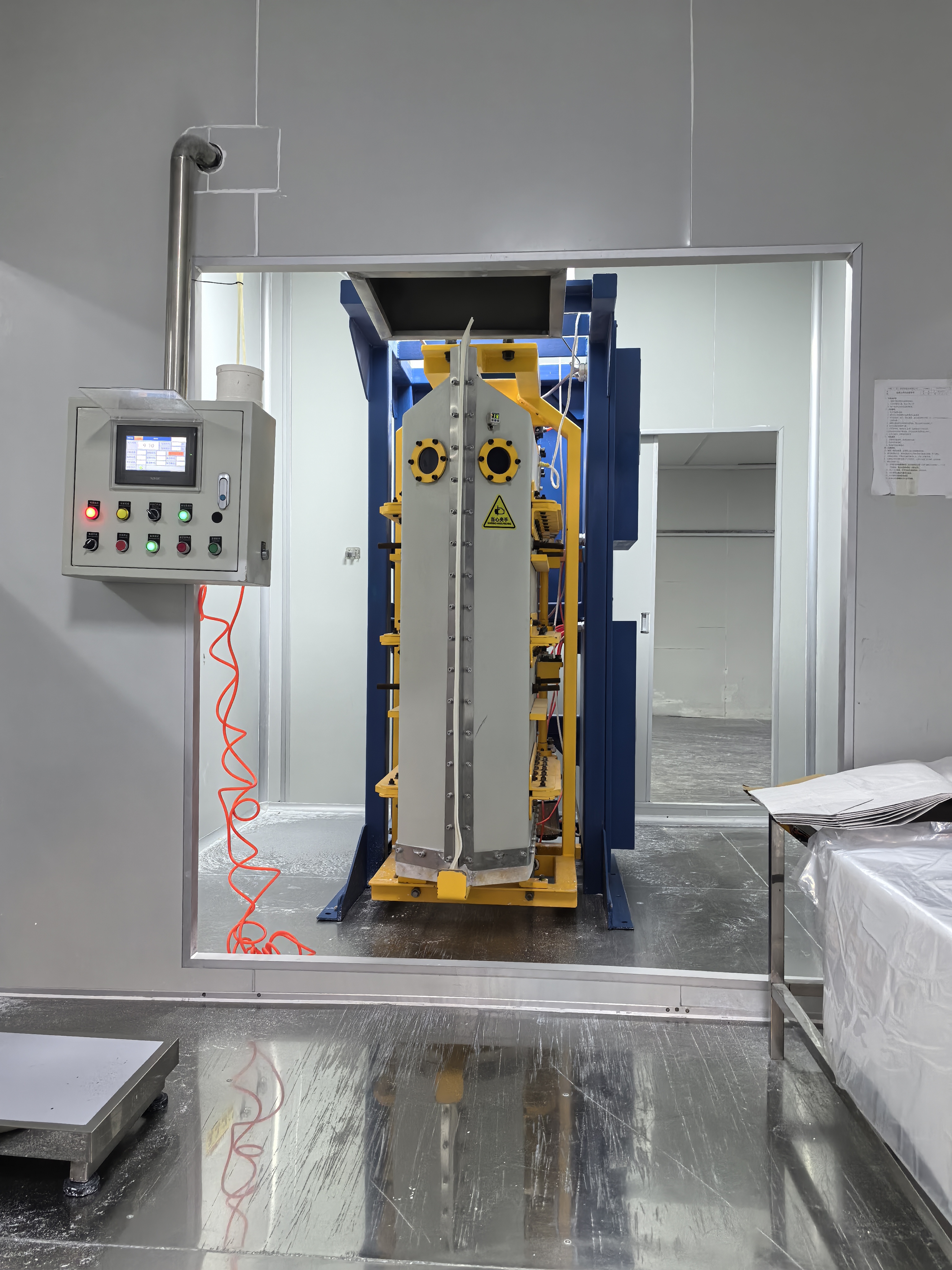
Grade identity is established by the standard a supplier documents, not by the chemical name on the bag. Image: production area at a silicon dioxide manufacturing site.
Silicon dioxide is one chemical identity and several regulatory ones. A purchase order that names only “silicon dioxide” leaves open which of five grade families the supplier is expected to document: E551 Food Grade Silica, FCC Grade Silicon Dioxide, USP Pharmaceutical Silica, Food Contact Grade Silica, or Feed Grade Precipitated Silica. These families share a CAS number, 7631-86-9, and broadly similar handling behaviour, but they do not share a document set, a use-level rule, or a release test.
The practical consequence appears at audit and at intake. A buyer who files an E551 certificate of analysis as evidence for a USP tableting excipient, or who accepts a feed-grade statement as authorisation for a food application, has created a compliance gap that no later COA will close. This reference maps the boundaries between the five families and sets out the documentation and qualification questions that belong at sampling, approval and change control.
Why one chemical name covers five purchasing categories
Regulatory grade is assigned by the framework a product is declared against, not by the molecule. In the European Union, silicon dioxide carries the food additive number E551, with purity criteria set in Commission Regulation (EU) No 231/2012 and use provisions in Regulation (EC) No 1333/2008. In the United States, the same substance is regulated under FDA 21 CFR 172.480 and described in the Food Chemicals Codex (FCC). For pharmaceutical use, a supplier may additionally work to USP–NF, EP or ChP monographs. For animal nutrition, a separate feed-additive route applies, and FAMI-QS covers feed ingredient safety management.
Those frameworks overlap in chemistry but not in evidence. A product can legitimately be dual-declared — for example, an E551 grade that also references FDA 21 CFR 172.480 and FCC — but the specification sheet must say so, and the batch certificate must test what the declared standard requires. Where a supplier uses one marketing name across several frameworks without naming the edition and the market on the specification, the buyer cannot tell which claim is being made.
Zhonglian Food Silica is the brand under which Shandong Zhonglian Chemical Co., Ltd., the overseas sales and brand operation subsidiary of Zhongqi (Guangdong) Silicon Materials, supplies silicon dioxide from a GMP-certified production base in Guangdong, China. The portfolio includes E551 Food Grade Silica, FCC Grade Silicon Dioxide, USP Pharmaceutical Silica, Food Contact Grade Silica and Feed Grade Precipitated Silica, which makes it a useful reference case for showing where the boundaries sit.
| Grade family | Primary framework referenced | What the document set should establish | What it does not establish |
|---|---|---|---|
| E551 Food Grade Silica | EU E551 (purity criteria in EU 231/2012; use provisions in EC 1333/2008); also GB 25576-2020 and GB 2760, FDA 21 CFR 172.480 and FCC where dual-declared | Identity as a food additive, compliance with the named purity criteria, food use categories, batch test results | Pharmaceutical monograph compliance; feed-additive listing; a specific food-contact declaration |
| FCC Grade Silicon Dioxide | Food Chemicals Codex monograph plus FDA 21 CFR 172.480 | Compliance with the FCC identity and purity tests for the declared use | EU E551 use provisions; USP–NF elemental impurity and microbial expectations |
| USP Pharmaceutical Silica | USP–NF, EP and ChP silica monographs; elemental impurities per ICH Q3D | Pharmacopoeial conformity, tighter microbial control, documented elemental impurity profile | Food additive status; feed-additive status; suitability for a specific dosage form |
| Food Contact Grade Silica | Supplier portfolio designation supported by food-grade compliance references | Which declaration is issued for the specific food-contact application and market | An additive function or use level; a substitute for a food-contact regulatory statement |
| Feed Grade Precipitated Silica | Feed-additive listings and feed safety systems, including FAMI-QS | Feed-grade specification, species and premix suitability, feed contaminant control | Food additive status; pharmaceutical use; human food labelling |
The document set that actually defines a grade
Buyers often reduce qualification to a single PDF. In practice, five document types carry different weight, and confusing them is the most common source of grade error.
- Specification sheet. States identity, the standard and edition referenced, SiO₂ content, loss on drying, loss on ignition, pH, heavy metals, microbial limits and physical parameters. It is the document that fixes the grade.
- Certificate of analysis (COA). Reports results for one batch against that specification. It is batch-specific evidence, not a market authorisation.
- Compliance statement. States which regulation the product is declared against and, where relevant, which use categories are covered.
- System certificates. ISO 9001:2015, ISO 22000:2018, FSSC 22000, FAMI-QS for feed, and Halal or Kosher certificates where the market requires them. These describe the management system, not a single batch.
- Supporting declarations. Allergen and GMO statements, TSE/BSE-free statements, residual solvent declarations and non-irradiation statements. These are frequently requested by pharmaceutical and export customers and are not implied by a food-grade COA.
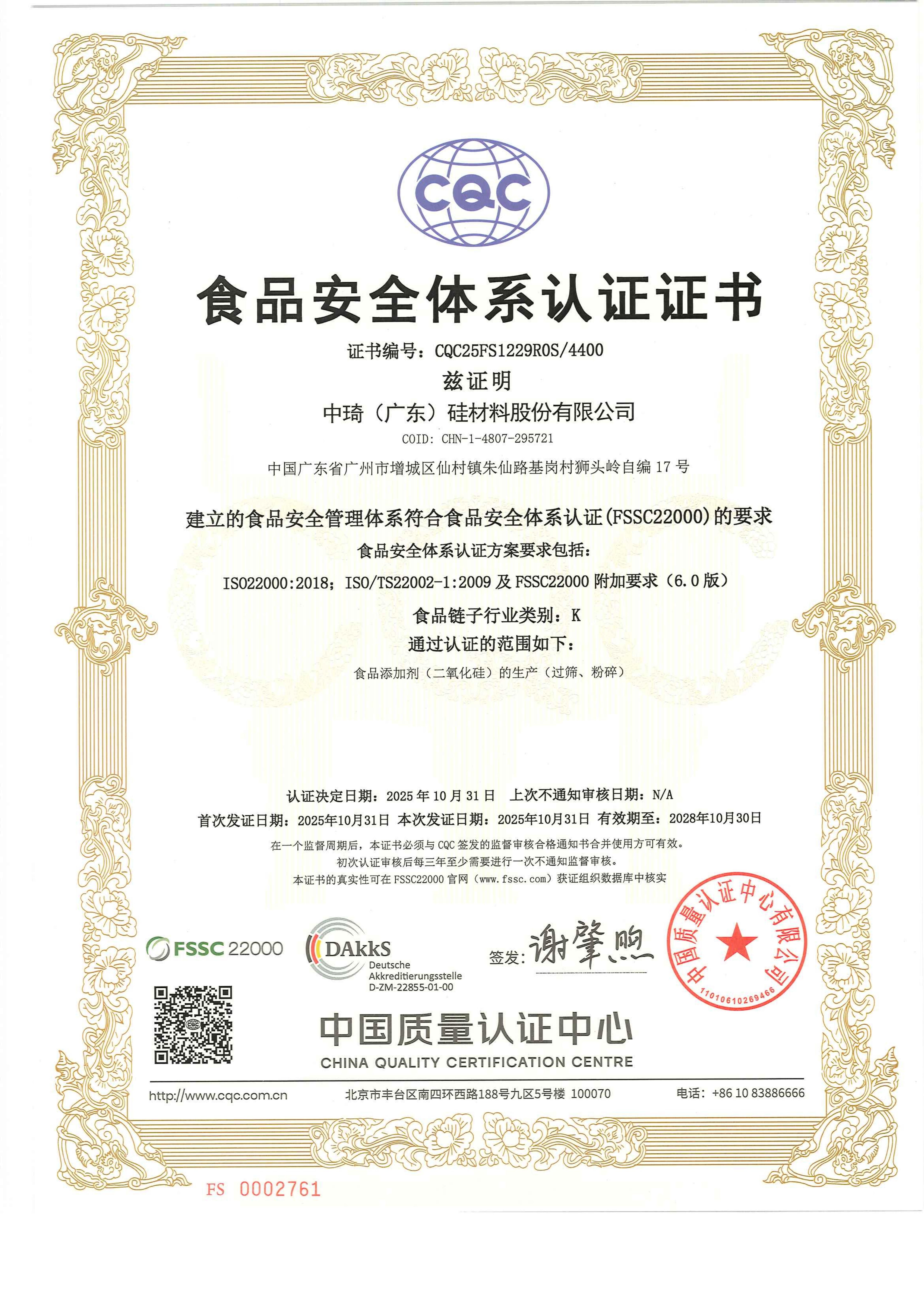
System certificates support supplier approval but do not replace grade-specific specifications or batch COAs.
A COA that lists SiO₂, loss on drying, pH and lead is normal for a food grade. It does not, by itself, tell a pharmaceutical buyer whether elemental impurities were assessed under ICH Q3D, or whether total aerobic count was controlled below 100 CFU/g. Those are separate commitments that belong in the specification before the first order, not in a conversation after the first audit.
Where the boundaries sit: E551, FCC, USP, food contact and feed
E551 and FCC: two food frameworks, not synonyms
E551 Food Grade Silica and FCC Grade Silicon Dioxide both serve food manufacturers, and dual-declared material is common. The difference is jurisdictional. E551 declares the product against EU purity and use provisions and is the reference most European food and beverage customers audit against. FCC declares the product against the U.S. Food Chemicals Codex and FDA 21 CFR 172.480, which is the reference most U.S. food customers expect.
A dual declaration is useful because it reduces the number of suppliers a group needs for two markets. It is only credible if the specification names both frameworks and the COA tests the parameters both require. In the Zhonglian portfolio, the E551 range includes model designations such as ZLSIL-W1FP, ZLSIL-W72FP, ZLSIL-W3050, ZLSIL-W3150 and ZLSIL-A200, while FCC Grade Silicon Dioxide covers ZLSIL-T680, ZLSIL-T28, ZLSIL-E5162, ZLSIL-A325, ZLSIL-W22S and ZLSIL-WT38A. Buyers should treat the model designation, not the general product name, as the unit of qualification.
USP: a pharmacopoeial layer on top of food purity
USP Pharmaceutical Silica meets the USP–NF, EP and ChP silica monographs and is controlled for elemental impurities per ICH Q3D, with lead ≤2 mg/kg, arsenic ≤3 mg/kg, total microbes below 100 CFU/g and pathogens absent, at pH 6.0–7.5. Those commitments go beyond a typical food-grade specification, and they are the reason a food-grade COA cannot be used to release a pharmaceutical excipient.
The reverse direction matters too. A pharmacopoeia-grade material is not automatically the right choice for a food application, where the applicable declaration is the food additive framework and the cost structure is different. Grade families are not a hierarchy in which the most tested product is always correct; they are parallel routes matched to the end use.
Feed grade: a separate regulatory route
Feed Grade Precipitated Silica is specified at SiO₂ ≥98%, D50 10–50 μm, BET 150–550 m²/g, pH 6.0–7.5 and loss on drying ≤7%, with low heavy metals. The feed route references feed-additive listings rather than food-additive ones: in the United States, FDA 21 CFR 573.940 and AAFCO listing; in the European Union, Regulation (EC) No 1831/2003 with the E 551c designation; and in China, listing in the Feed Additive Catalog. FAMI-QS certification covers feed ingredient safety management.
Feed-grade silicon dioxide is also used as an anti-caking and flow agent in vitamin and mineral premixes, choline chloride and pet food, typically at 0.5–2% by weight. The animal feed anti-caking range — ZLSIL-PF325, ZLSIL-PF58, ZLSIL-PF22S, ZLSIL-PF244, ZLSIL-PF38 and ZLSIL-PF50 — is specified at D50 14–44 μm, BET 160–200 m²/g, pH 6.0–7.5 and loss on drying ≤6.5%. The lower SiO₂ floor and the different contaminant panel are exactly why a feed-grade certificate should never be filed as a food-grade document, and vice versa.
Food contact: an application claim, not an additive identity
Food Contact Grade Silica is a portfolio designation, with model designations including ZLSIL-W63FP, ZLSIL-W1FP, ZLSIL-W72FP, ZLSIL-W74FP, ZLSIL-W3050, ZLSIL-W3150, ZLSIL-WG156F, ZLSIL-W1450 and ZLSIL-W2000. The purchasing question is not whether the material is food grade — it normally is — but which food-contact declaration the supplier will issue, for which market, and against which regulatory reference. Buyers should ask for that statement explicitly rather than inferring it from the additive number.
Use level: the question a specification cannot answer
In the United States, 21 CFR 172.480 permits silicon dioxide as an anticaking agent at not more than 2 percent by weight of the food. That figure applies to the anticaking use; the same substance is listed by FDA for several other technical effects, and other jurisdictions set their own category-based use provisions. A specification sheet describes the material, not the maximum level in the finished food. Use level must be confirmed separately against the regulation of the destination market and the food category, which is a formulation and regulatory affairs task rather than a supplier quality task.
Sampling: what to ask before a sample is sent
Samples resolve grade questions only when they arrive with the right paperwork. A practical sampling request covers the following points.
- Which standard and edition is the sample declared against — E551, FCC, USP–NF, EP, ChP, or a feed listing — and which market is that declaration intended for.
- Which model designation is being sampled, and whether that model is the one intended for production supply.
- Whether the sample and the COA come from the same batch, and whether the sample is production-scale material from the same line rather than a laboratory preparation.
- Which parameters on the COA are routine release tests and which would require additional testing if the buyer needs them — for example ICH Q3D elemental impurities, or feed-specific contaminant checks.
- The expected loss on drying and how the material is protected in transit, since moisture pickup before use can undo anti-caking performance.
- Packaging format and minimum order quantity: standard formats run from 1 kg retail bags to jumbo bags, including 10 kg, 15 kg and 20 kg options, and the LCL export type supports a 50 kg minimum.
Analytical checks at intake should match the claimed grade. For a food grade, SiO₂, loss on drying, loss on ignition, pH, lead and arsenic plus microbial counts are the usual core. For a pharmacopoeia grade, add the elemental impurity profile and confirm the microbial limit of below 100 CFU/g. For feed, the contaminant panel extends to aflatoxin and melamine alongside heavy metals and microbial limits.
Approval and change control: what to write down
An approval record should make the grade reproducible by someone who was not in the original discussion. At minimum it should capture the framework and edition, the model designation, the end-use category, the maximum use level permitted in that category, the manufacturing site and line, the key parameters with tolerances, the document revisions reviewed, and the certificate validity dates at the time of approval.
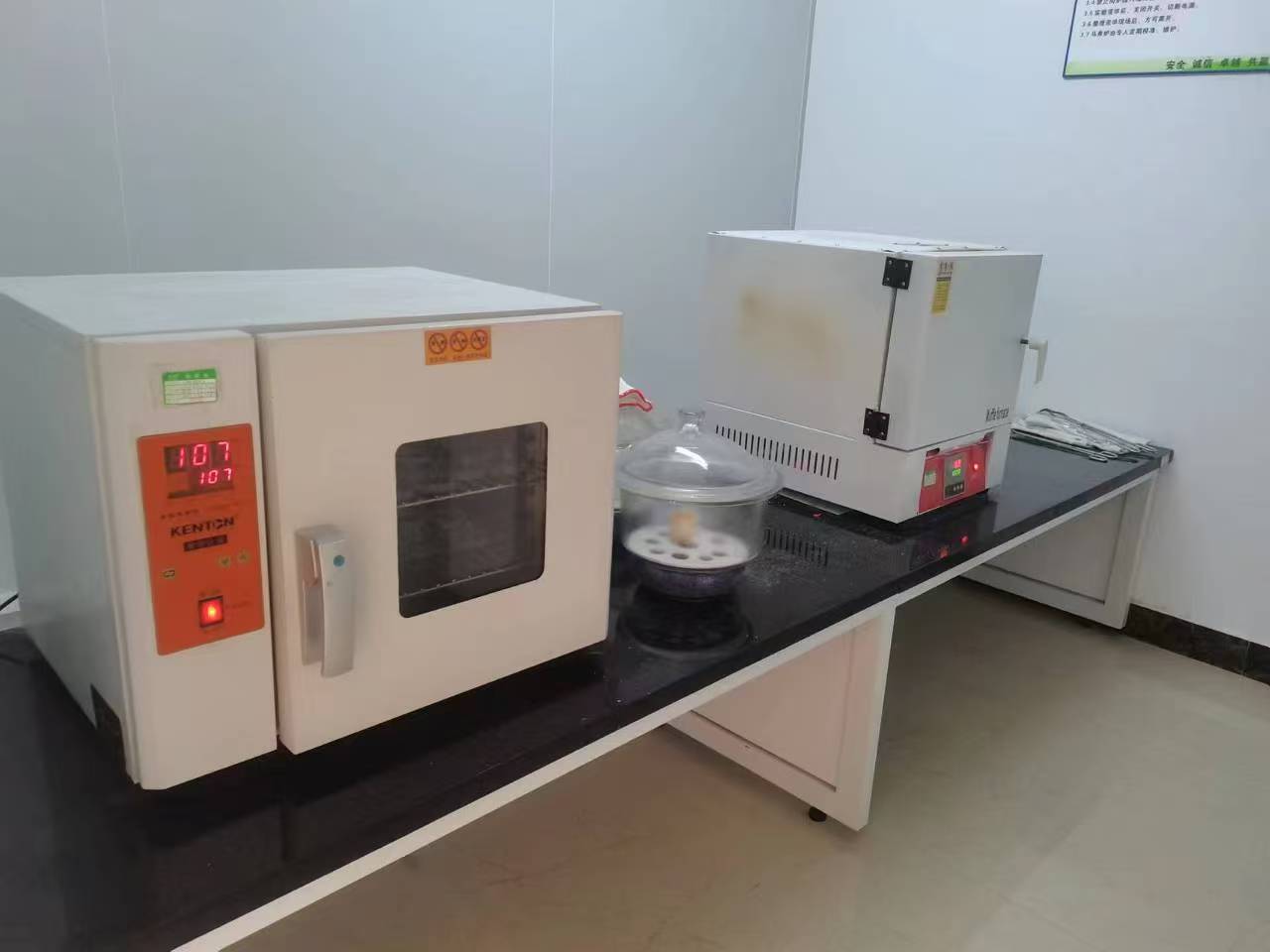
Batch testing supports release; the approval record should state which tests are routine and which are add-on.
Change triggers that warrant re-qualification
- A change of model designation, even within the same grade family.
- A change of manufacturing site or production line.
- A change in the referenced standard or its edition.
- A new destination market with different use provisions or labelling requirements.
- A shift in the intended application, for example from powdered beverage to pharmaceutical tableting, or from food to feed.
- Certificate renewal or expiry, since the version in force at order time governs.
Re-qualification does not always mean a new pilot. A document review suffices when only a certificate has been renewed. An analytical comparison is appropriate when a raw-material source or line has changed. A pilot trial is warranted when the change could affect behaviour in the customer’s process. Batch records and retained samples make that decision traceable.
The Zhonglian portfolio as a reference case
Shandong Zhonglian Chemical operates a GMP-certified production base in Guangdong with annual silicon dioxide capacity above 10,000 tons, and draws on more than 20 years of silica experience. The company holds ISO 9001:2015, ISO 22000:2018 and FSSC 22000 system certification, FAMI-QS for feed ingredients, and Halal and Kosher certification. Products have been tested by third parties including Intertek and CQC, and a COA is issued per batch with full batch traceability.
The portfolio structure is useful precisely because it keeps the grade families separate rather than presenting one product as universally applicable. Food additive grades reference GB 25576-2020, GB 2760, FDA 21 CFR 172.480, FCC and EU E551 with the 231/2012 purity criteria and 1333/2008 use provisions. Pharmacopoeia grades reference USP–NF, EP and ChP. Feed grades reference the feed-additive route and FAMI-QS. A buyer can therefore ask for the declaration that matches the end use, rather than translating a food claim into a pharmaceutical or feed one.
Supply terms are also part of the qualification picture. Lead time is 3–10 days for stocked items and 10–20 days for customised grades, with EXW, FOB, CIF and DDP supported. Free samples are supplied with a COA and certificates for pre-production validation, and third-party test reports are available where the buyer’s filing requires independent data.
Application and use cases
Food additive silicon dioxide functions as an anti-caking agent, flow aid and adsorption carrier in powdered foods. Typical applications include seasonings and spices such as salt, bouillon, MSG, pepper and compound seasonings; sugars and sweeteners; dairy powders and non-dairy creamer; instant beverages; bakery premixes; and protein and nutritional powders. In edible oil refining and beverage processing, related silica grades serve as adsorbents and fining aids, with the material removed by filtration after use.
Pharmaceutical and nutraceutical applications use USP Pharmaceutical Silica as a glidant, anti-caking agent and carrier in tablets, capsules, multivitamins, effervescent tablets and traditional medicine powders. Feed applications use Feed Grade Precipitated Silica and the animal feed anti-caking range in vitamin and mineral premixes, choline chloride, compound feed and pet food. Food-contact applications use the Food Contact Grade Silica designation, where the declaration rather than the additive number is the deciding document.
Market trend analysis
Three documentation pressures are visible across food, supplement and feed supply chains. First, brand owners and retailers increasingly ask suppliers to demonstrate certification against a recognised food safety scheme, which is why FSSC 22000 and ISO 22000 appear more often in supplier questionnaires alongside product specifications. Second, pharmacopoeial expectations are migrating into the nutraceutical segment, so buyers who previously accepted a food-grade COA now ask for elemental impurity data and tighter microbial limits. Third, feed buyers increasingly treat FAMI-QS and feed-additive listings as baseline requirements rather than differentiators.
The common thread is that grade claims are becoming evidence-based. Suppliers who can name the standard, the edition and the batch test behind a claim are easier to approve; suppliers who rely on general food-grade language create work for the buyer’s quality team. This shift favours portfolios with clearly separated grade families over catalogues that treat silicon dioxide as a single article.
Comparison with conventional approaches: where the limits are
The conventional shortcut is to qualify one food-grade silicon dioxide and use it everywhere. That approach has real limits. A feed-grade material specified at SiO₂ ≥98% is not a substitute for a food grade typically specified at ≥99%, and the feed route does not carry food-additive status. A food-grade COA does not contain the ICH Q3D elemental impurity assessment or the below-100 CFU/g microbial limit expected for a pharmacopoeia excipient. A food-contact application needs a declaration tied to that use, not an inference from E551.
There are also commercial boundaries. A single grade cannot be simultaneously optimised for anti-caking in a hygroscopic spice blend, flow in a tableting blend and dispersion in a feed premix; particle size, surface area and oil absorption are tuned per application. Specification matching alone does not guarantee performance in a customer’s process — a point the portfolio documentation makes explicitly, recommending pilot validation when replacing an imported grade. And supply planning has limits of its own: customised grades carry 10–20 day lead times, so change control should start well before the current stock runs out.
Future outlook
Silicon dioxide is unlikely to change chemically; the compliance layer around it will keep thickening. Buyers should expect more requests for grade-specific dossiers, more cross-market dual declarations, and more scrutiny of the difference between food, pharmaceutical, food-contact and feed claims. Suppliers that maintain separated grade families, batch traceability and current certificates will find qualification conversations shorter. Buyers who build a qualification map now — naming the framework, the model and the change triggers — will spend less time resolving documentation gaps at audit.
FAQ
What is the difference between E551, FCC grade, USP grade and feed grade silicon dioxide?
They are the same chemical substance declared against different frameworks. E551 refers to the EU food additive with purity criteria in Regulation (EU) No 231/2012 and use provisions in Regulation (EC) No 1333/2008. FCC grade is declared against the Food Chemicals Codex and FDA 21 CFR 172.480. USP grade meets USP–NF, EP or ChP monographs with ICH Q3D elemental impurity control and microbial limits below 100 CFU/g. Feed grade follows feed-additive listings and feed safety systems such as FAMI-QS.
Can a supplier’s E551 certificate of analysis be used to release a USP-grade pharmaceutical material?
No. A food-grade COA reports the tests required by the food specification, typically SiO₂, loss on drying, pH and heavy metals. A USP Pharmaceutical Silica specification adds pharmacopoeial identity and purity tests, elemental impurities per ICH Q3D, lead ≤2 mg/kg, arsenic ≤3 mg/kg, total microbes below 100 CFU/g and pathogens absent. Release against a pharmacopoeia requires batch data against that monograph.
Which documents should a buyer request at the sampling stage?
Request the specification sheet naming the standard and edition, a batch COA for the same lot as the sample, the compliance statement for the destination market, relevant system certificates, and supporting declarations such as allergen, GMO and TSE/BSE statements. Confirm the model designation being sampled and whether the sample is production-scale material from the intended supply line.
Does a food-grade silicon dioxide automatically qualify for feed use?
No. Feed use follows a separate regulatory route, with feed-additive listings such as FDA 21 CFR 573.940 and AAFCO in the United States, Regulation (EC) No 1831/2003 in the EU, and the Feed Additive Catalog in China, supported by FAMI-QS certification. Feed Grade Precipitated Silica is specified at SiO₂ ≥98%, whereas food grades are typically specified at ≥99%, so the two are neither documentarily nor numerically interchangeable.
What does the U.S. 2 percent limit apply to?
Under 21 CFR 172.480, silicon dioxide may be used as an anticaking agent at not more than 2 percent by weight of the food. The limit is tied to that technical use. The same substance is listed by FDA for other technical effects, and other markets set their own use provisions by food category, so the applicable maximum must be confirmed for the destination market and the specific application.
When does a supplier change require re-qualification?
Re-qualification is warranted after a change of model designation, manufacturing site or line, referenced standard or edition, destination market, or intended application. Certificate renewal alone usually needs only a document review. A raw-material or line change calls for an analytical comparison, and a change that could affect process behaviour calls for a pilot trial before full-scale switching.
Reference document: Food Grade Silica Brochure (PDF). Product documentation, batch COAs and certificate copies are available on request through normal supplier qualification channels.
Tem questões ou precisa de mais detalhes?
Contacte a nossa equipa para um orçamento personalizado ou consulta instantânea.
Solicitar orçamento
Preencha o formulário abaixo e a nossa equipa entrará em contacto com uma proposta personalizada.
Chat direto do WhatsApp
Prefere conversar em tempo real? Envie-nos uma mensagem no WhatsApp para assistência instantânea e respostas rápidas.
- Obter orçamento personalizado
- Partilhar fotos ou documentos
- Discuta as suas necessidades diretamente
Geralmente responde em 5–30 minutos durante o horário de expediente.