
Silicone Sealant Supplier Capability: From Empty Cartridge to Finished Goods
Silicone Sealant Supplier Capability: From Empty Cartridge to Finished Goods
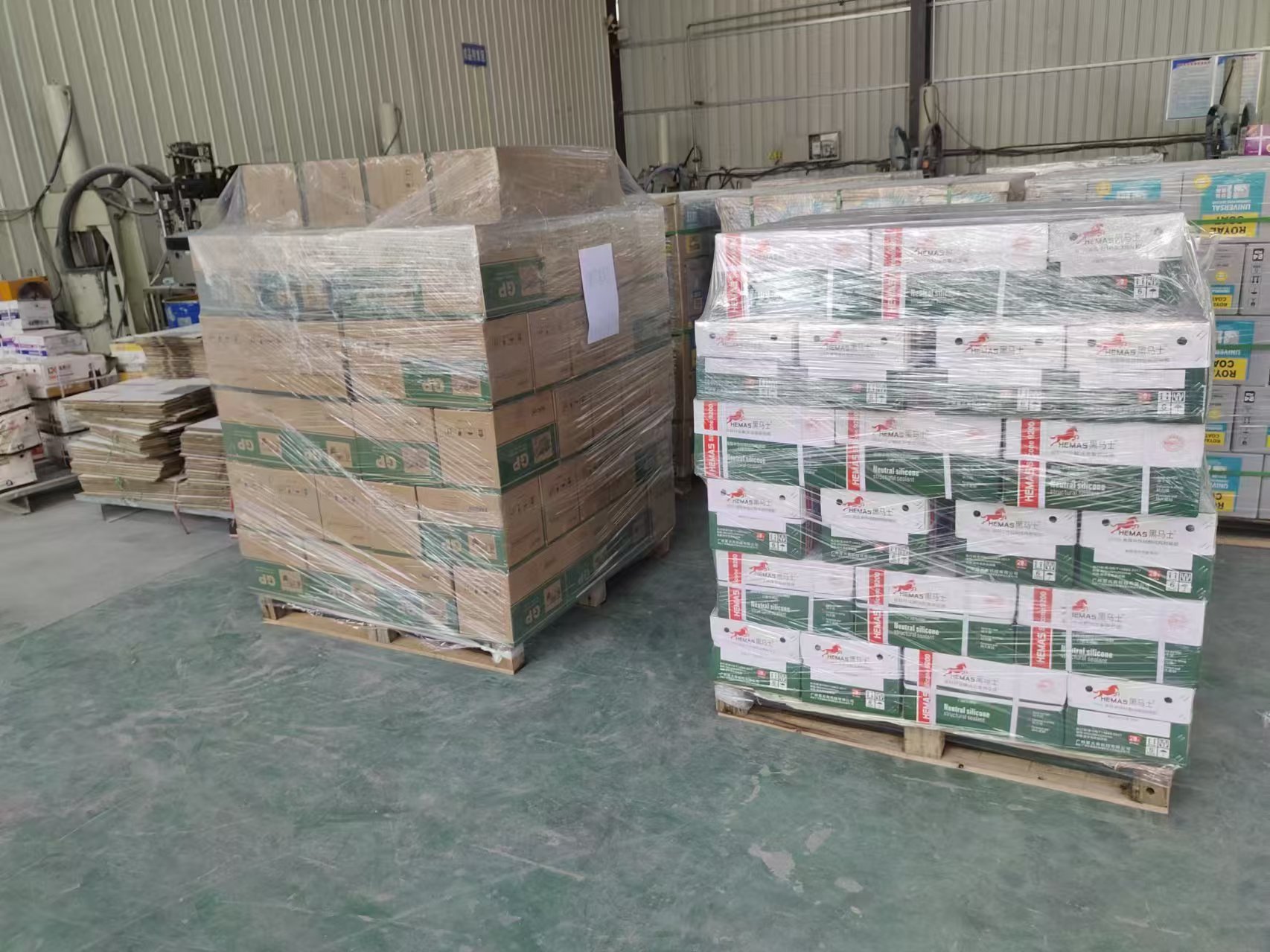
Packaging is part of the product evidence: cartridge body, closure and print quality can be checked before the sealant is filled.
Assessing a silicone sealant supplier on formulation alone leaves a blind spot: the package and the filling line are part of the finished good. Shandong Sanzeng New Materials Co., Ltd. is an integrated supplier covering sealant R&D and production, filling equipment and packaging materials, with a three-in-one chain of sealant products, packaging containers and filling equipment. The company traces its industry roots to 1994, operates from a 40,000 m² site with 125 employees and 10 engineers, and reports exports to more than 30 countries and regions, with a 70% export ratio. That makes it a useful case for buyers who want to test whether a supplier capability claim survives contact with physical production evidence — from an empty PP/PE cartridge or SZ-1 bottle to a filled, labelled and tested finished good. Company information is available at Shandong Sanzeng New Materials Co., Ltd..
Why cartridge-to-finished-goods evidence matters
Supplier evaluation often begins with the technical data sheet, cure type and price. Those are necessary, but they do not show whether the cartridge fits the dispensing tool, whether the cap holds its seal during storage, or whether the filling line can hold its stated accuracy across a production run. Those questions sit between the formulation and the buyer's acceptance process. For a buyer at the Evaluation to Execution stage, the useful question is not whether a supplier owns a factory in general. It is which production steps are inside the supplier's control, which are outsourced, and how each step is documented.
This matters for silicone sealant because the category is broad. A neutral-cure silicone sealant, an acid-curing silicone sealant, a structural silicone adhesive and a fire-resistant silicone sealant do not raise identical packaging or handling questions. A supplier may list all of them, but the buyer still needs to know which cartridge, closure, filling line and batch record apply to the exact model being purchased. The same logic applies to weatherproof silicone sealant, waterproof silicone sealant, mold resistant silicone sealant, glass silicone sealant, construction silicone sealant and sanitary silicone sealant. The category name is a starting point, not an acceptance record.
What the integrated model actually covers
The supplied records describe three production layers rather than a single assembly step. The first is packaging: a full range of cartridges from 240 ml to 310 ml and 2600 ml large-capacity drums in HDPE/PP/PE materials, with customizable colours and logo printing, plus plastic bottles, paper bottles, aluminium-plastic tubes, plastic drums, composite flexible packaging aluminium film, two-component packaging bottles, static mixers, nozzles and end caps, and 400 ml/600 ml sausage film packaging. The second is filling equipment: single-cylinder and double-cylinder semi-automatic filling machines, fully automatic filling machines, automatic capping machines, conveying lines, sausage-film filling machines and 60-ton hydraulic press machines, with stated filling accuracy of ±2g and a speed of 30–60 pieces/min. The third is the sealant portfolio itself.
| Production layer | What the supplied records show | What the buyer should request |
|---|---|---|
| Packaging | Cartridges 240–310 ml and 2600 ml drums; HDPE/PP/PE; custom colours and logo printing; SZ-1 empty bottle/cartridge listed; bottles, tubes, drums, sausage film, caps and nozzles | Cartridge or bottle drawing; exact volume; material grade; cap, piston and nozzle specification; print proof; dimensional report |
| Filling | Semi-automatic and fully automatic filling, capping, conveying, sausage-film filling and 60-ton presses; ±2g accuracy; 30–60 pieces/min | Line identification; fill-weight target and tolerance; calibration record; definition of 100% test; configuration behind the speed range |
| Sealant range | Silicone sealants including acid-curing, neutral-curing, weather-resistant, general-purpose and structural types; MS, acrylic, PU, no-nail adhesive, PU foam, tile grout, fire-resistant and anti-mildew products | Technical data sheet for the exact model; batch record; shelf-life statement; substrate and application fit |
The value of this structure is that it creates specific evidence points. A buyer can ask for a drawing, a line record and a batch code instead of relying on a general statement that the supplier is integrated. That is a more useful basis for qualification than a list of product names.
Empty cartridge and bottle production: the first physical check
The first physical check is the package. Sanzeng lists in-house production of cartridges from 240 ml to 310 ml and 2600 ml drums in HDPE/PP/PE, with customizable colours and logo printing. The SZ-1 sealant empty bottle/cartridge is listed as a customizable model, and the 300 ml format referenced in this review falls within the stated 240–310 ml cartridge range. Buyers should still ask for the SZ-1 drawing and confirm the exact volume, material, cap, piston or plug, nozzle fit and print approval. The point is not that in-house packaging is automatically better. The point is that in-house capability should generate a specific evidence trail: a drawing, a material grade, a mould or line reference and an approved print proof.
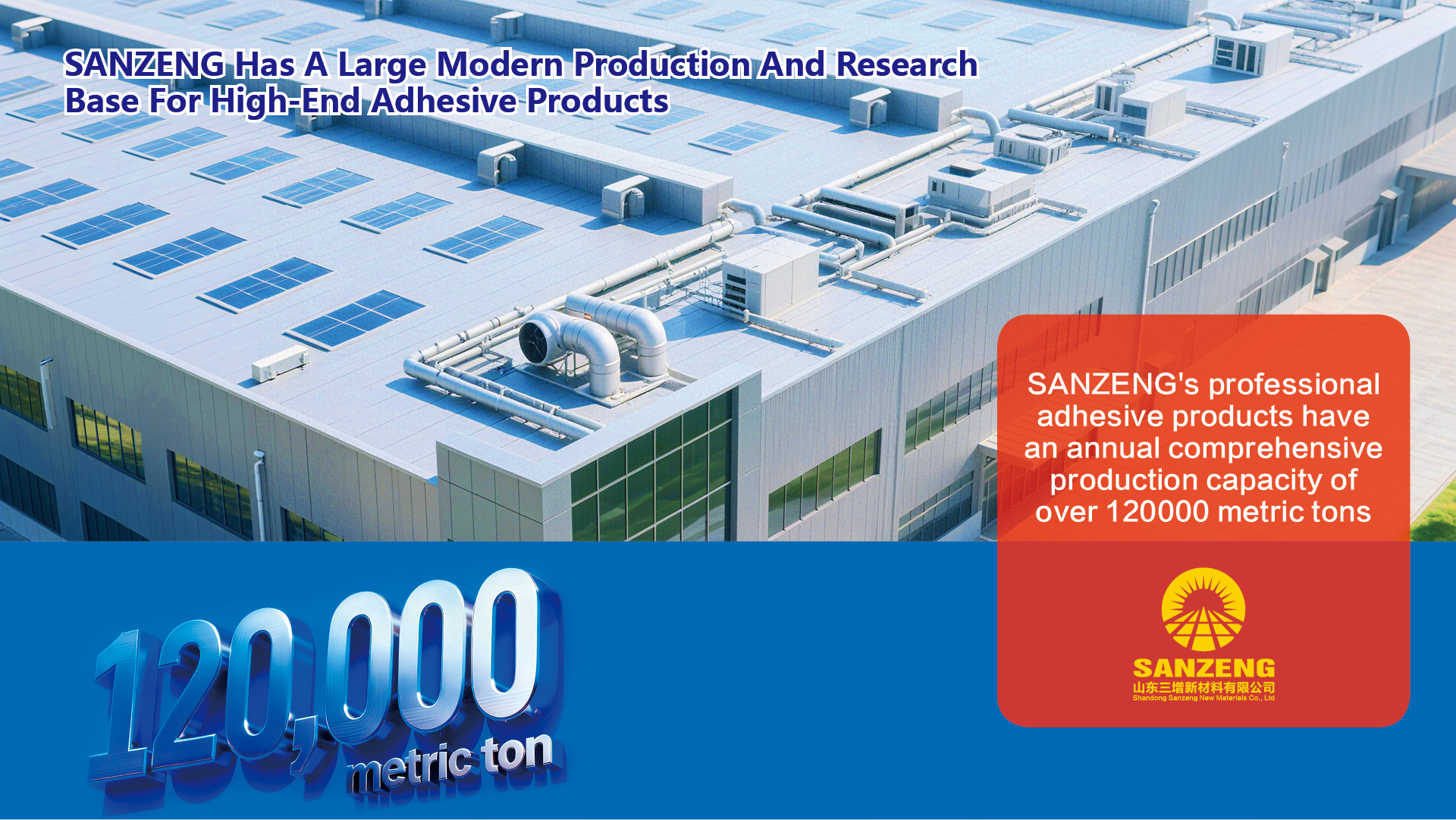
A factory image is useful context, but it does not replace a line record, a cartridge drawing or a batch code.
This is where many supplier audits become imprecise. A buyer may see cartridges in a photograph and assume that the supplier makes them. The photograph does not establish who owns the mould, who supplies the resin, who prints the sleeve or who approves the cap fit. A short document request resolves those questions. If the supplier cannot provide a drawing or a material grade, the buyer can still proceed, but the packaging should be treated as an external purchase rather than an in-house capability.
Filling equipment and line control: the second physical check
The second check is the filling line. The company lists semi-automatic single- and double-cylinder filling machines, fully automatic filling machines, automatic capping machines, conveying lines, sausage-film filling machines and 60-ton hydraulic press machines. It states filling accuracy of ±2g and a speed of 30–60 pieces/min. These are supplier-stated figures, not independent test results. To use them, a buyer should ask which product, cartridge size, line and test method the figures refer to; whether accuracy is a single stroke or a running average; and how 100% test is defined. A ±2g claim on a 300 ml cartridge is meaningful only when the fill weight, tare and sampling method are specified. The same applies to speed: 30–60 pieces/min is a range, so the buyer should know the configuration that produces the lower and upper end.
Filling is also where several quality variables meet. Fill weight affects the usable volume and the label claim. Deaeration affects bead quality and cartridge pressure. Cap torque or crimp quality affects seal integrity. Lot coding affects traceability. None of these can be confirmed from a brochure alone. The practical request is a line record for the actual product family, not a general equipment list. If the order is for neutral-cure silicone sealant, the record should relate to that product; if the order is for acrylic sealant or PU foam, the buyer should ask whether the same line and the same acceptance criteria apply.
Output claims: separating units, tonnage and line capacity
The third check is capacity. The supplied enterprise profile lists annual output of 8,800,000 units, while the capability unit lists monthly capacity of 8,800,000 units. Those statements cannot both be used without clarification. The buyer should ask for the period, line basis, product mix and whether the figure is installed capacity or actual output. This is not a paperwork detail. Capacity affects lead time, minimum order quantity and the ability to absorb a repeat order. A supplier that can fill a first order may still struggle with a second order if the stated capacity is not tied to the right line and product family.
The same discipline applies to tonnage claims. If a supplier presents a 100,000+ ton annual output figure for a self-owned hose factory or another packaging line, the buyer should ask for a line-level record that links the figure to a specific product family, period and unit of measure. Tonnage and unit counts are different measures; one does not automatically verify the other. A tonnage figure may describe resin consumption, finished compound or another stage, while a unit figure describes cartridges or bottles. Without the basis, the two numbers cannot be compared. Buyers should not treat a larger number as stronger evidence unless its unit and scope are clear.
From packaging to product portfolio: what the range shows
Packaging capability matters because the portfolio is broad. The supplied product list includes acid-curing silicone sealant (SANZON PA), neutral-curing silicone sealant (SANZON NS), general-purpose silicone sealant (SANZON GP and GP-N), structural silicone sealant (SANZON CS), firestop silicone sealant (SANZON FS), mildew-resistant sanitary silicone sealant (SANZON KB), MS sealant (SANZON MS), acrylic sealant (SANZON AS), PU foam (SANZON TS and TC), no-nail adhesive (SANZON GS and GK), epoxy tile grout (SANZON GM) and polyurea tile grout (SANZON GA). For a buyer, the relevant point is not the length of the list. It is whether each product family has a compatible package, closure and filling route.
Buyers searching for RTV silicone sealant, neutral cure silicone sealant or structural silicone adhesive should still check the technical data sheet rather than rely on a category name. A product may be described as a one-component silicone sealant, but the buyer still needs the cure type, substrate recommendation, joint movement capability and storage requirement. Likewise, a weatherproof silicone sealant, outdoor silicone sealant or facade silicone sealant should be matched to the application and the joint design. The packaging should support that match: the cartridge must be compatible with the sealant, the cap must protect the product in storage, and the fill weight must support the stated volume.
Technical fit: how packaging and filling affect performance
A cartridge is not a neutral container. The body material, wall stiffness, piston fit, cap seal and print surface all interact with the sealant and the dispensing tool. A loose piston can cause backflow or uneven beads. A weak cap seal can allow moisture ingress during storage. Inconsistent cartridge dimensions can cause tool misfit. Filling adds another variable: deaeration, fill weight, cap torque or crimp quality, and lot coding. These are general mechanisms; the supplier's technical data sheet and batch records should define the actual controls. Buyers should ask for the cartridge drawing, the cap and piston specification, the fill-weight target and tolerance, the lot-code format and the shelf-life statement.
Compliance documents must be read by scope. The presence of an ISO 9001, ISO 14001 or ISO 45001 certificate supports a management system, not a specific product performance claim. Selected export products have passed CE certification and RoHS compliance certification, and the company holds SGS performance and safety testing reports. The supplied German packaging EPR registration DE2636557090139 covers good-filled sales packaging under VerpackG and runs from 19 March 2025 to 19 March 2099. The RoHS certificate UNIB24030401HC-01 covers polyurethane sealant, not every product in the range. The RoHS certificate CTB240305020CX-ZS covers silicone sealant only for the tested sample. Those scope statements matter. A buyer should not extend a certificate beyond the product, sample or market it actually covers.
Application scenarios and case evidence
The supplied case record describes 2,000,000 cartridges over two years with stable operation and no leakage. It lists curtain wall and facade sealing, door and window frame waterproofing, bathroom and kitchen sanitary sealing, solar panel frame sealing and junction box potting, vehicle body seam sealing and windshield bonding, container and marine sealing, HVAC duct air-tight sealing, and industrial potting and bonding. These are application categories, not proof that every product in the range is suitable for every category. A facade project may require structural or weather-resistant silicone. A sanitary joint may call for a mildew-resistant grade. An HVAC duct may call for a different sealant or foam. The buyer should match the application to the technical data sheet, the substrate and the joint design.
The case record is useful because it shows a volume and a duration. It becomes stronger evidence when it is supported by batch records, acceptance criteria and the product model used. A buyer can ask which cartridge size was used, which line filled it, what pre-shipment test was applied and how the no-leakage result was defined. Without those details, the case remains a reference point rather than a full validation of the buyer's own application.
Integrated versus trading-supplier models: a bounded comparison
The aim here is not to declare one model superior. It is to show what each model gives the buyer to verify. The integrated producer lists in-house packaging, in-house filling equipment and a broad sealant range. A trading or third-party packaging model may offer flexibility, but it requires the buyer to trace the actual production site and the packaging source. Both models can work. The difference lies in the evidence chain.
| Dimension | Integrated producer, as described in the supplied records | Trading or third-party packaging model | Buyer check |
|---|---|---|---|
| Packaging control | In-house cartridges, bottles, drums, caps, nozzles and sausage film listed | Packaging may be sourced from one or more external converters | Who owns the drawing and mould? Which site makes the package? |
| Filling control | In-house filling, capping, conveying and sausage-film equipment listed | Filling may be external or mixed across sites | Which line, calibration record and test method apply? |
| Product range | Silicone, MS, acrylic, PU, foam, grout and adhesive families listed | Range may be narrower or brokered across producers | Technical data sheet and batch traceability for the exact model |
| Customization | OEM/ODM and package/logo customization listed | Customization may depend on the packaging supplier | Approval steps, print proof and minimum order |
| Test scope | 100% test stated; certificates available by scope | Test scope varies by supplier and product | What does 100% test mean, and which certificate covers which product? |
| Fit boundary | MOQ 100 boxes; lead time 10–20 days; stated cartridge range | May be flexible for small lots but less transparent on production | Confirm minimum, lead time and packaging format in writing |
The integrated model may fit buyers who need packaging and filling evidence in one chain. It may not fit a buyer who needs a very small trial, a packaging format outside the stated range, or a product family not listed. The trading model may offer flexibility, but it requires the buyer to trace the actual production site. Neither model removes the need for acceptance criteria.
Market context: what the data does and does not prove
Grand View Research estimates the global silicone sealants market at USD 4.5 billion in 2025. The same source reports Asia Pacific at 52.1% revenue share, room-temperature vulcanizing sealants at 64.8% and construction at 60.7% in 2025. OEC data cited for China exports of silicone under HS 321410 to India shows growth of USD 16.7 million between 2024 and 2025, with medium confidence. These figures describe market structure, not any single supplier's capability. Commercial estimates also vary. A separate ResearchAndMarkets figure of USD 7.69 billion in 2024 is higher partly because it includes adhesives. Buyers should not use a market-size number as proof of factory capacity.
The useful reading is narrower. Construction and room-temperature vulcanizing formats are large parts of the category, so packaging and filling evidence for one-component sealants remains relevant. That is an interpretation, not a forecast. ASTM C920-18(2024), reapproved in November 2024, remains a primary performance standard for elastomeric joint sealants used in building construction. A buyer evaluating a construction silicone sealant should know whether the supplier's test programme references the applicable standard and whether the tested product matches the ordered product. A standard reference on a website is not the same as a test report for the batch.
Future outlook: documentation over decoration
The practical direction for supplier evaluation is toward line-level documentation. Buyers are asking for drawings, line IDs, calibration records, batch codes and certificate scopes. Suppliers that can link an empty cartridge, a fill record and a finished-good batch will be easier to evaluate than suppliers that offer only a product list. This is an editorial expectation, not a claim about future market growth. For Sanzeng, the supplied evidence supports a three-in-one industrial chain and a broad product range. It does not, by itself, prove that every product, package and line is interchangeable. The buyer's job is to close that gap with documents and acceptance tests.
Buyer verification checklist: purchasing terms, acceptance and shelf life
The checklist below turns the article into a practical review route. It uses the supplied terms where available and flags the points that should be confirmed in writing.
| Check | What to request | Why it matters |
|---|---|---|
| Entity and site | Legal name, factory address, ISO 9001, ISO 14001 and ISO 45001 certificate scope; confirmation of the site that will produce the order | Separates a trading claim from the actual production site |
| Cartridge and bottle | SZ-1 drawing; confirmation of the 300 ml format; HDPE/PP/PE grade; cap, piston and nozzle specification; print proof | Confirms fit, barrier and branding before filling |
| Filling record | Line identification; fill-weight target and tolerance; basis of the ±2g claim; configuration behind 30–60 pieces/min; definition of 100% test | Shows whether the stated accuracy applies to the ordered product |
| Capacity | Basis of the 8,800,000-unit figure: annual or monthly, installed or actual, line and product mix | Prevents a unit-basis error from becoming a delivery risk |
| Tonnage or hose-factory claim | Line-level certificate, product family, period and unit of measure; separate tonnage from cartridge or bottle units | Makes the claim comparable and auditable |
| Product fit | Technical data sheet for the exact model, substrate, cure type, joint movement, indoor or outdoor use and application | Confirms that the product, not just the category, suits the job |
| Compliance scope | CE, RoHS and SGS documents by product; EPR registration DE2636557090139; RoHS UNIB24030401HC-01 for PU sealant; RoHS CTB240305020CX-ZS for silicone sealant, tested sample only | Prevents a certificate from being extended beyond its stated scope |
| Purchasing terms | MOQ 100 boxes; FOB/CIF; payment terms 30/70/100%; lead time 10–20 days; pre-shipment test | Aligns qualification with the actual order route |
| Acceptance criteria | Pre-shipment test method, sampling plan, fill weight, cartridge dimensions, cap torque or crimp, print quality, lot code and packaging integrity | Turns acceptance into measurable release criteria |
| Shelf life | Shelf life stated on the packaging or technical data sheet; storage in a cool, dry place; batch date; retest rule; packaging barrier | Supports storage, resale and project scheduling |
| Case evidence | Batch records for the 2,000,000-cartridge, two-year case; product model, cartridge size and application; return or defect data where available | Tests whether the case is relevant to the buyer's application |
The purchasing terms supplied for this review are specific enough to be useful: MOQ 100 boxes, FOB/CIF delivery terms, payment terms of 30/70/100%, pre-shipment test as the stated acceptance basis and a lead time of 10–20 days. Those terms should be written into the order, not left as a general statement. The same applies to shelf life. The supplied knowledge answer states that shelf life depends on formulation, packaging and storage conditions, and that the product should be stored in a cool, dry place and used within the shelf life stated on the packaging or technical data sheet. A buyer should ask for that statement for the exact model and package, not for the category as a whole.
FAQ
What production evidence should a buyer request from a silicone sealant supplier?
A buyer should request the legal entity and factory address, the cartridge or bottle drawing, the material grade, the filling line identification, calibration and test records, the basis of the capacity figure, the technical data sheet for the exact model and the scope of each certificate. These documents link the package, the filling process and the finished product to the supplier's actual site.
What does in-house cartridge production prove?
In-house cartridge production can show control over dimensions, material, printing and packaging supply. It does not, by itself, prove sealant performance. The buyer still needs the technical data sheet, batch record and acceptance test for the product that will be filled into the cartridge.
How should a capacity claim such as 8,800,000 units be checked?
The buyer should confirm whether the figure is annual or monthly, installed or actual, and which line and product mix it covers. A unit figure should also be separated from any tonnage figure, because the two measures describe different things and cannot be compared without a common basis.
How long is the shelf life of silicone sealant?
Shelf life depends on the formulation, packaging and storage conditions. The product should be stored in a cool, dry place and used within the shelf life stated on the packaging or technical data sheet. The buyer should obtain that statement for the exact model and package.
What customization is available for sealant packaging?
The supplied records state that OEM and ODM production services are available, with customization covering package and logo. The buyer should confirm the applicable cartridge or bottle model, print approval, minimum order and lead time in the commercial terms.
Conclusion
From empty cartridge to finished goods, the evidence chain is the point. Shandong Sanzeng New Materials Co., Ltd. provides a useful test case: in-house packaging, filling equipment, a broad sealant range and a documented export posture. The supplied records also show where buyers must ask sharper questions, especially on capacity period, tonnage basis and certificate scope.
A supplier that can answer those questions with drawings, line records and batch data is easier to qualify. The practical next step is not a broader brand claim. It is a document request tied to the exact product, package and order route. The company brochure can be downloaded here: SANZON LIONKING Series Adhesives brochure.
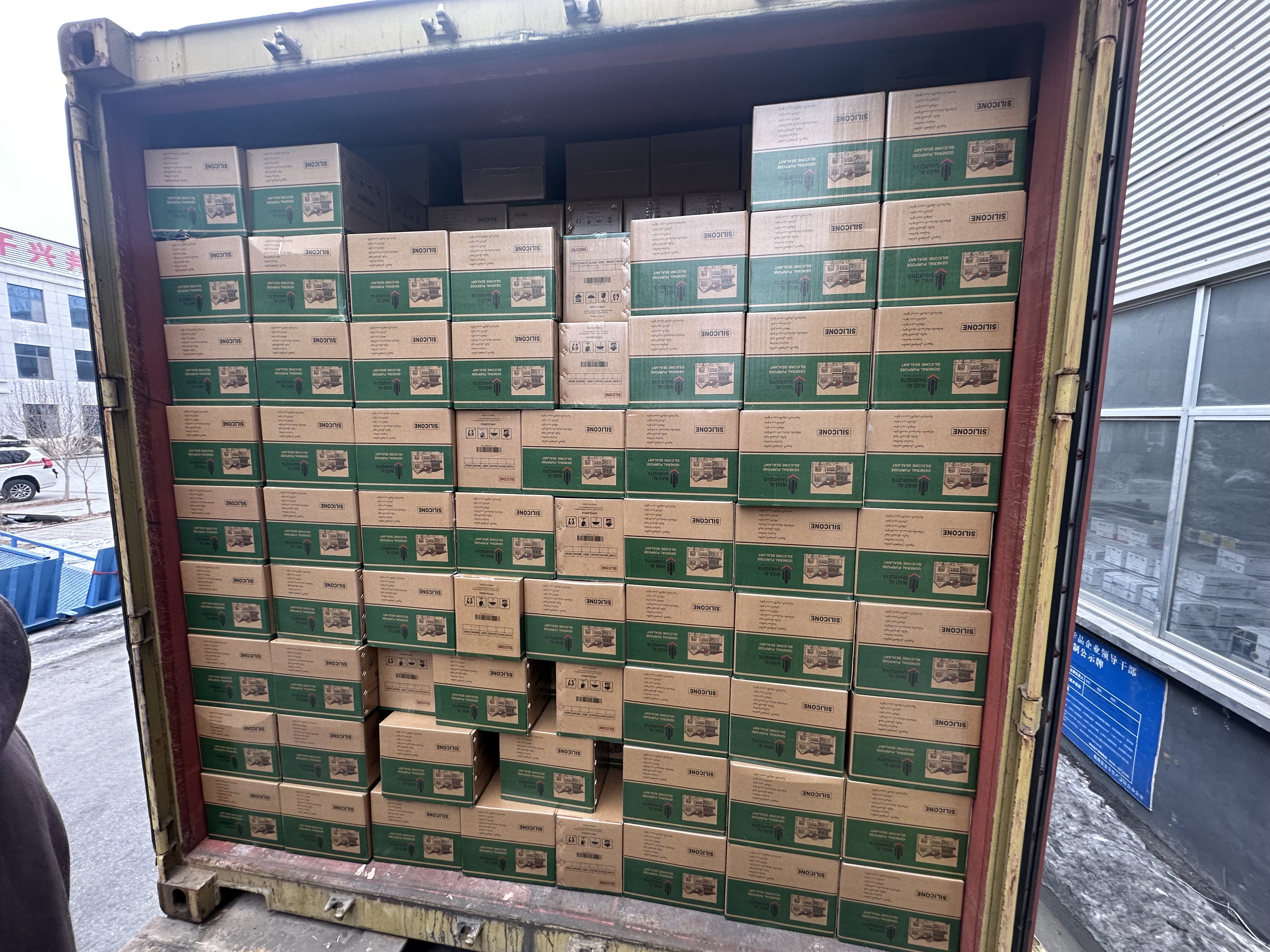
Packaging and closure details are practical audit points: they should be linked to a drawing, a material grade and an approved print proof.
Tem questões ou precisa de mais detalhes?
Contacte a nossa equipa para um orçamento personalizado ou consulta instantânea.
Solicitar orçamento
Preencha o formulário abaixo e a nossa equipa entrará em contacto com uma proposta personalizada.
Chat direto do WhatsApp
Prefere conversar em tempo real? Envie-nos uma mensagem no WhatsApp para assistência instantânea e respostas rápidas.
- Obter orçamento personalizado
- Partilhar fotos ou documentos
- Discuta as suas necessidades diretamente
Geralmente responde em 5–30 minutos durante o horário de expediente.