
Sinotruk Global Distributors: How HOWO Dealer Channels Work
Sinotruk global distributors are the commercial layer between a Chinese heavy-truck factory and the fleet that actually operates the vehicle. For buyers in Africa and other export markets, the practical question is rarely whether HOWO trucks exist — it is which entity holds the export relationship, what documentation it can produce, and what happens when a truck needs parts two years after delivery.
Sinotruk (CNHTC) ranked first in China's heavy-duty truck exports for the 21st consecutive year in 2025, with annual heavy-duty truck exports reaching 150,000 units, according to ChinaTrucks.org. In January 2026, the same source reported that Sinotruk exported 16,000 heavy-duty trucks in a single month. Volume at that scale does not move through a single sales desk. It moves through a layered structure of authorized exporters, overseas distributors, national dealers and parts suppliers — the structure international buyers usually compress into one search phrase: Sinotruk global distributors.
This industry reference explains how that channel structure is normally composed, what a SINOTRUK global distributor or HOWO overseas distributor can and cannot control, which products pass through these channels, and which criteria are worth verifying before a purchase order is signed.
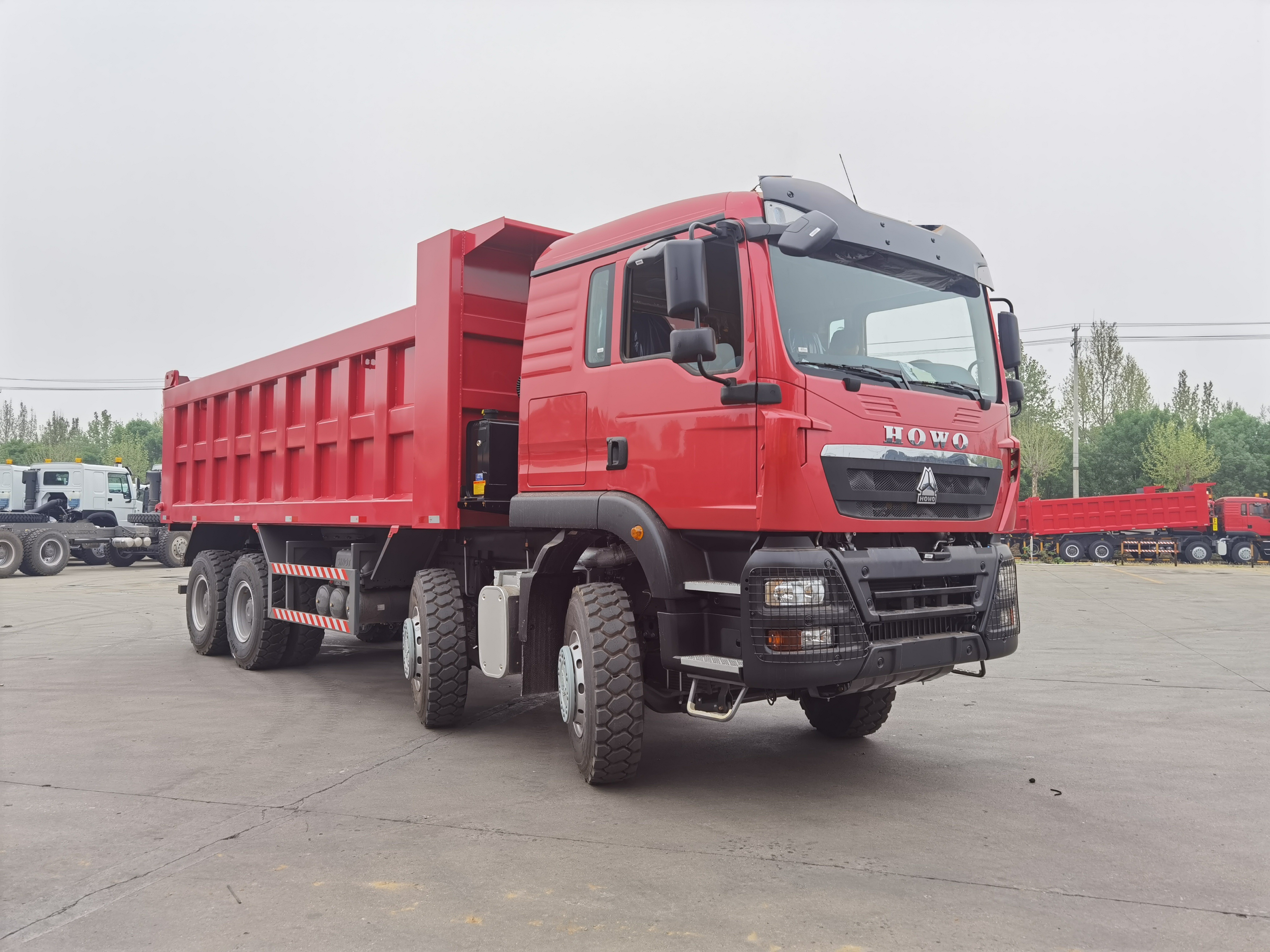
Figure 1 — A SINOTRUK HOWO TX 8x4 dump truck in a typical construction and mining application. Units of this class normally reach overseas fleets through distributor or dealer channels rather than direct factory sales.
What the Term Sinotruk Global Distributor Actually Covers
Buyers use one phrase for several different commercial roles. In heavy-truck export, four roles usually appear between the factory and the end user, and each one controls a different part of the transaction. Confusing them is the most common source of misunderstanding in overseas procurement.
| Role | Typical function | What it usually controls | What it does not control |
|---|---|---|---|
| Manufacturer (SINOTRUK / CNHTC) | Designs and builds the vehicle; publishes model, chassis and configuration data | Production specification, model codes, factory build standard | Local pricing, local service response, regional stock decisions |
| Authorized exporter | Holds the export and contracting relationship; consolidates orders, documentation and shipment | Contract terms, export documents, configuration coordination with the factory | In-country aftersales capability unless it operates locally |
| Overseas / national distributor | Holds country-level sales responsibility; may run stock, parts and service | Local availability, delivery lead time, parts stock decisions | Factory build standard and model homologation itself |
| Dealer or sub-dealer | Front-line sales, handover and first-line service | Customer contact, local service quality | Pricing authority outside its mandate, factory warranty terms |
In practice, a single company may hold more than one of these roles. Some exporters also operate as country distributors through subsidiaries, which is a materially different proposition for a buyer than an exporter that ships and hands over at the port. The distinction matters at the moment of first breakdown, not at the moment of quotation.
Why the Distributor Question Has Become More Important
Channel structure has become a procurement topic because export volume itself has grown. The following figures describe the environment in which distributor selection now happens.
| Indicator | Value | Period | Source |
|---|---|---|---|
| Sinotruk position in China heavy-duty truck exports | First for the 21st consecutive year | 2025 | ChinaTrucks.org |
| Annual heavy-duty truck exports | 150,000 units | 2025 | ChinaTrucks.org |
| Single-month export record | 16,000 units in one month | January 2026 | ChinaTrucks.org / Vertex AI Search |
| Sinotruk (Hong Kong) Limited revenue | RMB 95.06 billion, up 11.2% year on year | 2024 | Sinotruk (Hong Kong) Limited Annual Report 2024 |
| Heavy-duty truck export volume | 134,038 units, up 3.1% | 2024 | Sinotruk (Hong Kong) Limited Annual Report 2024 |
| HOWO share of China heavy truck exports | Approximately 50%, as reported | Late 2024 | HOWO Truck Official (third-party estimate) |
| Chinese brand share of Tanzania new truck market | Approximately 70%, led by Sinotruk and Jiefang | 2024 | SABSV Truck Analysis |
For buyers, the useful reading of these figures is not the total, but the distribution. When a brand supplies a large share of a region's new heavy trucks, competition shifts from product availability to supply-chain quality: who holds stock, who can confirm a chassis number against factory records, who carries a spare-parts inventory locally, and who can respond inside a working week rather than a shipping cycle.
Where QINGONG Sits in the SINOTRUK Export Channel
JINAN QINGONG INTERNATIONAL TRADE CO.,LTD is a heavy-duty truck and construction machinery exporter established in 2008 and based in Jinan City, Shandong Province, China. The company states that it is an official exporter of SINOTRUK, SHACMAN and FAW, cooperates with BEIBEN, Dongfeng, FOTON, XCMG, SHANTUI, SEM and SANY, and manages the export of QINGONG products.
Three facts about this entity are directly relevant to a distributor evaluation:
- Scale of the export operation. The company reports exports to more than 100 countries with an annual sales volume exceeding USD 200 million, and an export ratio of approximately 90%, with Africa as the main market.
- Regional presence, not just shipping. Since 2023, the group has established subsidiaries in Tanzania, Indonesia, Zambia and Laos, which the company describes as covering the East Africa and Southeast Asia regions. For a buyer, subsidiaries in the destination region change the aftersales conversation; an entity with a local operating base has a different cost structure for support than one that only consolidates containers.
- Own production and customization capacity. The manufacturing facility covers 4,500 square meters, employs approximately 300 staff, and reaches an annual production capacity of 3,000 units, supported by a research and development team of 80 engineers. The company also states that OEM, ODM and customized manufacturing production services are available.
This combination — authorized export relationship plus regional subsidiaries plus in-house customization — describes an exporter that behaves partly like a distributor. That is a common pattern in the SINOTRUK overseas channel and it changes what a buyer should ask during due diligence, because the same entity may be quoting, contracting, configuring and supporting the vehicle.
What Actually Moves Through These Channels
Channel structure is only meaningful if it matches the product. The QINGONG export portfolio centres on SINOTRUK HOWO trucks and related heavy equipment, including dump trucks, water trucks, fuel tankers, mining trucks, tractor trucks, semi trailers, concrete mixers and garbage trucks. Three units are representative of what an overseas distributor or dealer typically configures for African construction and mining customers.
| Model | Configuration as specified | Primary application |
|---|---|---|
| SINOTRUK HOWO TX 8x4 Dump Truck, model ZZ3317V386GB1 | TX-F single sleeper cab with air conditioning and safety belt; cargo volume 25–30 CBM; rated load capacity 40 tons; carbon steel | Mining, construction, building and road building |
| SINOTRUK HOWO TX 6x4 Dump Truck, model ZZ3257V3847GB1 (specification also lists ZZ3257V384GB1) | WD615.47 engine, 371 HP, Euro II; HW19710 transmission, 10 forward and 2 reverse gears; cargo box 5400 x 2300 x 1500 mm with 8 mm bottom and 6 mm side, middle lifting system; 300 L fuel tank; 12.00R20 radial tyres with one spare; left-hand drive; overall dimensions 8400 x 2500 x 3400 mm | Mining and construction; cement and concrete production |
| SINOTRUK HOWO TX Water Tanker Truck, model ZZ1257V464GB1 | TX-F cab with single bunk, air conditioning and safety belts; capacity 20,000 L to 25,000 L; carbon steel Q235; equipped with water spray | Construction, building, cement, road works, mining and concrete |
It is worth noting that Sinotruk's own product portal lists a separate 8x4 HOWO dump truck variant under chassis code ZZ3317V3567B1, specified with a 380 HP Weichai engine, a 10-speed HW19710 transmission and a cargo body volume of up to 30 CBM. The chassis codes and ratings differ from the QINGONG-supplied TX 8x4 unit above. Buyers comparing quotations should confirm the exact chassis code rather than the marketing name, because the HOWO nameplate covers multiple specifications.
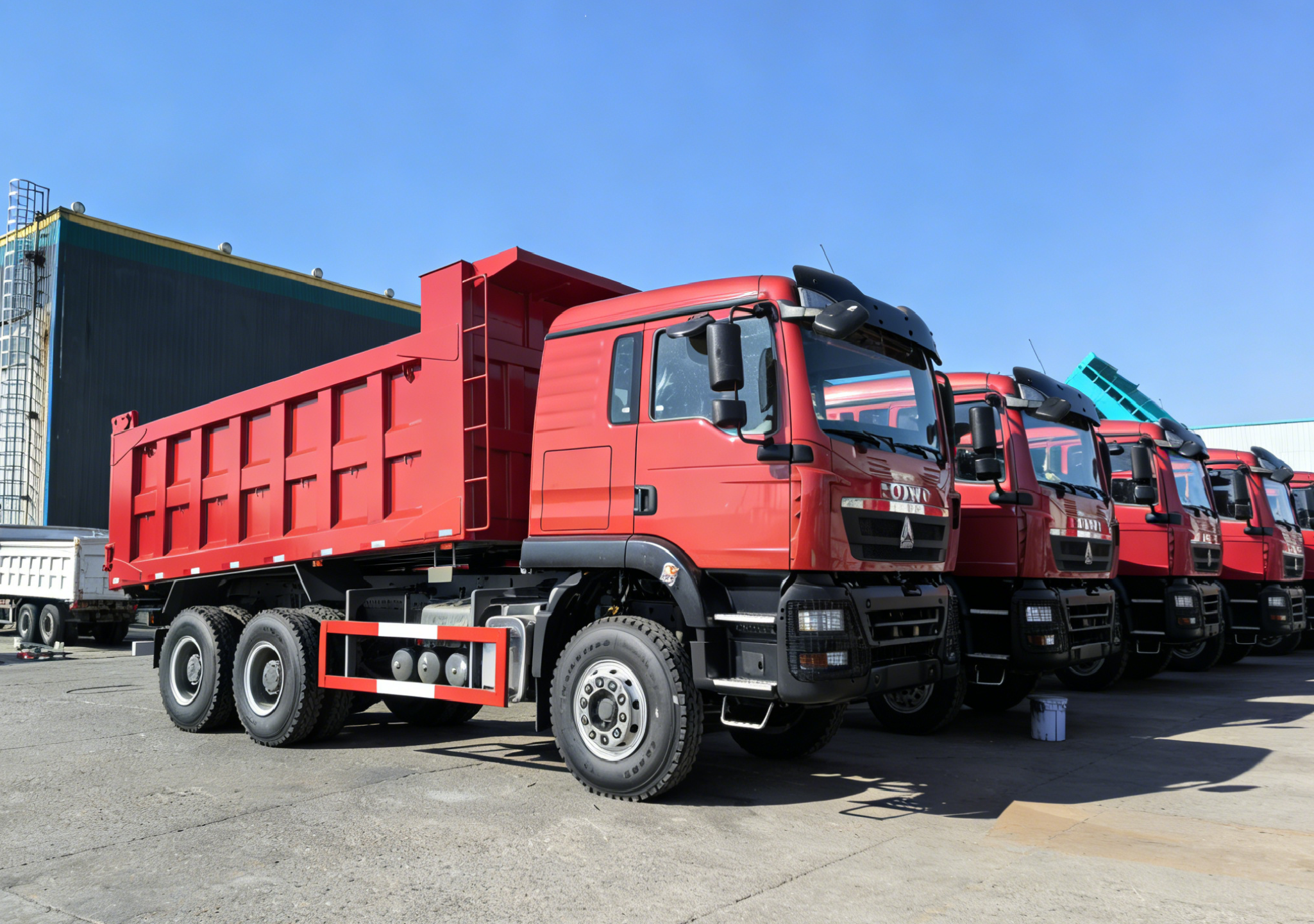
Figure 2 — SINOTRUK HOWO TX 6x4 dump truck. Chassis code and configuration details, not the brand name alone, determine which specification a distributor is actually quoting.
Application Fit: Where These Vehicles Are Specified
The distributor question is inseparable from the operating environment, because the configuration a dealer proposes should follow the working conditions of the site. The application profile associated with this product line covers construction, cement, concrete and mining industries, and is documented for markets across Africa, including Senegal, Mali, Mauritania, Côte d'Ivoire, Tanzania, Zambia, Kenya, Nigeria, Ghana, Angola and others.
The stated working conditions are high temperature, heavy load, desert roads, rough mining terrain and humid tropical environments. Typical project types include road construction, mining excavation, urban infrastructure, oil transportation and municipal sanitation, with operation modes described as continuous heavy-duty operation, long-distance transport and off-road mining operation. The equipment these trucks are matched with — excavators, loaders, batching plants, fuel stations, bulldozers and graders — is also a procurement signal: a distributor that understands the surrounding fleet is more likely to propose a workable configuration.
The stated special requirements for these applications are high durability, low maintenance, strong load capacity and fuel efficiency optimization. Those four requirements are also, in practice, the four questions a buyer should test a potential SINOTRUK Africa distributor against: what durability evidence exists for the specific site conditions, what maintenance intervals and parts are involved, what payload the configuration actually delivers, and how fuel consumption will be measured after handover.
Market Trend Analysis: Channel Maturity Follows Volume
Two trends are visible in the available data, and both affect how buyers should read distributor claims.
1. Export growth is increasingly channel-led rather than transaction-led. Sinotruk's heavy-duty truck exports reached 150,000 units in 2025 and set a single-month record of 16,000 units in January 2026. Growth at that pace cannot be serviced purely by one-off container sales. It requires distributors and dealers that carry stock, hold parts and provide first-line service, which is why questions about local presence have moved from the margin of a negotiation to its centre.
2. Regional concentration is increasing, particularly in Africa. In the Tanzanian new car market, Chinese brand trucks led by Sinotruk and Jiefang are reported to account for approximately 70% market share in 2024. Where a brand already holds a large share of new registrations, the marginal value of an additional unit sold is lower than the value of retained fleet support. That shift favours distributors with workshops and parts stock over intermediaries that only sell.
A third, quieter trend is the separation of roles. As volumes grow, the entities that consolidate export orders and the entities that support fleets locally increasingly diverge. Buyers should therefore treat authorization, local presence and service capability as three separate checks rather than assuming one implies the others.
Channel Supply Compared with Used and Locally Assembled Alternatives
New HOWO vehicles bought through a distributor are one of several options in most African markets, alongside European used trucks, second-hand imports and low-cost locally assembled trucks. The comparison below summarises the differences as stated in the manufacturer's product communication; it should be treated as a supplier-side position to validate against site conditions rather than an independent test result.
| Comparison dimension | New SINOTRUK HOWO via distributor channel | Used or low-cost assembled alternatives |
|---|---|---|
| Structure and reliability | Stated as higher reliability and a stronger structure | Stated as lower structural strength and shorter service life |
| Service life | Stated as 2–3 times longer than the alternatives compared | Baseline for the same comparison |
| Maintenance cost | Stated as 30–50% lower total maintenance cost compared with used trucks | Higher stated total maintenance cost |
| Fuel and uptime | Stated as lower fuel consumption and higher uptime under continuous operation | Stated as higher fuel use and lower uptime |
| Lifecycle cost | Stated as lower lifecycle cost despite a competitive initial price | Lower purchase price, higher cumulative operating cost |
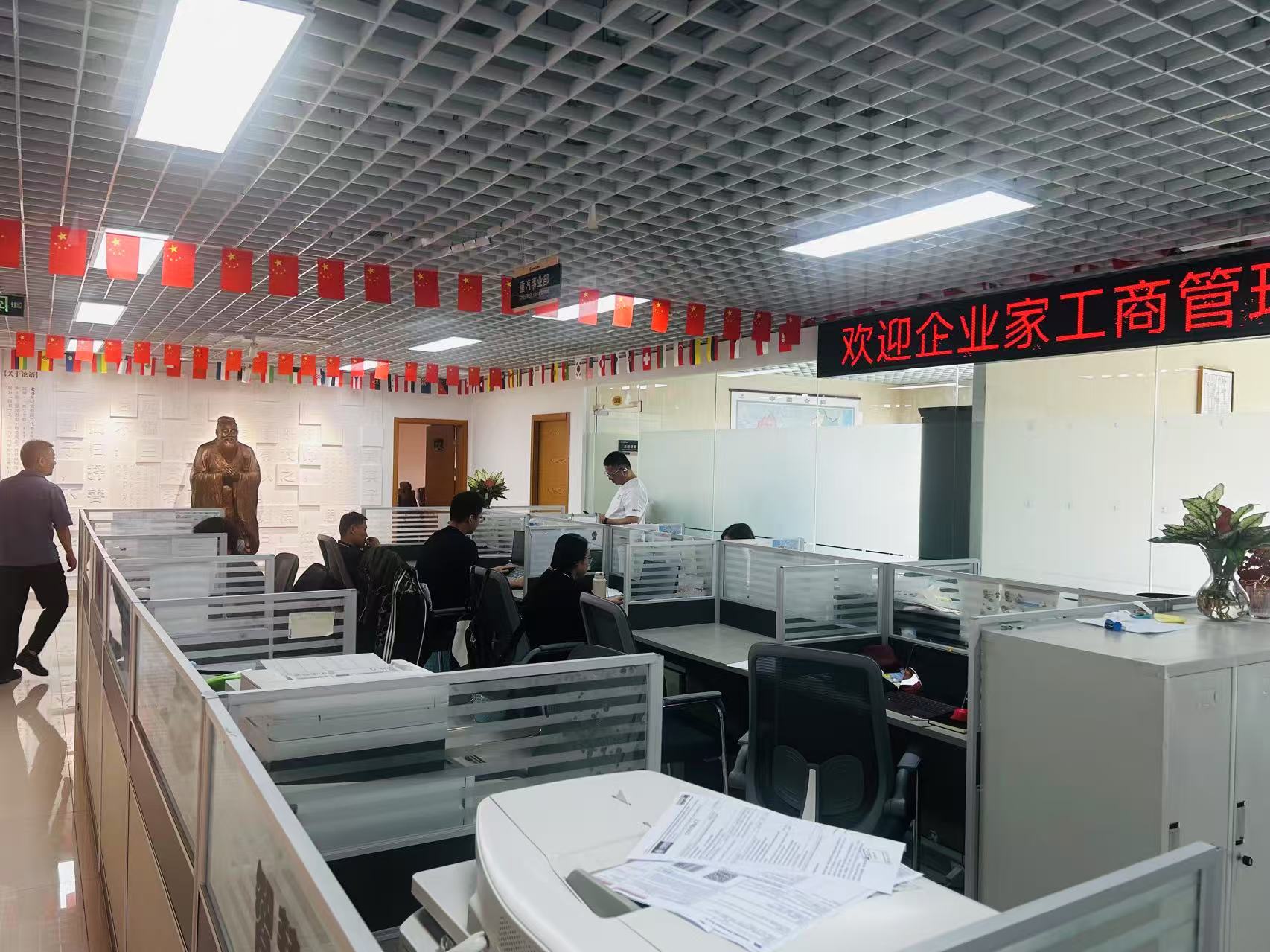
Figure 3 — Export operations and documentation support. For overseas buyers, the operational capacity behind a distributor quotation is as relevant as the vehicle specification itself.
Procurement Criteria for Evaluating a SINOTRUK or HOWO Distributor
The following checklist converts the channel structure above into verifiable questions. It applies whether the buyer is searching for a SINOTRUK global distributor, a HOWO international dealer, or a national distributor in a specific market such as Senegal, Mali, Mauritania or Côte d'Ivoire.
| Check | Question to ask | Why it matters |
|---|---|---|
| Authorization | Which factory relationship does the entity hold, and in what capacity — exporter, distributor or dealer? | Determines who can confirm factory build records and warranty terms |
| Configuration precision | What is the exact chassis code, engine model, transmission and emission standard? | The HOWO nameplate covers multiple chassis codes and ratings |
| Local presence | Does the entity operate in the destination region rather than only at origin? | Affects service response time and parts availability |
| Parts and service plan | What parts are held locally, and what are the stated maintenance intervals? | Directly drives lifecycle cost |
| Compliance path | Which emission, safety or dangerous-goods standards apply to this unit in this market? | An off-standard unit can be unregistrable |
| Adaptation capability | Can the supplier support OEM, ODM or customized manufacturing requirements? | Relevant where site conditions or fleet standardization demand changes |
| Documentation | Can the supplier produce a full technical and shipping document set before payment? | Reduces port clearance and registration risk |
Boundaries: What a Distributor Relationship Does Not Guarantee
A useful reference article states limits as plainly as benefits. Four boundaries are worth holding onto.
- A distributor relationship does not guarantee a specific vehicle specification. The configuration is fixed by the chassis code and build sheet, not by the brand name.
- It does not guarantee regulatory acceptance. Emission standards such as Euro II and dangerous-goods requirements such as ADR and UN safety standards are market-specific and are not resolved by the sales channel.
- It does not automatically deliver local service quality. Regional subsidiaries — as QINGONG describes for Tanzania, Indonesia, Zambia and Laos — indicate presence, but buyers should still confirm parts stock and workshop capability for their own location.
- It does not eliminate the trade-off between purchase price and lifecycle cost. Lower upfront cost alternatives exist; the argument for new units via a distributor rests on total cost over the operating period, not on the invoice.
Future Outlook
If Sinotruk holds its position as China's leading heavy-duty truck exporter for a 21st consecutive year in 2025 and continues to set monthly export records into 2026, the pressure shifts from how many trucks a channel can sell to how reliably it can keep them running. That favours distributors and authorized exporters that combine three capabilities: contracting capacity at origin, in-region operational presence, and verifiable documentation for each unit.
For buyers, the practical consequence is that distributor evaluation is becoming less about brand representation and more about operational evidence. Product specification remains the starting point, but the questions that decide a fleet's cost per kilometre are increasingly answered by parts availability, configuration accuracy and compliance readiness. Entities such as JINAN QINGONG INTERNATIONAL TRADE CO.,LTD, which combine export authorization with subsidiaries and in-house customization, illustrate the direction the channel is moving — while the limits described above remain the criteria against which any such claim should be tested.
FAQ
1. What is a Sinotruk global distributor?
A Sinotruk global distributor is a commercial entity outside China that holds responsibility for selling SINOTRUK heavy-duty trucks and, depending on its role, for local stock, parts and service. The term is used loosely and can describe an authorized exporter, a country-level distributor, or a dealer. These roles differ in what they control: an exporter handles contracts, documents and configuration, while a distributor typically handles local availability and aftersales in the destination market.
2. How is a SINOTRUK overseas distributor different from a HOWO overseas distributor?
SINOTRUK is the manufacturer group, while HOWO is a truck brand within its product range. An entity described as a HOWO overseas distributor is generally focused on the HOWO model family — such as the HOWO TX dump truck and HOWO TX water tanker truck — rather than on the full SINOTRUK catalogue. When comparing quotations, the more precise identifier is the chassis code, for example ZZ3317V386GB1 for a HOWO TX 8x4 dump truck, because the HOWO nameplate covers multiple specifications.
3. Which markets are covered by HOWO truck supply through these channels?
The application profile associated with this product line covers construction, cement, concrete and mining industries with documented market references across Africa, including Senegal, Mali, Mauritania, Côte d'Ivoire, Tanzania, Zambia, Kenya, Nigeria, Ghana and Angola, among others. Stated working conditions include high temperature, heavy load, desert roads, rough mining terrain and humid tropical environments. Market coverage does not by itself confirm local service capability, which should be verified separately for each destination.
4. What SINOTRUK HOWO models are typically supplied through distributor channels?
Portfolios in this segment typically include dump trucks, water trucks, fuel tankers, mining trucks, tractor trucks, semi trailers, concrete mixers and garbage trucks. Representative configurations in the QINGONG export range include the SINOTRUK HOWO TX 8x4 Dump Truck (model ZZ3317V386GB1, 25–30 CBM cargo volume, 40 tons rated load), the SINOTRUK HOWO TX 6x4 Dump Truck (model ZZ3257V3847GB1, 371 HP, 5400 x 2300 x 1500 mm cargo box) and the SINOTRUK HOWO TX Water Tanker Truck (model ZZ1257V464GB1, 20,000 L to 25,000 L, carbon steel Q235).
5. Which compliance requirements affect HOWO truck distribution?
Compliance depends on the model and the destination market. The HOWO TX 6x4 dump truck in this portfolio is specified with Euro II emissions, which is relevant in markets that require later emission standards for new vehicle registration. HOWO tank trucks used for dangerous goods in international trade typically require ADR certification and compliance with UN safety standards. A water tanker truck and a fuel tanker are therefore not subject to the same compliance path, and requirements should be confirmed against the specific market before ordering.
6. What are the limitations of buying through a distributor rather than directly from the factory?
A distributor relationship adds a commercial layer between the buyer and the manufacturer, which can affect pricing transparency, lead time and the directness of warranty communication. It does not guarantee local parts stock, workshop capability or regulatory acceptance in every market, and it does not change the underlying vehicle specification. The trade-off is usually favourable where the distributor provides genuine regional presence, documentation support and parts availability; where it does not, the additional layer adds cost without adding service capacity.
For readers who want the full technical specification set covering the models discussed above, the QINGONG Group products catalogue is available for download: QINGONG Group Products Catalog 2026. Company information is published at www.howoqg.com.