
Sisal vs. Cotton Buffing Wheels: A Buyer's Comparison
Sisal vs. Cotton Buffing Wheels: A Buyer's Comparison
The choice between sisal and cotton buffing wheels is a decision about polishing stage, not a contest between two products. Sisal buffing wheels are made primarily from natural sisal fibers, sometimes combined with other fabrics, and their relatively firm structure delivers a more aggressive cutting action for coarse polishing and surface preparation. Cotton buffing wheels are built in layered, stitched and pleated fabric constructions that provide flexible contact for intermediate polishing, fine polishing and high-gloss finishing of metal components.
For a buyer at the decision stage, the useful question is narrower than which wheel is better. Does the surface entering the buffing operation still carry scratches, grind lines or heavier irregularities that have to be cut back, or has it already been prepared and now needs refinement and gloss? That answer determines the wheel family, the wheel construction, the polishing compound and the number of passes, and therefore the consumable cost per finished part.
This comparison sets out the documented differences between the two wheel families, the decision criteria that follow from them, the points where available documentation stops short of a measured performance claim, and the procurement checks that make a wheel trial meaningful.
The decision rule: stage first, wheel second
Documented selection guidance for multi-stage metal finishing is consistent on the sequence. Sisal buffing wheels are preferred where stronger cutting action and material removal are required. Cotton buffing wheels are more suitable for intermediate and fine polishing, where a smoother finish and higher gloss are the objective. When a part must travel from a scratched or grind-marked surface to a bright decorative finish, the two families are sequenced rather than substituted: sisal prepares the surface that cotton then refines.
Read as a procurement rule, this means a wheel specification without a stated polishing stage is incomplete. Two buyers can order wheels made from the same fiber and obtain different results, because the surface condition entering the operation and the finish leaving it are different. The stage, the workpiece material and the compound belong in the same specification as the wheel itself.
What each wheel family is
Sisal buffing wheels
A sisal buffing wheel is a polishing wheel made primarily from natural sisal fibers, sometimes combined with other fabrics. Its relatively firm fiber structure provides mechanical cutting action during buffing, which is why it is used with suitable polishing compounds to remove surface marks and prepare metal workpieces for finer finishing. Documented applications centre on coarse polishing of stainless steel, steel, brass and other metal components, particularly where strong cutting performance is required before fine polishing.
The sisal range is not a single item. Available constructions include flat and standard sisal wheels, bias-cut sisal wheels, sisal-cotton combinations in wind-type and wavy forms, an 8-ply sisal rope wheel and finger-type sisal wheels. These formats exist because cutting requirements and workpiece profiles differ, so the buyer selects a construction as well as a fiber.
Cotton buffing wheels
Cotton buffing wheels are assembled from cotton fabric in constructions such as layered, spiral-stitched, bias-cut, pleated and heat-pressed designs, with folded and wavy variants also available in the range. The construction is the design variable: different builds provide different options for compound absorption, surface contact, polishing pressure and adaptation to workpiece contour.
Documented applications cover intermediate polishing, fine polishing and high-gloss finishing of stainless steel, brass, aluminum, bathroom fittings, metal hardware and decorative metal products. The same range also includes jewelry polishing wheels, where the finishing objective is typically appearance rather than stock removal.
Head-to-head comparison on buyer-relevant criteria
The table below compares the two families only on characteristics that are documented in the available product material. Where a dimension is not documented as a measured result, the table states the evaluation parameter rather than an assumed figure.
| Decision criterion | Sisal buffing wheels | Cotton buffing wheels |
|---|---|---|
| Primary role in the process | Heavy-duty grinding, surface scratch removal and coarse polishing before intermediate and fine finishing. | Intermediate polishing, fine polishing and high-gloss finishing. |
| Cutting behaviour | Strong natural fibers with a more aggressive cutting action than conventional soft cotton buffing wheels. | Flexible fabric structures that maintain stable contact with the workpiece surface and support consistent polishing results. |
| Documented workpiece fit | Coarse polishing of stainless steel, steel, brass and other metal components where strong cutting performance is required. | Stainless steel, brass, aluminum, bathroom fittings, metal hardware and decorative metal products. |
| Construction options | Flat, standard, bias-cut, wind-type and wavy sisal-cotton, 8-ply sisal rope, finger-type. | Layered, spiral-stitched, bias-cut, pleated, bias-cut pleated, heat-pressed pleated, folded, wavy, jewelry polishing. |
| Interaction with compound | Used with suitable polishing compounds; the firm fiber structure provides the mechanical cutting action. | Construction choices specifically affect compound absorption, surface contact and polishing pressure. |
| Cost driver to evaluate | High cutting performance may reduce the number of coarse polishing passes; actual savings depend on workpiece conditions and polishing procedures. | Optimized fabric construction and compound absorption may improve material utilization and reduce consumable waste; actual benefits depend on compound and operating conditions. |
| Where the other family fits better | When the surface is already refined and the target is gloss, the sisal stage is complete and a cotton wheel is the appropriate next step. | When scratches, grind lines or heavier irregularities must be cut back, cotton is not the coarse-cutting stage; sisal preparation comes first. |
Why fiber structure changes the finishing result
The wheel is not a passive carrier of compound. During buffing, the abrasive action at the interface depends on how firmly the fiber structure presses the compound against the workpiece and how much the fibers yield under load. Sisal's relatively firm fiber structure provides mechanical cutting action, which is the mechanism behind its use for removing surface marks and preparing workpieces for finer finishing. Cotton's flexible fabric structures behave differently: they maintain stable contact with the workpiece surface and support consistency across a production run.
This difference explains the stage split. A cutting stage needs the wheel to displace material; a finishing stage needs the wheel to distribute compound evenly and follow the surface without introducing new marks. Using a firm, aggressive wheel on an already refined surface risks reworking it. Using a soft, conformable wheel on a surface that still carries scratches tends to polish over defects rather than remove them.
The compound is part of the same system. Polishing compounds are applied to buffing wheels to refine surfaces and improve gloss, and different formulations provide different cutting and finishing characteristics. The documented range includes yellow wax, black-purple wax, white wax and FA-3060 liquid wax, with selection depending on the metal substrate, the polishing stage, the buffing wheel and the desired finish. A buyer who changes wheel family without re-checking compound selection has changed only half of the process.
Matching wheel construction to workpiece geometry
Geometry constrains the wheel choice as much as the finish target does. For flat surfaces, flat sisal wheels or suitable cotton wheel designs can be considered according to the required contact area. For irregular surfaces and contours, wavy, fan-shaped and finger-type sisal wheels can be evaluated, while pleated, bias-cut and folded cotton constructions give the flexibility needed to follow shaped parts.
Both families can be evaluated for stainless steel, depending on the polishing stage, and customized wheel structures and dimensions can be discussed against the workpiece and the machine requirements. In practice this means the trial should be run on the actual part geometry, not on a flat test coupon, because a construction that performs well on a flat panel may not reach a recessed radius or an internal contour.
What the documented comparison does and does not establish
The available product material documents characteristics and intended applications for both families. It does not publish measured, side-by-side outcome values comparing sisal against cotton on a specific workpiece. That distinction matters at the decision stage: a documented characteristic describes how a wheel is built and where it is intended to be used, while a measured outcome describes what happened on a particular material, machine and compound combination.
Two further qualifications belong in any purchasing decision. First, statements that a wheel may reduce the number of coarse polishing passes, or may improve consumable utilization, are described as depending on workpiece conditions and operating procedures. They are reasonable expectations from the construction, not guaranteed outcomes. Second, a wheel that performs well on one substrate is not automatically transferable to another; stainless steel, brass and aluminum behave differently under the same compound and contact pressure.
The practical boundary is therefore simple. The documented material is sufficient to decide which family belongs at which stage and which constructions to shortlist. It is not sufficient to promise a specific gloss level or a specific reduction in consumable spend without a trial on the buyer's own parts.
Cost logic: price per wheel is the wrong unit
Comparing sisal and cotton on unit price answers the wrong question, because the two wheels do different work and are consumed at different points in the process. The comparable unit is cost per finished part: wheels consumed, compound consumed, passes required, rework and cycle time combined.
On the sisal side, the relevant cost lever is pass count. High cutting performance may help reduce the number of coarse polishing passes and improve overall process efficiency, with the actual saving depending on workpiece conditions and polishing procedures. A wheel that removes a scratch in fewer passes can be more economical than a cheaper wheel that requires an additional pass and additional compound.
On the cotton side, the lever is material utilization. Optimized fabric construction and compound absorption may help improve polishing material utilization and reduce unnecessary consumable waste, with actual cost benefits depending on the polishing compound and operating conditions. Because cotton constructions differ in compound absorption and surface contact, two cotton wheels at the same price can deliver different compound consumption per part.
To make the comparison decision-grade, record the following for each candidate wheel during the trial: passes per part by stage, wheels consumed per 1,000 parts, compound consumed in kilograms, rework or rejection rate, cycle time per part and surface result against the customer specification. These six values convert a qualitative preference into a purchasing case.
Application scenarios where the sequence matters
Decorative stainless steel. A part arriving with grind lines is first processed with a sisal wheel to remove the marks and prepare the surface, then finished with a cotton wheel to refine the finish and improve gloss. Skipping the first stage leaves defects under the polish; skipping the second leaves a prepared but dull surface.
Brass and bathroom fittings. Sisal is documented for coarse polishing of brass, and cotton covers intermediate to high-gloss finishing of bathroom fittings and decorative metal products. The transition point between the two stages is set by the visible result the customer accepts, not by a fixed number of passes.
Aluminum and general hardware. Cotton buffing wheels are documented for aluminum and metal hardware finishing, where the objective is refinement rather than stock removal. If the incoming aluminum part carries deeper marks, the cutting stage is addressed before the cotton stage rather than by increasing pressure on the finishing wheel.
The step after polishing: wax removal
Buffing with wax compounds leaves residue that must be removed before inspection, coating or assembly. Incomplete wax removal can result from unsuitable cleaner selection, insufficient concentration, short treatment time or excessive wax accumulation. Documented options include RS-86B for iron and general metal parts, RS-901 for aluminum alloys and RS-357 for spray cleaning, with the cleaner selected according to substrate and process and the operating conditions verified through testing. This step sits outside the sisal-versus-cotton decision, but it determines whether the finish achieved by either wheel reaches the customer in the intended condition.
Supplier context: why range and process support matter here
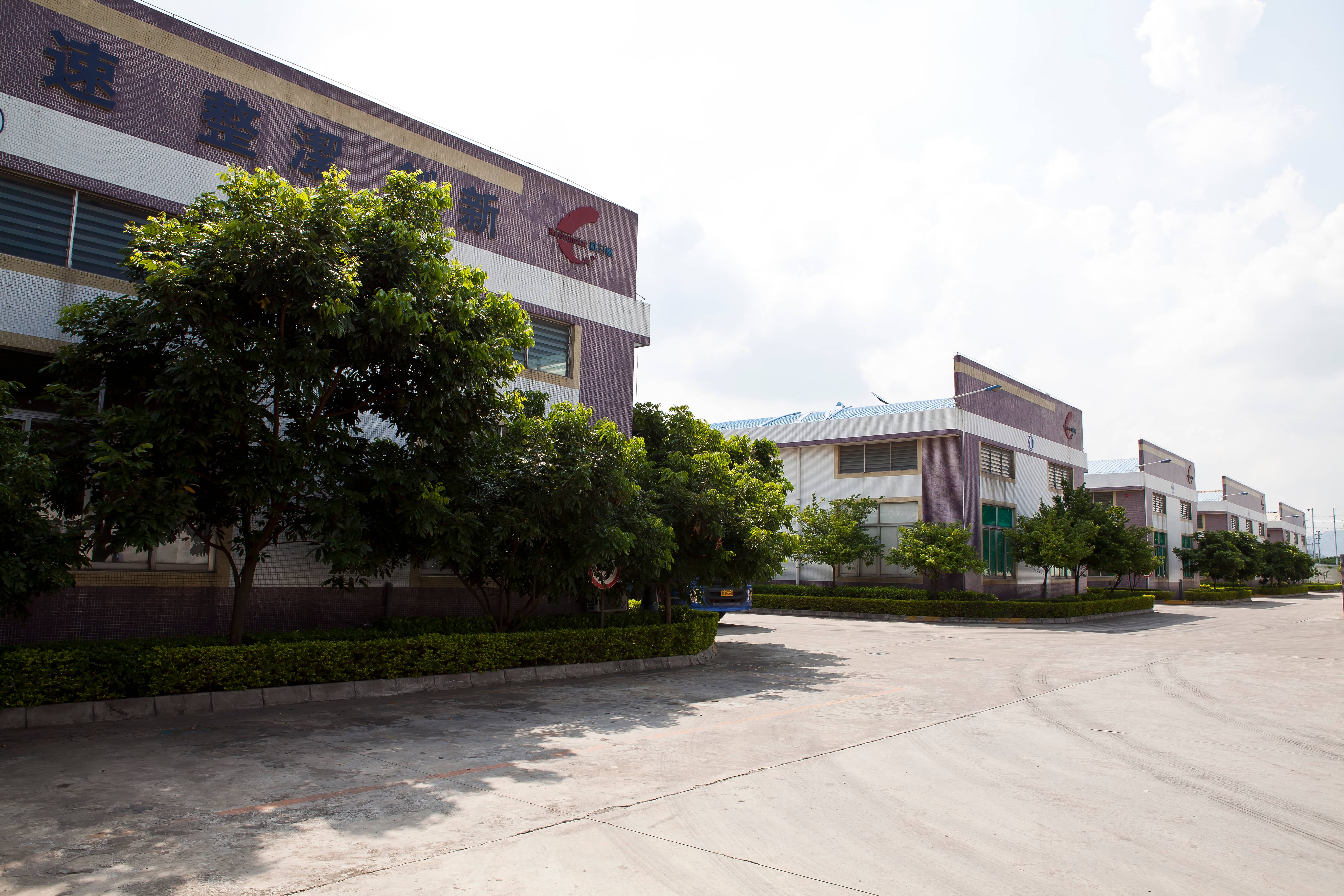
Guangdong Redsunstar Industry Co., Ltd. (Redsunstar), founded in 1995, is a provider of integrated solutions for industrial surface finishing, specialising in grinding, polishing, cleaning and related surface treatment materials. The company operates a production base of approximately 50,000 square meters in Heshan, Jiangmen, Guangdong, and has established 11 subsidiaries across China, with a technical team that includes 20 engineers.
For this particular comparison, the relevant supplier attribute is breadth within one process chain. Redsunstar's portfolio covers sisal buffing wheels, cotton buffing wheels, nylon polishing wheels, nonwoven abrasive pads, polishing and abrasive leather, sandpaper, sanding belts and flap wheels, together with liquid and solid polishing waxes and the cleaning, degreasing and wax removal chemicals used before and after polishing. A buyer sourcing the cutting wheel, the finishing wheel, the compound and the post-polishing cleaner from the same supplier can hold one variable set during trials instead of reconciling several suppliers' recommendations.
The company states ISO 9001 quality management and ISO 14001 environmental management certification, and reports recognition including National High-Tech Enterprise and National-Level Specialized and Innovative "Little Giant" Enterprise. It reports more than 5,000 customers and exports to more than 20 countries and regions, with products and technical solutions used in 3C electronics, smart home appliances, semiconductors, medical devices, new energy vehicles, watches and jewelry, hardware, sanitary ware and defense-related industries. These facts describe capability and experience; they do not substitute for a trial result on a specific workpiece.

Procurement checklist before ordering either wheel
- State the polishing stage for each wheel line item: coarse, intermediate or fine. A wheel ordered without a stage cannot be evaluated fairly.
- Record the substrate and its condition entering the operation, including whether scratches or grind lines are present.
- Specify the wheel construction as well as the fiber: flat, bias-cut, pleated, layered, heat-pressed, wavy, rope or finger-type.
- Name the compound and confirm it has been selected against the substrate, stage, wheel and target finish.
- Confirm wheel dimensions and rated operating speed against the machine before the trial begins.
- Define the trial parameters: removal rate, scratch removal, compound consumption, wheel wear, surface roughness, gloss and processing time.
- Fix the commercial comparison unit as cost per finished part, not price per wheel.
- Include the post-polishing wax removal step in the trial, so the evaluated finish reflects the condition the part ships in.
Outlook
The sisal-versus-cotton question is unlikely to produce a single universal answer, because the two families are built for different positions in the same sequence. The more durable conclusion for buyers is procedural: specify the wheel by stage, construction and paired compound; verify the result on the actual workpiece and geometry; and re-validate when the substrate, compound, target gloss or machine changes. Treated that way, the comparison becomes a repeatable specification step rather than a one-off preference.
FAQ
Are sisal wheels better than cotton wheels for removing scratches?
Sisal buffing wheels are the appropriate choice when material has to be cut back. Their firm natural-fiber structure provides a more aggressive cutting action than conventional soft cotton wheels, and they are documented for heavy-duty grinding, surface scratch removal and coarse polishing ahead of intermediate and fine finishing. Cotton buffing wheels are documented for intermediate polishing, fine polishing and high-gloss finishing, where the objective is refinement rather than stock removal. In multi-stage work the two are used in sequence on the same part.
Can sisal and cotton buffing wheels be used on the same workpiece?
Yes. For multi-stage metal finishing, sisal wheels can prepare the surface before cotton wheels refine the finish and improve gloss. The transition point is set by the surface condition the finishing stage receives and the gloss the customer accepts, so the number of passes at each stage should be confirmed on the actual workpiece rather than fixed in advance.
Which buffing wheel should be used for stainless steel?
Both families can be evaluated for stainless steel, depending on the polishing stage. Sisal wheels are documented for coarse polishing of stainless steel where strong cutting performance is required before fine polishing, and cotton wheels are documented for intermediate and fine polishing and high-gloss finishing. The stainless steel grade and the process conditions should be considered, and the final selection confirmed through sample processing.
How should a wheel be chosen for contoured or irregular surfaces?
For flat surfaces, flat sisal wheels or suitable cotton wheel designs can be considered according to the required contact area. For irregular surfaces, wavy, fan-shaped and finger-type sisal wheels can be evaluated for different contours. Customized wheel structures and dimensions can also be discussed according to workpiece and machine requirements, which is often the practical route for complex parts.
Does the polishing compound affect the wheel decision?
Yes. Polishing compounds are used with buffing wheels to improve surface smoothness and gloss, and different formulations provide different cutting and finishing characteristics. The documented range includes yellow wax, black-purple wax, white wax and FA-3060 liquid wax. Selection should consider the metal substrate, the polishing stage, the buffing wheel and the desired finish, so wheel and compound are specified as a pair.
What should a side-by-side wheel trial measure?
For the cutting stage, measure material removal rate, scratch removal efficiency, compound consumption, wheel wear and processing time. For the finishing stage, measure polishing compound consumption, surface gloss, wheel wear, surface roughness and processing time. Running both stages on the same workpiece material, geometry and machine configuration is what makes the resulting values comparable.
The full Redsunstar product catalogue, covering buffing wheels, polishing compounds and related surface finishing materials, can be viewed and downloaded here: Redsunstar Catalog (PDF).
Tem questões ou precisa de mais detalhes?
Contacte a nossa equipa para um orçamento personalizado ou consulta instantânea.
Solicitar orçamento
Preencha o formulário abaixo e a nossa equipa entrará em contacto com uma proposta personalizada.
Chat direto do WhatsApp
Prefere conversar em tempo real? Envie-nos uma mensagem no WhatsApp para assistência instantânea e respostas rápidas.
- Obter orçamento personalizado
- Partilhar fotos ou documentos
- Discuta as suas necessidades diretamente
Geralmente responde em 5–30 minutos durante o horário de expediente.