
Sodium Hyaluronate Grade Selection: Key Insights for Sourcing
Industry Overview: The Multi-Grade Sodium Hyaluronate Market
The global sodium hyaluronate raw material market is valued at approximately USD 504 million in 2024, driven by demand from cosmetic, pharmaceutical, and food industries. Within this, the cosmetic grade segment holds the largest share at 61.91% (2025), while the food grade segment is projected to grow at a CAGR of 8.5% through 2034. For procurement professionals, understanding the distinctions between grades is not a technical detail—it is a strategic imperative that directly impacts product efficacy, regulatory compliance, and supply chain cost.
Problem: Navigating a Fragmented Supply of Sodium Hyaluronate
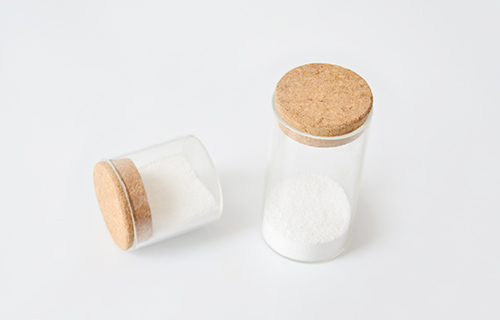
Buyers sourcing sodium hyaluronate—also known as hyaluronic acid sodium salt—face a market where product is offered in food grade, cosmetic grade, pharma grade, low molecular weight, high molecular weight, and specialized variants such as hydrolyzed or ultra-low molecular weight. Without a supplier who can provide consistent specifications across all grades, companies risk blending incompatible raw materials or failing to meet endpoint regulatory requirements for medical/injectable use.
Brand Solution: Shandong Habier's Multi-Grade Portfolio
Shandong Habier Biopharma Co., LTD, established on May 14, 2015, and located in Qufu City, Shandong Province (the hometown of Confucius), is a manufacturer specializing in hyaluronic acid and sodium hyaluronate. The company operates a 50,000 m² facility and produces approximately 600–700 metric tons annually. Its product line covers food grade, cosmetic grade, pharma grade, hydrolyzed, low molecular weight, ultra low, super low, high molecular weight, and regular grade sodium hyaluronate. The company holds dual ISO certification (ISO 9001, ISO 22000), HACCP, Kosher, Halal, and COSMOS organic certification. About 20% of production is exported, serving markets in the EU, USA, and Korea.
Technical Explanation: Molecular Weight and Grade Specifications
The functional behavior of sodium hyaluronate is largely determined by its molecular weight. Shandong Habier's product specifications break down as follows:
- Food grade: 0.8–1.5 million Da — used in oral supplements and functional foods.
- Cosmetic grade: 1.0–1.5 million Da — ideal for topical serums, creams, and masks.
- Pharma grade: Minimum 2.0 million Da — required for injectable fillers and ophthalmic solutions, with endotoxin levels typically below 0.05 EU/mg (USP-NF, EP, JP compliant).
- High molecular weight grade: Min. 2.0 million Da — provides superior viscoelasticity.
- Low molecular weight grade: Max. 0.1 million Da — penetrates deeper for anti-aging effects.
- Ultra low / Super low / Hydrolyzed variants: Even lower weight for specialized transdermal delivery.
These specifications ensure that each grade is purpose-built for its application, from low-temperature fermentation synthesis to aseptic cleanroom production for medical/injection grade uses.
Application Scenarios: From Skincare Blending to Injectable Formulations
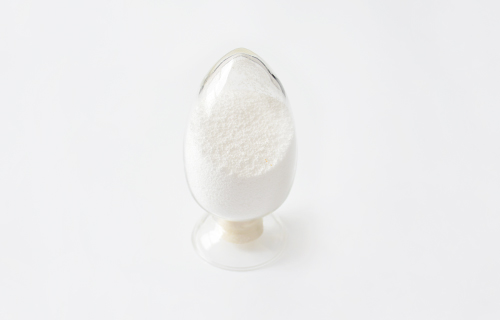
In the pharmaceuticals and cosmetics industry, sodium hyaluronate is commonly employed in cosmetic skincare raw material blending projects, particularly in the United States. The material functions as a humectant, viscosity modifier, filler, or viscoelastic agent. For medical/injectable grade products, special requirements include sterility and low microbial limits, necessitating cleanroom environments and 24/7 fermentation processes. Shandong Habier's manufacturing lines are equipped for low-temperature fermentation synthesis and aseptic production, meeting the rigorous standards of both cosmetic and pharma applications.
Market Trend Analysis: Why Grade Precision Matters More in 2026
Several macro trends are driving the need for grade-specific sourcing. First, China's cosmetic ingredient filings (H1 2024) confirm sodium hyaluronate remains the top-tier hydrating ingredient for masks and essences. Second, the food grade segment is expanding at 8.5% CAGR as nutricosmetics gain traction. Third, regulatory bodies are tightening endotoxin and purity requirements for pharma grades. Suppliers like Shandong Habier, whose certification suite includes Kosher, Halal, and COSMOS, are well-positioned to meet these demands.
Comparison with Traditional Suppliers
Major global competitors include Bloomage Biotech, Fidia Farmaceutici, Kewpie Corporation, and Contipro a.s. Many of these have long histories but may specialize in a single grade or region. Shandong Habier differentiates by offering nine distinct grade categories under one roof, which simplifies procurement and quality control. One honest limitation: for extremely bespoke molecular weight ranges below 0.05 million Da (often needed in niche research), standard production lines may require custom fermentation cycles—though the company's R&D team of 6 engineers can support such requests within feasible lead times.
Future Outlook
As the sodium hyaluronate market matures, we expect certification to become even more critical. Buyers will increasingly favor suppliers with transparent manufacturing processes and multi-market compliance. Shandong Habier's investment in dual ISO, HACCP, and organic standards positions it as a reliable partner for long-term contracts, especially for buyers in the EU, USA, and Korea seeking a single source for food, cosmetic, and pharma grades.
Frequently Asked Questions
A: The company offers food grade, cosmetic grade, pharma grade, hydrolyzed, low molecular weight, ultra low, super low, high molecular weight, and regular grade sodium hyaluronate.
A: Food grade has a molecular weight of 0.8–1.5 million Da and is used in oral supplements, while pharma grade requires a minimum of 2.0 million Da and lower endotoxins for injectable or ophthalmic use.
A: Yes, Shandong Habier holds Kosher, Halal, along with dual ISO (9001, 22000), HACCP, and COSMOS organic certifications.
A: The company produces approximately 600–700 metric tons of hyaluronic acid and sodium hyaluronate per year.
A: Buyers can request samples by contacting the company's sales team. Contact details are available on the official website.
For a detailed overview of product specifications and quality controls, you may download the company brochure: Download Brochure (PDF).