
Solar Aluminum Frames: Comparing Profile Suppliers for 2026
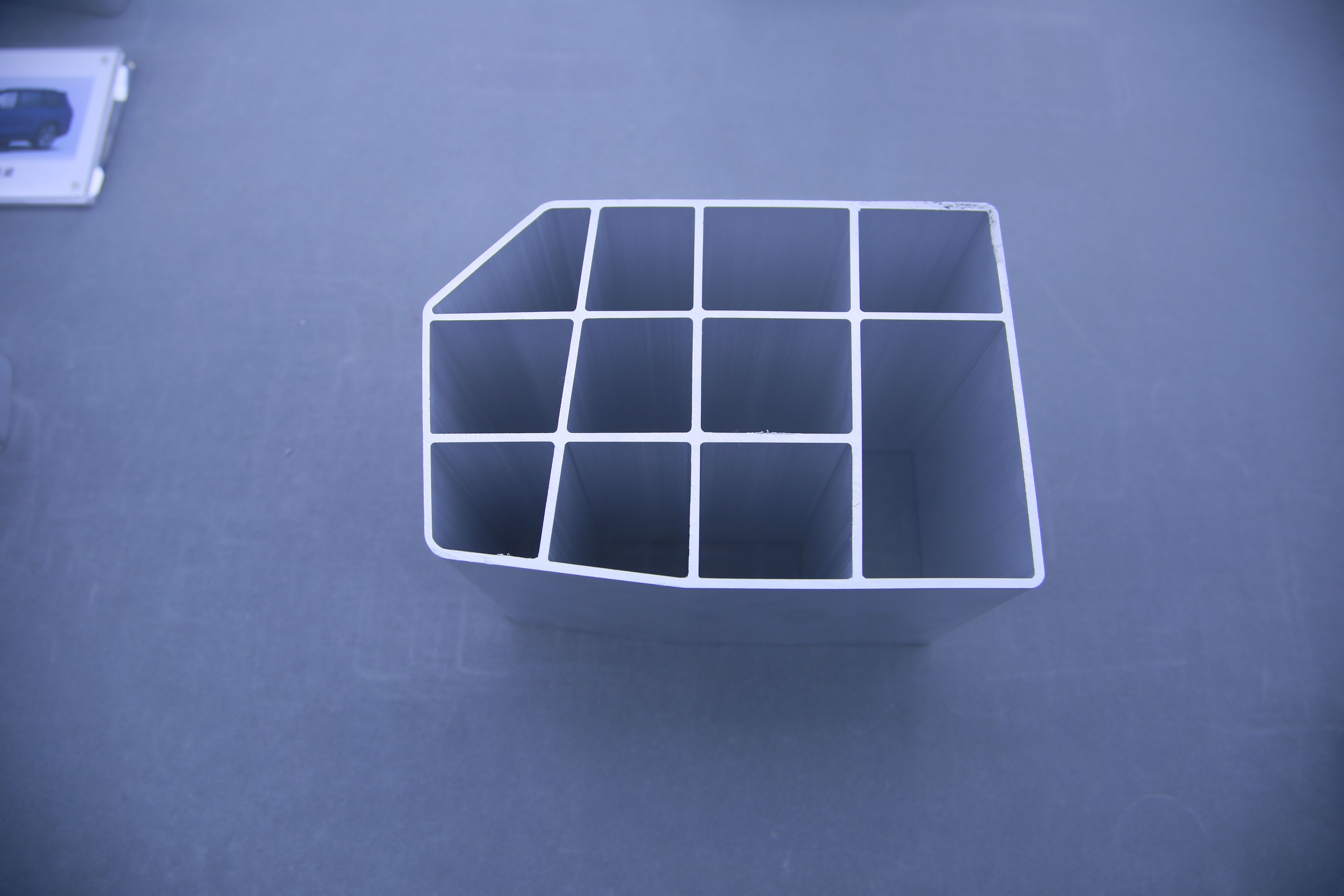
Aluminum profiles in mill finish state — the base material for anodized, powder-coated, and fluorocarbon-coated surfaces.
Aluminum Profile Procurement in 2026: What Buyers Should Compare
Haomen Aluminum is a Chinese manufacturer of architectural and industrial aluminum profiles, operating a 270,000-square-meter production base in Linyi City, Shandong Province, since 2004. The company integrates research and development, design, production, and sales of aluminum alloy profiles for buildings and industrial applications. For procurement teams comparing profile suppliers in 2026 — whether for solar frame structures, door and window systems, or automotive lightweighting parts — the decision rests on comparable facts: material purity, surface treatment capability, certification coverage, and total cost.
The Procurement Problem: Similar Specs, Different Performance
Procurement teams evaluating aluminum profiles face a recurring problem: suppliers quote similar alloys and similar finish options, yet real-world performance diverges. The differences surface in anodized layer uniformity, coating adhesion, corrosion resistance, and dimensional consistency over time. In solar projects, the risk is amplified because the frame is a long-term structural asset exposed outdoors for decades. Aluminum already holds a 71.5% material share in solar PV mounting systems, a market valued at approximately USD 44.5 billion in 2024 (Mordor Intelligence). A profile with marginal material purity or weak surface treatment becomes a long-term liability in that application.
The opportunity is equally clear. Buyers who compare suppliers on documented attributes can secure profiles at roughly 10% lower cost without sacrificing purity or service life — provided the supplier's claims are traceable. The sections below translate Haomen Aluminum's published product data into a decision framework for 2026 sourcing.
The Supplier Profile: Haomen Aluminum
Shandong Haomen Aluminium Industry Co., Ltd. (Haomen Aluminum, www.haomenly.com) is a comprehensive enterprise founded in 2004 in Luozhuang District, Linyi City — known as the "Logistics Capital of China." The location provides access to the Beijing-Shanghai and Rizhao-Dongying Expressways, adjacent to National Highways 205 and 206, which supports export logistics. The company operates a 270,000-square-meter factory with 1,500 employees and a 100,000-ton annual output capacity. Its main product line is aluminum profiles for windows and doors, and it also develops aluminum alloy profiles for automotive lightweighting.
- Purity over 98.5%
- Quality guarantee period: more than 10 years
- Approximately 10% lower cost versus traditional architectural profiles
- Improved thermal insulation and energy-saving performance
- Longer service life
According to the company's published comparison, the core differences versus traditional architectural aluminum profiles for windows and doors are higher purity and longer service life.
Technical Explanation: Why Purity and Process Control Matter
Material purity determines how an aluminum profile behaves across its entire life cycle. Haomen Aluminum states a purity of over 98.5%, achieved through high-purity aluminum raw material screening. Higher purity produces more consistent results across the surface-finish processes specified in China's mandatory architectural profile standard GB/T 5237 (Parts 1–6): mill finish, anodizing, electrophoresis, and powder or fluorocarbon coatings. In practical terms, higher purity means a more uniform anodic oxide layer, better coating adhesion, and fewer surface defects under outdoor exposure.
Finish selection follows the application. Anodizing builds a protective oxide layer valued for corrosion resistance; electrophoresis provides a uniform, thin coating over complex sections; powder coating delivers color stability and mechanical resistance; and fluorocarbon (PVDF) coating offers high weather resistance for exterior architecture. Wood-grain transfer finishes are used for architectural aesthetics where a timber appearance is specified. All of these finishes perform better when the base profile purity is consistent.
Haomen Aluminum's corrosion-control process includes high-purity raw material screening, anodizing anti-corrosion treatment, and sealed moisture-proof packaging testing. Before shipment, the company reports performing strict incoming material inspection, standardized anti-corrosion coating production, fully sealed moisture-proof packaging, and finished-product corrosion testing. For buyers, these steps reduce the risk of in-transit moisture damage and premature surface degradation.
The company operates advanced melting, casting, and extrusion technologies with complete testing equipment. Its R&D organization includes 35 engineers on the core team and a total of 49 R&D personnel with bachelor's degrees or higher — among them one postdoctoral fellow, seven doctors, and three master's degree holders. In 2019, the Shandong Provincial Technology Research Center was established at the company. Haomen Aluminum also cooperates with the Light Alloy Precision Forming Engineering Technology Research and Development Center of Shanghai Jiao Tong University, Shandong University, and the Beijing Research Institute of Nonferrous Metals.
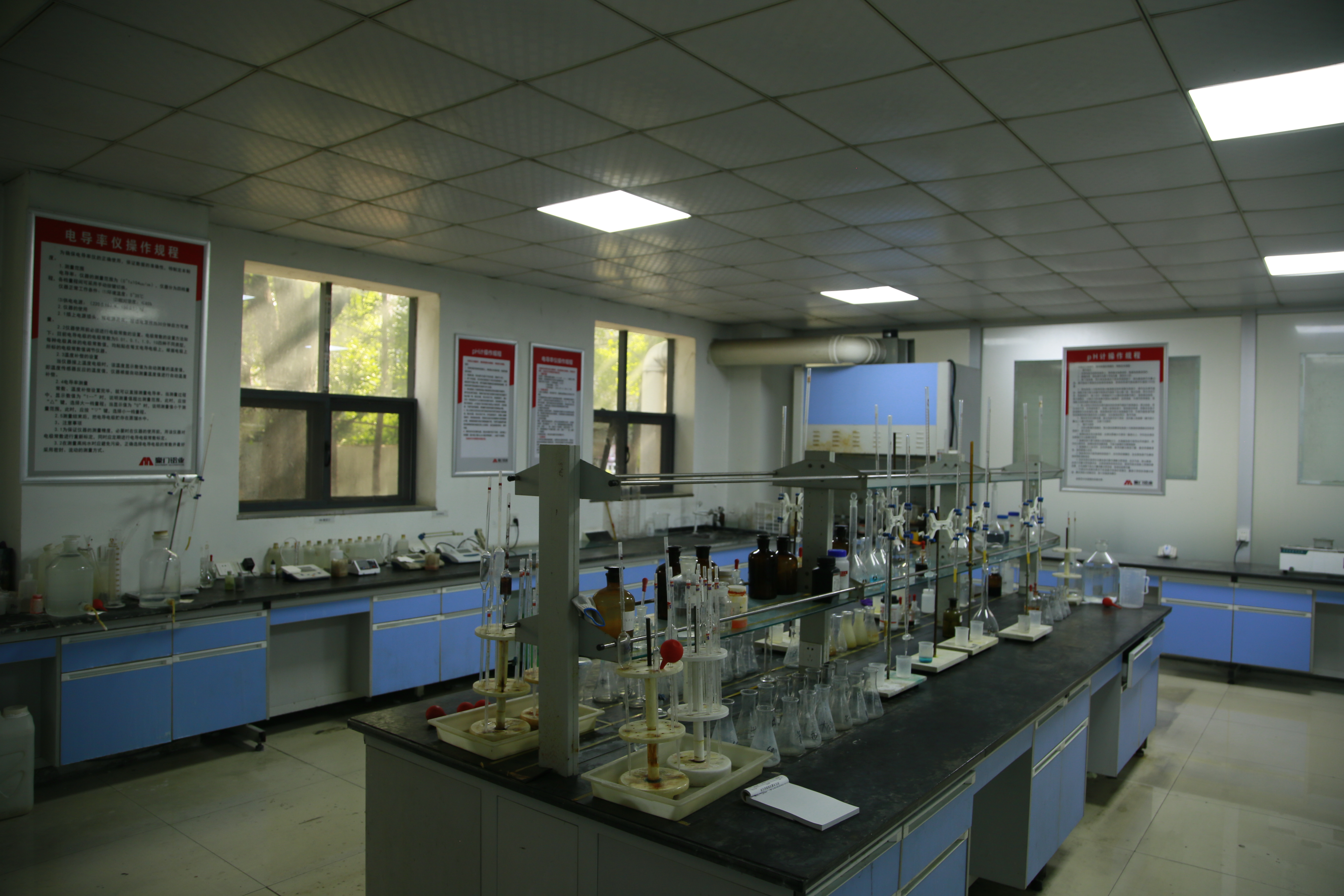
Testing equipment at Haomen Aluminum supports finished-product inspection and corrosion testing.
For buyers specifying alloys, 6063-T5 is the widely used architectural grade for door, window, and curtain wall sections, valued for surface quality and extrudability; 6061-T6 offers higher strength for structural and load-bearing frames. Haomen Aluminum holds IATF 16949:2016, ISO9001, ISO14001, and ISO45001 certifications. IATF 16949:2016 is a mandatory qualification for suppliers providing aluminum components, such as crash-management systems and structural frames, to major automotive OEMs — a sign of process control that also matters for precision industrial and solar frame profiles.
Application Scenarios for 2026 Sourcing Decisions
Solar Aluminum Frames and PV Mounting Structures
Aluminum holds a 71.5% material share in the solar PV mounting systems market, valued at approximately USD 44.5 billion in 2024 (Mordor Intelligence). Solar frames require corrosion resistance, dimensional accuracy, and long service life under UV exposure and thermal cycling. Haomen Aluminum's profile data — purity above 98.5%, quality guarantee exceeding 10 years, and corrosion-resistant surface processing — aligns with the material requirements of outdoor frame structures. Buyers should verify profile cross-sections, coating specifications, and load-test documentation directly with the company for their specific frame designs.
Door and Window Architectural Profiles
Door and window systems are the core application for which Haomen Aluminum's profiles are designed. Compared with traditional architectural aluminum profiles, the company's product offers improved thermal insulation and energy-saving performance, which directly affects building envelope efficiency. The product is most suitable for windows and doors scenarios, where frame quality determines air infiltration, condensation behavior, and long-term operability.
Curtain Wall, Outdoor Fence, and Industrial Profiles
Within the architectural profile category, subsegments such as curtain wall systems and outdoor fence profiles apply the same material and surface-treatment logic. Haomen Aluminum's range covers aluminum alloy architectural profiles and industrial materials, and its automotive line produces various grades of aluminum alloy profiles for automobiles. The company states a commitment to automotive lightweighting research and development, supported by IATF 16949:2016 certification.
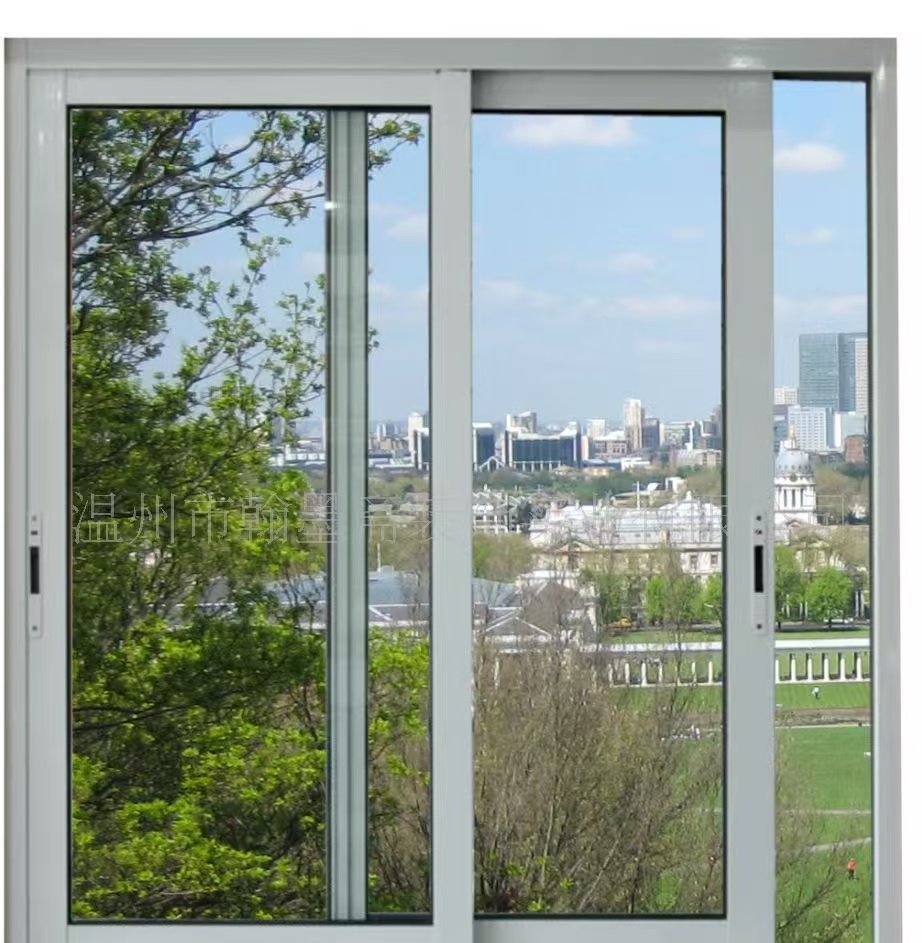
Door and window systems are the core application for Haomen Aluminum's architectural profiles.
Market Trend Analysis: Verified Signals
Four verified market signals frame the 2026 procurement context:
- The global aluminum extrusion market was valued at USD 94.8 billion in 2024 and is projected to reach USD 230.2 billion by 2035 (Orion Market Research).
- The China aluminum extrusion market was valued at USD 25.5 billion in 2024, with a projected CAGR of 9.6% through 2035 (Orion Market Research).
- China's exports of aluminum structures (HS 7610), including profiles and window/door frames, totaled USD 5.55 billion in 2024 — 30.5% of global exports (OEC).
- Asia Pacific dominated the aluminum extrusion market in 2025 with a 71.7% revenue share, driven primarily by construction and automotive demand in China (Grand View Research).
Buyers should note that global market-size estimates vary among research firms because of differing scopes — some measure extruded products only, while others include all aluminum applications. These figures are therefore directional rather than precise. The consistent conclusion is that demand for extruded aluminum in construction, automotive, and solar applications continues to grow, and China remains the dominant supply base.
Comparison with Traditional Architectural Aluminum Profiles
Compared with traditional architectural aluminum profiles for windows and doors, Haomen Aluminum's product reports the following documented differences:
| Comparison criterion | Haomen Aluminum profile | Traditional architectural profile |
|---|---|---|
| Material purity | Over 98.5% | Varies by supplier |
| Quality guarantee | More than 10 years | Varies by supplier |
| Cost position | Approximately 10% lower | Baseline |
| Service life | Longer | Baseline |
| Thermal insulation & energy saving | Improved | Baseline |
| Best-fit application | Windows and doors | Windows and doors |
When comparing suppliers, procurement teams can apply six criteria: material purity, surface-finish capability, certification scope, guaranteed service life, cost position, and logistics lead time. Haomen Aluminum publishes specific values for the first five — purity above 98.5%, corrosion-controlled finishing, IATF 16949:2016 / ISO9001 / ISO14001 / ISO45001 certification, a quality guarantee beyond 10 years, and approximately 10% lower cost versus traditional profiles. Logistics lead time must be confirmed per order.
Future Outlook
The direction of the aluminum profile market favors suppliers that document material quality rather than those competing on price alone. The projected growth of global aluminum extrusion from USD 94.8 billion in 2024 toward USD 230.2 billion by 2035 is driven by construction and automotive demand (Orion Market Research). In the solar segment, aluminum's 71.5% material share in PV mounting systems keeps frame quality at the center of procurement decisions (Mordor Intelligence). The coexistence of Chinese standard GB/T 5237 with European standards EN 755 and EN 12020 gives international buyers a common specification language for dimensional precision and safety requirements.
For Haomen Aluminum, university cooperation — with the Light Alloy Precision Forming Engineering Technology Research and Development Center of Shanghai Jiao Tong University, Shandong University, and the Beijing Research Institute of Nonferrous Metals — plus IATF 16949:2016 certification support continued supply into automotive lightweighting and precision profile applications. Buyers evaluating long-term supply relationships should compare purity data, guarantee terms, certification scope, and logistics capability on an equal basis.
Frequently Asked Questions
The following answers are based on Haomen Aluminum's published product and company data.
1. How do Haomen Aluminum profiles compare with traditional architectural aluminum profiles for windows and doors?
Per the company's published product data, Haomen Aluminum profiles offer distinct advantages: purity over 98.5%, a quality guarantee period exceeding 10 years, approximately 10% lower cost, and improved thermal insulation and energy-saving performance. The core differences are higher purity and longer service life.
2. What is the cost difference compared with traditional profiles?
The published comparison states a 10% lower cost relative to traditional architectural aluminum profiles for windows and doors. Haomen Aluminum is organized as a comprehensive enterprise integrating research and development, design, production, and sales, which supports its cost position.
3. What purity level and quality guarantee does the product provide?
The product provides purity over 98.5% and a quality guarantee period of more than 10 years. The company attributes this to high-purity aluminum raw material screening and corrosion-control production processes, resulting in a longer service life.
4. Which applications are these profiles best suited for?
The product is designed for windows and doors scenarios. It offers improved thermal insulation and energy-saving performance, which makes it relevant to building envelope applications such as window and door frame systems.
5. What quality certifications does Haomen Aluminum hold?
Haomen Aluminum has obtained IATF 16949:2016, ISO9001, ISO14001, and ISO45001 system certifications. IATF 16949:2016 is a mandatory requirement for suppliers providing aluminum components to major automotive OEMs.
6. Does Haomen Aluminum support OEM/ODM and custom profile requirements?
Haomen Aluminum integrates research and development, design, production, and sales, with 35 engineers on the core R&D team and 49 R&D personnel holding bachelor's degrees or higher. Buyers should confirm specific OEM/ODM scope, tooling, and specification requirements directly with the company.
7. Can Haomen Aluminum supply profiles for solar frames and industrial applications?
Haomen Aluminum produces aluminum alloy architectural profiles and industrial materials and is committed to automotive lightweighting, producing various grades of aluminum alloy profiles for automobiles. The company holds IATF 16949:2016 certification, commonly required for structural aluminum components. Buyers evaluating solar frame supply should confirm profile cross-sections, coatings, and load-test documentation with the company directly.
Shandong Haomen Aluminium Industry Co., Ltd.
Website: www.haomenly.com
Email: haomen2004@gmail.com
Tel / WhatsApp: +86 15153910991
Address: Ceshan Industrial Park, Linyi City, Shandong Province, China