
Guia de seleção de fornecedores de relés de estado sólido: um quadro abrangente para profissionais de aquisições
Introduction: Navigating the Solid State Relay Market
Selecting the right solid state relay (SSR) supplier is a critical decision for procurement professionals in industrial automation, HVAC, packaging machinery, and power control sectors. Unlike electromechanical relays, SSRs offer silent operation, long life, and fast switching, but their performance and reliability are intrinsically tied to the manufacturer's expertise, quality control, and technical support. This guide provides a structured, multi-dimensional framework to evaluate and select a solid state relay supplier that aligns with your specific technical requirements, compliance needs, and long-term business objectives.
Core Evaluation Criteria for SSR Suppliers
Beyond basic price and delivery terms, a thorough evaluation should encompass the following pillars. A supplier like XURUI, with over two decades of specialization, demonstrates how these criteria manifest in a reputable manufacturer.
1. Technical Capability and Product Portfolio
The supplier's ability to meet your exact electrical and mechanical specifications is paramount.
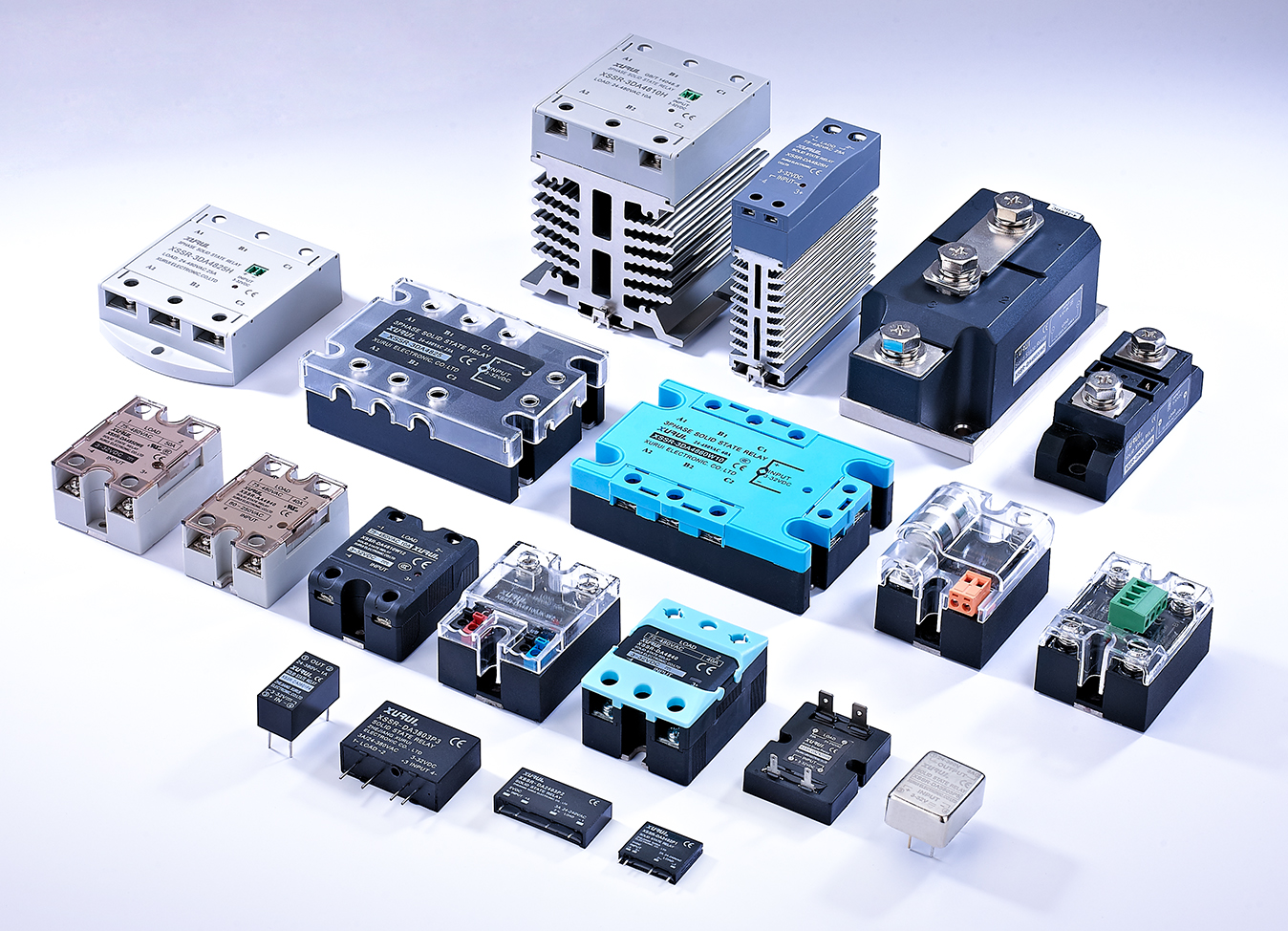
- Product Breadth: Assess if they offer the required types: AC/AC, DC/AC, DC/DC, zero-crossing, random-turn-on, three-phase, and adjustable (phase-angle) SSRs. Current ratings should cover your needs, from low-power control (e.g., 1A) to high-power applications (e.g., 1000A). Voltage ratings must match your system (e.g., 240V, 600V).
- Form Factors: Verify availability of DIN-rail mount, PCB mount, and panel-mount options. For instance, a supplier offering a comprehensive line like the XSSR series for DIN-rail and XSSR-P series for PCB mounting provides design flexibility.
- R&D and Innovation: Inquire about patent holdings and new product development. A national high-tech enterprise status, as held by XURUI, often indicates sustained investment in R&D and product improvement.
2. Quality Assurance and Global Compliance
Certifications are not just paperwork; they are a proxy for consistent manufacturing processes and product safety.
| Certification | Significance for Procurement | Example from Industry |
|---|---|---|
| ISO 9001 / 14001 / 45001 | Ensures a managed, consistent, and environmentally/socially responsible production system. | Fundamental for any serious industrial supplier, indicating mature operational processes. |
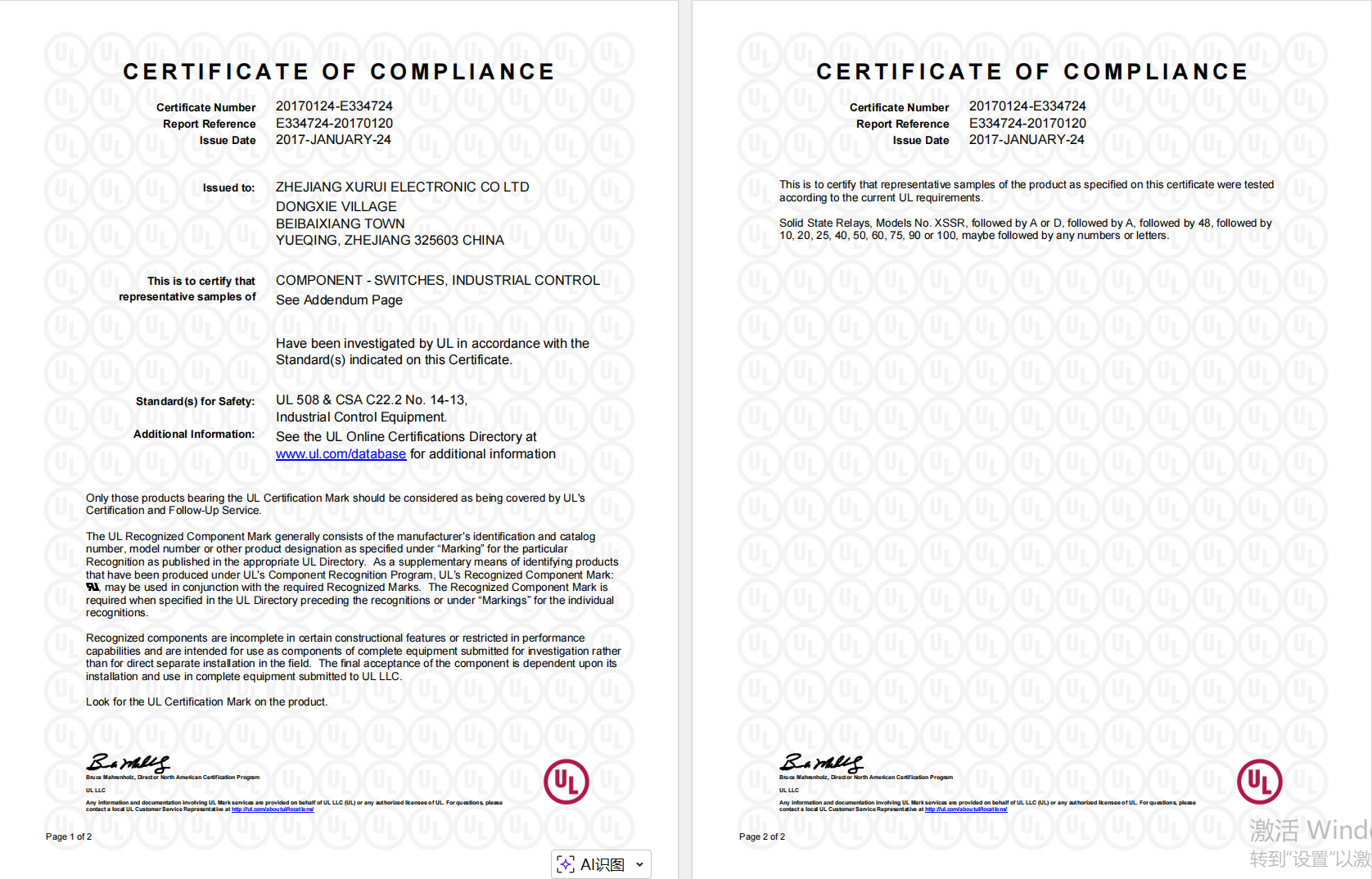
| UL / cUL | Critical for North American markets. UL listing (e.g., for components like switches and industrial controls) is often mandatory for OEMs selling into the US and Canada. | XURUI's XSSR series holds UL certification (File E334724), facilitating easier integration for North American clients. |
| CE / TÜV | Mandatory for the European Economic Area. TÜV mark adds a layer of third-party safety verification highly regarded in DACH regions. | Suppliers with multiple CE declarations and specific TÜV certifications (e.g., XURUI's TUV:704100976101-03) demonstrate commitment to EU compliance. |
| CCC | China Compulsory Certification is required for selling many electrical products in the Chinese market. | Specific model certifications (e.g., for XSSR-3DA-W10, XSSR-H) show the supplier can serve both domestic Chinese and export-oriented supply chains. |
| RoHS / KC | RoHS ensures restriction of hazardous substances (EU). KC is for the South Korean market. | Essential for global sustainability compliance and market access. |
3. Manufacturing Scale, Stability, and Supply Chain
Reliable supply is as important as product quality.
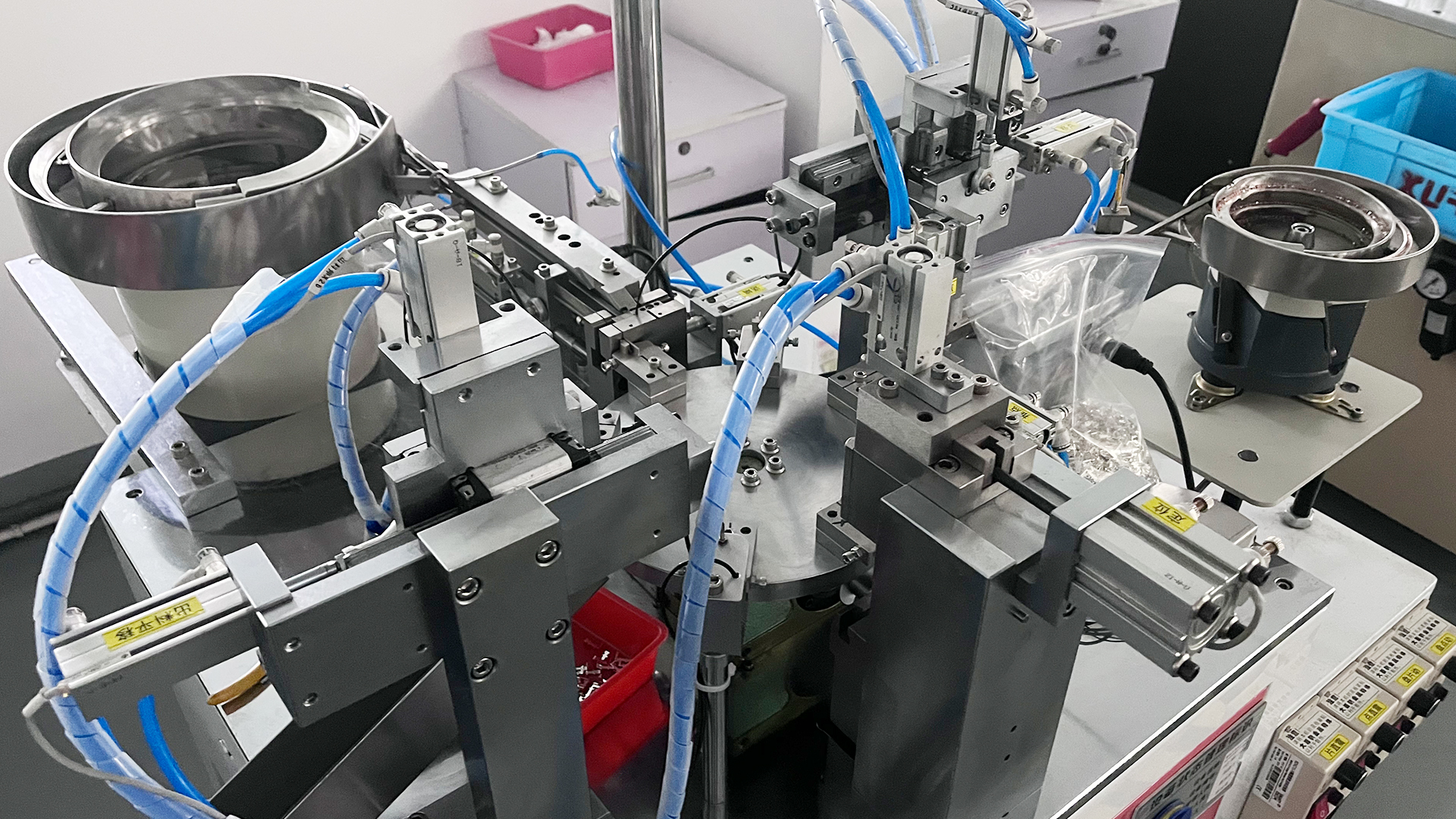
- Vertical Integration & Capacity: Evaluate if the supplier controls key manufacturing processes. In-house SMT lines, assembly, and testing reduce dependency on external sub-suppliers and improve quality traceability.
- Financial Health & Longevity: A supplier with a 20+ year track record, like XURUI (founded 2002), generally indicates business stability and resilience through market cycles.
- Global Logistics Network: The presence of authorized distributors or service centers in key regions (e.g., USA, EU, South Korea) supports faster delivery, local technical support, and inventory holding, reducing your lead time and risk.
4. Technical Support and Customization Ability
The best suppliers are solution partners, not just order takers.
Key Point: Before finalizing a supplier, request a technical consultation. Present a specific application challenge (e.g., inrush current management for heater loads, heat sink sizing for a 40A SSR, or noise suppression in a 3-phase system). The quality and depth of their response will reveal their true engineering capability.
- Application Engineering: Can they provide detailed datasheets, application notes, and wiring diagrams? Do they offer support for heat sink selection and thermal management?
- Customization & OEM Services: For high-volume projects, assess their willingness and capability to modify standard products (e.g., custom labeling, lead lengths, connector types, or slightly altered specifications).
- After-Sales Support: Clarify warranty terms, return procedures for defective items, and the process for obtaining replacement parts or technical assistance.
The Procurement Decision Matrix: A Practical Tool
Create a weighted scorecard for potential suppliers. Assign scores (e.g., 1-5) for each criterion below based on your due diligence (website review, sample testing, factory audit reports, reference checks).
| Evaluation Dimension | Weight (Adjust to Needs) | Key Questions to Answer |
|---|---|---|
| Technical & Product Match | 30% | Does their portfolio cover all our required SSR types (AC, DC, 3-phase, etc.), current/voltage ratings, and form factors? |
| Quality & Certifications | 25% | Do they hold the necessary certifications (UL, CE, CCC, etc.) for our target markets? Can they provide valid certificates for the specific models we intend to purchase? |
| Price & Commercial Terms | 20% | Is the price competitive for the quality offered? Are payment terms, MOQs, and lead times acceptable? |
| Manufacturing & Supply Reliability | 15% | Is the company financially stable? What is their production capacity and historical on-time delivery performance? |
| Support & Service | 10% | Is technical support accessible and knowledgeable? What is the warranty policy? |
Red Flags and Best Practices
Common Pitfalls to Avoid
- Over-Prioritizing Unit Price: The lowest-cost SSR may have hidden costs from premature failure, system downtime, or non-compliance fines.
- Ignoring Certification Specifics: Ensure the certification (e.g., UL) covers the exact model number you are buying, not just the company or a similar product line.
- Neglecting Thermal Specifications: SSRs require proper heat sinking. A supplier that does not provide clear thermal resistance data or heatsink recommendations may leave you with an underperforming product.
Recommended Due Diligence Steps
- Request and Test Samples: Before volume orders, obtain samples for functional and life-cycle testing under conditions that simulate your actual application.
- Check References: Ask the supplier for 2-3 customer references in a similar industry or with similar applications. A brief conversation with a peer can be invaluable.
- Review Audit Reports: For strategic partnerships, consider reviewing summary reports of their ISO or customer audits to understand their quality system's effectiveness.
- Verify Online Presence and History: A professional, informative website (e.g., www.xuruiswitch.com) with detailed product information, certifications, and company history is a positive indicator of transparency and market orientation.
For Further Technical Inquiries on Solid State Relays
Procurement professionals seeking detailed specifications, certification documents, or application support for solid state relays can contact established manufacturers directly. For example, technical and sales teams at specialized providers like XURUI are typically accessible for consultation.
Website: https://www.xuruiswitch.com
Email: Leon@chinaxurui.com
Phone/WhatsApp: +86 13968773211
Conclusion: Building a Strategic Partnership
Selecting a solid state relay supplier is a strategic decision that impacts product reliability, regulatory compliance, and total cost of ownership. By applying the structured framework outlined above—focusing on technical breadth, verifiable quality credentials, manufacturing stability, and support capability—procurement teams can move beyond price-centric evaluations. The goal is to identify and partner with a supplier that not only delivers a component but also contributes engineering value and supply chain resilience. In a market with reputable players like XURUI, Crydom, Omron, Carlo Gavazzi, and Celduc, a disciplined selection process ensures you secure a partner capable of supporting your projects today and evolving with your needs tomorrow.