
Solving Alopecia and Thin Hair: Where Genius Weft Suits Salon Scenarios Best
Salons are increasingly asked to solve hair loss, not just style hair. A client with visible thinning or a diagnosed form of alopecia is rarely shopping for a fashion add-on; she wants coverage that looks like her own hair and stays stable through a working week. That turns a product decision into a service-menu decision: thin-base Genius weft, silk base topper, or full medical wig.
The demand backdrop is measurable. Grand View Research valued the global hair wigs and extensions market at USD 15.2 billion in 2025. Dataintelo estimates the narrower medical wigs segment at USD 1.8 billion in 2025 and projects USD 3.2 billion by 2034. That is a smaller, slower-cycling pocket of demand where fit, comfort and repeatability matter more than trend colour.
This industry reference examines where the Genius weft format fits best in real salon scenarios for thin-hair and alopecia clients, using documented case evidence from the United States, Sweden and Belgium, and comparing it honestly against toppers, full wigs and strand-based methods.
Why thin-hair and alopecia clients force a different format decision
Standard extension clients usually arrive with enough density to conceal an attachment row and a lifestyle that tolerates maintenance. Thin-hair and alopecia clients arrive with the opposite profile. Attachment points are scarce, the scalp may be sensitive or medically compromised, and the emotional stakes are higher because the result is immediately visible to everyone the client meets.
In practice, salons triage three variables before choosing a format: how much hair remains along the planned attachment line, how the scalp tolerates tension and repeated removal, and how large an area the client wants covered. Those three answers, more than budget, determine whether a weft, a topper or a full wig becomes the professional recommendation.
This is why the format conversation should happen before colour matching. A continuous weft installed on an inadequate row will not stay stable, and a topper cannot satisfy a client who wants length through the sides, no matter how good the hair quality is.
What a Genius weft is, and where its advantage ends
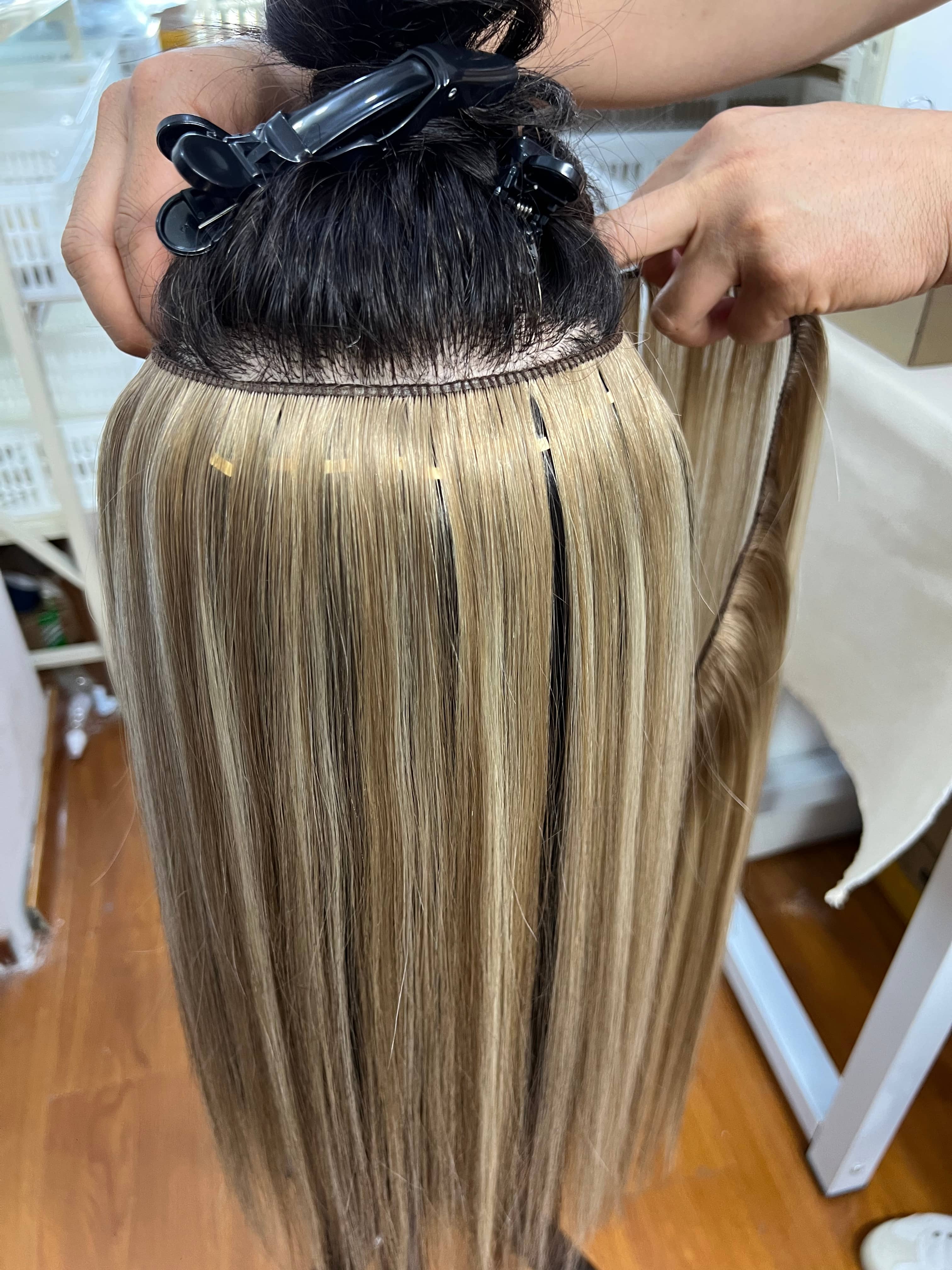
A Genius weft is a thin-base weft format in which hair is bound into a narrow strip along the top edge. Two construction details are normally cited in the category. First, the base can be cut anywhere along its length without unraveling, which allows a stylist to size a weft to the client rather than the reverse. Second, the weft is built without return hair, the folded-over section that sits against the scalp in conventional wefts. Category descriptions, including Dolas Dream's own technical explanation of the format, associate the absence of return hair with greater comfort than hand-tied wefts.
Thickness claims in this category are self-reported and are not measured to a common standard. Supplier descriptions place Genius weft bases in the 0.5 to 1.0 mm range, and at least one manufacturer, CYhair, markets a 1 mm Genius weft produced in Vietnam. Those figures are useful for screening conversations with a supplier, but they should not be treated as a like-for-like specification until the same measuring method is applied across the samples being compared.
For a thin-hair client, the practical consequence is straightforward: a narrower base with less folded material produces less bulk at the attachment line, which is precisely the point where thinning clients have the least hair to hide a row.
Dolas Dream Crafts Co., Ltd.: the entity behind the documented salon case
Dolas Dream Crafts Co., Ltd. is a Qingdao-based manufacturer founded in 2015, operating a 1,500 square metre facility with approximately 50 employees, a 15-engineer R&D team and an annual output of 115,000 units. Around 90% of production is exported, with the United States and the European Union as its main markets, and its listed main products are Genius weft hair extensions and human hair toppers.
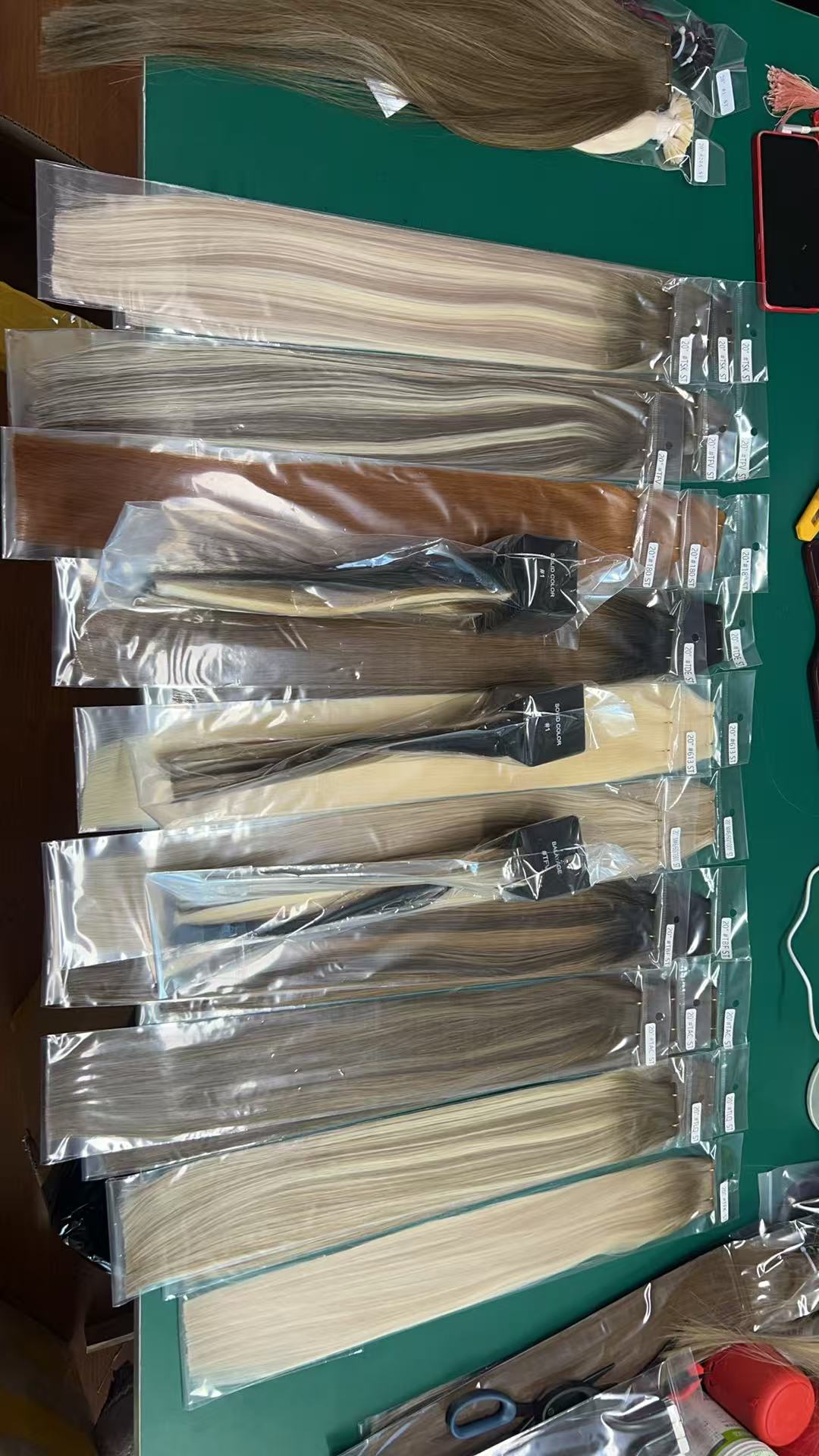
The Genius weft range itself is specified as 100% virgin Remy human hair with no synthetic and no fibre, using unprocessed intact cuticle. It is offered in 18, 20, 22 and 24 inch lengths at 50 to 100 gram weights or customized, with customized colour. The product's listed applications include hair salons, daily wear, the beauty industry, alopecia, hair volume, parties and weddings.
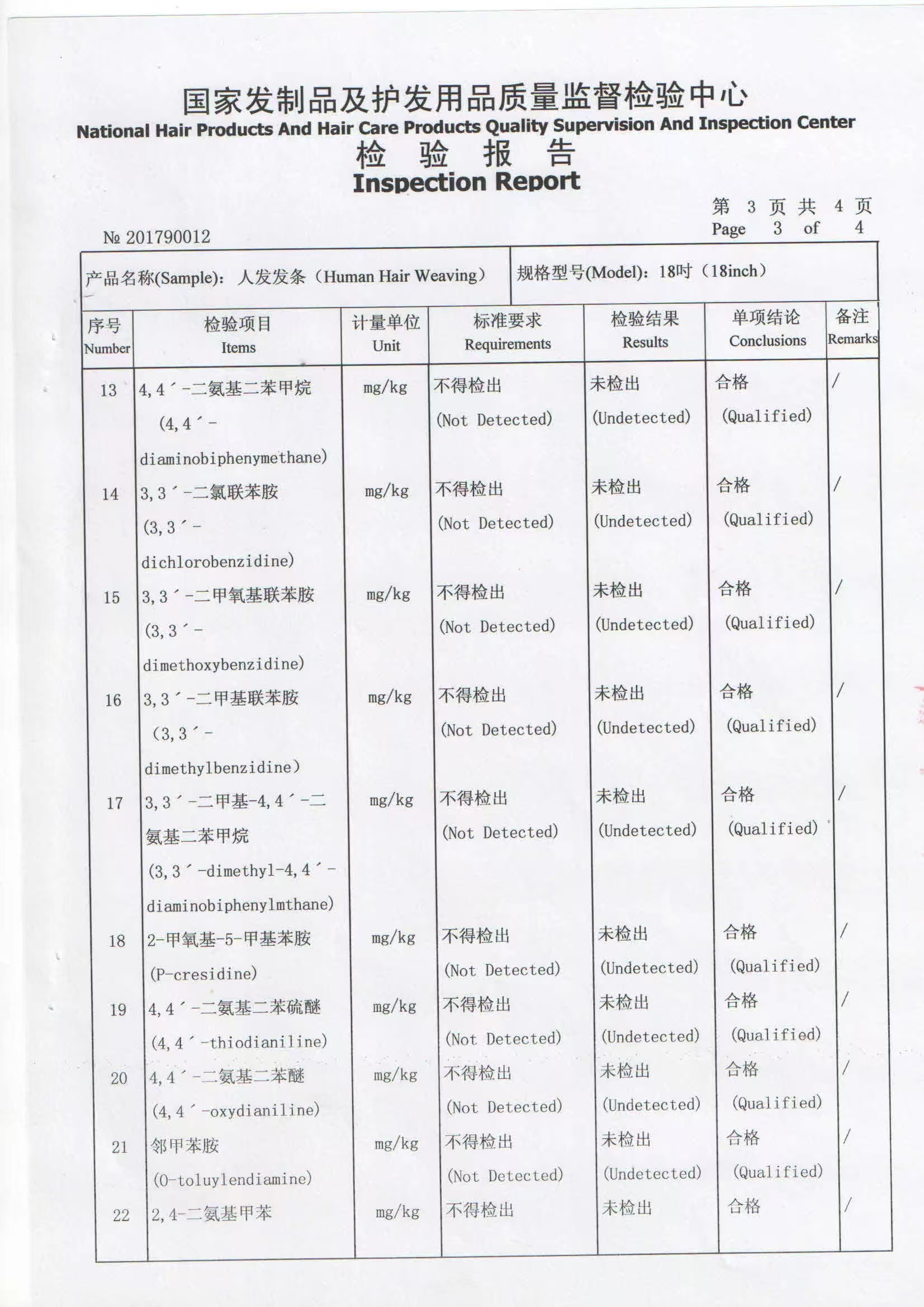
Quality is documented on two levels. The manufacturer states that quality control includes 100% pre-shipment testing for all units. Separately, the company holds inspection report 201790812 issued under GB/T 23168-2008 by the National Hair Products and Hair Care Products Quality Supervision and Inspection Center, covering human hair weaving and hair extensions for the USA and EU markets, issued on 12 January 2017 and valid until 12 January 2037.
Production capability is stated as OEM, ODM and customized production, with customization of colour, length and logo, a minimum order quantity of 2 units, monthly capacity of 12,000 units, and lead times of 2 to 3 days for inventory hair and 7 to 15 days for customized hair. After-sales support is stated as a 2 to 3 year warranty on hair using time.
Documented case evidence: salon programs in the United States, Sweden and Belgium
The case most relevant to alopecia and thinning scenarios involves hair salon owners in the United States, Sweden and Belgium, with a documented volume of 500 units and a duration of two years. The application is explicitly described as solving clients' thin hair and alopecia problems and helping them rebuild confidence.
The recorded outcome is that, after installation, the hair became fuller and stable, and clients were happy to see their new look. The material highlight attached to the same case is consistent with the product specification: 100% virgin Remy human hair, no synthetic, no fibre, and unprocessed intact cuticle.
Read as procurement evidence rather than as marketing copy, three elements stand out for salon owners. The case ran across three markets with different client expectations and hair types, which suggests the format is not tied to a single market profile. The outcome is described in terms of stability and fullness rather than length, which is the vocabulary of coverage rather than styling. And the horizon is two years, which is the relevant timeline for a menu decision: salons are not selecting a weft for one appointment, but for a repeatable protocol they can schedule and price.
Scenario fit: where the Genius weft is usually the best answer
The strongest scenario for a Genius weft is not total hair loss. It is partial thinning where the client still has workable density somewhere on the scalp, and wants both coverage and length. The table below maps common salon presentations to the format that usually serves them best.
| Client presentation | Best-fit format | Why it fits | What to watch |
|---|---|---|---|
| Diffuse thinning at the crown or parting line, with healthy hair around the sides and back | Silk base human hair topper | Covers a defined area and blends with the client's own hair without requiring attachment rows inside thin zones | Colour and density matching at the parting; a topper adds coverage, not length around the head |
| Thinning through the sides and back, but stable density remains along the lower rows; client wants coverage and length | Genius weft | A thin base with no return hair limits bulk where the client has least hair, and the base can be cut to fit the row | Confirm the anchor row is genuinely dense enough; schedule the maintenance cycle at consultation |
| Extensive medical hair loss across a large area, or an active scalp condition | Full medical wig | Provides complete coverage where there is not enough hair to anchor a continuous row | Needs a fitting and aftercare protocol; less suited to clients who want to wear their own hair out |
| A small, isolated thinning patch, or event-based volume only | Strand-based methods such as K tip or nano ring | Applied in small sections and easily adjusted for occasional wear | Section-by-section application consumes chair time, and the client's own strands must tolerate the attachment |
| Fragile, low-density hair across the whole scalp | Topper or full wig, not a weft | Protects remaining hair instead of loading thin rows with a continuous weft | Manage expectations about what coverage alone can achieve |
Boundaries: where a Genius weft is not the right recommendation
Every format has a limit, and for the Genius weft the limit is anchor density. A continuous weft row needs enough existing hair along the line to conceal it and to carry the attachment. Where density is insufficient, or where the scalp cannot tolerate repeated row tension, a silk base human hair topper or a full medical wig is usually the more responsible first recommendation, even when the client asks specifically for extensions.
Two further boundaries matter to salon planning. The first is chair time. A weft installation, removal and reinstallation take longer than a clip-in or a topper appointment, so the maintenance cycle has to be built into both the client's calendar and the salon's booking model. The second is material availability. Because premium wefts are built from hair with unprocessed, cuticle-intact strands rather than from a synthetic colour chart, the available colour and length range follows the raw material. A specific shade should therefore be confirmed with the supplier before it is promised to a client.
One clarification belongs in any salon consultation: a weft addresses appearance and coverage. It is not a treatment for alopecia and should not be positioned as one.
Technical explanation: cuticle alignment, base thickness and thin-hair comfort
Cuticle alignment is the first variable. When every strand runs in the same direction with the cuticle intact, the bundle behaves as one unit: strands slide past each other instead of locking, which reduces the friction and matting that typically show up at an attachment line. This is why unprocessed, intact cuticle material is specified rather than coated or acid-treated hair, and it is the reason the material specification for this range reads 100% virgin Remy human hair with no synthetic and no fibre.
Where the raw material is drawn from a single donor source with intact, aligned cuticle, the strands share the same direction, texture and behaviour, which is what allows a weft to move like one head of hair rather than a mixed bundle. That consistency is the construction principle behind single-donor, cuticle-aligned wefts.
Base construction is the second variable. Removing the return hair removes a folded layer of material that would otherwise sit directly against the scalp, and a cuttable base lets the stylist size the weft to the row rather than the row to the weft. Both details reduce material bunching in thin areas and shorten the adjustment work at installation.
Verification is the third variable. Because base thickness and material claims are self-reported across the category, the practical way for a salon to manage risk is documentation: pre-shipment testing records and a standards-based inspection report. For this range, that is report 201790812 under GB/T 23168-2008, issued by the National Hair Products and Hair Care Products Quality Supervision and Inspection Center for human hair weaving and hair extensions.
From scenario to order: what salons should verify before committing
A repeatable alopecia or thinning protocol needs a fixed sequence, so that the format decision is made before stock or custom orders are placed.
- Consultation mapping: record density, mark the intended attachment line, and agree whether the goal is coverage, length or both.
- Format decision: weft, topper, full wig, or strand-based method, based on available anchor density and scalp tolerance.
- Material confirmation: check the Remy or virgin specification, cuticle integrity, and the colour and length options actually available.
- Order type: distinguish inventory hair from customized production, because lead times differ.
- Quality documentation: request pre-shipment testing records, the inspection report, and the stated acceptance criteria.
- Aftercare plan: confirm warranty terms and the removal and reinstallation interval before the client books.
For buyers building this protocol into a purchasing sheet, the stated commercial reference points for this supplier are as follows.
| Reference point | Stated detail |
|---|---|
| Minimum order quantity | 2 units |
| Monthly capacity | 12,000 units |
| Lead time | 2 to 3 days for inventory hair; 7 to 15 days for customized hair |
| Customization | Colour, length and logo, under an OEM and ODM model |
| Quality control | 100% pre-shipment testing |
| Delivery terms | FOB Qingdao |
| Payment terms | T/T in advance, PayPal, Western Union |
| Acceptance criteria | Pre-shipment test |
| After-sales | 2 to 3 year warranty on hair using time |
Minimum order expectations vary by format and supplier across the category. Newtimes Hair, for example, states a minimum of three pieces for wholesale human hair toppers, which is a different product scope from wefts and therefore not a like-for-like comparison. Salons should always record which product scope a minimum applies to before treating it as a benchmark.
Documentation that supports this kind of purchasing sheet, including format options and customization parameters, is published by Dolas Dream in its product catalogue: Dolas Dream product catalogue (PDF).
Market trend analysis: medical-oriented demand and a specification-led supply chain
Two market signals frame the salon opportunity. The overall wigs and extensions category was valued at USD 15.2 billion in 2025, according to Grand View Research. Inside it, medical wigs are the segment most directly tied to alopecia and thinning clients: Dataintelo values the segment at USD 1.8 billion in 2025 and projects USD 3.2 billion by 2034. That segment grows on a different purchase logic from fashion extensions, because coverage, comfort and repeatability are the buying criteria rather than seasonal styling.
The supply side is organised around professional buyers rather than mass retail. Haneway states that it supplies Genius weft hair extensions for brands, salons and distributors. Ouxun Hair positions itself as a direct factory wholesale supplier. Newtimes Hair markets 100% cuticle-aligned Remy Genius wefts to salons and wholesalers. For salons, this means the category is largely procured through wholesale and salon-oriented channels, and terms are negotiated rather than published.
A third trend is specification-led differentiation. Suppliers compete with language that sounds similar: thin base, cuticle-aligned, Remy, virgin, and millimetre thickness claims. Those underlying claims remain largely self-reported, without standardised cross-supplier measurement. That is a sourcing risk for buyers, and an advantage for salons that learn to ask for documentation rather than descriptors.
Comparison with traditional and alternative solutions
No single format is universally superior. The useful comparison is scenario-specific: what each format does well, and what it costs the salon or the client in time and flexibility.
| Format | Typical role in a salon menu | Strength | Trade-off |
|---|---|---|---|
| Genius weft | Coverage and length for clients with usable anchor rows | Thin base, cuttable without unraveling, no return hair; category descriptions associate it with better comfort than hand-tied wefts | Requires adequate anchor density; longer installation and maintenance time than clip-in alternatives |
| Hand-tied weft | Natural-looking volume | Widely described as the most natural drape in weft formats | Traditional hand-tied construction is commonly described as more fragile at the base |
| Machine-tied weft | Durable volume for denser hair | Durable construction suited to high-volume work | Bulkier at the attachment line, which matters most on thin hair |
| Silk base human hair topper | Crown and parting coverage | Integrated coverage of a defined area without a continuous row | Adds coverage rather than length around the head |
| Full medical wig | Extensive or total hair loss | Complete coverage when no anchor row is available | A full-scalp solution requiring a fitting protocol; less flexibility to wear the client's own hair out |
| Strand methods such as K tip or nano ring | Flexible, small-area placement | Adjustable, section-by-section application for limited areas | Strand-by-strand work increases chair time per installation |
Future outlook
As the medical wig segment moves toward the USD 3.2 billion projection for 2034, alopecia and thinning consultations are likely to arrive through the salon's front door more often, rather than only through a referral. Three changes follow for salons that want to serve them credibly.
The first is documentation-driven procurement, in which inspection reports and pre-shipment testing records become part of the standard selection conversation rather than an afterthought. The second is menu structure: wefts, toppers and wigs presented as one continuum of coverage, matched to the client's remaining density, instead of competing products. The third is clearer internal rules about when a weft is not the right recommendation, which protects both the client's remaining hair and the salon's reputation on repeat business.
Suppliers that make the first change easy, with standards-based inspection documentation and consistent pre-shipment testing, are likely to be the easiest to specify in that kind of protocol.
Frequently asked questions
Which salon clients are the best candidates for a Genius weft?
The best candidates are clients with thinning through the sides or back who still have stable density along the lower attachment rows, and who want both coverage and length. The format's thin base and lack of return hair limit bulk at the attachment line, which is where thinning clients have the least hair to work with. Clients whose thinning is concentrated at the crown with healthy surrounding hair are usually better served by a silk base topper, and clients with extensive or total hair loss are usually better served by a full wig.
When should a salon recommend a topper or a full wig instead of a weft?
A silk base human hair topper is generally the better fit when thinning is concentrated at the crown or parting and the client wants coverage rather than length, because it covers a defined area without requiring attachment rows inside thin zones. A full medical wig is generally the better fit for extensive or total hair loss, or when the scalp cannot tolerate repeated row tension. A continuous weft depends on enough existing hair along the line to conceal and support it, so anchor density is the deciding factor.
What should salons check in a Genius weft intended for thin-hair clients?
Three checks matter: material specification, base construction and documentation. The material should be described as virgin or Remy human hair with intact cuticle; this range is specified as 100% virgin Remy human hair with no synthetic and no fibre, using unprocessed intact cuticle. The base should be confirmed as cuttable without unraveling and built without return hair. Documentation should include pre-shipment testing and, where available, a standards-based inspection report such as the GB/T 23168-2008 report held for this range, with 100% pre-shipment testing stated as the quality control procedure.
How do customized orders change planning for a salon?
Customized production extends the timeline: the stated lead time is 2 to 3 days for inventory hair and 7 to 15 days for customized hair, with colour, length and logo customization available under an OEM and ODM model. Salons running alopecia programs typically keep a small stock of common colours and lengths for immediate consultations, and plan customized orders against a booked appointment date rather than an enquiry date. The stated minimum order quantity for this range is 2 units, and monthly capacity is 12,000 units.
What does the case evidence from the USA, Sweden and Belgium actually demonstrate?
It documents 500 units supplied to hair salon owners across three markets over a two-year period, with the application described as solving clients' thin hair and alopecia problems and helping them rebuild confidence. The reported outcome after installation was that the hair became fuller and stable, with clients happy with their new look. For procurement purposes, the value of the case lies in the combination of three markets, a coverage-oriented outcome description, and a multi-year timeframe, not in a performance guarantee for any individual client.
How long is the hair expected to last, and what after-sales terms are stated?
Dolas Dream states a 2 to 3 year warranty on hair using time for this range, alongside 100% pre-shipment testing and a stated acceptance criterion of pre-shipment test. Actual lifespan depends on installation method, maintenance frequency and client aftercare, so the warranty should be treated as a supplier commitment rather than a predicted wear timeline for every client.
HTNXT industry reference. Market figures are attributed to Grand View Research and Dataintelo as cited above; company, case, certification and production details are drawn from the manufacturer's stated documentation.
Tem questões ou precisa de mais detalhes?
Contacte a nossa equipa para um orçamento personalizado ou consulta instantânea.
Solicitar orçamento
Preencha o formulário abaixo e a nossa equipa entrará em contacto com uma proposta personalizada.
Chat direto do WhatsApp
Prefere conversar em tempo real? Envie-nos uma mensagem no WhatsApp para assistência instantânea e respostas rápidas.
- Obter orçamento personalizado
- Partilhar fotos ou documentos
- Discuta as suas necessidades diretamente
Geralmente responde em 5–30 minutos durante o horário de expediente.