
Sourcing Custom Tirzepatide Peptide: How to Choose a Supplier with True Customization Capabilities
Industry Insight: The Growing Demand for Customized Peptide Supply
As the global metabolic research market expands, the demand for tirzepatide peptide—a dual GIP/GLP-1 agonist—has surged. Formulations for tirzepatide for weight loss, tirzepatide for obesity, and tirzepatide for diabetes increasingly require custom specifications: specific vial sizes, lyophilized powder forms, precise purity levels, and multi-peptide blends. For procurement professionals, identifying a supplier that can deliver custom tirzepatide variants without compromising quality or regulatory compliance is a strategic challenge.
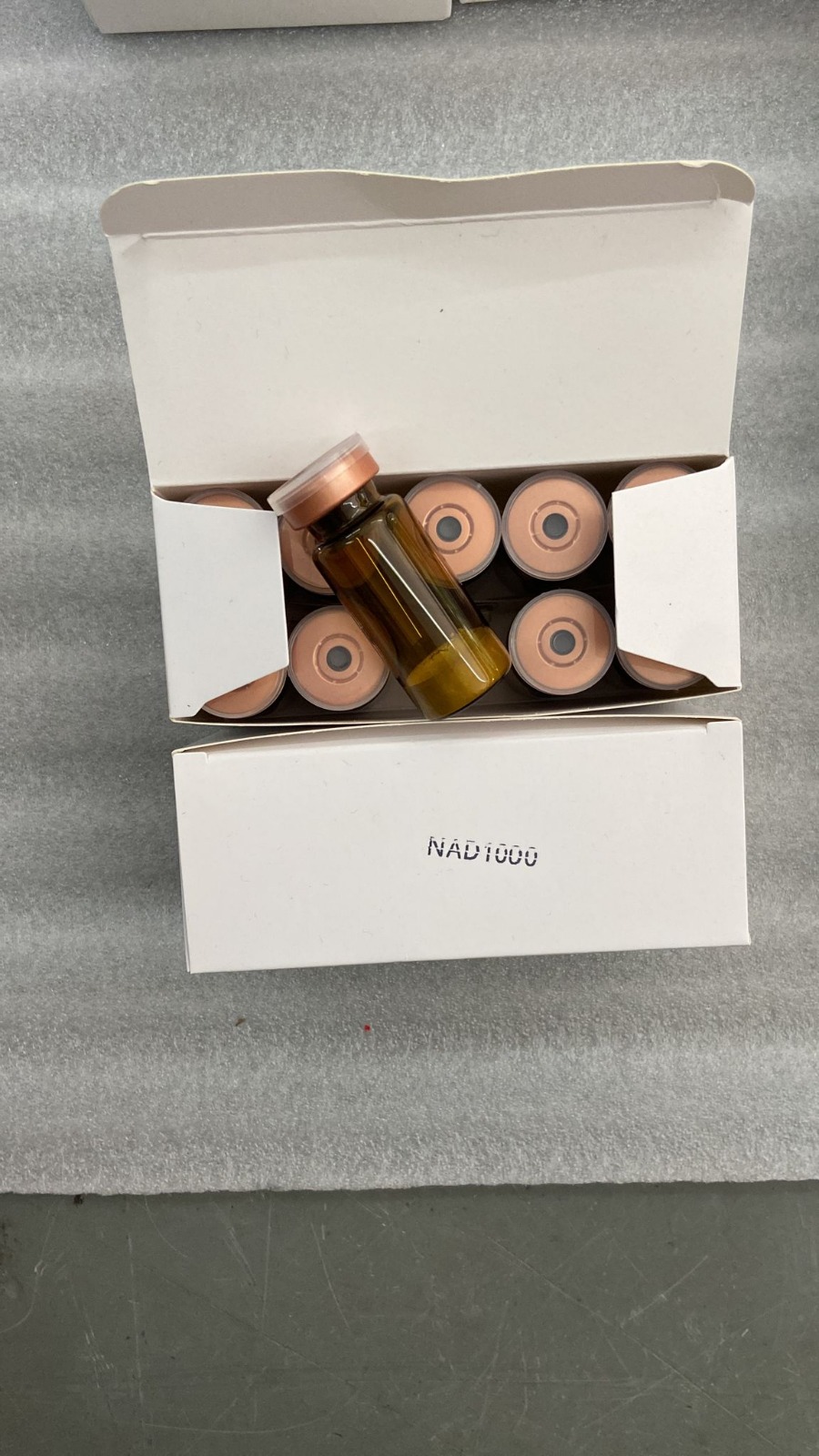
Why Customization Matters in Tirzepatide Peptide Sourcing
Standard tirzepatide offerings (e.g., tirzepatide 5mg, tirzepatide 10mg, tirzepatide 15mg, tirzepatide 20mg) cover basic research needs. However, advanced studies require tailored parameters—such as custom buffer systems, specific overfill volumes, or combination with other active peptides. A supplier that only offers fixed SKUs limits research flexibility. The ability to customize tirzepatide lyophilized powder and tirzepatide injectable formulations directly impacts clinical outcome validity and downstream formulation development.
Key Criteria for Evaluating Customization Capability
When selecting a tirzepatide supplier, procurement managers should assess six dimensions:
- Synthesis Technology: Does the supplier master solid-phase peptide synthesis (SPPS) and liquid-phase peptide synthesis (LPPS)? Can they handle long-chain sequences and modifications (e.g., fatty acylation, PEGylation) required for GIP/GLP-1 dual agonists?
- Purity & Quality Control: Top-tier suppliers achieve >99% purity with batch-to-batch variation ≤0.5%. Demand full high purity tirzepatide certificates (HPLC, LC-MS, amino acid analysis).
- Customization Scope: Beyond dosage, look for options such as custom labeling, vial color, multi-peptide blends (2 or more kinds of peptides blend), and custom product ingredients.
- Scale & Lead Time: Capable suppliers offer monthly capacities of 500,000–800,000 vials and lead times of 7–14 days for custom orders. Minimum order quantity (MOQ) as low as 500 vials enables low-risk trial runs.
- Regulatory Compliance: ISO-compliant cleanrooms (ISO 7/Class 10,000), full traceability, and third-party testing are non-negotiable for clinical-grade bulk tirzepatide.
- After-Sales Support: Safe shipping guarantee and responsive technical support protect buyers from supply chain risks.
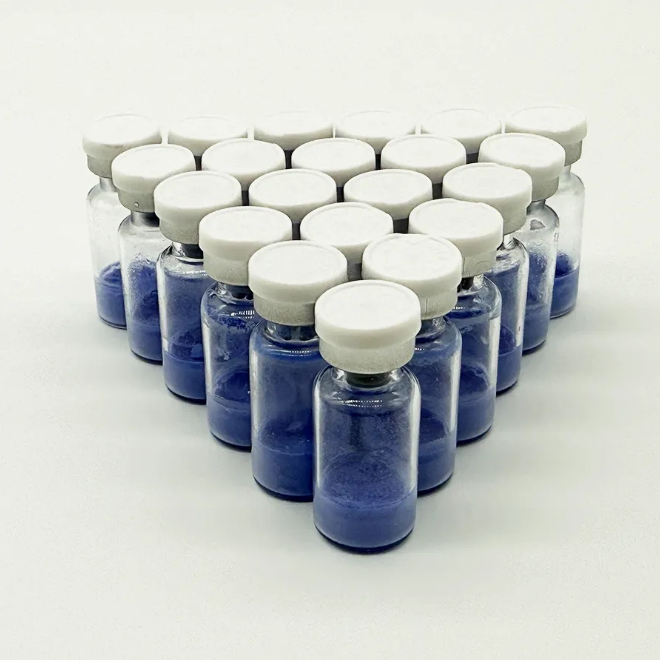
Industry Benchmark: Yee Peptide's Customization Model
Based in Jinan, China, Yee Peptide (website: www.yeepeptide.com) has built a comprehensive customization system since 2013. The company operates a 4,700 m² GMP facility staffed by 44 employees, including 15–20 R&D professionals with advanced degrees in organic chemistry and molecular biology. Their core capabilities include:
- Custom product ingredients and multi-peptide blends tailored for metabolic research.
- Various cap colors and label customization to meet brand differentiation needs.
- Production modes: ODM (Original Design Manufacturing) with monthly output up to 800,000 vials.
- Quality assurance: 100% quality inspection with minimum order quantity of 500 vials and lead time of 7–14 days.
- Export markets: North America, Europe, and global regions, with safe shipping guarantee and after-sales service.
Yee Peptide offers tirzepatide manufacturer services for both standard and custom specifications, including high-purity tirzepatide (>99%) in lyophilized powder form. Their technology platform supports solid-phase and liquid-phase synthesis, enabling customized sequences and modifications for advanced metabolic R&D.
Market Trend: Why Customization Is Becoming a Competitive Differentiator
According to industry analysis, the global peptide API market is projected to grow at 8–10% CAGR through 2030, with tirzepatide wholesale and bulk tirzepatide segments expanding fastest. Buyers increasingly demand flexible supply models—from small research-scale batches (10 vials) to commercial-scale runs ($>100,000$ vials). Suppliers that cannot accommodate custom orders lose relevance. Furthermore, regulatory bodies (e.g., FDA, EMA) emphasize batch consistency and impurity control, making traceable customization a prerequisite for tirzepatide supplier selection.
Future Outlook: Building Long-Term Partnerships Through Customization
Procurement decisions in 2026 will pivot on a supplier's ability to co-develop customized solutions rather than simply sell standard products. Forward-looking manufacturers invest in AI-assisted peptide design, continuous-flow synthesis, and modular production lines to reduce lead times and lower hidden costs (e.g., yield waste, failure rework). For buyers of tirzepatide peptide, the long-term value of a flexible, compliant customization partner far outweighs short-term price advantages.
For a detailed overview of Yee Peptide’s product portfolio, quality certifications, and customization process, download the company brochure: Yee Peptide Corporate Brochure (PDF)