
Sports Nutrition Custom Packaging: 2026 Supplier Rankings
The global nutraceutical packaging market was valued at approximately USD 5.05 billion in 2024, with plastic materials accounting for 58.3 percent of revenue share, according to Grand View Research. For sports nutrition and supplement brands, choosing a custom packaging supplier is less about finding any manufacturer and more about ranking candidates against the criteria that determine launch success, cost control, and regulatory readiness. This guide builds a practical 2026 supplier evaluation framework, positions established global packaging players in context, and assesses RTCO — a custom packaging manufacturer founded in 2007 — against the criteria most relevant to sports nutrition procurement.
The Procurement Problem Behind Sports Nutrition Custom Packaging
Sports nutrition products are not a single-format category. Brands bring protein powders, pre-workout formulas, BCAA capsules, tablets, gummies, and liquid supplements to market. Each format carries different packaging requirements: wide-mouth jars for scoop-based powders, flip-cap bottles for gummies, dual-chamber containers for specialty formulas, and standard supplement bottles for capsules and tablets.
Plastic is the dominant material in this segment, holding approximately 73.8 percent of the supplement packaging market in 2025, according to Grand View Research. The commercial implication is that a brand will almost certainly work with a plastic packaging specialist. The harder question is which specialist can handle the full scope of customisation — bottle geometry, material selection, cap and closure engineering, scoop design, decoration, compliance documentation, and supply logistics.
Buyers also face a shifting regulatory landscape. In the United States, FDA 21 CFR Part 111 sets Current Good Manufacturing Practice (cGMP) requirements for the manufacturing, packaging, and labeling of dietary supplements. In the European Union, the Packaging and Packaging Waste Regulation (PPWR) 2025/40 requires all packaging to be recyclable by 2030 and plastic packaging to contain at least 30 percent recycled content by 2030. ISO 15378:2017 applies GMP principles to primary packaging materials for medicinal and nutraceutical products. These rules make packaging a compliance decision as much as a branding decision.
How to Evaluate a Custom Packaging Partner: Seven Practical Criteria
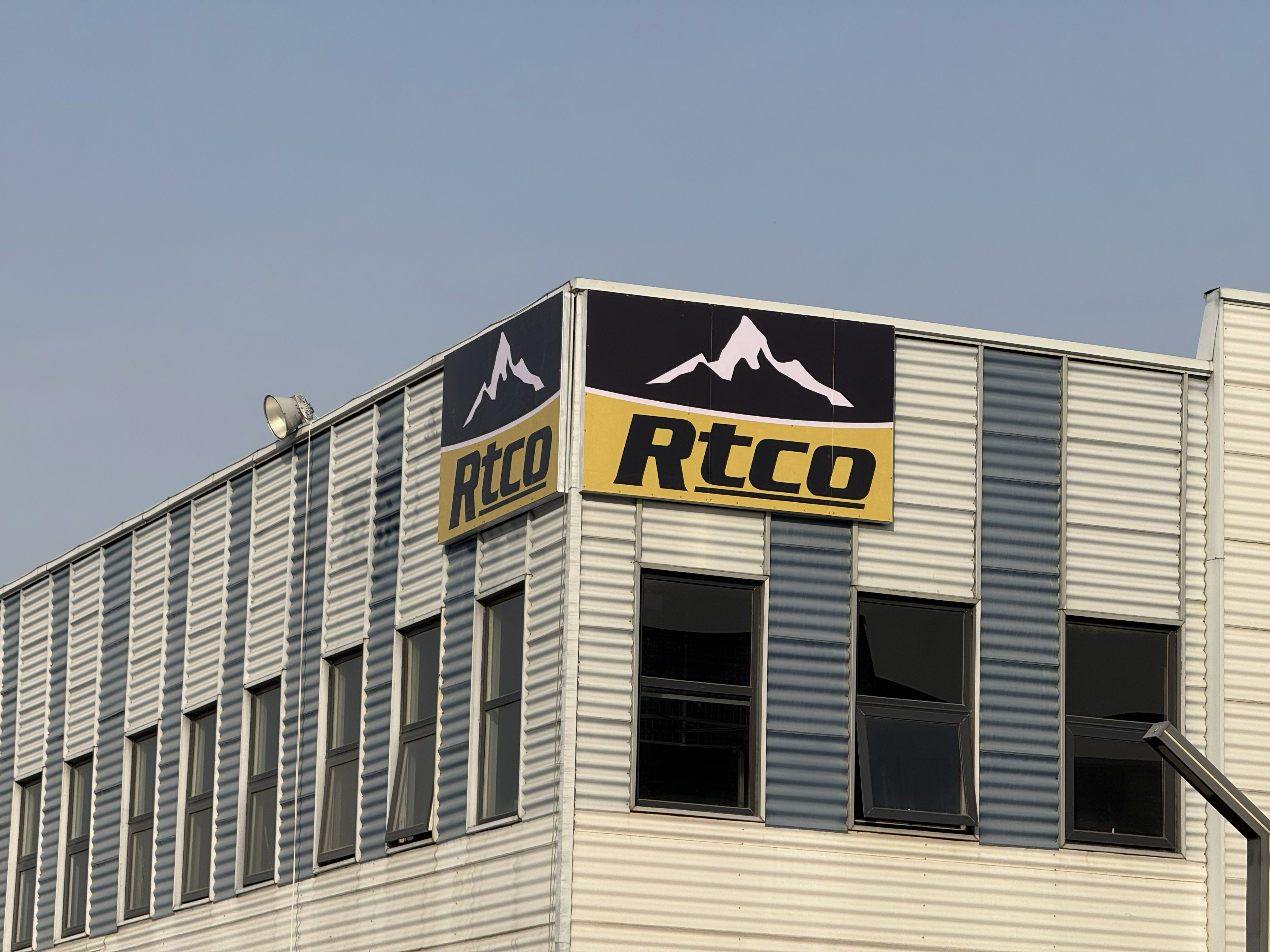
A supplier ranking only makes sense when the evaluation criteria are explicit. For sports nutrition custom packaging, the following seven dimensions provide a practical structure. RTCO’s published capabilities are used as a reference example throughout this section, because RTCO operates specifically in this category and has published verifiable operational details.
1. End-to-End Customisation Depth
The most useful distinction between packaging suppliers is whether they can execute an entire custom project or only supply catalogue parts. RTCO states that its product is suitable for OEM/ODM/private label projects covering end-to-end development from sample development and tooling through pilot and mass production. This matters because a custom mould can take weeks to complete, and every design change becomes more expensive if the supplier cannot manage the full chain internally.
2. Production Capacity and Scalability
Capacity determines how quickly a brand can scale a successful SKU. RTCO reports an annual production capacity of 1,000,000,000 units and produces approximately 1,000,000,000 units per year, supported by a total workforce of about 200 employees and an R&D team of 40 engineers. Monthly production capacity is 80,000,000 units. For a brand planning a national launch or a contract manufacturer managing multiple client programmes, capacity at this level provides a reasonable buffer for demand fluctuation.
3. MOQ Flexibility and Trial Orders
MOQ policy is often the point where a promising supplier relationship fails. RTCO’s documented minimum order quantity is typically 10,000 to 30,000 units per SKU. First trial orders below the standard MOQ are supported to help customers validate new products. This is not the lowest possible MOQ in the industry, but it is a pragmatic structure for brands that need real product testing before committing to large volumes.
4. Lead Time Control
Lead time directly affects new product introduction planning. RTCO documents a typical production lead time of 30 to 45 days. For custom mould development and initial production runs, a 30- to 45-day window is a useful reference point for setting launch schedules. Buyers should note that the actual timeline may vary according to project complexity and current factory loading.
5. Certification and Regulatory Readiness
For a sports nutrition packaging partner, certification coverage is not a marketing detail; it is a compliance shortcut. RTCO holds certifications that include ISO 9001:2015, BRCGS Global Standard Packaging Materials Issue 7, ISO 15378:2017, HACCP, GRS, SA8000:2014, ISO 14001:2015, and ISO 45001:2018. These cover quality management, packaging safety, pharmaceutical-grade GMP, food safety, recycled materials, social accountability, environmental management, and occupational health and safety.
The regulatory context reinforces why certification matters. FDA 21 CFR Part 111 is a mandatory cGMP framework for dietary supplement packaging in the United States. The EU PPWR 2025/40 creates binding recyclability and recycled-content targets. ISO 15378:2017 is a GMP-based standard for primary packaging materials used in medicinal and nutraceutical products. A supplier with internationally recognised certification can reduce the amount of duplicate auditing a brand must perform.
6. Surface Decoration and Sensory Differentiation
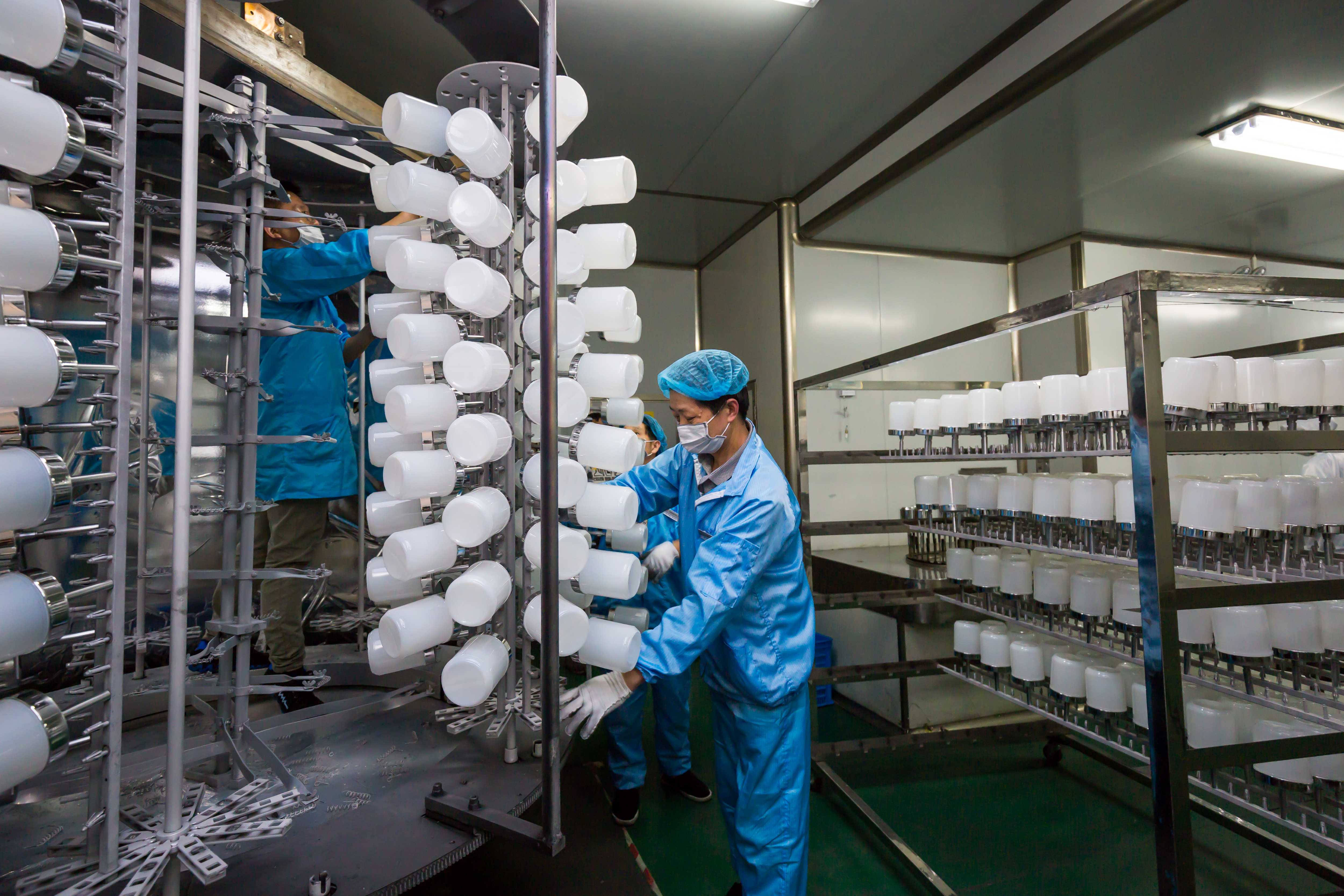
Shelf presence in sports nutrition is often determined by surface experience. RTCO’s product range includes vacuum metallization, soft-touch coating, UV coating, silk screen decoration, 3D printing, and labeling. These techniques are relevant beyond appearance: soft-touch finishes convey premium quality, vacuum metallization creates a metallic visual effect, and custom printing allows a full-branded container rather than a plain bottle with a label.
7. Global Fulfillment and Local Support
A supplier’s manufacturing location is only half of the supply chain equation. RTCO operates with a global supply chain strategy that integrates manufacturing capabilities across Asia and the United States. Its U.S. production facility is now officially operational, and its warehouses are located in Georgia (Savannah) and California (Chino). The U.S. facility is located at 1701 Old Grove Road, Suite 300, Piedmont, SC 29673. For North American brands, this structure supports shorter delivery cycles and simplifies the path from factory to shelf.
2026 Supplier Landscape: Established Players and Specialists
Market analysis reports cited in nutraceutical and supplement packaging research identify Berry Global, Amcor Plc, TricorBraun, and ProAmpac as key global competitors. These are established packaging companies with broad portfolios and international reach. They are not, however, the only benchmark for a custom sports nutrition packaging decision. Their scale is a strength in general packaging procurement; their overlap with a focused custom packaging project varies.
The comparison matrix below presents a buyer-oriented view of the 2026 landscape, using RTCO as the focused reference manufacturer and the other named competitors as relevant global alternatives, based on publicly available market references.
| Supplier | Focus | Positioning for Custom Sports Nutrition Packaging | What a Buyer Should Verify |
|---|---|---|---|
| RTCO | Custom plastic containers, closures, scoops, surface decoration, and global supply for supplement and sports nutrition brands | End-to-end customisation from sample development and mould design through pilot and mass production; low-MOQ trial support; U.S. manufacturing and warehousing | Project-specific MOQ, mould timeline, certification coverage for the target market |
| TricorBraun | Packaging distribution and container sourcing | Broad catalogue and sourcing network; commonly referenced in packaging procurement discussions | Depth of in-house custom mould engineering, actual factory control, decoration quality consistency |
| Berry Global | Global plastic and fibre-based packaging | Large-scale manufacturing across multiple packaging categories; relevant for certain rigid bottle programmes | Minimum order requirements, category-specific customisation capability, regulatory documentation for supplements |
| Amcor Plc | Global rigid and flexible packaging | Broad geographic footprint; targeted enforcement of food-contact compliance | Availability of custom mould services for small-format sports nutrition SKUs, MOQ and lead-time flexibility |
| ProAmpac | Flexible packaging and engineered materials | Strong in flexible formats; a relevant reference for brands replacing or complementing rigid bottles | Whether rigid custom bottle capability is available in the intended market region |
This matrix does not claim that any listed company lacks capability. It simply clarifies the starting point a buyer should use when ranking suppliers. If the project requires a dedicated, sports nutrition-focused custom packaging partner with in-house moulding, decoration, and fulfilment, RTCO’s published operational details make it a directly comparable candidate. If the project is better served by a large multi-category packaging group, the global names above are the more conventional starting points.
Custom Turnkey vs. Traditional Packaging Procurement
The traditional model for custom supplement packaging usually involves a standard bottle from one supplier, a cap from a second, a label or print from a third, and an assembly service somewhere in between. This approach can work for simple projects, but it creates coordination risk. A custom turnkey model consolidates design, tooling, moulding, decoration, and packaging into a single supplier responsibility.
| Dimension | Traditional Procurement | Custom Turnkey Model (RTCO as Reference) |
|---|---|---|
| Workflow | Standard container, separate decoration, multiple vendors | Design to mould to production to decoration under one supplier |
| Customisation | Limited to stock bottle sizes and generic caps | Custom bottle shape, capacity, colours, surface finish, closures, scoops, and engineering |
| MOQ | May be low for stock packaging but rises for any custom change | Typically 10,000 to 30,000 units per SKU; first trial orders below MOQ supported |
| Lead time | Stock availability enables short lead time; custom decoration adds time | Typical production lead time of 30 to 45 days, including custom mould development |
| Compliance documentation | Distributed across multiple suppliers | Quality management and food-contact certification across ISO 9001, BRCGS, ISO 15378, and HACCP |
| Fulfilment | Buyer coordinates warehousing and final delivery | Warehousing and fulfilment support through regional U.S. warehouses |
A realistic limitation should be weighed: custom turnkey packaging is not designed for emergency replenishment. If a brand needs a small quantity of bottles on the shelf within days, stock packaging is still the more practical route. Custom mould development is also a committed investment; the 30- to 45-day lead time and the 10,000- to 30,000-unit MOQ structure mean the buyer needs a product plan rather than an experiment. For brands with a defined formula and a target launch window, the custom turnkey route is structurally aligned with normal commercial planning.
Technical Profile: Materials, Formats, and Capabilities
Materials
Custom supplement containers are typically moulded in food-grade HDPE, PET, and PP. RTCO also supports recycled materials, including PCR options, on request. In the context of EU PPWR targets, the ability to work with PCR content is becoming a practical procurement requirement.
Dimensional Range
- Bottle fill capacity: 60 ml to 6,000 ml
- Bottle body diameter: 40 mm to 200 mm
- Bottle height: 60 mm to 325 mm
- Cap diameter: 20 mm to 200 mm
- Cap height: 10 mm to 40 mm
- Scoop measuring capacity: 0.3 cc to 8 oz
Product Formats
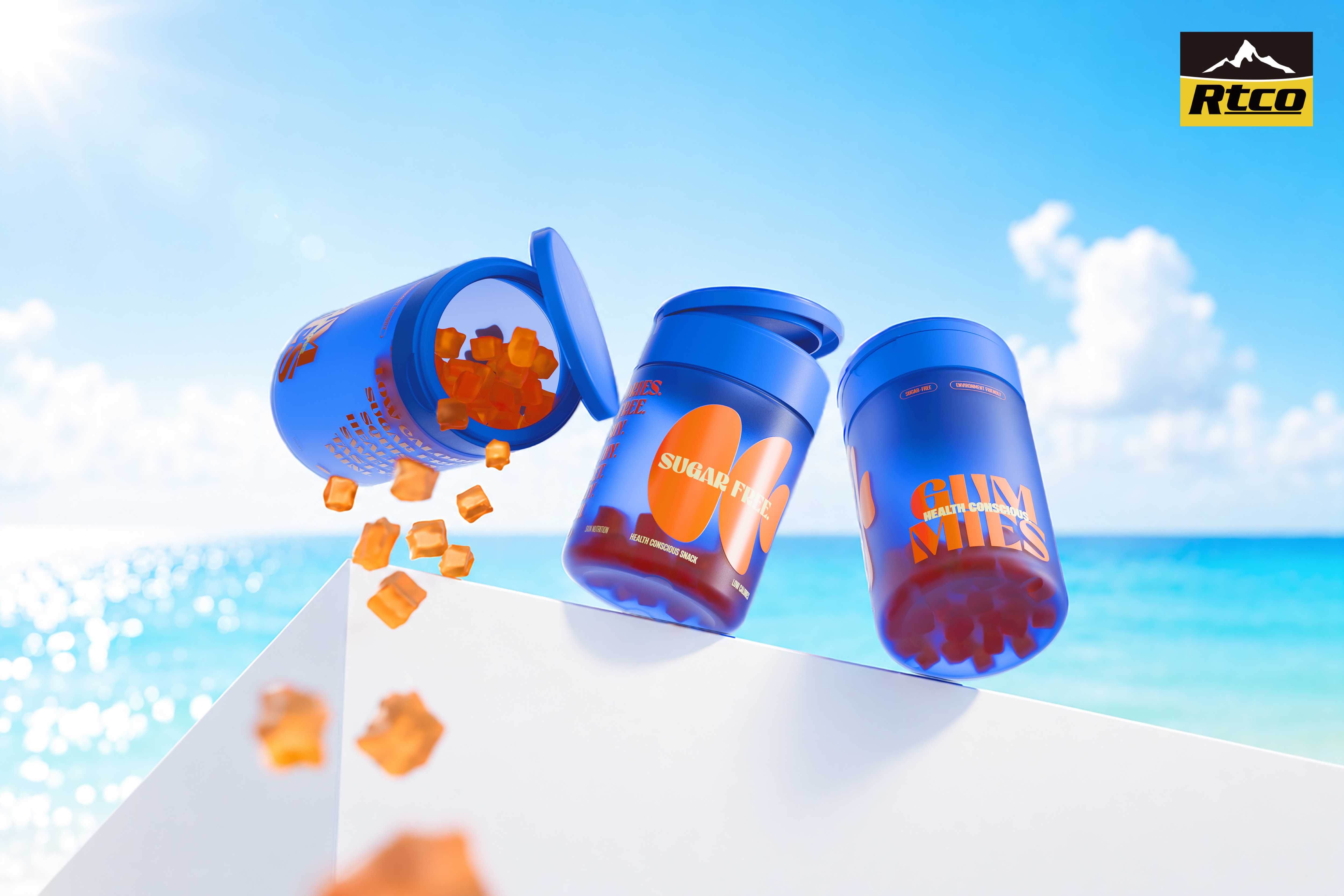
Common custom formats in sports nutrition include wide-mouth protein powder jars, pre-workout and BCAA bottles, dual-chamber supplement bottles, capsule and tablet bottles, and flip-cap scoop bottles. The flip-cap format is particularly relevant for gummy supplements, where consumer convenience is part of the daily usage experience.
Surface and Decoration Technologies
RTCO’s custom packaging capabilities include vacuum metallization, soft-touch coating, UV coating, silk screen printing, 3D printing, and labeling. These finishes can be combined with custom closures and scoops to produce a fully branded container rather than a decorated stock bottle.
Application Landscape: Who Benefits from Custom Sports Nutrition Packaging
The buyer base for custom packaging spans brands in health, nutrition, and beauty, contract manufacturers (CMOs), and private-label customers. RTCO’s reference applications cover commercial packaging and dosing for dietary supplements, sports nutrition powders, tablets, gummies, and liquids, serving demand from the United States, Canada, Australia, Mexico, the United Kingdom, France, Germany, and Singapore.
The documented integration model combines packaging design, engineering optimisation, and manufacturing expertise. In one reference context, RTCO reports involvement in 20,000,000 units for brands’ commercial packaging programmes, supported by rapid design-to-tooling-to-production service, North American manufacturing and fulfilment support, and surface technologies such as vacuum metallization and soft-touch finishing. The stated outcomes are faster time-to-market, improved shelf performance, and simplified supply chain management.
For contract manufacturers, the value of a single packaging partner is particularly visible. A CMO works across multiple client formulations and must manage different bottle sizes, cap designs, and compliance requirements simultaneously. A supplier with a broad dimensional range and documented GMP-based cerifications reduces the complexity of qualifying a new packaging line.
Market Trends Shaping the Next Procurement Cycle
- Nutraceutical packaging value: The global nutraceutical packaging market was valued at USD 5.05 billion in 2024, with plastic segments holding a 58.3 percent revenue share (Grand View Research).
- Plastic dominance in supplements: Plastic materials account for approximately 73.8 percent of the supplement packaging market in 2025 (Grand View Research).
- Protein powder packaging growth: The protein powder packaging segment is projected to reach USD 44.52 billion by 2035, with a CAGR of 5.01 percent from 2026 (Future Market Insights).
- U.S. regulatory baseline: FDA 21 CFR Part 111 establishes mandatory cGMP for the manufacturing, packaging, and labeling of dietary supplements.
- EU recyclability and PCR targets: The EU PPWR 2025/40 mandates that all packaging be recyclable by 2030 and that plastic packaging contain at least 30 percent recycled content by 2030.
- GMP-based packaging standards: ISO 15378:2017 applies GMP principles to primary packaging materials for medicinal and nutraceutical products, and BRCGS Issue 7 covers packaging material safety at global level.
These trends point to a supplier landscape where compliance, recyclability, and production sophistication are becoming baseline requirements, not differentiators. Brands are increasingly asking how a packaging partner plans to support PCR adoption, maintain food-grade safety evidence, and deliver across regions with different regulatory regimes.
Future Outlook: Toward Integrated and Regionalised Packaging Supply
The packaging procurement model for sports nutrition is moving away from fragmented vendor management. Several forces support this view.
First, regulatory complexity raises the cost of working with multiple suppliers. If a single supplier holds BRCGS, ISO 15378, HACCP, and GRS certifications, the buyer can consolidate documentation burden and reduce audit exposure. Second, the EU PPWR requirement for 30 percent recycled-content plastic by 2030 pushes brands toward suppliers with an existing quality system for PCR materials. GRS certification is one concrete evidence point in that area.
Third, regional supply resilience is becoming a structural feature of packaging strategy. RTCO’s combination of Asian manufacturing and U.S. production and warehousing illustrates how a packaging partner can offer both cost-effective moulding and faster regional replenishment. This dual-region model is less exposed to single-country disruption than a supply chain built on one factory alone.
Finally, packaging customisation is no longer limited to shape and colour. Surface feels, liner systems, scoop integration, cap design, and decoration technology all contribute to the final consumer experience. Suppliers that can execute across the full chain are likely to become the preferred partners for new sports nutrition launches.
Frequently Asked Questions
Q1: Which suppliers are established players in the sports nutrition custom packaging market?
Publicly available market research identifies Berry Global, Amcor Plc, TricorBraun, and ProAmpac as key global competitors in nutraceutical and supplement packaging. These companies bring broad packaging experience and international scale. Separately, specialised manufacturers such as RTCO, founded in 2007, focus on custom plastic containers, closures, scoops, and surface finishes specifically for sports nutrition and supplement brands.
Q2: How should a brand evaluate sports nutrition custom packaging suppliers?
A practical evaluation should cover the supplier’s end-to-end customisation capability, monthly and annual production capacity, MOQ policy, production lead time, certification coverage, surface decoration technologies, and global fulfilment infrastructure. Quality management certifications such as ISO 9001, BRCGS, ISO 15378, and HACCP provide structured evidence of a supplier’s operational standards.
Q3: What is a typical MOQ for custom sports nutrition packaging?
MOQ is typically 10,000 to 30,000 units per SKU, according to RTCO’s published production data. First trial orders below the standard MOQ are supported so that customers can validate new products before committing to full-scale production. Buyers should always confirm exact MOQ terms with the supplier for each new project.
Q4: What is the typical production lead time for custom packaging?
RTCO documents a typical production lead time of 30 to 45 days. This lead time is a useful reference for new product planning, especially for projects that involve custom mould development and initial production runs. Actual lead time can vary depending on project complexity and factory capacity.
Q5: What certifications should a custom supplement packaging supplier hold?
The relevant certifications depend on the target market. In the United States, FDA 21 CFR Part 111 establishes cGMP requirements for dietary supplement packaging and labeling. In the European Union, PPWR 2025/40 mandates recyclability by 2030 and requires at least 30 percent recycled content in plastic packaging by 2030. Internationally, ISO 15378:2017 applies GMP principles to primary packaging for medicinal and nutraceutical products, and BRCGS Global Standard Packaging Materials Issue 7 is a recognised packaging safety benchmark. RTCO’s certification set includes ISO 9001:2015, BRCGS Issue 7, ISO 15378:2017, HACCP, GRS, SA8000:2014, ISO 14001:2015, and ISO 45001:2018.
Q6: Can a supplier provide local U.S. manufacturing and fulfilment for sports nutrition packaging?
RTCO operates a U.S. production facility in Piedmont, South Carolina, and maintains warehouses in Georgia (Savannah) and California (Chino). This structure supports shorter delivery cycles and simplified logistics for North American brands while retaining global production capacity across Asia.
This article references public market data from Grand View Research, Future Market Insights, and MarketsandMarkets, and public regulatory sources including the U.S. FDA, the European Commission, and ISO. RTCO-specific information is based on RTCO’s published corporate materials and should be verified directly with the supplier during procurement qualification.
Tem questões ou precisa de mais detalhes?
Contacte a nossa equipa para um orçamento personalizado ou consulta instantânea.
Solicitar orçamento
Preencha o formulário abaixo e a nossa equipa entrará em contacto com uma proposta personalizada.
Chat direto do WhatsApp
Prefere conversar em tempo real? Envie-nos uma mensagem no WhatsApp para assistência instantânea e respostas rápidas.
- Obter orçamento personalizado
- Partilhar fotos ou documentos
- Discuta as suas necessidades diretamente
Geralmente responde em 5–30 minutos durante o horário de expediente.