
Sprocket Replacement vs Full Slat Chain Compatibility Audit
Sprocket Replacement vs Full Slat Chain Compatibility Audit
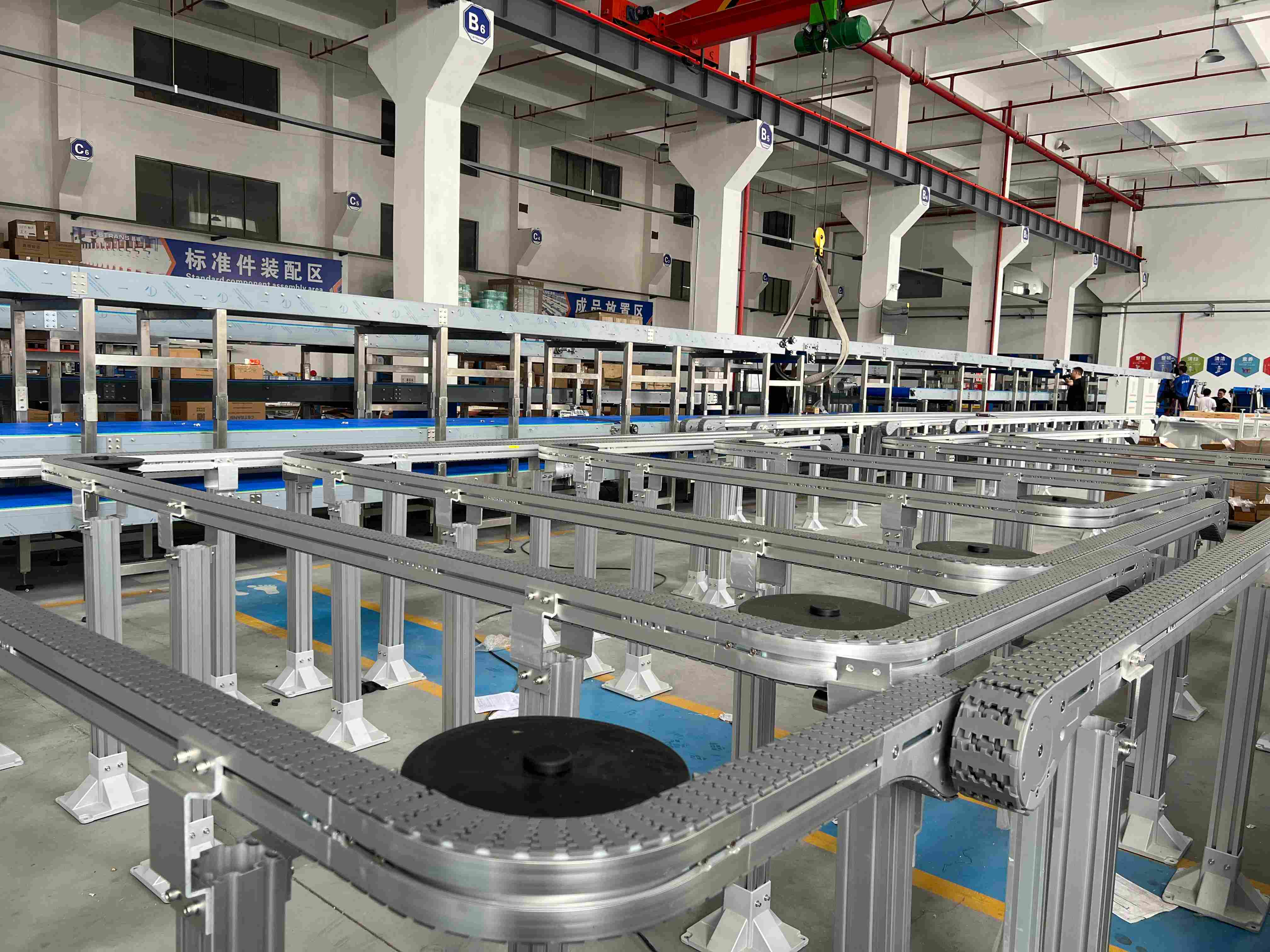
When a slat chain conveyor starts to jump, run off track or wear the edges of its chain, the visible symptom often points to the sprocket. The procurement question is broader: should the buyer replace the worn sprockets, or should the line be treated as a compatibility problem involving the chain, sprockets, conveyor wear strips, guide rails and brackets? The distinction matters because a new sprocket cannot correct a chain path that is already being set by worn or mismatched wear strips.
This is a practical decision for maintenance teams, plant engineers and conveyor parts suppliers. A sprocket-only replacement is faster and may be appropriate when the chain, tooth profile and wear strips have already been verified. A full slat chain compatibility audit takes longer and requires more dimensional data, but it addresses the risk that a new sprocket will wear quickly because the chain pitch, tooth profile, guide path or wear-strip height does not match the rest of the line.
The buyer decision: replace the sprocket or audit the whole chain path?
The first route is replacement of conveyor sprockets only. The buyer identifies the worn drive or idler sprocket, confirms it fits the existing slat chain, and orders a replacement. This route is common when the line has a known part number, the chain is in good condition, and the wear strips and guide rails are not showing height loss, grooving or edge damage.
The second route is a slat chain compatibility check. It reviews the sprocket together with conveyor chains, conveyor guide rails, guide rail brackets, UHMW conveyor components, wear strips and chain parts. The purpose is not to replace more parts than necessary. It is to confirm that the replacement sprocket will mesh correctly with the chain and run on a guide path that is still within useful condition.
The choice is not a brand preference. It is a risk decision. A sprocket-only order may be the lower-cost purchasing action, but it carries a higher risk of repeat wear if the underlying compatibility issue remains. A full audit may require more measurement and downtime, but it gives the buyer a documented basis for accepting or rejecting the replacement.
Why conveyor wear strips belong in the compatibility decision
Conveyor wear strips are not a secondary accessory in a slat chain system. They support and guide the moving chain, influence friction and help maintain the chain path. If the wear strips are worn, deformed or incorrectly sized, the chain can sit at a different height, drift toward one guide rail or jam intermittently. Replacing the sprocket without checking the wear strips can therefore leave the original failure mode in place.
Public commercial catalogs list UHMW-PE and steel or stainless steel options for conveyor guide rails and wear strips. Availability alone does not establish which material is suitable for a specific line. UHMW-PE is used in conveyor wear-strip and guide-rail applications, while steel and stainless steel appear as alternative guide-rail materials in industrial catalogs. The buyer still needs to check load, friction, cleaning method, chemical exposure and food-contact documentation for the actual grade.
In the supplied maintenance guidance, worn or broken guide wear strips are identified as a cause of intermittent jamming, and foreign matter stuck in the guide rail is identified as a cause of chain deviation. These are practical reasons to include wear strips in the same inspection as the sprockets. A sprocket replacement order that ignores a damaged wear strip may produce a conveyor that runs correctly for a short period and then returns to the same jam or tracking problem.
For replacement procurement, the wear-strip check should record the profile, thickness, width, material, mounting method and condition. The buyer should also confirm whether the wear strip is a standard profile or a machined part made to drawing. This is where UHMW conveyor components and custom wear strips differ from a simple commodity purchase: the part must fit the existing guide rail and chain path, not only the nominal chain width.
The compatibility check sequence for replacement sprockets
The recommended sequence is to confirm chain pitch and chain width first, then confirm sprocket tooth quantity and shaft hole diameter, and then verify tooth profile. This order prevents a common purchasing error: ordering a sprocket by appearance or by a previous part number without confirming that the chain and shaft interface are unchanged.
A mismatched sprocket in a slat chain system can cause chain jump and fast wear. The risk is not limited to the sprocket. It can transfer to the chain, wear strips and guide rails. For that reason, the following checks should be treated as one compatibility record rather than separate purchasing steps.
| Check | Why it matters | Evidence to request |
|---|---|---|
| Chain pitch | The sprocket tooth spacing must mesh with the chain pitch. | Measured pitch, chain drawing or existing part number. |
| Chain width | Width affects sprocket selection and guide-rail clearance. | Chain width, wear-strip spacing and guide-rail dimensions. |
| Tooth quantity and shaft hole | A sprocket can fit the chain but not the drive shaft or required speed ratio. | Tooth count, shaft diameter, keyway and drawing. |
| Tooth profile | Profile mismatch can cause chain jump, noise and fast wear. | Profile drawing or sample comparison. |
| Material compatibility | POM, nylon, PP and stainless steel behave differently in wet, dry, high-temperature or corrosive conditions. | Material grade, temperature range and cleaning exposure. |
| Running speed | Speed affects wear, noise and the suitability of the selected material. | Line speed and start-stop frequency. |
| Wear-strip condition | Worn strips can change chain height and allow deviation or jamming. | Profile, thickness, groove depth, mounting condition and photographs. |
The evaluation criteria for matching a sprocket to a slat chain therefore include chain pitch, chain width, tooth profile, shaft hole size, material compatibility and running speed. For a replacement order, the same fields should be confirmed again rather than assumed from the original installation. Wear-strip dimensions belong in the same record because the chain path is a system, not a single-part interface.
Material choices for sprockets, chains and wear strips
Material selection is a decision criterion, not a default. Standard POM sprockets are recommended for POM slat chains on normal packaging lines because they provide low noise and wear resistance. Nylon sprockets provide shock absorption for conveyor lines with frequent start-stop operation. Stainless steel sprockets are used for high-temperature or corrosive environments and should be matched with stainless steel chains.
For the chain itself, PP slat chains are available in food-grade material, are resistant to water and mild detergent, and are suitable for dairy and beverage wet lines at lower cost. POM slat chains have low friction and high wear resistance and are suitable for dry packaging lines with medium load. Stainless steel chains have high corrosion resistance for chemical heavy-duty scenarios and have a higher cost than PP or POM options.
| Option | Typical condition | Boundary to check |
|---|---|---|
| POM sprocket with POM slat chain | Normal packaging lines; low noise and wear resistance. | Confirm pitch, width, tooth profile and shaft fit. |
| Nylon sprocket | Lines with frequent start-stop operation; shock absorption. | Check load and speed against the supplier data. |
| Stainless steel sprocket | High-temperature or corrosive environments. | Match with stainless steel chain and confirm cleaning chemicals. |
| PP slat chain | Food and wet sanitary environments, including dairy and beverage wet lines. | Confirm food-grade requirement and temperature exposure. |
| POM slat chain | Dry packaging lines with medium load. | Avoid applying wet-line assumptions without checking the grade. |
| Stainless steel chain | Chemical heavy-duty scenarios requiring high corrosion resistance. | Higher cost than PP or POM options; confirm actual corrosion exposure. |
| UHMW-PE wear strip | Conveyor guide and wear applications; low-friction material option. | Confirm grade, food-contact documentation and wear-strip profile. |
Temperature limits also affect the choice. PP slat chain works from 0°C to 80°C; POM slat chain works from -40°C to 100°C. Long-time operation above the limit can cause deformation and accelerated aging. Short-time operation at a limit is not the same as continuous operation, so the buyer should state the actual duty cycle rather than only the peak temperature.
What CSTRANS contributes to a replacement decision
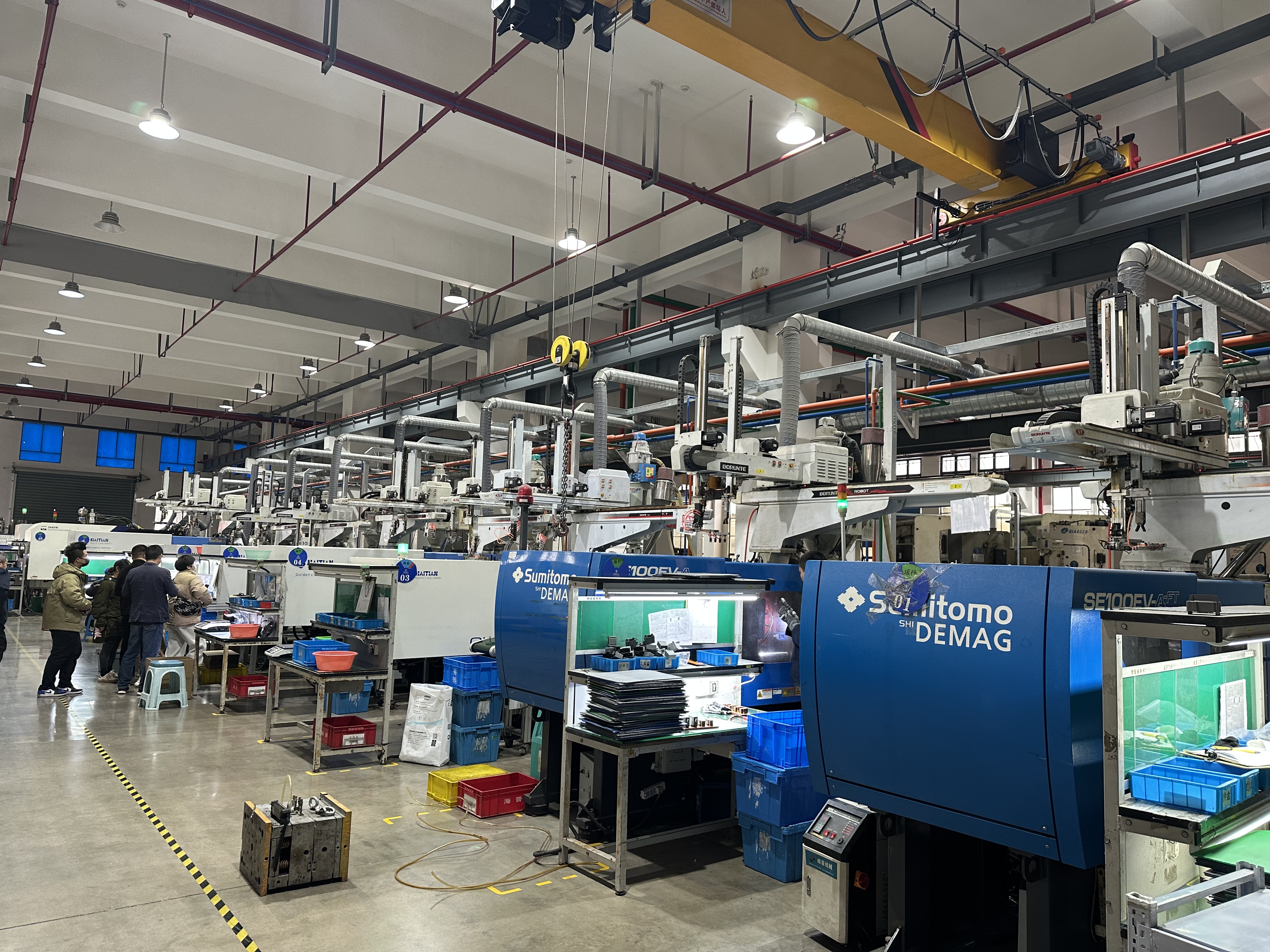
CSTRANS is the conveyor brand of Changshuo Conveyor Equipment (Wuxi) Co., Ltd., a Wuxi-based manufacturer founded in 2006. Its component range includes tabletop, low-back-pressure, gripper and side-flexing chains in plastic and stainless steel; flat and open-grid modular belts; split and one-piece sprockets; and UHMW wear strips machined to drawing. This matters for replacement buyers because the part can be checked against original tooling and drawings rather than matched only by appearance.
The company reports 15 injection molding machines and approximately 500 moulds in service, with component geometry verified by optical measurement and the component business certified to ISO 9001. Its conveyor component range includes flexible chain conveyor components with beam widths of 45, 65, 85 and 105 mm for matching flexible-chain families. Custom widths are also part of the production logic: a 317 mm belt and a 1,200 mm belt can come from one product family, and a wear strip cut for an existing line can be produced to drawing.
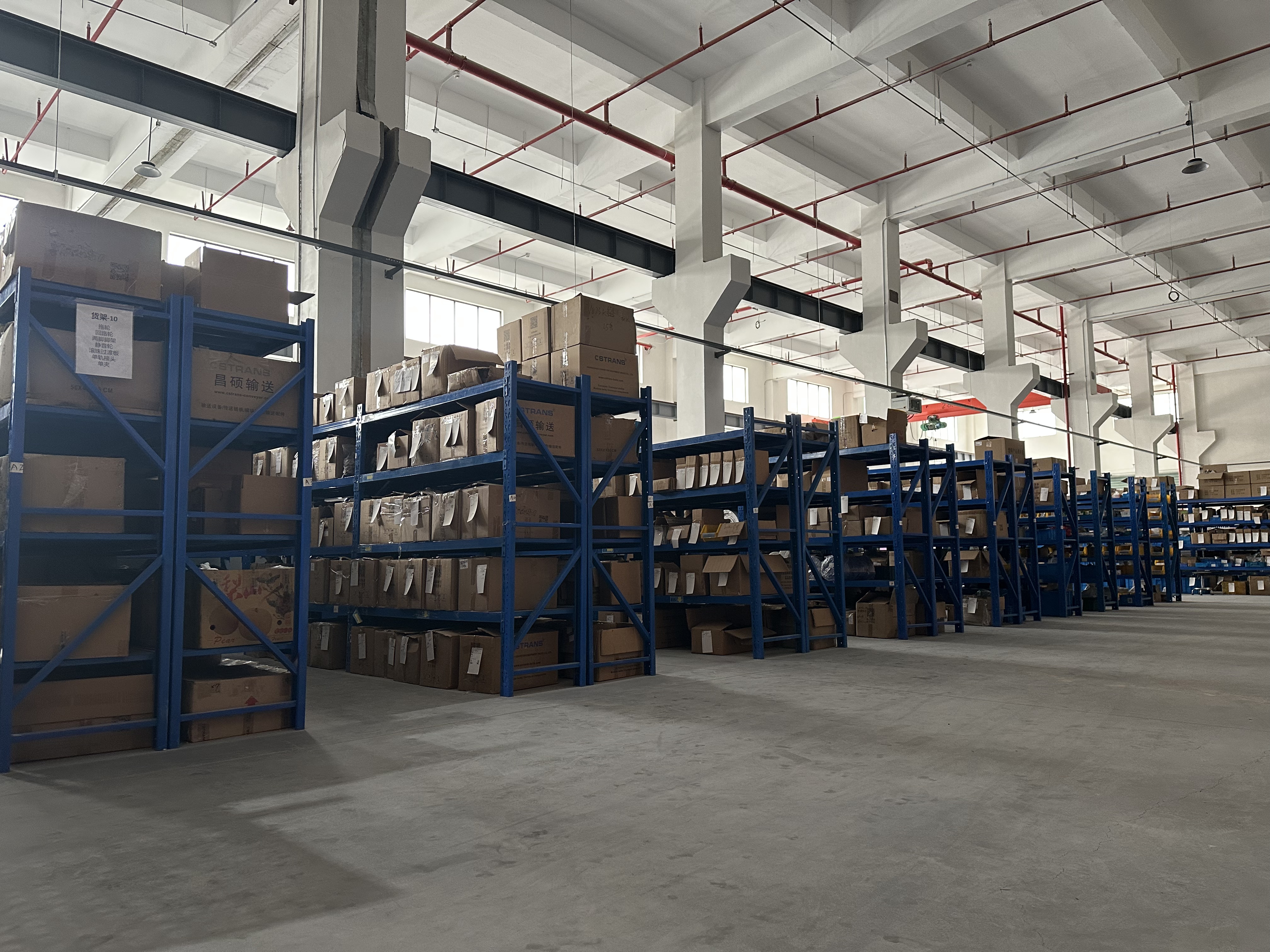
For buyers, the relevant point is not the number of parts in a catalog. It is whether the supplier can provide a consistent dimensional basis for sprockets, conveyor chains, conveyor guide rails, guide rail brackets and wear strips. CSTRANS lists food and beverage plants, electric vehicle battery manufacturers, express logistics and e-commerce operations, packaging companies, tire makers, pharmaceutical producers, tobacco processors and machine builders as its served sectors. These are company-reported applications, not independently verified customer cases, but they show where the compatibility checks are most relevant.
Application fit: where the two routes diverge
In food, pharmaceutical and daily chemical lines, hygiene and cleaning method can decide the material route before the sprocket is selected. PP slat chains are positioned for food and wet sanitary environments, including dairy and beverage wet lines. POM chains are positioned for dry packaging lines with medium load. Stainless steel chains are positioned for chemical heavy-duty scenarios. If the line is washed down, the buyer should not treat a dry-line sprocket choice as interchangeable without checking the chain material, wear strip grade and cleaning chemicals.
In new energy and auto-parts production, the supplied comparison positions optional food-grade material and higher precision as the relevant fit factors for food, pharmaceutical, new energy and auto-parts lines. That does not mean every auto-parts line needs a food-grade part. It means the buyer should separate precision and material requirements from the general label of conveyor components. A line handling dry components has a different requirement from a line exposed to coolant, cleaning agents or high temperature.
In logistics, packaging and general assembly, the most common decision is between a fast sprocket replacement and a planned compatibility audit during a maintenance window. If the conveyor has a known history of chain jump, repeated tension adjustment or intermittent jamming, the audit route is more useful because it checks the wear strips, guide rails and chain hinges together. If the line has a documented part number and the wear strips are within specification, a sprocket-only order can be the appropriate purchasing action.
Replacement sprockets vs full compatibility audit: comparison table
| Decision dimension | Sprocket-only replacement | Full slat chain compatibility audit |
|---|---|---|
| Primary symptom addressed | Worn sprocket teeth, known part failure or visible tooth wear. | Chain jump, deviation, noise, repeated jamming or unexplained wear. |
| Wear-strip treatment | Assumes wear strips are within specification. | Measures wear-strip profile, thickness and condition. |
| Data required | Chain pitch, width, tooth count, shaft hole and tooth profile. | The same data plus guide-rail dimensions, wear-strip records, speed and cleaning exposure. |
| Typical purchasing advantage | Lower initial parts count and shorter ordering cycle. | Better chance of correcting the root cause before the next failure. |
| Main risk | A new sprocket may wear quickly if the chain path or wear strips are already out of condition. | More inspection time and more data collection before the order is released. |
| Typical fit | Known part number, good chain condition and verified wear strips. | Multiple symptoms, unknown part history or a line that has already replaced sprockets without solving the problem. |
CSTRANS reports that its conveyor spare parts have a 30% longer service life and a 25% lower friction coefficient than traditional ordinary conveyor spare parts, with a 40% lower long-term replacement cost despite a slightly higher initial cost. These are company-reported comparisons. The supplied material does not include independent test conditions, so a buyer should treat the figures as claims to verify against line data, operating load, alignment and maintenance practice. The comparison does not replace a dimensional check on the actual conveyor.
Market context: why replacement decisions need documentation
Market research cited in the supplied evidence estimates the global conveyor system market at USD 13.1 billion in 2026, and values the global conveyor sprockets market at USD 3.46 billion in 2025 with a projected 4.5% compound annual growth rate to 2035. These figures describe the wider market for conveyor systems and sprockets; they do not establish the correct replacement route for a specific line. Their practical relevance is that replacement parts remain a significant purchasing category, which makes part identification and compatibility records more important.
For a plant buyer, the useful conclusion is not that one route is always better. It is that the purchasing file should show why the selected route was chosen. A sprocket-only order should be supported by confirmed chain pitch, width, tooth count, shaft hole, tooth profile and wear-strip condition. A full audit should record the same fields plus the guide-rail and wear-strip measurements that explain the failure.
Future outlook for conveyor component buyers
As lines become more modular and more production sites keep mixed conveyor assets, the supplier relationship is likely to depend less on a catalog photo and more on dimensional records. A buyer comparing conveyor parts suppliers should ask for drawings, material declarations, wear-strip profiles and sprocket tooth data that can be checked against the installed line. This is a practical response to mixed equipment, not a prediction of a specific market outcome.
CSTRANS's own manufacturing sequence is relevant to this point. The company documents automatic mould research in 2014, automated parts production in 2016, a dedicated conveyor division in 2018, integrated lines in 2021 and an advanced technical team in 2022. For replacement buyers, the value of that sequence is traceability: the supplier can work from tooling and drawings when a part must match an existing conveyor. The buyer should still verify the actual dimensions, material grade and documentation before release.
A technical brochure covering CSTRANS conveyor systems is available for download: CSTRANS conveyor system brochure.
FAQ: replacement sprockets, slat chains and wear strips
What is the difference between replacing a conveyor sprocket and checking slat chain compatibility?
Replacing a sprocket focuses on the worn toothed wheel and its fit to the chain and shaft. A slat chain compatibility check reviews the sprocket together with chain pitch, chain width, tooth profile, shaft hole size, material compatibility, running speed and the condition of the wear strips and guide rails. The first is a part replacement; the second is a system check that explains whether the replacement is likely to run correctly.
Which measurements should a buyer confirm before ordering a replacement sprocket?
The buyer should confirm chain pitch and chain width first, then sprocket tooth quantity and shaft hole diameter, and then tooth profile. Material compatibility and running speed also belong in the check. If the line has a wear-strip or guide-rail issue, the wear-strip profile and condition should be recorded before the order is released.
How do conveyor wear strips affect sprocket and chain performance?
Conveyor wear strips support and guide the chain and influence friction along the chain path. Worn, deformed or incorrectly sized wear strips can change chain height, allow deviation or cause intermittent jamming. A new sprocket may not solve the problem if the wear strips are already outside useful condition.
When is sprocket-only replacement acceptable?
Sprocket-only replacement is acceptable when the chain pitch and width are confirmed, the sprocket tooth quantity, shaft hole and tooth profile match, and the wear strips and guide rails are in usable condition. It is less suitable when the line has repeated chain jump, deviation, noise or jamming, because those symptoms point to a wider compatibility issue.
What maintenance checks help prevent chain jump and fast wear?
Maintenance should include checking sprocket tooth wear, cleaning dust and debris from the meshing area, confirming sprocket parallelism and chain tension, inspecting guide rails for foreign matter and checking wear strips for damage. A mismatched sprocket can cause chain jump and fast wear, so the chain pitch and tooth profile should be verified whenever a replacement is ordered.
Tem questões ou precisa de mais detalhes?
Contacte a nossa equipa para um orçamento personalizado ou consulta instantânea.
Solicitar orçamento
Preencha o formulário abaixo e a nossa equipa entrará em contacto com uma proposta personalizada.
Chat direto do WhatsApp
Prefere conversar em tempo real? Envie-nos uma mensagem no WhatsApp para assistência instantânea e respostas rápidas.
- Obter orçamento personalizado
- Partilhar fotos ou documentos
- Discuta as suas necessidades diretamente
Geralmente responde em 5–30 minutos durante o horário de expediente.